How to Grow Sweet Potatoes in 3 Steps
Grow sweet potatoes can feel tricky if you’re not sure where to start. You’re not alone—many people struggle with knowing how to get healthy, productive plants.
But with the right guidance, anyone can enjoy a bountiful sweet potato harvest. Here’s a simple, three-step approach to make it easier for you.
Choose healthy sweet potato slips with firm stems, bright leaves, and no damage.
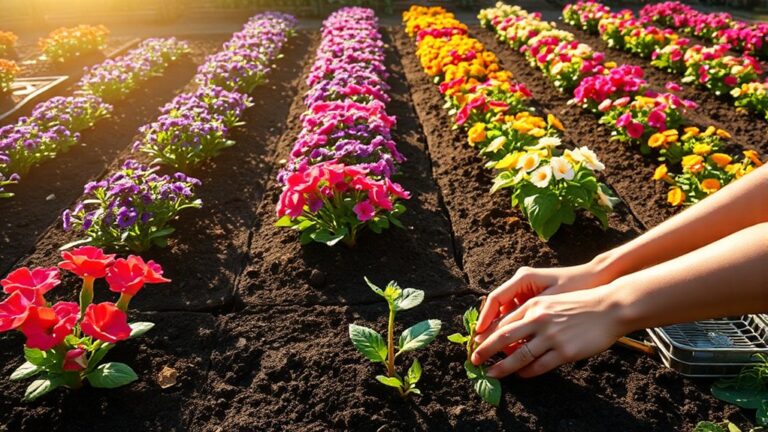
Next, prepare a warm, loose soil bed by removing rocks, breaking clumps, adding compost, and forming raised ridges for drainage and heat.
Then plant slips after the last frost, spacing them 12 to 18 inches apart, water well, and mulch to hold moisture.
Keep the soil evenly moist, watch for pests, and you’ll soon see how to grow them even better.
Key Takeaways
- Choose healthy sweet potato slips with firm stems, bright leaves, and no signs of mold, damage, or wilting.
- Prepare a warm, loose, well-drained bed with compost and ridges to support strong root growth.
- Plant slips after the last frost, spacing 12–18 inches apart, then water well and mulch.
- Care for plants by keeping moisture even, avoiding overwatering, and managing pests and spreading vines.
- Harvest tubers when leaves yellow, then cure and store them in a cool, dark, well-ventilated place.
Choose Healthy Sweet Potato Slips
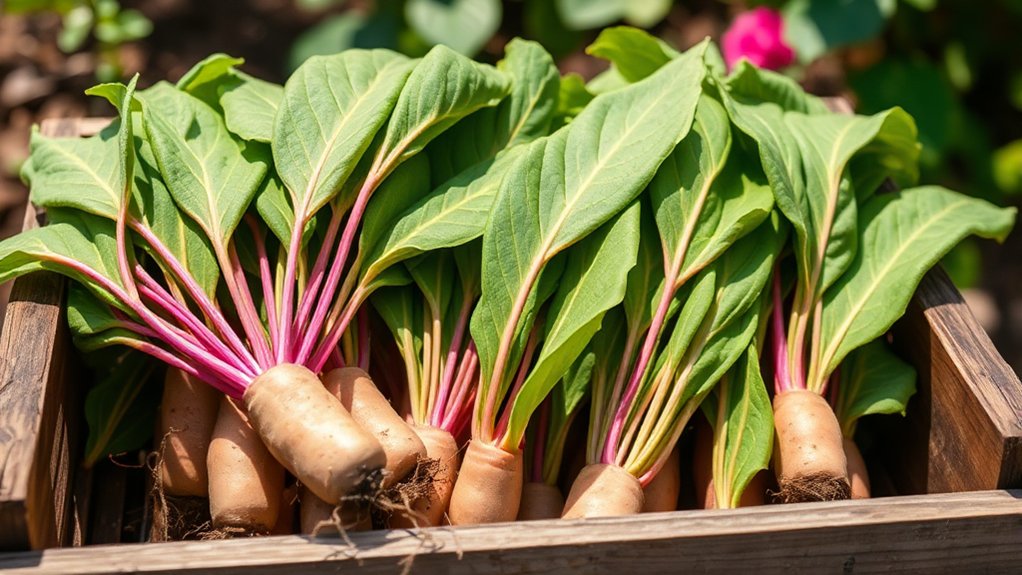
Start with strong, healthy sweet potato slips, since they’ll determine how well your crop gets established. Choose slips that look vigorous, with firm stems, bright leaves, and no wilting, spots, or insect damage.
Good slip selection means you’re starting with plants that can handle stress and grow quickly once planted. If you can, pick varieties known for disease resistance, especially if you’ve had problems with rot, leaf spots, or other sweet potato diseases before.
Avoid slips that seem thin, yellow, or weak, because they’ll struggle and may produce smaller harvests. You should also inspect roots and stems for any signs of mold or decay before you buy or use them.
Healthy slips don’t need to be perfect, but they should look lively and ready to grow. When you choose quality slips first, you give yourself a much better chance at a productive crop and a smoother growing season.
Prepare a Warm, Loose Soil Bed

Before you plant sweet potato slips, work the soil into a warm, loose bed that drains well and lets roots spread easily. You’ll get better growth when you loosen compacted ground with a fork or tiller, then shape raised rows or mounds for drainage improvement. Aim for a soil temperature above 60°F, since sweet potatoes slow down in cold earth.
| Task | Why it helps |
|---|---|
| Remove rocks | Gives roots room to expand |
| Break clumps | Improves texture and airflow |
| Add compost | Boosts fertility and looseness |
| Form ridges | Warms soil faster |
| Check moisture | Prevents soggy, cold beds |
Mix in finished compost to enrich the bed without making it dense. Don’t overwork wet soil, or you’ll create clods that harden later. A crumbly, airy bed stays warmer, drains faster, and gives your sweet potatoes the loose foundation they need to produce long, smooth roots and a strong harvest.
Plant and Care for Sweet Potatoes

Set your sweet potato slips into the warm, loose bed after the last frost, spacing them about 12 to 18 inches apart in rows that are 3 to 4 feet apart. Firm the soil gently around each slip and water it in well.
Choose fertilizer options low in nitrogen so you’ll grow roots, not vines; a balanced organic blend or compost works well. Keep the bed evenly moist for the first few weeks, then use deep watering techniques once or twice a week when rain’s scarce.
Mulch between rows to hold moisture and suppress weeds. Watch for beetles, wireworms, and vine borers, and use simple pest management like handpicking, row covers, and removing damaged foliage. Avoid overwatering, which can rot roots.
As vines spread, guide them back into place so they don’t root at the nodes. When leaves yellow and frost threatens, follow harvesting tips by lifting tubers carefully with a fork, then cure them before storing.
Frequently Asked Questions
When Is the Best Time to Harvest Sweet Potatoes?
You should harvest sweet potatoes after the vines yellow and begin dying back, usually 90 to 120 days after planting, before frost hits. Check harvest indicators like firm, fully sized roots and cracking soil around the hills.
Pick a dry day, because excess soil moisture can make digging messier and raise rot risk. Gently loosen the soil, lift the roots, and cure them for better flavor and storage.
How Do I Cure Sweet Potatoes After Digging Them Up?
You cure sweet potatoes by keeping them warm, humid, and undisturbed for 7 to 10 days after digging them up. Place them in a single layer in a dark spot at about 80 to 85°F with good airflow.
These curing techniques let the skins toughen and the sugars develop. Afterward, move them to a cooler area around 55 to 60°F for storage. These ideal conditions help prevent rot and improve flavor.
Can Sweet Potatoes Be Grown in Containers?
Yes, you can grow sweet potatoes in containers, and you’ll get good results if you choose the right setup. Use container gardening with a large pot, at least 15 gallons, and fill it with loose, well-draining soil.
Pick compact sweet potato varieties for better production in tight spaces. Give them full sun, regular water, and warm temperatures. You’ll harvest healthy tubers without needing a big garden bed.
How Long Can Sweet Potatoes Be Stored?
You can store sweet potatoes for 3 to 6 months if you keep them in good storage conditions. Think of each tuber as a sleeping traveler: if you shelter it from cold and moisture, it lasts longer.
Your sweet potato varieties matter too; some keep better than others. Cure them first, then store them in a dark, dry, well-ventilated place. You’ll help them stay firm, sweet, and usable.
Are Sweet Potato Leaves Edible?
Yes, you can eat sweet potato leaves, and they’re nutritious too. You’ll get fiber, vitamins, and antioxidants, so they can boost your sweet potato nutrition.
Pick young, tender leaves, then rinse and chop them. You can sauté, steam, or stir-fry them, and they cook quickly. Try them like spinach in soups or omelets.
Avoid bitter, tough leaves, and always choose pesticide-free plants for the best flavor and safety.
Conclusion
Growing sweet potatoes is simple when you start with healthy slips, give them warm, loose soil, and care for them as they spread. Keep in mind that a single plant can produce several pounds of sweet potatoes, so a small garden can yield a surprising harvest.
By planting at the right time and staying consistent with watering and weeding, you’ll set yourself up for a tasty crop. Follow these steps, and you’ll enjoy plenty of homegrown sweetness. Growing sweet potatoes at home is a rewarding way to add fresh, nutritious flavor to your meals.