7 Best Plants for Front Yard Landscaping
Choosing the perfect plants for front yard landscaping can feel overwhelming. You want something that looks great year-round, is easy to care for, and adds curb appeal. If you’ve struggled to find that balance, you’re not alone—many homeowners face the same challenge.
Plants for front yard landscaping, you can’t go wrong with coneflowers, black-eyed Susans, salvia, hydrangeas, boxwood, ornamental grasses, and sedum. These plants give you bright blooms, steady greenery, and low-maintenance structure through the seasons.
If your yard gets lots of sun, add petunias or zinnias for extra color. Mix heights and textures for a layered, polished look that boosts curb appeal, and you’ll see even more smart ways to shape your landscape below.
Key Takeaways
- Coneflowers, black-eyed Susans, and salvia offer sun-loving color, long blooms, and pollinator appeal for front yards.
- Daylilies, hydrangeas, and petunias add reliable curb appeal with layered blooms and seasonal variety.
- Boxwood, dwarf juniper, and holly provide evergreen structure and year-round visual interest.
- Sedum, yarrow, and ornamental grasses are low-maintenance, drought-tolerant choices for tough conditions.
- Group plants by height, bloom time, and water needs to create a balanced, intentional landscape.
Best Sun-Loving Front Yard Plants

If your front yard gets full sun, you’ve got plenty of great plant options that can handle the heat and still look sharp. You can build a bright, welcoming landscape with sun loving perennials like coneflowers, black-eyed Susans, and salvia.
These plants bloom for weeks, attract pollinators, and give you reliable color through the growing season. You can also tuck in colorful annuals such as petunias, zinnias, and marigolds to fill gaps and keep borders vivid from spring to frost.
These blooms last for weeks, draw pollinators, and keep your borders colorful all season long.
Mix heights, textures, and bloom times so your yard feels layered instead of flat. Place taller plants toward the back, then repeat smaller groupings near walks or entryways for balance.
Choose varieties that match your soil and watering habits, and you’ll create a front yard that looks lively without feeling crowded. With the right sun-ready plants, you can make your home stand out beautifully.
Low-Maintenance Front Yard Plants

When you want a front yard that looks polished without demanding constant attention, low-maintenance plants are the way to go. You can choose sturdy shrubs, ornamental grasses, and tough perennials that handle heat, drought, and occasional neglect with ease.
These plants help you keep your landscape neat without constant pruning, feeding, or replanting. For shady spots, look for shade-tolerant options like hostas, ferns, and hellebores, which fill difficult areas with texture and reliable growth.
In sunnier sections, use compact evergreens or native grasses to create structure that stays attractive through most of the year. You’ll also want plants with seasonal interest, such as foliage color changes or long-lasting seed heads, so your yard keeps looking lively without extra effort.
Flowering Front Yard Plants That Boost Curb Appeal

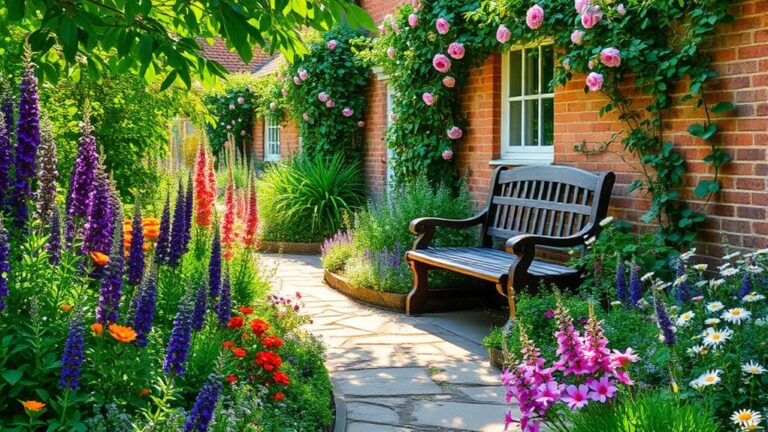
Once you’ve got a low-maintenance foundation in place, flowering plants can add the color and charm that make a front yard stand out. You can use daylilies, coneflowers, black-eyed Susans, and hydrangeas to create eye-catching borders that welcome guests and soften walkways.
Mix taller varieties behind shorter ones so each plant gets sunlight and your display feels layered. If you want seasonal color, choose a combination of early, mid, and late bloomers so something is always flowering.
Perennial blooms give you reliable returns each year, and they help you build a polished look without replanting constantly. You can also add compact roses or salvia near the entry for extra impact.
Group plants in odd numbers for a natural feel, and repeat colors throughout the yard to tie everything together. With the right flowers, your front yard can look lively, inviting, and well cared for.
Evergreen Front Yard Plants for Year-Round Structure
Evergreens give your front yard structure all year, even when flowers fade and other plants go dormant. You can use them to anchor beds, frame walkways, and keep your landscape looking finished through every season.
Choose a mix of tall and mid-sized forms so your yard feels layered, not flat. In brighter spots, boxwood, dwarf juniper, and holly add color and texture without losing their leaves.
In shadier areas, look for shade-tolerant evergreens such as yew, aucuba, or mahonia, which stay attractive with less sun. If your space is limited, compact evergreen varieties work well near entryways, under windows, or beside steps because they hold their shape and won’t overwhelm the yard.
Group them in repeating drifts for unity, then pair them with seasonal flowers for contrast. With the right evergreens, you’ll create a front yard that looks polished, balanced, and inviting every month of the year.
Small Front Yard Plants That Stay Neat
For a small front yard, choose plants that naturally stay compact and tidy so the space feels intentional, not crowded. You can rely on dwarf boxwood, compact lavender, and dwarf spirea to give you structure without extra pruning.
Low mounds of heuchera, sedum, and small hostas also keep edges clean and soften walkways nicely. If you want color, plant miniature roses or perennial geraniums in a simple rhythm, then repeat them for a polished look.
Use container gardening near the entry to frame steps, and add vertical landscaping with slim trellises or narrow obelisks so you draw the eye upward instead of outward. Pick plants with controlled habits, and you’ll spend less time cutting them back and more time enjoying a front yard that looks balanced, welcoming, and easy to maintain.
Drought-Tolerant Front Yard Plants
If you want a front yard that looks great without needing a lot of watering, go for drought-tolerant plants that suit your climate and soil. These plants are perfect because they don’t require much fuss and can thrive in your local conditions.
You can also count on low-maintenance native options. They’re built to handle the environment around you and usually need less care as time goes on. And for some extra coverage, try adding heat-resistant ground covers. They stay attractive even in those tough, sunny spots.
Water-Wise Plant Choices
If you want a front yard that looks great without constant watering, choose drought-tolerant plants that can handle heat, dry spells, and full sun. You can build a stylish, low-water landscape with succulent varieties like agave and sedum because they store moisture and keep their shape in tough conditions.
Add desert perennials such as penstemon and yarrow for color, texture, and long-lasting blooms without demanding daily care. Group plants with similar water needs so you don’t waste water or stress them.
Use gravel, rocks, or mulch to help soil retain moisture and reduce evaporation. Place taller plants where they’ll shield smaller ones from harsh afternoon sun, and you’ll create a front yard that stays attractive, resilient, and easy to manage all season long.
Low-Maintenance Native Options
Native plants are a smart choice for a front yard because they’re already adapted to your local climate, so they need less water, fertilizer, and fuss. You can choose native shrubs, grasses, and flowering perennials that handle dry spells and still look polished.
Many offer seasonal interest, with spring blooms, summer texture, and fall color, so your yard stays attractive year-round. If you want pollinator friendly plants, pick natives that feed bees, butterflies, and hummingbirds while asking little in return.
You’ll also spend less time pruning, replacing, and troubleshooting stressed plants. Group similar species together, mulch lightly, and match each plant to sun exposure and soil conditions. That way, you create a front yard that feels natural, attractive, and easy to maintain.
Heat-Resistant Ground Covers
Heat-resistant ground covers can fill bare spots fast while helping your front yard stay neat, even in hot, dry conditions. You’ll get lasting color, fewer weeds, and less watering when you choose smart heat resistant options. These plants spread low across soil, so they protect roots, reduce erosion, and soften hard edges around paths and driveways.
For strong ground cover benefits, pick varieties that tolerate full sun, poor soil, and reflected heat from pavement.
Creeping thyme adds fragrance and handles dry spells. Sedum stores water and thrives in blazing sun. Ice plant offers bright blooms with little care. Lantana spreads quickly and attracts pollinators.
Mix textures and heights for a polished look that still feels easy to maintain.
Layering Front Yard Plants for Depth
Layering front yard plants creates instant depth by placing taller shrubs or small trees in the back, mid-sized plants in the middle, and low growers along the edge. You’ll guide the eye forward and make a small yard feel larger. Mix textures and color combinations to keep each layer distinct, and choose plants with seasonal interest so the border changes through the year.
| Layer | Plant Type | Purpose |
|---|---|---|
| Back | Small tree | Adds height |
| Middle | Shrub | Builds fullness |
| Front | Groundcover | Softens edges |
Place repeating plants in groups so your design feels calm, not crowded. You can also echo one color in each tier to tie the whole bed together. If your entryway needs more impact, use contrasting leaf shapes and staggered bloom times. That way, you’ll create a balanced front yard that looks intentional from the street and welcoming up close.
Frequently Asked Questions
How Do I Choose Plants for My Local USDA Hardiness Zone?
Check your USDA hardiness zone first, then choose plants rated for that range. You’ll want species that match your sun, soil, and moisture conditions too.
Focus on native species when possible, since they’re adapted to your area and often need less care. Mix in seasonal blooms so your yard has color through the year.
Visit local nurseries, and compare plant tags with your zone before you buy.
Which Front Yard Plants Are Safe for Pets and Children?
You’re safest with pet friendly landscaping choices like marigolds, snapdragons, zinnias, and sunflower varieties. You can also plant Boston fern, rosemary, and herbs such as basil or thyme if your pets don’t nibble too much.
These safe plant options help you create a welcoming yard without constant worry. Avoid lilies, azaleas, oleander, and sago palm, since they can harm kids and animals. Choose non-toxic plants, and you’ll keep peace blooming.
How Often Should Front Yard Plants Be Fertilized?
You should fertilize front yard plants based on their type and your soil’s needs, usually every 4 to 6 weeks during active growth. You can use organic fertilizers to feed them gently and support long-term soil health.
Before you apply anything, do soil testing so you don’t overfeed or waste product. In fall and winter, you should usually reduce or stop fertilizing unless your plants keep growing strongly.
What Plants Attract Pollinators to the Front Yard?
You can attract pollinators with native wildflowers like coneflowers, milkweed, black-eyed Susans, and bee balm. Add flowering shrubs such as butterfly bush, viburnum, and ninebark for steady nectar and shelter.
Mix blooms that open at different times so bees, butterflies, and hummingbirds keep visiting all season. You’ll also want sunny spots, shallow water, and fewer pesticides.
That combo makes your front yard welcoming, lively, and ecologically valuable.
How Can I Prevent Front Yard Plants From Invading Sidewalks?
You can prevent front yard plants from invading sidewalks by choosing compact varieties, using proper plant spacing, and trimming growth regularly. Install sidewalk barriers like edging, pavers, or buried root guards to block spreading roots and keep stems in place.
You should also mulch carefully and avoid overwatering, since excess moisture can push plants outward. Check plants often, and prune anything leaning toward the walk before it becomes a problem.
Conclusion
With the right front yard plants, you can boost curb appeal without adding extra work. Homes with strong landscaping can sell for up to 10% more, showing how much first impressions matter.
Choose sun-loving, low-maintenance, flowering, evergreen, compact, drought-tolerant, and layered plants to create a yard that feels polished year-round. When you mix beauty with function, you’ll make your home stand out and welcome guests before they even reach the door.
Incorporating the best plants for front yard landscaping helps you achieve this balance easily.