Cottage Garden Design Ideas for a Simple Guide
If you’ve ever dreamed of creating a charming, colorful outdoor space but felt overwhelmed by where to start, you’re not alone. Many people struggle with designing a garden that feels both inviting and manageable. That’s why exploring cottage garden design ideas can be such a great way to bring warmth and life to your yard without stress. Cottage Garden Design Ideas.
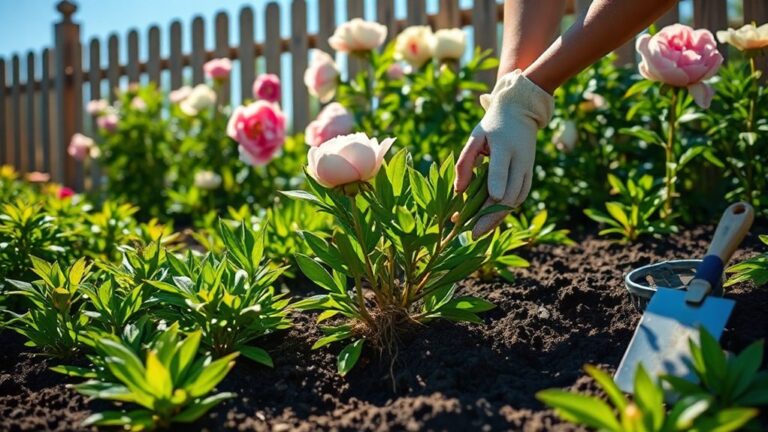
You can create a cottage garden by mixing relaxed curves, loose borders, and layered plants for a warm, overflowing look. Choose hardy favorites like coneflowers, peonies, roses, lavender, and hollyhocks, then add herbs and climbers for scent and height.
Use gravel paths, rustic pots, and vintage accents to boost charm.
In a small space, grow upward and group plants by needs. With a few simple choices, your garden can feel timeless and full of life, and there’s more to investigate.
Key Takeaways
- Use soft curves, loose borders, and layered planting to create a relaxed cottage garden layout. It’s all about that natural, casual feel.
- Choose resilient blooms like peonies, coneflowers, hollyhocks, and sweet peas for color and height. These flowers bring charm without too much fuss.
- Add fragrant plants such as lavender, rosemary, thyme, and scented geraniums for scent and texture. They make your garden smell amazing and look inviting.
- Maximize small spaces with trellises, wall planters, and vertical climbers to save ground space. This way, even tiny gardens can feel lush and full.
- Keep maintenance simple with hardy perennials, mulch, grouped watering needs, and rustic vintage accents. This helps you enjoy your garden without spending all day on chores.
The Charm of Cottage Garden Design

Cottage garden design has a way of making your outdoor space feel warm, relaxed, and deeply inviting. You create charm by blending casual structure with rustic elements that feel collected, not staged.
Weathered stone, wooden fences, and simple pathways help your garden look timeless and lived-in. You don’t need perfect lines; instead, you can let the layout feel generous and welcoming.
Soft curves, layered textures, and varied heights add a sense of abundance without overwhelming the space. This style also supports wildlife attraction, since birds, bees, and butterflies often respond to inviting shelters and natural details.
When you add personal touches, you make the garden feel authentic and full of character. The result is a space that looks effortless, feels calming, and invites you to slow down, linger, and enjoy every corner.
Choose the Best Cottage Garden Plants

You can create a lovely cottage garden by choosing flowers that bloom in beautiful layers of color. These will help bring that relaxed, romantic look you’re aiming for.
Try adding fragrant foliage like lavender, rosemary, and scented geraniums. They not only add extra texture but also fill your space with wonderful scents.
If you want to keep things simple, go for low-maintenance plants. These stay healthy with less fuss and still keep your garden full and inviting.
Best Cottage Garden Flowers
For a cottage garden that feels lush, romantic, and easygoing, the best flowers mix charm with resilience, giving you color, texture, and scent through the seasons. You’ll get the most impact by blending native flower varieties with perennial favorites like coneflowers, peonies, and black-eyed Susans.
Add heirloom blooms such as hollyhocks, sweet peas, and foxgloves for old-fashioned appeal and vertical drama. Seasonal selections keep your beds lively, so tuck in tulips in spring, zinnias in summer, and asters in fall.
Choose plants that self-seed or return reliably, and you’ll spend less time replanting. Group blooms in generous drifts, then let them mingle naturally for that relaxed cottage feel you want.
Fragrant Foliage Choices
Fragrant foliage can do as much for a cottage garden as flowers, adding scent, texture, and a soft, layered look even when blooms fade. You can weave in scented herbs like lavender, thyme, and rosemary to line paths and soften edges. Their leaves release aroma when you brush past, making every walk feel immersive.
Add aromatic shrubs such as rosemary, sagebrush, or dwarf mock orange near seating areas so their leaves and stems lend interest between floral scents. For ground level, choose fragrant groundcovers like creeping thyme or chamomile; they knit the space together and perfume warm afternoons.
Mix these plants with your blooms, and you’ll create a garden that feels inviting, tactile, and beautifully scented from spring through fall.
Low-Maintenance Plant Picks
When you want cottage-garden charm without constant upkeep, start with plants that reliably return with little fuss. You’ll save time by choosing hardy perennials like coneflowers, black-eyed Susans, daylilies, and hardy geraniums.
These bloom generously, handle rough weather, and need only basic deadheading or dividing. Add native plant selections to support pollinators and reduce watering, because they’re already adapted to your climate.
You can also mix in drought tolerant options such as sedum, yarrow, and salvia for color that lasts through dry spells. Group plants by sun and moisture needs, then mulch well to keep soil steady.
With smart choices, you’ll enjoy abundant cottage style, fewer chores, and a garden that feels full and effortless all season.
Plan a Relaxed Cottage Garden Layout

You can shape a relaxed cottage garden by weaving soft pathways that gently guide you through the space. Just imagine wandering along those gentle curves, letting the garden lead you naturally from one spot to another.
Then, let the borders loosen up a bit. Instead of rigid lines, think about arranging plants in layered zones—taller blooms sitting behind the lower ones. This way, the layout stays easy to follow but still feels full, natural, and inviting. It’s all about creating that effortless, welcoming vibe.
Soft Pathways
Soft pathways invite you to slow down and wander, giving a cottage garden its easy, romantic feel. You can shape them with natural materials like gravel, brick, or stepping stones to create winding routes that look relaxed, not rigid.
Keep the lines loose and let rustic textures guide your choices, so each step feels charming underfoot. Soft edges, like spilling herbs or low flowers, help the path blend into the garden and create inviting connections between one area and the next.
When you plan these routes for casual strolls, you encourage sensory experiences from every footstep, breeze, and scent. This approach also deepens garden moods, making your space feel welcoming, gentle, and quietly enchanting throughout the seasons.
Layered Planting Zones
Layered planting zones give your cottage garden a relaxed structure without making it feel formal. You can place taller plants at the back, mid-height blooms in the center, and low growers along the edge for clear plant height flow and design balance.
Use color layering to move the eye gently through the beds, and mix in seasonal textures so the garden stays lively year-round.
| Zone | Best Plants | Purpose |
|---|---|---|
| Back | Hollyhocks, delphiniums | Height and privacy |
| Middle | Roses, foxgloves | Color and fullness |
| Front | Thyme, alyssum | Soft edging |
| Shady | Ferns, hellebores | Cool contrast |
| Sunny | Lavender, salvia | Wildlife attraction |
Check soil selection, sun exposure, and plant spacing before you plant, and your layout will feel easy, balanced, and inviting.
Mix Flowers, Herbs, and Climbing Vines
Mixing flowers, herbs, and climbing vines gives a cottage garden its loose, abundant charm while keeping the planting practical. You can tuck flower combinations around herbs so lavender, thyme, and sage share space with roses, daisies, and foxgloves. Their herb benefits go beyond scent; they repel pests and invite pollinators.
Use climbing techniques like trellises, obelisks, or fences to guide sweet peas and clematis upward, and choose vine varieties that suit your sun and soil. Layer the bed for texture layering, placing airy blooms beside broader leaves and twining stems.
Look for pollinator plants with open faces, then balance color contrasts with soft pinks, purples, and whites. Seasonal blooms keep the planting lively, but you don’t need formal rows. Let stems mingle, repeat a few favorites, and allow self-seeding plants to fill gaps naturally.
Add Seasonal Color to Your Garden
Once your flowers, herbs, and vines are in place, keep the garden lively by planning for color through every season. Choose spring bulbs, early perennials, and summer annuals so something is always opening.
Then add late-blooming asters, chrysanthemums, and ornamental grasses to carry interest into fall. In winter, rely on evergreen foliage, berrying shrubs, and stems that hold shape after frost.
You can also rotate containers with fresh seasonal blooms to refresh weak spots fast. Think about color combinations as you plant: soft pastels feel romantic, while bold reds, purples, and golds create a richer cottage look.
Repeating a few hues across the beds helps the design feel unified, even as the flowers change. When one group fades, another should step forward, so your garden never looks empty.
This steady rhythm gives you a colorful display that feels natural, balanced, and alive all year.
Create Cottage Garden Paths and Borders
Paths and borders give your cottage garden its shape, guiding visitors through the space while softening the edges. You can use winding routes to make the layout feel relaxed and inviting. Choose path materials that suit your style and climate, such as gravel, brick, or stepping stones.
Keep paths narrow enough to feel intimate, but wide enough for easy walking. Then frame them with border designs that echo the garden’s loose, abundant character.
- Curve paths gently instead of running them straight.
- Mix textures for a natural, layered look.
- Leave planting edges soft, not rigid.
- Use low borders to keep flowers spilling over.
- Repeat materials to tie the whole space together.
When you balance structure with softness, you help the garden feel organized without losing its charm. Let plants lean toward the walkway, and keep maintenance simple so the design stays graceful throughout the season.
Use Vintage Details for Cottage Charm
Vintage details can instantly give your cottage garden a sense of history and warmth, especially when you weave in pieces that look timeworn and well loved. You can place vintage furniture, like a painted bench or iron chair, beside your borders to add a relaxed, lived-in feel.
Mix in rustic decor such as enamel pitchers, old lanterns, or woven baskets to give each corner a story. Use antique planters for herbs, blooms, or trailing vines, and let their aged finish deepen the garden’s character.
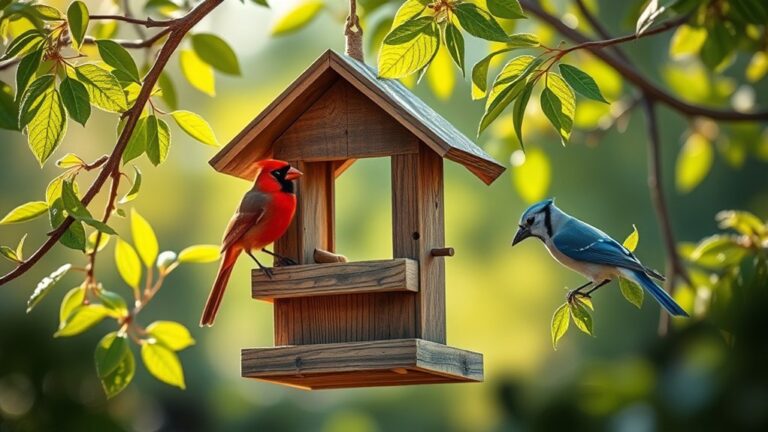
You can also hang charming accessories like birdhouses, signs, or wind chimes to create small moments of interest. Add weathered wood through fences, potting shelves, or edging, and let its softened surface blend naturally with flowers and greenery.
When you choose pieces with worn finishes and simple shapes, you’ll make your garden feel inviting, personal, and timeless without overdoing the effect.
Make the Most of a Small Cottage Garden
You can make a small cottage garden feel really abundant by using vertical growing spaces like trellises, obelisks, and wall planters. Just train climbers to grow upward, which frees up ground space for even more blooms. Then, try a layered planting design—stacking tall, medium, and low plants together—to create a full, lush look. It’s a simple way to make the most of every inch!
Vertical Growing Spaces
When floor space runs short, think upward and let fences, walls, and trellises do more of the work. You can turn tight beds into lively vertical planters and use space-saving solutions that keep your cottage garden open and easy to move through.
Add climbing structures for roses, peas, or beans. Mount wall gardens for herbs and compact flowers. Hang baskets near doors, patios, or sunny corners. Try trellis designs that support sweet peas and clematis. Lean decorative ladders with pots for quick display.
A vertical herb garden gives you fresh flavor without crowding the ground, while multi-level gardening helps you fit more beauty into urban cottage gardens. Keep supports sturdy, water often, and enjoy the extra growing room.
Layered Planting Design
Layered planting design takes the same space-saving spirit upward and spreads it across the ground in smart tiers. You can place taller shrubs or roses at the back, mid-height perennials in the center, and low growers along the edge to create depth without crowding.
Use companion planting to pair flowers, herbs, and vegetables that support each other, attract pollinators, and help limit pests. Try seasonal layering so something always blooms or fills in as others fade; spring bulbs, summer sages, and autumn asters keep the bed lively.
Mix textures and heights, but leave enough room for airflow and easy care. In a small cottage garden, this approach makes every square foot feel fuller, softer, and more abundant.
Keep Your Garden Low Maintenance
A cottage garden doesn’t have to mean constant upkeep; with a few smart choices, you can keep the look lush without spending every weekend pruning and weeding. Choose hardy perennials that return on their own, and group plants with similar water needs so you don’t waste time on extra care.
Mulch beds to suppress weeds, hold moisture, and reduce garden maintenance. Use self-seeding flowers sparingly so they fill gaps naturally without taking over. Keep pathways clear and borders defined, since tidy edges make seasonal upkeep easier and faster.
- Pick disease-resistant plants
- Add drip irrigation
- Deadhead only when needed
- Divide crowded plants occasionally
- Leave some seed heads for structure
You’ll spend less time troubleshooting and more time enjoying the relaxed charm of your garden. Focus on plants that thrive in your conditions, and your cottage style will stay beautiful with far less effort.
Refresh Your Cottage Garden by Season
Refresh your cottage garden with the seasons by swapping in plants that shine at different times of year. You’ll keep the border lively, and you won’t need a full redesign. Focus on seasonal blooms, then pair them with sturdy greenery for balance.
In spring, tuck in tulips and forget-me-nots. Summer calls for roses, salvia, and foxgloves. Autumn looks bright with asters and chrysanthemums, while winter benefits from hellebores and evergreen structure.
| Season | Best swaps |
|---|---|
| Spring | Tulips, primroses |
| Summer | Roses, foxgloves |
| Autumn | Asters, mums |
| Winter | Hellebores, evergreens |
| Year-round | Herbs, foliage |
Rotate containers near paths so you notice changes fast. Light garden maintenance, like deadheading and dividing crowded clumps, helps each planting perform better.
When you update a few spots each season, your garden stays fresh, colorful, and easy to enjoy all year.
Frequently Asked Questions
How Do I Choose a Cottage Garden Style for My Climate?
Choose plants that match your weather, and you’ll build a cottage garden that thrives. Start with plant selection based on your USDA zone, rainfall, heat, wind, and frost dates.
Then favor climate compatibility by picking native or adapted flowers, shrubs, and herbs that handle your conditions. If summers run hot, choose drought-tolerant blooms; if winters are cold, select hardy varieties.
Group plants with similar needs, and your garden’ll stay easier to maintain.
What Soil Conditions Suit Cottage Garden Plants Best?
You’ll get the best cottage garden plants in rich, loose soil that drains well and holds steady moisture. You should boost soil fertility with compost or well-rotted manure, since many blooms thrive in nutrient-rich ground.
Match each plant’s drainage needs so roots don’t sit in water. Aim for slightly acidic to neutral soil, and you can improve heavy clay by adding organic matter for easier growth and healthier flowers.
How Can I Attract Pollinators to a Cottage Garden?
You can attract pollinators by planting flowering plants in clusters, choosing native species, and keeping blooms available from spring through fall. Add lavender, salvia, cosmos, and foxglove for nectar. Avoid pesticides that harm bees and butterflies.
Include shallow water, sunny spots, and sheltered corners so insects feel welcome. Let some plants go to seed, and you’ll keep your cottage garden lively with buzzing visitors all season.
Which Cottage Garden Plants Are Deer Resistant?
You can plant deer resistant flowers like lavender, salvia, foxglove, and allium. Pair them with fragrant herbs such as rosemary, thyme, and sage for a border that feels soft but stands firm.
Deer browse lush hostas, yet skip these scented, textured choices. You’ll get color, fragrance, and resilience without constant spraying.
Add daffodils, yarrow, and lamb’s ear, and your cottage garden stays charming, not chewed.
How Do I Prevent Cottage Garden Plants From Spreading Too Much?
You can prevent cottage garden plants from spreading too much by dividing aggressive clumps, trimming seed heads, and using root barriers where needed. You should practice regular pruning to keep runners and self-seeders in check, and you can choose slower-growing varieties.
Companion planting also helps you fill gaps so spreaders don’t take over. Pull unwanted seedlings early, and you’ll keep your garden full, balanced, and easy to manage.
Conclusion
With a few cottage garden design ideas, you can turn even a plain yard into a blooming retreat that feels warm and inviting. Don’t worry if your space is small or your schedule is tight. Soft pathways, layered flowers, and a few vintage touches can do the heavy lifting for you.
Picture yourself sipping tea beside climbing roses and fragrant herbs, surrounded by effortless charm that changes beautifully with every season. These simple elements bring life and coziness to your outdoor space.
By incorporating these cottage garden design ideas, you’ll create a space that welcomes you and your guests with timeless beauty and comfort.