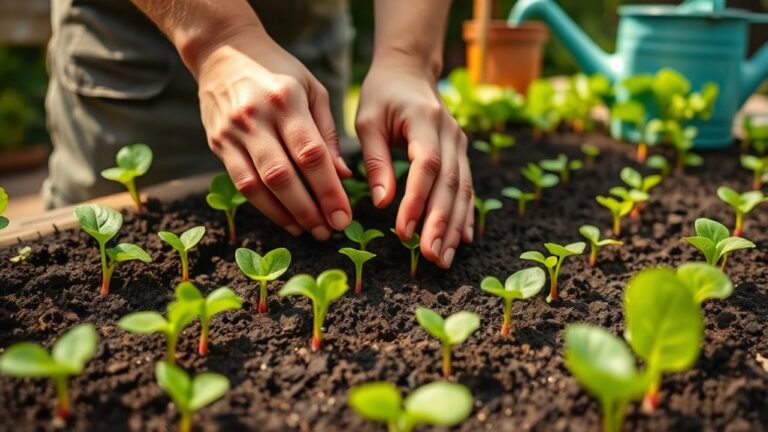
What Are the Benefits of Worm Castings for Plants?
If you’ve ever struggled to get your plants to grow strong and healthy despite your best efforts, you’re not alone. Many gardeners and plant lovers find it tough to provide the right nutrients without overfeeding or damaging the soil. Benefits of Worm Castings for Plants.
Finding a natural, effective way to boost plant growth can feel like a constant challenge.
Worm castings give your plants a gentle, slow-release boost of nutrients that supports steady growth without harsh feeding. They improve soil structure by making it lighter, crumbly, and better able to hold air and moisture, so roots can spread more easily.
They also feed beneficial microbes that help plants absorb nutrients more efficiently and strengthen overall health.
Used well, castings can make your garden or houseplants thrive, and there’s even more to uncover about how they work.
Key Takeaways
- Worm castings provide slow-release nutrients that support steady plant growth without overfeeding. This means your plants get just what they need, when they need it.
- They improve soil structure, creating better aeration and root penetration. Healthier roots mean stronger plants overall.
- They help retain moisture while still allowing good drainage, so your soil stays balanced and plants don’t get waterlogged.
- Worm castings boost beneficial microbes that make nutrients more available to plants. These tiny helpers play a big role in plant health.
- They contain humic compounds and balanced minerals that strengthen plants and reduce stress, helping them thrive even in challenging conditions.
What Are Worm Castings?
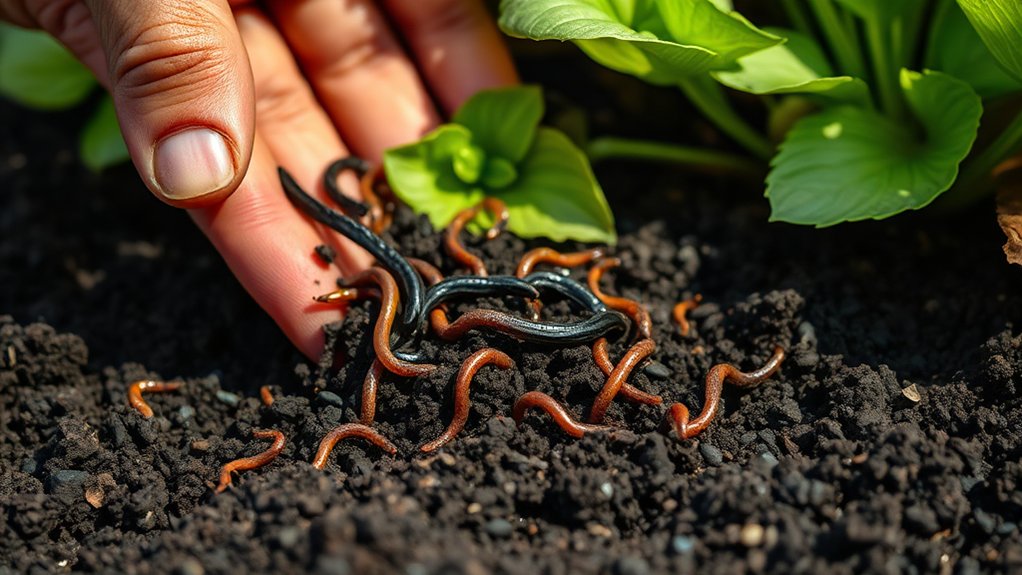
Worm castings are the nutrient-rich waste left behind by earthworms after they digest organic matter. You’ll often see them called vermicompost, and they’re a key product of worm farming.
When you manage a bin or bed, worms turn scraps like fruit peels, leaves, and paper into a dark, crumbly material that’s easy to handle. You don’t need to guess at its value either; gardeners prize it for its compost benefits and use it to enrich soil mixes, topdress containers, and support healthier growing conditions.
Unlike raw kitchen waste, worm castings are already processed by the worms, so they’re ready to use in the garden. You can collect them from finished worm beds, separate them from the worms, and apply them where your plants need a gentle organic amendment.
In short, worm castings are a simple, natural output of worm farming that helps you recycle waste efficiently.
Why Worm Castings Help Plants Grow
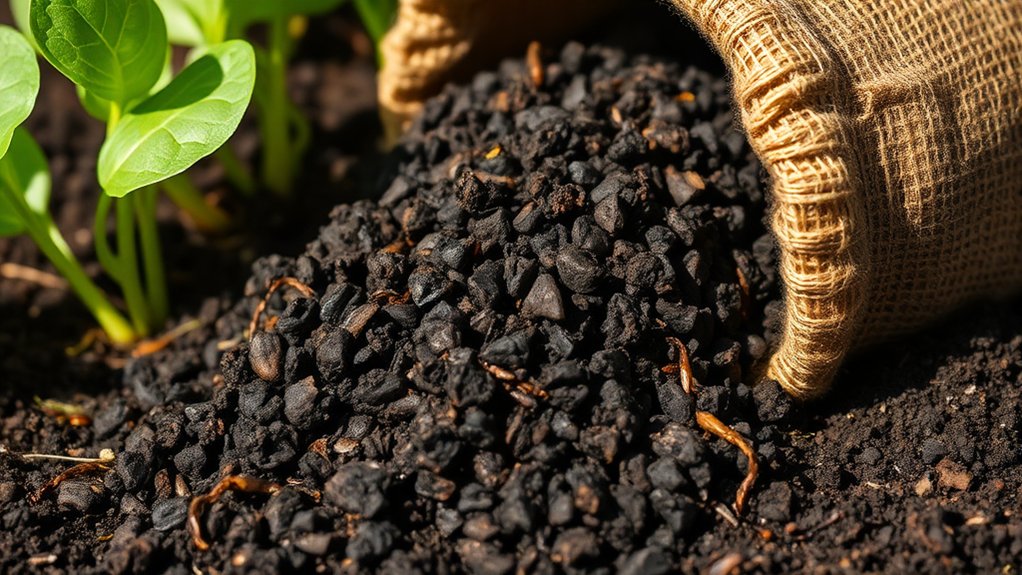
Because worm castings deliver nutrients in a gentle, plant-friendly form, they help roots take up what they need without the risk of burning. You give your plants a steady supply of usable nourishment, and that supports stronger plant growth over time.
Castings also feed beneficial microbes that keep the nutrient cycle active, so more nutrients stay available when your plants need them most. Instead of forcing a quick boost, they help your plants grow steadily and efficiently.
| Benefit | Effect on Plants |
|---|---|
| Slow-release feeding | Supports consistent growth |
| Microbial support | Improves nutrient availability |
| Humic compounds | Encourages nutrient uptake |
| Balanced minerals | Reduces stress on plants |
| Organic matter | Sustains long-term feeding |
When you use worm castings, you’re not just adding fertilizer; you’re helping create a system that keeps feeding your plants in a natural, dependable way.
How Worm Castings Improve Soil Structure

When you add worm castings to soil, they help improve its texture by creating small, crumbly aggregates that make it easier for roots to spread and breathe. You’ll notice the soil feels looser, not compacted, so water moves through it more evenly and puddles less often.
This better soil aeration gives roots access to oxygen, which supports healthier growth and stronger plant performance. Worm castings also boost moisture retention by helping the soil hold water in tiny spaces without turning soggy.
That means your plants can stay hydrated longer between waterings, especially in pots or raised beds. Because the soil structure becomes more balanced, it’s easier for you to work with and easier for plants to establish themselves.
Over time, this improved tilth creates a more stable growing environment that supports steady root expansion and resilient plants.
How Worm Castings Improve Nutrient Absorption
As castings break down in the soil, they make nutrients easier for roots to access and absorb. You benefit because worm castings release nitrogen, phosphorus, and potassium slowly, so your plants can use them without waste.
They also raise nutrient availability by holding minerals near the root zone and reducing leaching after watering. Microbial interactions do more work for you too: helpful microbes in castings convert organic matter into forms plants can take up faster.
| Factor | What you notice | Plant benefit |
|---|---|---|
| Slow release | Steady feeding | Less nutrient loss |
| Microbes | Active soil life | Faster nutrient conversion |
| Mineral binding | Nutrients stay available | Better uptake |
When you mix castings into potting soil or top-dress containers, you give your plants a reliable nutrient source. That means fewer feeding gaps and healthier growth over time, with less guesswork on your part.
How Worm Castings Support Strong Roots
Worm castings help your plants build stronger roots by improving soil structure and creating a better environment for root growth. When you mix them into your soil, you add fine, crumbly material that helps roots spread easily and reach deeper.
This loose structure improves water retention without making the soil soggy, so your roots can stay hydrated and breathe at the same time. As a result, you support steady root development and reduce stress on young plants.
Worm castings also supply nutrients in a gentle, readily available form, which helps roots expand without burning. Their balanced texture makes it easier for new roots to anchor firmly, giving your plants better stability.
Worm castings provide gentle nutrients and a balanced texture that helps roots grow strong and anchor securely.
You’ll also notice that healthy roots can take up water more efficiently, which supports stronger top growth later. Over time, this creates a more reliable foundation for vigorous, resilient plants and better establishment after transplanting.
Why Worm Castings Boost Soil Life
Because worm castings are packed with beneficial microbes, they help awaken and support the living system in your soil. You give those organisms a rich, ready food source that encourages microbial diversity and keeps nutrients moving through the root zone.
As microbes multiply, they break down organic matter more efficiently, release plant-available nutrients, and build a healthier soil food web. That activity also improves soil structure, so air and water can move more freely around roots.
You’ll notice stronger biological balance, because worm castings help beneficial fungi and bacteria outcompete harmful pathogens. Over time, this steadier underground activity supports better soil health and creates conditions where plants can flourish with less stress.
Instead of feeding only your plants, you’re feeding the entire ecosystem beneath them, and that living network keeps working long after the castings disappear from view.
How to Use Worm Castings in Your Garden
Once you understand how worm castings support soil life, the next step is using them in ways your plants can actually benefit from. You can mix them into potting soil, sprinkle them around existing plants, or brew them into compost tea for a gentle nutrient boost. With worm composting, you can even make your own supply and keep waste out of the trash.
- Blend a small amount into seed-starting mixes for better texture.
- Top-dress containers so rain and watering carry nutrients downward.
- Steep castings in water to make compost tea for feeding roots.
You don’t need much; a little goes a long way. Because castings release nutrients slowly, they help you feed plants without overdoing it. If you’re building healthier soil over time, use them regularly and pair them with good watering habits.
That steady approach keeps your garden productive, balanced, and easier to manage.
Using Worm Castings for Vegetables and Flowers
Whether you’re growing tomatoes, lettuce, roses, or zinnias, worm castings can give both vegetables and flowers a gentle, steady boost. You can mix a handful into planting holes, side-dress around established plants, or blend them into potting soil for an easy nutrient upgrade.
For vegetables, castings support growth by feeding roots with slow-release nutrients and helpful microbes that improve soil structure. That means stronger stems, better leafy growth, and more reliable harvests.
For flowers, they help promote health by encouraging vigorous roots, richer blooms, and longer-lasting color. You don’t need much; a little goes a long way, and overapplying won’t speed things up.
Instead, apply a thin layer, water it in, and let the biology do the work. Used regularly, worm castings can help your beds stay productive and beautiful throughout the season.
Using Worm Castings for Houseplants
You can mix worm castings right into your potting soil to give your houseplants a gentle, steady nutrient boost. It’s an easy way to help them thrive indoors.
Another option is to top-dress the soil with a thin layer of worm castings. This way, as you water, the nutrients slowly reach the roots.
Just this simple step can really help boost your plants’ growth and keep them healthier overall. It’s a small change with great results!
Mixing Into Potting Soil
A simple way to use worm castings for houseplants is to mix them directly into potting soil before planting or repotting. You can blend them into your potting mix as one of the best soil amendments for steady, gentle feeding.
Aim for about 10% to 20% castings by volume, then combine everything evenly so roots meet a consistent nutrient source. This approach helps improve texture, support moisture retention, and encourage healthier root growth without relying on harsh fertilizers.
Add castings before you fill the container. Mix thoroughly to avoid clumps. Adjust the ratio for sensitive plants.
When you refresh your plants this way, you give them a stronger start and create a richer growing medium that supports long-term indoor growth.
Top-Dressing Houseplants
Top-dressing is an easy way to feed houseplants without disturbing the roots. Just spread a thin layer of worm castings over the soil surface, then water it in so nutrients can move down to the root zone.
You can repeat this every few weeks during the growing season to support steady plant health. The castings release nutrients slowly, so your plants get a gentle boost without the risk of overfeeding.
They also improve nutrient retention in the potting mix, helping moisture and minerals stay available longer between waterings. For best results, keep the layer light and even, and avoid piling it against stems.
This simple habit works well for ferns, pothos, peace lilies, and other container plants that appreciate consistent care, healthier leaves, and stronger roots.
Boosting Indoor Growth
To give houseplants a stronger start indoors, mix worm castings into potting soil or use them as a light surface feed to keep nutrients steadily available. In indoor gardening, you’ll notice steadier growth, richer foliage, and fewer stress swings when roots can access gentle, natural nutrition.
Castings improve moisture retention too, so your pots won’t dry out as fast between waterings. For better plant health, focus on these benefits:
- Feed roots without burning them
- Support beneficial microbes in the soil
- Improve nutrient uptake over time
You can refresh the top layer every few weeks, then water lightly so nutrients move into the root zone. With consistent care, your plants respond with stronger stems, healthier leaves, and more reliable indoor growth year-round.
Common Mistakes to Avoid With Worm Castings
Although worm castings are one of the safest soil amendments you can use, a few common mistakes can reduce their benefits or even cause problems for your plants. You might think more is better, but overapplying castings can make potting mix too dense and hold too much moisture, especially in small pots.
When you’re choosing containers, keep in mind that drainage still matters; castings won’t fix a pot with no escape for excess water. Don’t use them as a complete soil replacement, either. Plants still need structure, air, and balance from quality soil or compost.
Also, avoid piling castings directly against stems or roots, since that can encourage rot. For best results, mix a modest amount into soil, top-dress lightly, and water normally. If you keep the ratio sensible and match it to the plant’s needs, you’ll get healthier growth without the setbacks that come from misuse.
Frequently Asked Questions
How Often Should Worm Castings Be Reapplied to Plants?
You should reapply worm castings every 4 to 6 weeks during active growth, then cut back in cooler or dormant periods. For potted plants, top-dress lightly and water in. For garden beds, mix them into the topsoil.
Your worm castings frequency depends on plant type, soil quality, and growth rate. Follow simple application tips: use small amounts, avoid overdoing it, and refresh more often for hungry, fast-growing plants.
Can Worm Castings Replace All Other Fertilizers?
No, you can’t rely on worm castings alone for every plant’s needs. They’re like a slow, steady rain nourishing thirsty ground, but they don’t deliver the full nutrient balance many crops need.
You’ll boost soil health, improve microbes, and feed roots gently, yet you may still need additional fertilizer for heavy feeders or poor soils. Use castings as a strong foundation, then adjust with targeted nutrition when growth demands it.
Do Worm Castings Have an Expiration Date?
Yes, worm castings don’t really have a strict expiration date, but you should store them well. You’ll keep their nutrient retention and microbial activity strongest when you leave them cool, dry, and sealed.
Over time, they can lose potency or develop mold if they get wet. Fresh worm castings also improve soil structure better than old, compacted material, so use them within a year for best results.
Are Worm Castings Safe for Seedlings?
Yes, worm castings are safe for seedlings when you use them lightly. You can mix a small amount into your seed-starting soil or top-dress young plants to support seedling growth without overwhelming roots.
Their gentle nutrients and beneficial microbes improve nutrient absorption, helping seedlings develop strong stems and healthy leaves. Don’t overdo it though; too much can still compact soil or hold excess moisture around delicate roots.
Can Worm Castings Attract Pests Indoors?
Yes, worm castings can attract pests indoors if you leave them damp or exposed, like a tiny buffet on your shelf. In indoor gardening, you’ll keep pests away by storing castings in sealed containers, mixing them well into soil, and avoiding overwatering.
Good pest control means checking for gnats, mites, or flies, then using clean tools and dry surfaces. Used properly, castings shouldn’t invite trouble into your home.
Conclusion
So, what do worm castings really do for your plants? They quietly transform your soil, helping roots spread, nutrients flow, and growth take off in ways you can’t always see at first.
Whether you’re feeding vegetables, flowers, or houseplants, you’re giving them more than a boost. You’re giving them a hidden advantage. And once you start using worm castings, you may notice something surprising: your garden doesn’t just grow better, it begins to thrive with the real benefits of worm castings.