7 Tips on When You Should Stop Feeding Birds Safely
If you love feeding birds but wonder when it’s time to stop, you’re not alone. Many people struggle with knowing the right moments to pause, so their feathered friends stay healthy and independent without becoming too reliant on feeders.
You should stop feeding birds during migration, nesting, or when natural food is plentiful to encourage their independence and healthy foraging. Watch for signs like fewer feeder visits or better feather condition, which mean they’re finding natural food again.
Avoid feeding when weather warms, and reduce food gradually to prevent stress. Also, follow local rules and never offer spoiled or risky foods.
Keep these tips in mind to help you care responsibly—you’ll find even more helpful advice ahead.
Key Takeaways
- Stop feeding birds during migration to avoid disrupting their natural travel and feeding behaviors.
- Cease feeding in nesting season to support chicks learning survival skills from natural sources.
- Stop feeding when natural food is abundant to encourage birds’ independence and natural foraging.
- Gradually reduce feeding to prevent sudden stress or dependency issues in birds.
- Follow local guidelines and seasonal restrictions to ensure ethical and safe bird feeding practices.
Why And When To Stop Feeding Birds
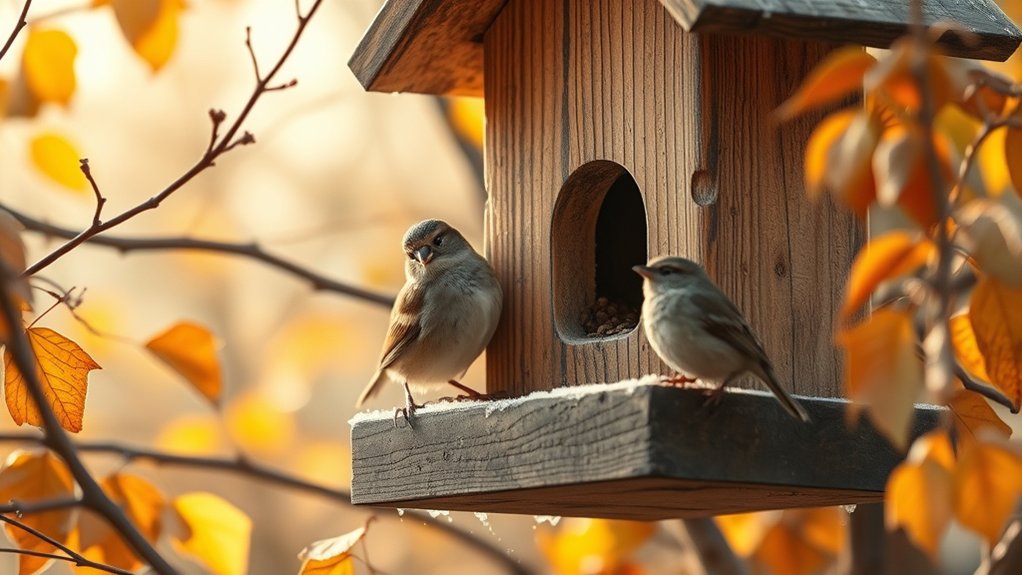
Although feeding birds can be rewarding, you should know when to stop to protect their health and natural habits. One vital time to pause is during bird migration. When birds migrate, they rely on natural food sources to fuel their long journeys.
Feeding them during this period can disrupt their natural behaviors and make them dependent on your offerings. Likewise, during the nesting season, it’s best to limit feeding. Birds need to forage naturally to teach their young essential survival skills.
If you keep feeding them, you might unintentionally interfere with their ability to care for and feed their chicks. Stopping at these essential times helps birds maintain their independence, supports their natural cycles, and prevents unhealthy reliance on human food.
How Seasonal And Weather Changes Affect Bird Feeding
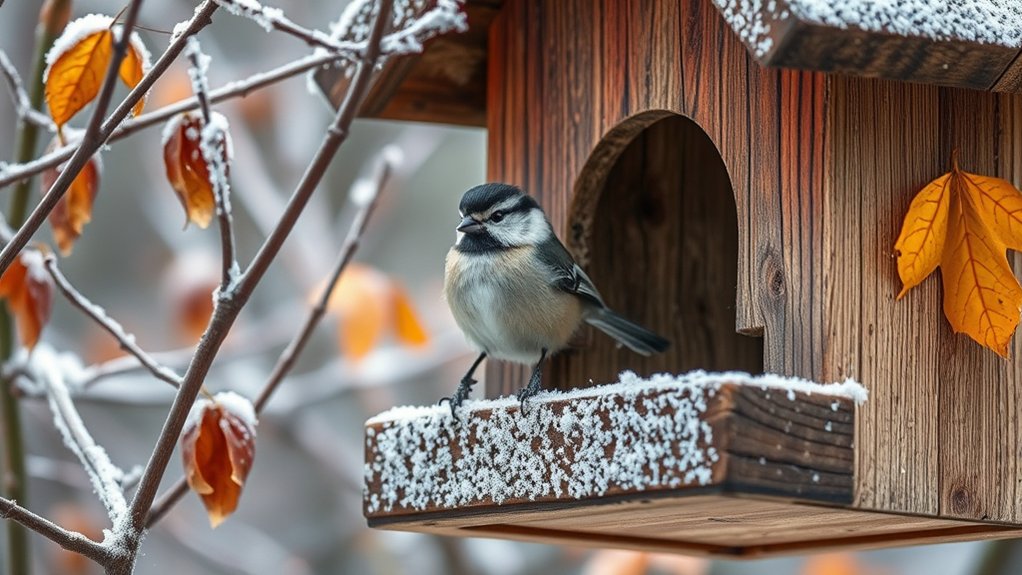
You’ll notice that temperature changes can really affect how often birds need your help with food. When the seasons shift, natural food sources might become scarce or plentiful, which changes their feeding habits. So, by paying attention to these weather patterns, you can figure out the best times to keep feeding them or when it might be okay to pause.
Impact Of Temperature Fluctuations
When temperatures drop suddenly or shift with the seasons, birds’ feeding habits change, and so should yours. Temperature effects play a big role in how birds adapt their behavior to survive. During colder spells, they eat more frequently to maintain energy, so you might need to refill feeders more often.
In warmer periods, birds naturally find more food and forage less at feeders. Your feeding routine should reflect these seasonal adaptations to support birds appropriately without creating dependency. Also, fluctuating temperatures can affect which bird species visit your feeder, as some migrate or alter their patterns based on climate.
Seasonal Food Availability
Temperature changes not only influence how often birds eat but also affect the availability of natural food sources throughout the year. You should consider seasonal shifts when deciding to feed birds.
During colder months, natural seeds and insects become scarce, making your feeders essential. As migration patterns kick in, many birds leave or arrive, altering your local bird population.
Nesting behaviors in spring also impact feeding needs, as parent birds require more energy.
Keep these points in mind:
- Winter scarcity increases reliance on feeders.
- Spring nesting boosts food demand.
- Summer abundance reduces feeder visits.
- Fall migration changes species and numbers seen.
Signs Birds Are Finding Natural Food Again
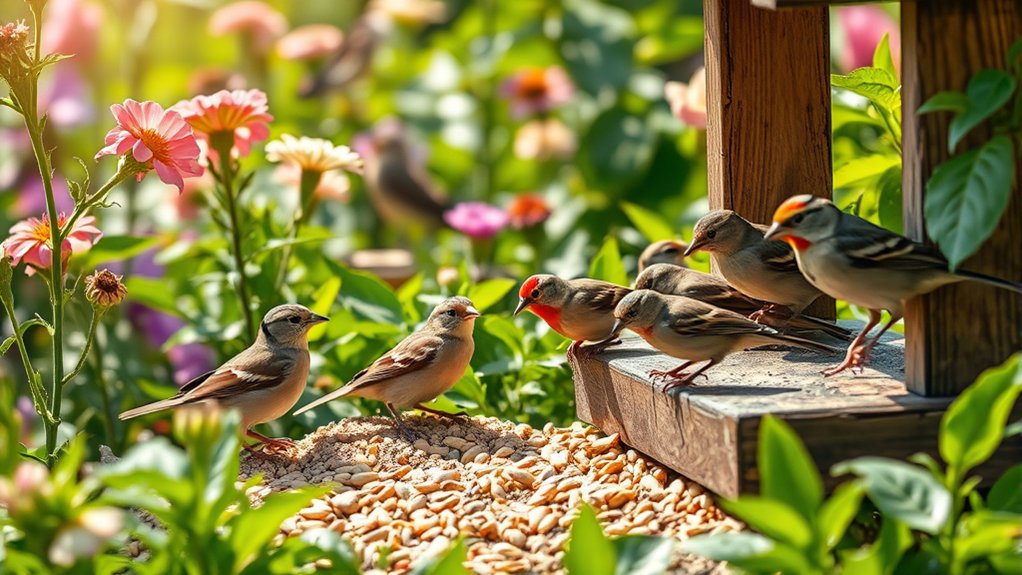
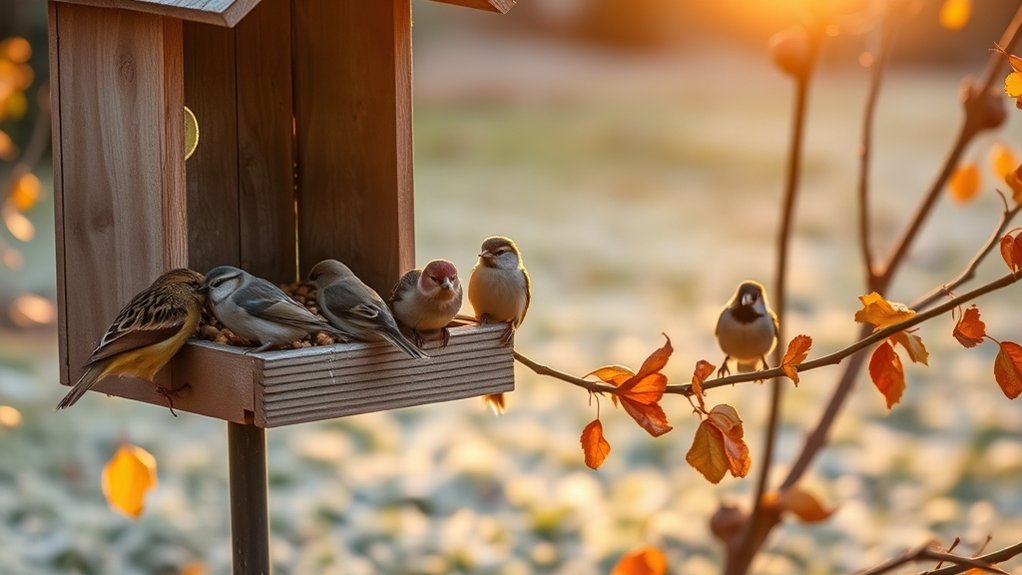
Although supplemental feeding supports birds during tough times, you’ll notice signs that they’re finding natural food again. One clear indicator is improved feather health. As birds access more natural diets rich in nutrients, their plumage becomes vibrant and well-maintained.
You might also observe changes in their behavior tied to migration cues. Birds preparing to migrate tend to reduce feeder visits as they forage more actively to build fat reserves. Increased activity in natural habitats, like bushes or trees, signals they’re relying less on feeders.
Furthermore, you may see fewer birds at feeders during daylight hours, especially if native seeds, berries, and insects become abundant. Watching for these signs helps you understand when birds are thriving independently.
Recognizing When Birds Become Too Dependent On Feeding
Noticing birds returning to natural food sources is a positive sign, but it’s also important to watch for behaviors that suggest they’re relying too much on your feeders. When bird dependency increases, it can disrupt their natural foraging habits and survival skills.
To help you spot this, here are four signs to watch for:
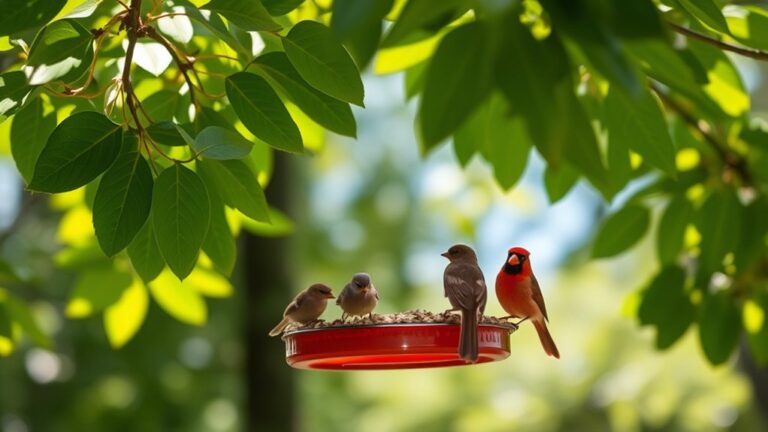
- A sudden increase in feeding frequency, with birds visiting your feeders multiple times a day.
- Birds showing little interest in exploring nearby natural food, even when it’s available.
- Aggressive behavior around feeders, indicating competition for a limited, relied-upon food source.
- Flock sizes growing unnaturally large near your feeding area, suggesting they depend on your supply rather than spreading out.
Understanding Local Rules For Backyard Bird Feeding
Before you start or continue feeding birds in your backyard, you should check local regulations to make sure you’re following the rules. Many communities have guidelines about feeding frequency and bird feeder placement to protect local wildlife and prevent health issues.
Check local rules before feeding birds to ensure safe practices and protect wildlife in your community.
Some areas limit how often you can refill feeders or restrict feeding during certain seasons to avoid attracting pests or causing bird dependency. You’ll also find rules about where to place feeders to reduce risks such as window collisions or attracting unwanted animals like rodents.
Following these regulations helps maintain a safe environment for birds and your neighborhood. By respecting feeding frequency limits and placing feeders thoughtfully, you support birds’ natural behaviors without causing harm.
Taking a moment to understand local laws ensures you feed birds responsibly and legally. This way, you contribute positively to your local ecosystem while enjoying backyard birdwatching safely and sustainably.
How To Gradually Reduce Bird Feeding Without Stress
Once you’ve familiarized yourself with local feeding guidelines, you might find it necessary to reduce how often you fill your feeders. Doing this gradually helps birds adjust naturally, respecting their bird migration patterns and nesting behaviors.
Here’s how to ease the shift:
- Start by decreasing the amount of food you offer each week.
- Space out your feeding times to encourage birds to forage elsewhere.
- Remove feeders on days when natural food sources are abundant.
- Observe birds’ activity to confirm they’re adapting without distress.
Foods To Avoid When Feeding Birds Year-Round
You’ve got to be careful about what you offer birds throughout the year because some foods can actually be toxic or harmful. Plus, seasonal changes can make certain treats risky at different times. And watch out for moldy or spoiled food—that’s especially dangerous. So, let’s take a look at which foods you should avoid to keep those birds safe and healthy.
Toxic Foods To Birds
Although feeding birds can be a rewarding experience, you need to avoid offering certain foods that can harm them. Understanding bird nutrition is key to maintaining their health and determining appropriate feeding frequency. Some common toxic foods include:
- Avocado contains persin, which can cause heart damage in birds.
- Chocolate has theobromine, toxic to birds and can lead to seizures.
- Onions and garlic can cause red blood cell damage and digestive issues.
- Caffeine and alcohol are dangerous even in small amounts because birds are very sensitive to them.
Avoid these to keep your feathered visitors safe and healthy. Stick to bird-friendly seeds and fruits recommended for year-round feeding. This helps support proper bird nutrition and prevents harmful feeding frequency mistakes.
Seasonal Food Risks
Birds’ dietary needs change with the seasons, so it’s important to recognize which foods become risky at certain times of the year. During migration patterns, birds need high-energy foods, but feeding them fatty or sugary treats can cause harm.
Likewise, during bird nesting season, avoid offering foods that attract predators or disrupt natural feeding habits.
| Season | Risky Food | Reason |
|---|---|---|
| Spring | Bread | Low nutrition, attracts pests |
| Summer | Fatty seeds | Can cause obesity during nesting |
| Fall | Sugary fruits | May disrupt migration energy |
| Winter | Moldy grains | Spoilage risk increases |
| Year-round | Salty snacks | Dehydrates and harms birds |
Avoid these seasonal risks to keep birds healthy year-round.
Moldy And Spoiled Dangers
When feeding birds, it’s essential to steer clear of moldy and spoiled foods since they can cause serious health issues. Mold prevention is crucial because moldy seeds or bread can produce toxins harmful to birds’ digestive systems.
Spoiled food not only loses nutritional value but also invites bacteria, increasing the risk of infections.
To keep birds safe, avoid these:
- Moldy bread or baked goods
- Damp or clumped seeds
- Rotten fruits or vegetables
- Any food left outside too long, becoming spoiled food
Always inspect bird feed before offering it and store it in dry, sealed containers. By practicing mold prevention and discarding spoiled food promptly, you protect birds from illness and help them thrive year-round.
Frequently Asked Questions
What Types of Bird Feeders Are Safest to Use?
You should choose bird feeders made from durable, non-toxic materials like metal or thick plastic to keep birds safe. Avoid feeders that trap moisture or mold seed types because wet seeds can harm birds.
Tube feeders are great for small seed types like sunflower or millet. Platform feeders work well for mixed seeds.
Make sure your feeder is easy to clean so you can prevent disease and keep your feathered friends healthy.
How Can I Attract Specific Bird Species to My Yard?
To attract specific bird species, you’ll want to offer the right food and habitat. Research the birds’ preferences for seed types and feeders.
Plant native shrubs or trees to encourage nest building, providing shelter and materials. During bird migration seasons, offer fresh water and varied food to support their journey.
What Time of Day Is Best for Feeding Birds?
Feeding birds early morning is like catching the first light of dawn. It’s when they’re most active and hungry after overnight fasting. During bird migration, this timing is essential as they need extra energy.
Seasonal feeding also benefits from morning routines since birds replenish quickly. This helps them survive changing conditions. So, start feeding at sunrise to support their natural habits and boost their energy for the day ahead.
Can Feeding Birds Impact Local Insect Populations?
Yes, feeding birds can cause insect disruption because it might reduce the birds’ need to hunt insects naturally. When you feed them regularly, you could unintentionally affect the ecosystem balance by decreasing predation on insects, which might lead to insect population surges.
To keep the ecosystem balanced, it’s important you feed birds thoughtfully and not overly rely on supplemental food, allowing them to maintain their natural role in controlling insect populations.
How Do I Clean Bird Feeders to Prevent Disease?
You should clean bird feeders regularly to prevent seed contamination and disease spread. Start by emptying the feeder and scrubbing it with hot, soapy water. Rinse thoroughly and let it dry completely before refilling.
For thorough feeder maintenance, disinfect with a solution of one part bleach to nine parts water every couple of weeks, especially in damp weather. Keeping feeders clean protects birds and keeps seed fresh, reducing health risks.
Conclusion
Remember, “don’t put all your eggs in one basket” when feeding birds. You want to support them without making them dependent on your backyard buffet. Pay attention to signs they’re finding natural food again and respect local rules.
Gradually cutting back feeding during seasonal changes helps keep them healthy and independent. By doing this thoughtfully, you’re helping birds thrive year-round safely and naturally while still enjoying their cheerful visits.
Stopping feeding birds safely ensures they remain strong and self-sufficient throughout the year.