5 Best Vegetables to Grow at Home
Trying to grow your own vegetables at home can feel overwhelming, especially if you’re new to gardening. You’re not alone—many people struggle with picking the right plants that are both easy to care for and rewarding to harvest.
But with the right choices, you can enjoy fresh veggies without the hassle.
The 5 best vegetables to grow at home are tomatoes, lettuce, zucchini, green beans, and easy starter crops like bush beans. You can grow them in beds, pots, or window boxes with basic care.
Tomatoes give steady harvests, lettuce grows fast, zucchini can be highly productive, and green beans keep producing when you pick often.
If you want simple wins, these vegetables fit beginner gardens well and can show you which varieties work best for your space.
Key Takeaways
- Lettuce grows quickly, needs little space, and can be harvested leaf by leaf for weeks.
- Bush or pole green beans are easy to grow and produce more pods with regular picking.
- Zucchini is highly productive, making it a great choice for small home gardens.
- Tomatoes thrive in containers or beds with full sun, support, and steady care.
- These vegetables suit beginners because they grow fast, handle common garden conditions, and need minimal maintenance.
What Makes a Vegetable Easy to Grow?
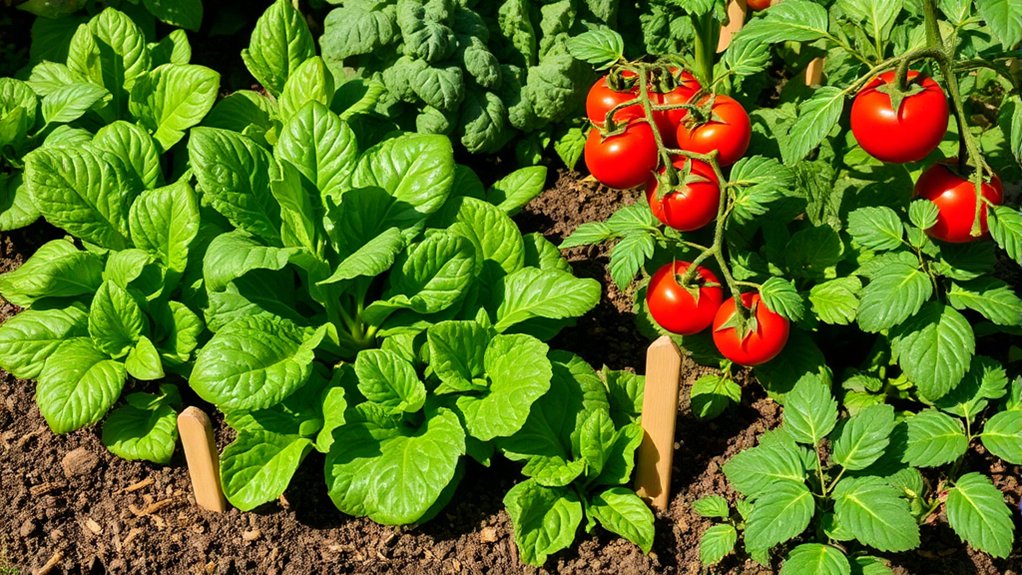
A vegetable is easy to grow when it doesn’t demand much fuss from you. You want plants that sprout quickly, handle a range of weather, and recover well if you miss a watering or two.
Good choices usually need little staking, pruning, or pest control, so you can focus on learning instead of troubleshooting. If you’re short on space, container gardening can help you manage soil, sunlight, and moisture more easily.
You also want beginner friendly varieties that mature fast and stay productive without constant attention. Look for vegetables that tolerate average garden soil, resist common problems, and don’t need special feeding schedules.
When a plant fits your routine, you’re more likely to keep up with it and enjoy the harvest. Easy vegetables reward steady care without asking for perfection, which makes them ideal when you’re just starting out.
Tomatoes for Reliable Home Harvests

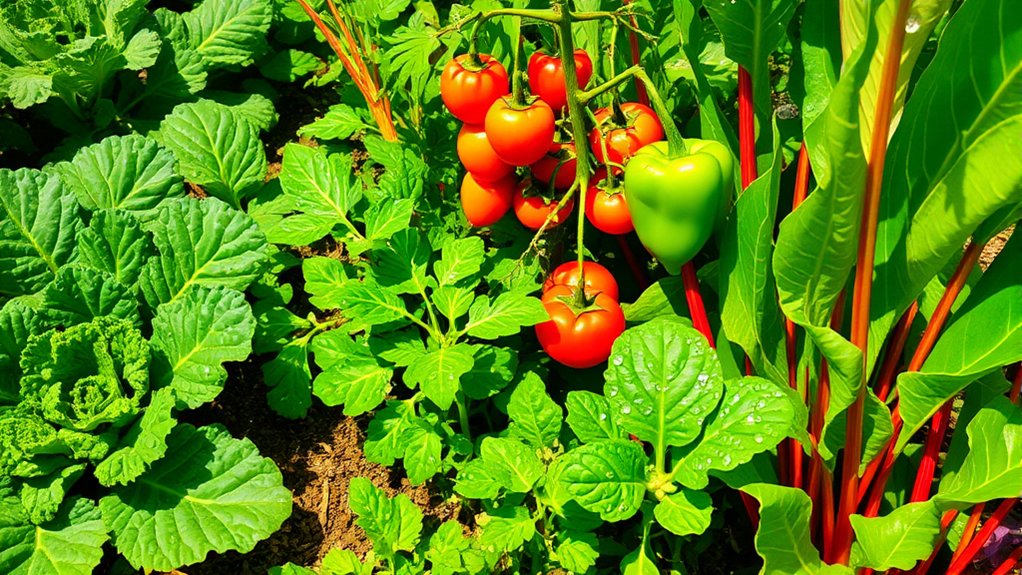
Tomatoes can be one of the most rewarding vegetables to grow at home because they give you a steady harvest once they get established. You can choose compact types for container gardening or larger plants for garden beds, as long as you give them full sun, rich soil, and steady watering.
Support each plant early with a stake or cage so the stems stay upright and fruit stays off the ground. If you want richer flavor, try heirloom varieties, which often deliver unique colors and tastes.
Feed your plants lightly, prune lower leaves for better airflow, and watch for pests before they spread. With consistent care, you’ll pick ripe tomatoes for weeks, making them a dependable choice for salads, sauces, and fresh snacks straight from your own yard.
Lettuce for Fast, Fresh Pickings
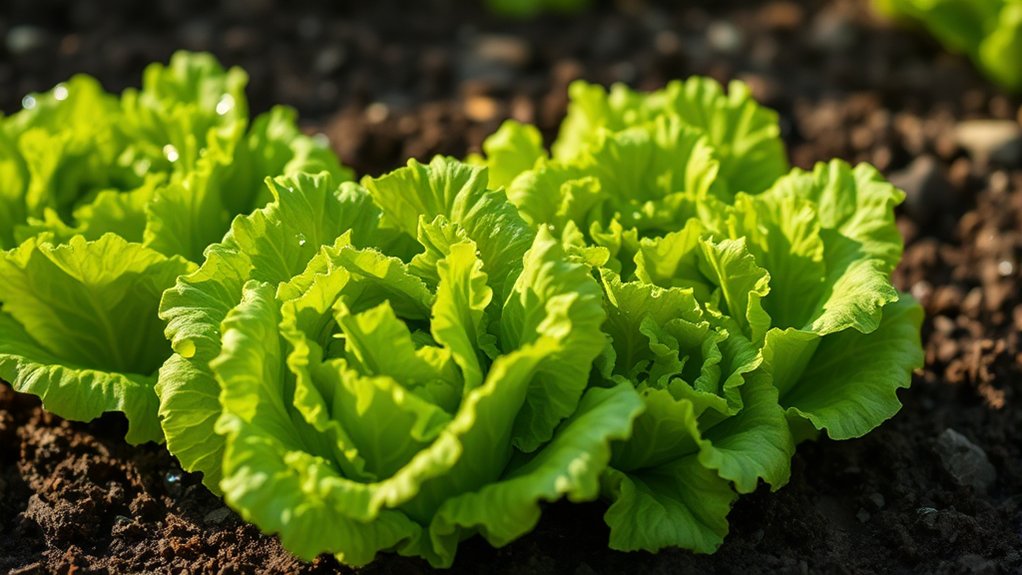
Lettuce is one of the quickest vegetables you can grow at home, and it’s ideal if you want fresh harvests without waiting long. You can sow seeds directly in beds, containers, or window boxes, then start cutting young leaves in just a few weeks.
Choose looseleaf, romaine, or butterhead salad varieties to extend your harvest and enjoy different textures. Keep the soil consistently moist and give plants partial shade when temperatures rise, because heat can make leaves bitter.
For continuous picking, sow small batches every couple of weeks instead of planting all at once. You’ll also get better results if you thin seedlings early so each plant has room to grow.
Watch for slugs, aphids, and other common pests, and use simple pest management like handpicking, row covers, or neem spray. With a little attention, you’ll enjoy crisp, homegrown lettuce again and again.
Zucchini for High Yields in Small Spaces
If you want big harvests from a small garden, zucchini is one of the best vegetables to grow. You can plant it in a roomy container, a raised bed, or a corner of your yard, and it’ll still reward you fast.
Start with rich soil preparation: mix compost into well-drained soil and choose a spot with full sun. Give each plant enough space so air can move freely, which helps reduce disease and makes picking easier.
Mix compost into well-drained soil and plant zucchini in full sun with plenty of space.
Water at the base to keep leaves dry, and mulch to hold moisture in place. For pest management, check leaves often for squash bugs and beetles, then remove them early by hand or use row covers while plants are young.
Harvest zucchini when the fruits are small and tender; if you leave them too long, production slows. With steady care, you’ll get a generous crop from just a few plants all season.
Green Beans for Continuous Harvests
Green beans are a smart choice when you want steady harvests through the season, because the more you pick, the more they produce. You can grow bush types for quick results or pole beans if you want a longer picking window.
Plant them in full sun and loose, well-drained soil, then sow seeds directly after frost so you don’t disturb their roots. Good growing tips include watering at the base, mulching to hold moisture, and spacing plants so air moves freely through the leaves.
Keep picking every few days once pods reach pencil thickness; this keeps plants flowering and setting new beans. For pest management, watch for aphids, bean beetles, and slugs, and remove damaged leaves early.
You can also use row covers while plants are young. With regular care, your beans will reward you with crisp, tender harvests again and again all summer long.
Frequently Asked Questions
Which Vegetables Grow Well in Shady Balconies?
You’ll do well with leafy greens on shady balconies. Try shade-loving varieties like lettuce, spinach, arugula, kale, and Swiss chard, plus herbs such as parsley and mint.
You can also grow radishes and scallions if light is limited. Use balcony gardening tips like choosing deep pots, rich compost, and steady watering.
You’ll get healthier harvests by rotating containers and trimming nearby plants that block even more light.
How Often Should Home Garden Vegetables Be Fertilized?
Like a steady rain feeding thirsty roots, you should fertilize home garden vegetables every 2 to 4 weeks during active growth. Use organic fertilizers to keep soil healthy and release nutrients gently.
Adjust nutrient timing by crop: leafy greens may need lighter, frequent feedings, while fruiting vegetables often want a boost when flowering starts. You’ll get better results if you water first and avoid overfeeding, which can burn plants.
What Soil pH Is Best for Most Garden Vegetables?
You’ll get the best results when you keep your soil pH levels between 6.0 and 7.0 for most garden vegetables. Test your soil first because soil testing tells you whether you need lime to raise pH or sulfur to lower it.
Most vegetables absorb nutrients best in this slightly acidic range, so your plants can grow stronger, produce better, and stay healthier throughout the season.
Which Vegetables Tolerate Drought Best in Containers?
You’ll find peppers, eggplants, cherry tomatoes, and bush beans handle container drought best, especially drought resistant varieties bred for heat. Add mulch, use deep pots, and water early with these container gardening tips.
Don’t let thirst steal your harvest. Choose herbs like thyme, rosemary, and oregano, too. You’ll keep roots cooler and soil moister if you group pots, so your garden endures dry spells with less stress and more flavor.
When Should Seeds Be Started Indoors for Spring Planting?
Start seeds indoors about 6 to 8 weeks before your last spring frost date, but you should check each crop’s timing first. You’ll get the best results if you match seed germination tips to each variety and provide strong indoor lighting requirements right away.
Keep seedlings warm, moist, and well lit, then harden them off before transplanting. Faster growers may only need 4 weeks; slower ones might need 10.
Conclusion
Growing your own vegetables can make your garden feel a little more rewarding and a lot more delicious. When you choose easy growers like tomatoes, lettuce, zucchini, and green beans, you give yourself a better shot at steady harvests without too much fuss.
Even if a plant has a rough patch, you can still coax it along and enjoy the process. Start small, keep tending, and you’ll soon have fresh produce right outside your door. Growing your own vegetables is truly one of the best ways to enjoy homegrown goodness every day.