5 Indoor Gardening Ideas for Small Spaces
Struggling to create a green oasis in your small living space? You’re not alone. Many people find it challenging to grow plants indoors when space is limited, but that doesn’t mean you have to give up on your indoor gardening dreams. Indoor Gardening Ideas.
With a few clever ideas, you can transform even the tiniest apartment into a thriving indoor garden.
You can turn even a small apartment into a thriving indoor garden with five smart ideas. Use shelves, corners, and tabletops for compact plants, and try miniature succulents or stacked planters for veggies.
Grow windowsill herbs like basil, parsley, and thyme in pots with drainage.
Hang lightweight planters to save floor space, and add vertical wall gardens for more greenery.
Keep plants healthy with proper watering, light, and rotation, and there’s plenty more to discover.
Key Takeaways
- Use shelves, corners, and tabletops for compact indoor gardens with miniature succulents or small vegetables.
- Grow herbs on windowsills in pots with drainage. Choose basil, parsley, chives, mint, or thyme.
- Hang lightweight planters from hooks or brackets to add greenery without using floor space.
- Install vertical gardens with wall-mounted pockets, stacked shelves, or trellises to maximize unused wall space.
- Water carefully, rotate pots weekly, and group plants with similar needs to keep small-space gardens healthy.
Indoor Gardening Ideas for Small Spaces

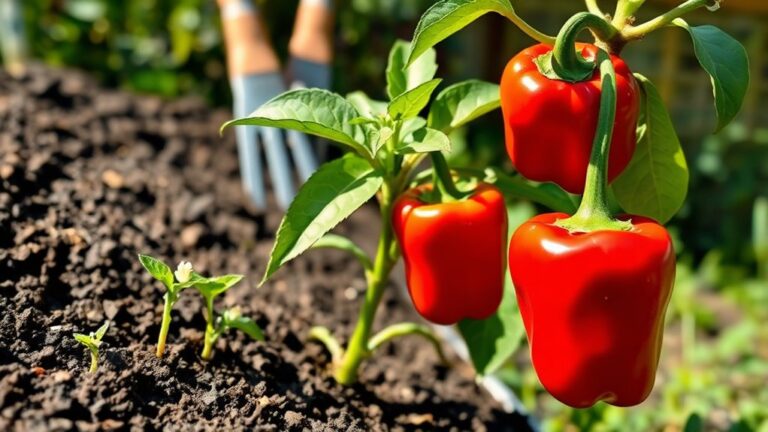
When space is tight, you can still build a thriving indoor garden by choosing smart, compact solutions that fit your home. You can turn shelves, corners, and tabletops into productive growing spots with containers that don’t crowd your room.
Choose miniature succulents for low-maintenance greenery that adds texture without demanding much space. If you want something more rewarding, grow compact vegetables in small pots or stacked planters, and place them where they get steady light.
Use vertical racks, hanging planters, and wall-mounted pockets to expand your growing area without sacrificing floor space. Pick lightweight pots with drainage, and rotate them so each plant gets even exposure.
You’ll also save room by grouping plants with similar needs together. With a little planning, you can enjoy fresh growth, visual interest, and a garden that feels organized, efficient, and perfectly scaled to your space.
Windowsill Herbs That Thrive Indoors
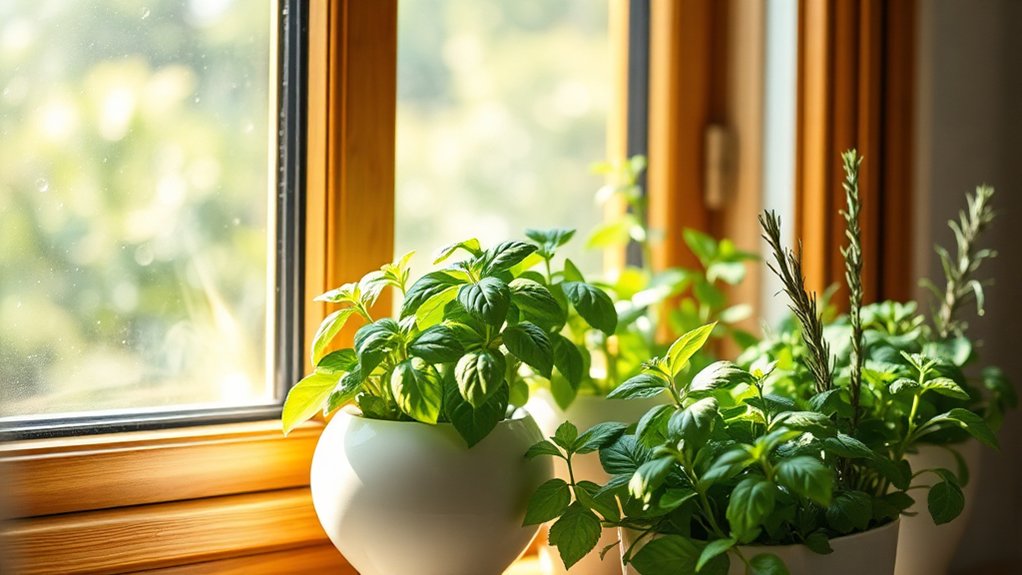
If you want your indoor garden to be both useful and easy to maintain, a sunny windowsill is the perfect place to grow fresh herbs. Start with herb selection that suits your cooking and your window’s light requirements. Basil loves warmth and bright light, while parsley handles a bit less sun.
Chives, mint, and thyme also do well indoors if you give them steady moisture and good drainage. Use pots with holes, add quality potting mix, and rotate the containers every few days so each side gets even exposure.
Water when the top inch of soil feels dry, but don’t let roots sit in water. You’ll get stronger growth if you harvest often, because trimming encourages new leaves. With the right herbs, your windowsill can supply fresh flavor year-round and make everyday meals taste brighter.
Hanging Planters That Save Floor Space
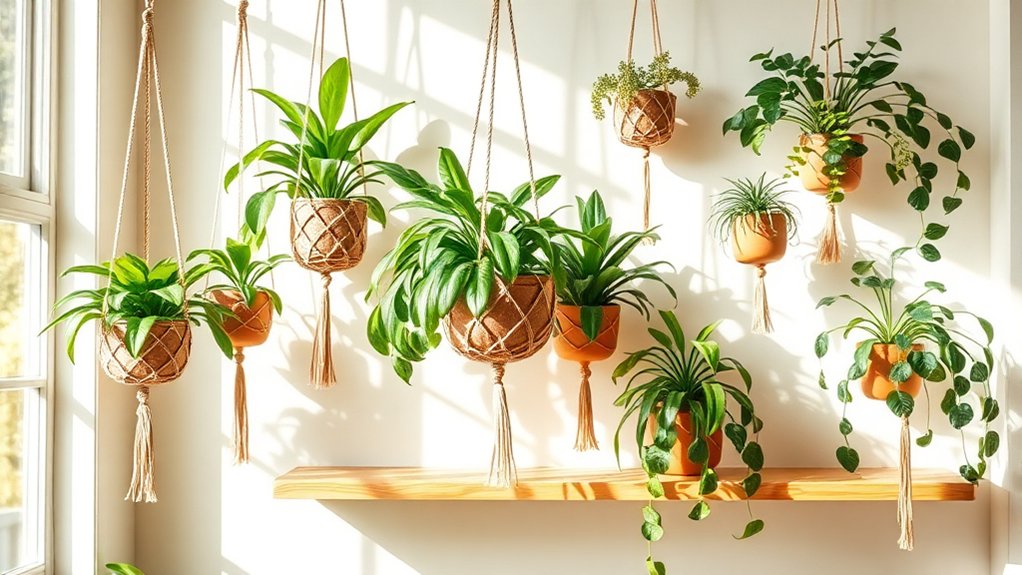
Hanging planters are a smart way to add greenery without sacrificing valuable floor space. You can suspend them from ceiling hooks, curtain rods, or sturdy brackets to bring life upward and keep paths clear. Choose lightweight pots, trailing plants, and macrame hangers to soften corners and add texture.
Hanging planters add greenery overhead, saving floor space while softening corners with trailing plants and textured hangers.
If you want a clean, modern look, try wall-mounted pots near a bright window or beside a reading chair. Mix heights so each plant catches light without crowding the room.
A pothos cascading beside your sofa
A fern swaying near a sunlit window
A row of herbs floating above your kitchen counter
You’ll create a cozy, layered feel that makes even a small room seem fuller and calmer. Rotate planters occasionally, water carefully, and use saucers or liners to prevent drips. With a few well-placed hangers, you can enjoy fresh greenery without giving up an inch of floor space.
Vertical Indoor Gardens for Tiny Rooms
Vertical indoor gardens take the same space-saving idea a step further by turning blank walls into lush growing zones. You can turn a narrow hallway, kitchen corner, or studio wall into a living feature that fits your style and your square footage. Use wall mounted planters, stacked shelves, or pocket organizers to layer herbs, trailing vines, and petite foliage upward instead of outward. This approach keeps your floor open while giving you room to grow more plants than a tabletop display allows.
For compact gardening, choose lightweight containers that attach securely and match your light conditions. Group plants by height and leaf shape to create a clean look, and mix textures for visual interest. You can also add a slim trellis or grid panel to guide climbing plants without crowding the room.
With thoughtful placement, a vertical garden adds color, freshness, and personality to tiny rooms without making them feel cramped.
Care Tips for Healthy Small-Space Plants
Healthy small-space plants stay thriving when you match care to their limited environment. You should water only when the top inch of soil feels dry, then let excess drain completely. Choose soil selection that fits each plant: a chunky mix for succulents, a moisture-holding blend for herbs, and airy potting mix for foliage plants.
Because crowded corners trap humidity, rotate pots weekly so stems grow evenly and leaves catch light from every side.
A basil pot glowing beside a sunny kitchen window
Dewy pothos trails spilling from a shelf above books
Tiny succulents lined up like green jewels on a tray
Check leaves often for pests, sticky residue, or yellowing spots, and act fast with gentle pest management. Wipe foliage with a damp cloth, trim damaged growth, and isolate any troubled plant before problems spread.
Feed lightly during active growth, and keep containers clean for healthier roots.
Frequently Asked Questions
How Do I Choose Grow Lights for Low-Light Apartments?
Choose LED options with full light spectrum coverage because they run cool, save energy, and fit tight spaces. You should match brightness to your plants: herbs need moderate light, while flowering plants need more.
Look for adjustable timers and dimmers so you can control output easily. Place the light close enough to help growth, but not so close that it scorches leaves.
Check coverage area before you buy.
Which Indoor Plants Are Safest for Pets in Small Spaces?
You can choose spider plants, areca palms, and Boston ferns; they’re pet friendly plants that won’t turn your home into a hazard. Think of them as green roommates with good manners.
You’ll still need simple indoor plant care: give bright indirect light, water when the topsoil dries, and keep pots stable. If your pet nibbles everything, try parlor palms or calatheas, which usually stay safer in tighter spaces too.
How Can I Prevent Mold in Indoor Plant Soil?
You can prevent mold in indoor plant soil by watering less often and letting the top inch dry out between waterings. Use pots with drainage holes and a loose potting mix for better soil drainage.
Improve airflow around your plants and avoid overcrowding them. Keep humidity control in mind by running a fan or dehumidifier if needed.
Remove dead leaves, and don’t let water sit in saucers under the pots.
What Containers Work Best for Self-Watering Indoor Gardens?
You’ll do best with containers that match your self-watering systems and your plants’ needs. Choose sturdy container materials like glazed ceramic, food-safe plastic, or resin because they hold moisture well and resist leaks.
Look for built-in reservoirs, wicking cords, and drainage openings. Avoid unsealed wood and thin metal since they can warp or rust.
For herbs and compact greens, pick shallow, lightweight pots that fit your space and water evenly.
How Do I Reduce Pests on Houseplants Naturally?
You can reduce pests naturally by inspecting leaves weekly, wiping them clean, and isolating any infested plant fast. Spray neem oil, insecticidal soap, or diluted alcohol on affected areas. Use natural repellents like peppermint or garlic nearby.
You can also try companion planting, placing basil or marigolds close to vulnerable houseplants to discourage pests. Keep soil from staying soggy since overwatering invites gnats, mold, and weak growth.
Conclusion
If you’ve been waiting for the perfect moment to start your indoor garden, it’s closer than you think. With a sunny windowsill, a hanging planter, or a vertical setup, you can turn even the tiniest room into a green retreat.
And once you learn the simple care tips, your plants can thrive in ways you didn’t expect. So before you decide your space is too small, imagine what could bloom next with these indoor gardening ideas for small spaces.