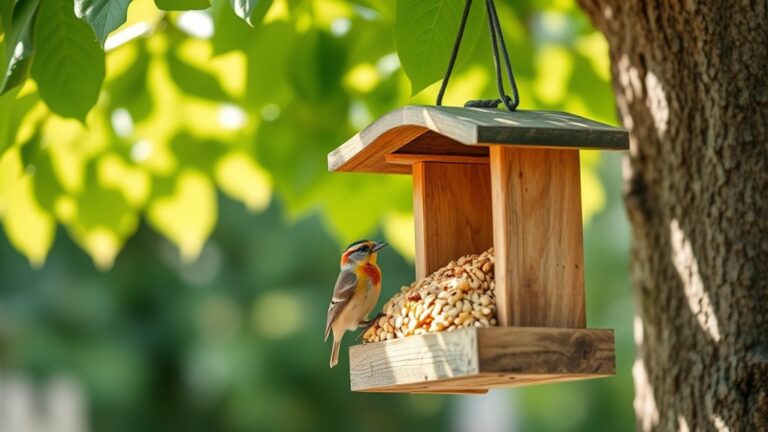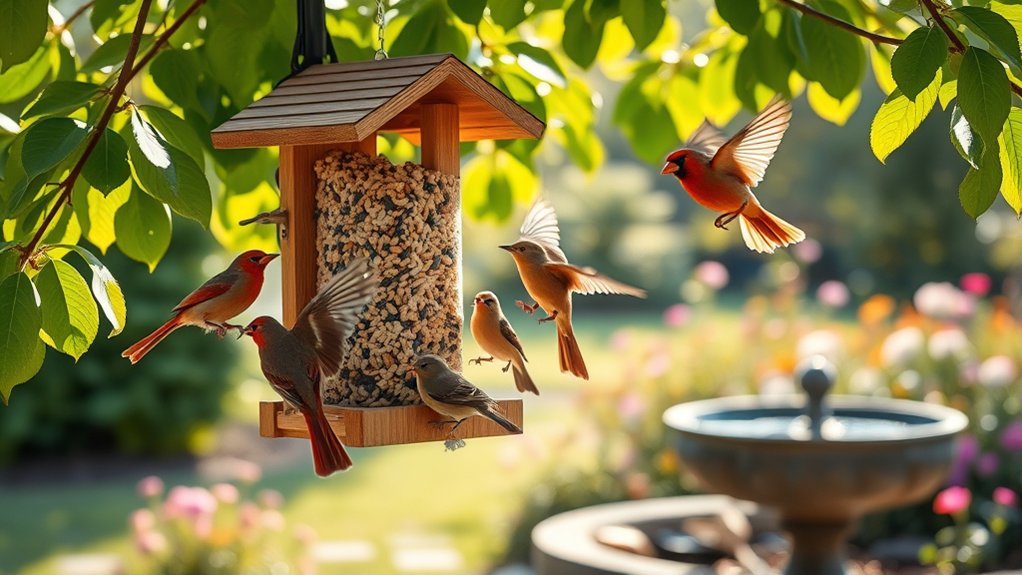
How to Feed Wild Birds With 7 Essential Tips
Feeding wild birds can be tricky, and if you’re like many people, you want to do it right but aren’t sure where to start. You’re not alone—figuring out how to attract healthy birds without causing harm is a common challenge for bird lovers everywhere.
To feed wild birds safely, choose natural seeds like black oil sunflower and offer clean water nearby. Use sturdy feeders placed away from predators and windows to protect birds and pets. Keep feeders clean to prevent disease and avoid overfeeding to maintain natural habits.
Provide varied foods seasonally, like suet or fruit, and position feeders near cover for quick escapes. Following these tips helps you support healthy birds.
Explore further to make your feeding efforts even better.
Key Takeaways
- Offer natural, species-appropriate foods like sunflower seeds, suet, and nectar to support birds’ health and energy needs. This helps them stay strong and active.
- Keep feeders clean and dry to prevent disease and mold growth that can harm birds. Regular cleaning is key to their safety.
- Position feeders safely away from predators and at least 10 feet from shrubs or windows. This keeps birds safe and reduces accidents.
- Provide fresh, shallow water near feeders for drinking and bathing, ensuring it is clean and shaded. Birds need water to stay hydrated and clean.
- Avoid overfeeding and rotate seed types to prevent dependency, pests, and debris buildup. Variety helps keep your bird visitors healthy and happy.
Why Feeding Wild Birds Safely Matters
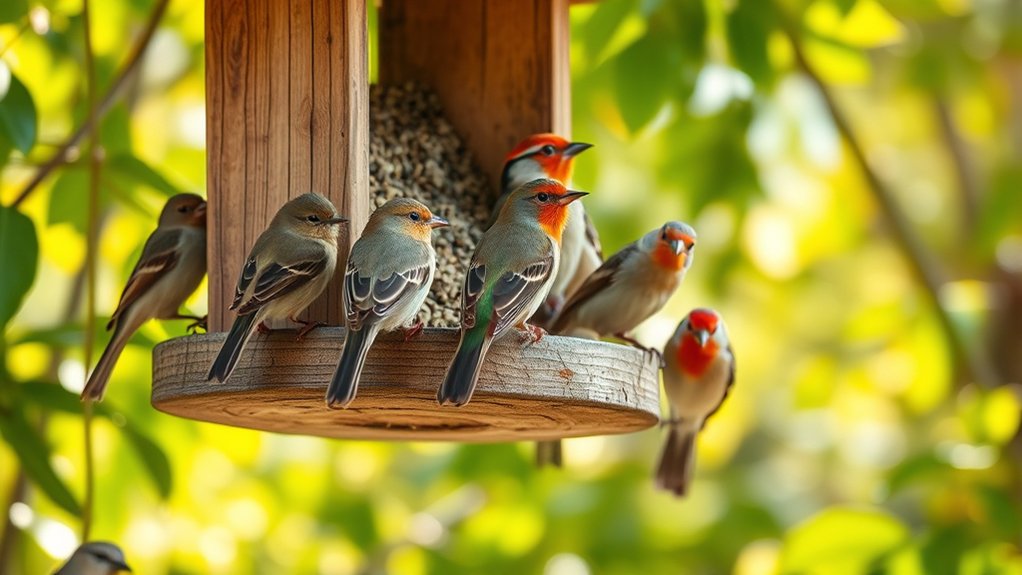
Although feeding wild birds can be a rewarding experience, you need to do it safely to protect their health and well-being. When you feed birds improperly, you risk disrupting their natural behaviors, including bird migration patterns. Birds rely on seasonal cues and available natural food sources to migrate successfully. If you provide unhealthy or unnatural foods, it can confuse them and affect their survival.
You also play a role in habitat preservation by feeding birds responsibly. Overfeeding or leaving feeders unclean can attract pests and spread disease, harming local ecosystems. By maintaining clean feeders and offering appropriate support, you help birds thrive without disturbing their natural habitats.
Your mindful actions ensure that wild birds continue to benefit from your help without compromising their instinctual habits or the balance of their environment. Feeding birds safely means you contribute positively to their health and the preservation of the habitats they depend on during migration and throughout the year.
Choose the Best Foods to Feed Wild Birds
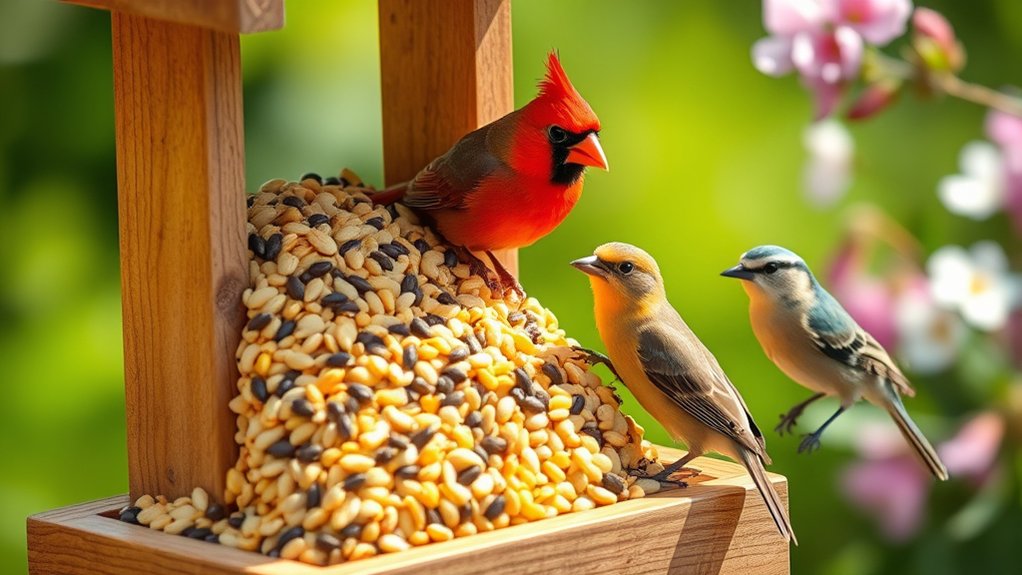
How do you pick the best foods to attract and nourish wild birds? Start by understanding their preferences and nutritional needs. Here’s a quick guide to help you choose the right options:
Choosing the right foods means knowing what wild birds prefer and need to thrive.
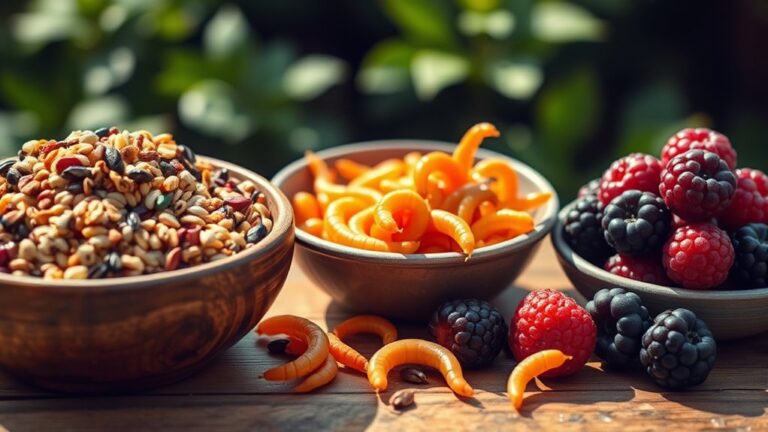
- Seed varieties: Black oil sunflower seeds are a favorite for many species due to their high fat content. Millet attracts ground-feeding birds, while nyjer seeds appeal to finches.
- Nectar types: For hummingbirds, offer a simple nectar mix of four parts water to one part sugar, avoiding red dye to keep it safe.
- Fruits and berries: Small fruits like chopped apples, oranges, or berries provide essential vitamins and attract fruit-eating birds.
- Suet and mealworms: These protein-rich options support birds especially during colder months or breeding season.
Choose the Right Feeders for Wild Birds
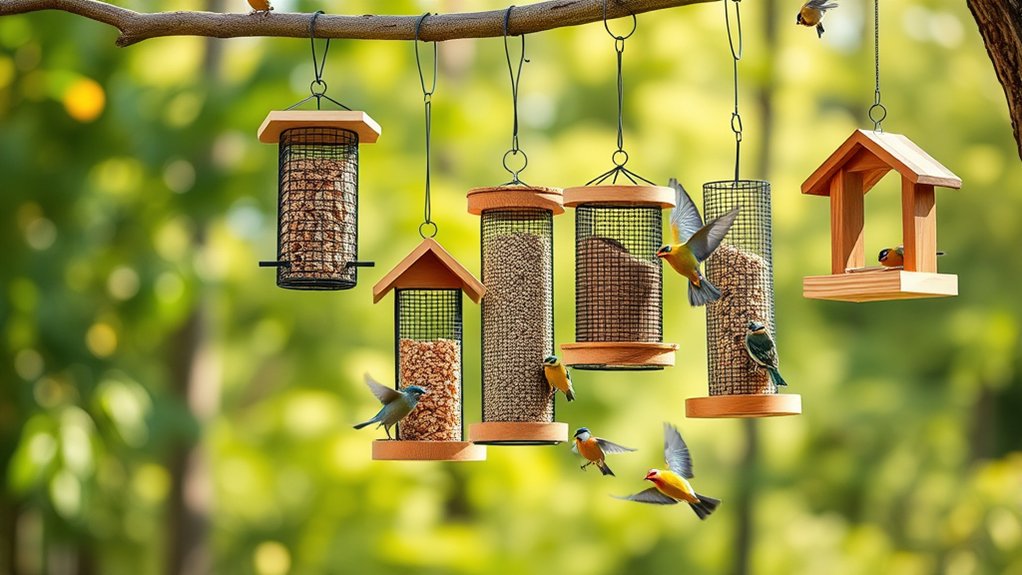
Now that you know what to feed, it’s important to pick the right feeders to attract different bird species. Think about the types of feeders that work best for the birds you want to see.
Also, take a look at the materials they’re made from and how durable they are—after all, you want something that lasts. And don’t forget to consider where you place them; a good spot can keep your feathered friends safe and happy.
Types Of Bird Feeders
What kind of bird feeder suits your backyard visitors best? Choosing the right feeder styles helps attract specific birds and makes sure they enjoy your bird seed offerings. Here are four popular types to reflect on:
- Tube Feeders are perfect for small songbirds. They hold various bird seed blends.
- Hopper Feeders mimic natural feeding spots and can hold large quantities of seed.
- Platform Feeders have open designs that accommodate a variety of bird seed and attract larger birds.
- Suet Feeders are ideal for insect-loving birds. They hold suet cakes rather than traditional seed.
Material And Durability
Because bird feeders face weather and curious wildlife daily, choosing durable materials is essential to keep your feeder functional and attractive. Opt for feeders made of sturdy materials like metal or weather-resistant plastic, which withstand rain, wind, and sun without cracking or fading.
Glass feeders look nice but can break easily, so consider them carefully. Also, think about the seed varieties you plan to offer; some feeders suit specific seeds better. For example, tube feeders work well with small seeds, while platform feeders accommodate mixed seed varieties.
Durable feeder materials also help prevent pests from damaging your supplies, ensuring birds get fresh food consistently. By selecting feeders with strong construction and the right design for your preferred seed varieties, you’ll enjoy a reliable, long-lasting setup that attracts a variety of wild birds.
Placement And Safety
When placing your bird feeders, you should consider both safety and accessibility to attract a variety of wild birds while protecting them from predators. Choose the right feeders and locations to guarantee predator protection and make seasonal adjustments as needed.
Here are four key tips:
- Position feeders at least 10 feet from shrubs or trees to prevent cats or other predators from ambushing birds.
- Use squirrel-proof or hanging feeders to reduce access for unwanted visitors.
- Place feeders near natural cover, like bushes, so birds can quickly escape if threatened.
- Adjust feeder placement seasonally. Move feeders in winter to sunnier spots and during nesting season to quieter areas.
Place Feeders Safely to Protect Birds and Pets
Although placing feeders might seem straightforward, you’ll need to choose locations that keep both birds and pets safe. Position your feeders away from windows to prevent birds from colliding with glass. Also, place them at least 5 feet off the ground to reduce risks from neighborhood cats or other pets.
During bird migration, many species stop to rest and refuel. Providing safe feeding spots helps them thrive on their long journeys. Be mindful of bird nesting seasons, avoiding feeder placement near active nests to prevent disturbances.
Choose areas with nearby shrubs or trees where birds can quickly escape predators but avoid dense vegetation that could hide cats. If you have pets, keep feeders out of their reach to prevent accidents or aggressive behavior.
Offer Fresh Water When Feeding Wild Birds
When you feed wild birds, offering fresh water is just as important as providing food. It’s a good idea to choose clean, shallow containers and change the water daily to keep it safe.
Try to place water sources near feeders but away from potential hazards. This way, birds can drink and bathe comfortably without any trouble.
Importance of Clean Water
Why does clean water matter so much for wild birds? It’s essential for their health and survival, especially during bird migration when they need extra hydration and energy. You can make a big difference by offering fresh, clean water while practicing water conservation.
Here’s why clean water matters:
- Prevents disease by minimizing bacteria and mold growth.
- Supports hydration during long migration journeys.
- Helps birds maintain their feathers for insulation and flight.
- Encourages birds to visit your feeding area regularly.
Types of Water Containers
Providing clean water is only part of the equation; choosing the right container helps keep that water fresh and accessible for wild birds. When selecting water container types, consider shallow birdbaths, which are popular for their easy access and natural appeal.
Look for birdbath designs with smooth edges to prevent injury and a textured bottom to give birds secure footing. Heated birdbaths are another option if you live in colder climates, ensuring water remains unfrozen.
You might also use hanging water dishes or small fountains that encourage movement, helping prevent stagnation. Whatever you choose, make sure the container is easy to clean and refill, as regular maintenance is essential for bird health.
Selecting the right water container types and birdbath design ensures your feathered visitors stay hydrated and safe.
Water Placement Tips
Although placing water containers might seem straightforward, their location greatly impacts how often birds visit and stay hydrated. To attract more wild birds and maintain water quality, follow these placement tips:
- Place water containers in shaded areas to keep water cool and reduce algae growth.
- Position them near feeders but not too close to prevent contamination from seed debris.
- Guarantee the spot offers some cover, like nearby shrubs or trees, so birds feel safe.
- Keep containers off the ground to avoid predators and dirt, and make cleaning easier.
How to Keep Your Bird Feeding Area Clean and Safe
Keeping your bird feeding area clean and safe helps protect both the birds and your outdoor space from disease and pests. To maintain hygiene, clean feeders regularly with warm, soapy water and rinse thoroughly. Remove old or moldy bird seed varieties promptly, as spoiled seeds can harm birds and attract unwanted critters.
Rotate the types of bird seed varieties you offer to reduce leftover debris and keep birds interested. Place feeders in open areas where you can easily monitor them, and use predator deterrents like baffles or spikes to keep cats and squirrels at bay. Avoid overcrowding feeders, as this can spread disease.
Sweep up spilled seeds and droppings beneath feeders often to prevent mold and pests. By staying proactive about cleaning and using predator deterrents, you’ll create a safer environment that encourages healthy bird visits while protecting your yard.
Common Feeding Mistakes That Can Harm Wild Birds
Maintaining a clean and safe feeding area lays the groundwork for healthy bird visits, but even with the best intentions, mistakes can still happen. To protect wild birds, avoid these common feeding errors:
1. Overfeeding mistakes
Putting out too much food attracts pests and can cause dependency on feeders, disrupting natural foraging habits.
2. Ignoring feeder cleanliness
Dirty feeders spread disease quickly among birds. Clean them regularly with mild soap and water.
3. Placing feeders near predator hazards
Position your feeders away from spots where cats or hawks can easily ambush birds.
4. Using inappropriate food
Offering bread or processed foods can harm birds’ health. Stick to natural seeds and suet.
Frequently Asked Questions
Can Feeding Wild Birds Attract Unwanted Pests to My Yard?
Yes, feeding wild birds can attract unwanted pests like rodents to your yard. To prevent this, you should practice good pest control by keeping your feeding area clean and using feeders designed to minimize spillage.
Avoid leaving excess seed on the ground, which attracts rodents. Regularly clean up fallen seeds and consider using squirrel-proof feeders to reduce attracting rodents and other pests while still enjoying your feathered visitors.
How Do Seasonal Changes Affect Bird Feeding Habits?
Seasonal changes greatly impact bird feeding habits because migration patterns shift which species visit your yard. During spring and summer, nesting behaviors increase, so birds need more protein-rich foods to raise their young.
In fall and winter, many birds focus on high-energy seeds and fats to prepare for colder weather or long migrations. You’ll want to adjust your feeding accordingly to support their changing nutritional needs throughout the year.
Should I Feed Birds Year-Round or Only in Winter?
You should absolutely feed birds year-round. Imagine a bird party that never stops! During bird migration, they need energy boosts, and in nesting seasons, parents work overtime feeding chicks.
If you stop in spring or summer, you might leave hungry fledglings hanging. Keep feeders stocked through all seasons. Your backyard will become a nonstop avian café, helping birds survive tough times and thrive when they’re raising families.
How Can I Identify Different Bird Species Visiting My Feeder?
You can identify different bird species visiting your feeder by paying close attention to their colors, shapes, and sizes. Use bird song identification apps to recognize their unique calls, which helps even when they’re hidden.
Observe nesting behavior analysis, like where and how they build nests nearby, to distinguish species further. Taking photos and comparing them to field guides can also sharpen your skills, making birdwatching more rewarding.
What Are Signs That a Wild Bird Is Sick or Injured?
Like spotting a fallen hero, you’ll notice bird health issues when a wild bird shows injury signs such as lethargy, fluffed feathers, or an inability to fly properly.
If you see drooping wings, wounds, or unusual behavior like sitting still for hours, it’s a clear sign the bird is sick or injured. Act quickly by contacting a wildlife rehabilitator to give the bird the care it deserves.
Conclusion
Feeding wild birds isn’t just a hobby; it’s a chance to connect with nature and support local wildlife. By choosing the right foods, feeders, and placement, you create a safe haven for our feathered friends.
Remember, a clean feeding area and fresh water are as essential as the seeds themselves. Don’t let common mistakes turn kindness into harm.
After all, every small action you take can make a big difference in a bird’s life when feeding wild birds.