How to Start Gardening for Beginners
Starting a garden can feel overwhelming if you’re new to it—you’re not alone. Many people struggle with where to begin or worry about making mistakes that could ruin their plants.
But with the right guidance and tools, gardening can be a rewarding and enjoyable experience.
Start gardening by choosing a sunny, well-drained spot and checking how much light it gets during the day. How to Start Gardening for Beginners.
Begin with easy plants like lettuce, radishes, basil, or marigolds, and use healthy soil mixed with compost.
Gather a trowel, gloves, a watering can, and a notebook.
Water deeply in the morning, mulch to hold moisture, and pull weeds early.
Keep an eye on pests, and a simple routine will quickly grow into something bigger.
Key Takeaways
- Start with basics: good soil, sunlight, water, and simple tools like a trowel, gloves, and a watering can.
- Choose a sunny, well-drained, accessible location with some wind protection.
- Begin with easy plants like lettuce, radishes, basil, or marigolds for quick success.
- Improve soil with compost or manure, and water deeply in the early morning.
- Check for weeds and pests regularly, use mulch, and keep a simple garden log.
Gardening Basics You Need First

Before you plant your first seed, you need a few gardening basics in place: good soil, the right sunlight, proper watering, and the tools to get started. You should learn soil types so you can match plants to sandy, loamy, or clay conditions.
Before you plant your first seed, get the basics right: soil, sunlight, water, and the right tools.
You’ll also want to compare gardening styles, from raised beds to containers, because each one changes how you care for your plants. Keep climate considerations in mind, since temperature, rainfall, and frost dates affect what you can grow successfully.
Seasonal planting matters too, because some crops thrive in cool spring weather while others need summer heat. Start with a trowel, gloves, a watering can, and a small notebook to track what you plant.
When you understand these basics, you’ll make better choices and avoid common beginner mistakes.
Choose the Best Spot for Your Garden
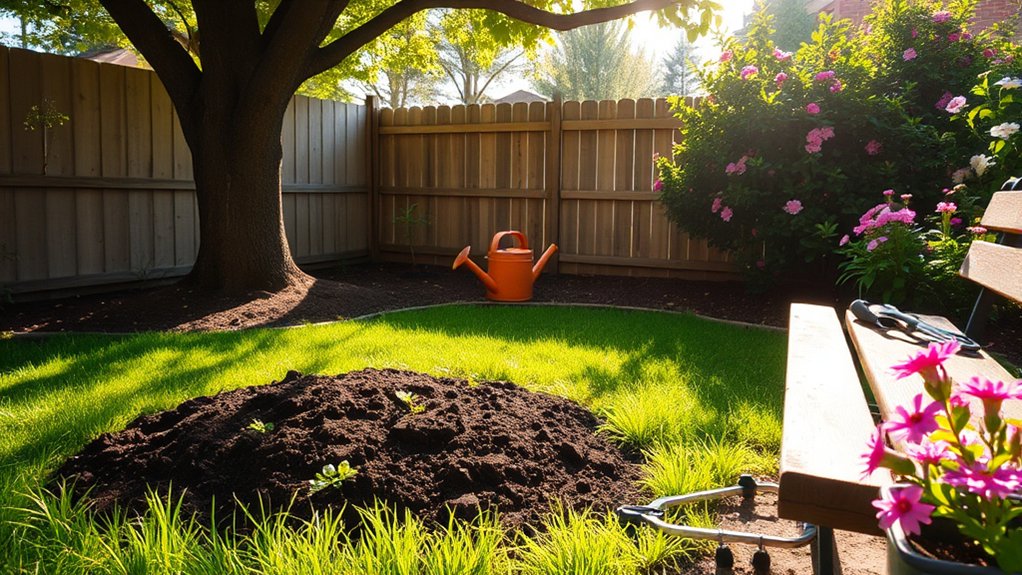
A great garden starts with the right location, so choose a spot that gets enough sunlight, drains well, and feels easy to reach for daily care. Look closely at microclimate factors around your yard, since walls, fences, and pavement can warm or cool an area more than you expect.
Do a simple shade analysis through the day to see where light lands and when. Check drainage considerations after rain; you don’t want puddles or soggy soil. Notice wind protection from buildings or hedges, and use accessibility options that let you carry tools and water without hassle.
Keep layout planning simple at first, and leave room to move. Watch surrounding vegetation for roots or overhanging branches that may change light and moisture. Seasonal variations matter too, because the same spot can shift in sun, shade, and soil moisture.
Finally, stay aware of wildlife interactions, since deer, birds, and pets can affect where you place your garden beds.
Pick Beginner-Friendly Plants
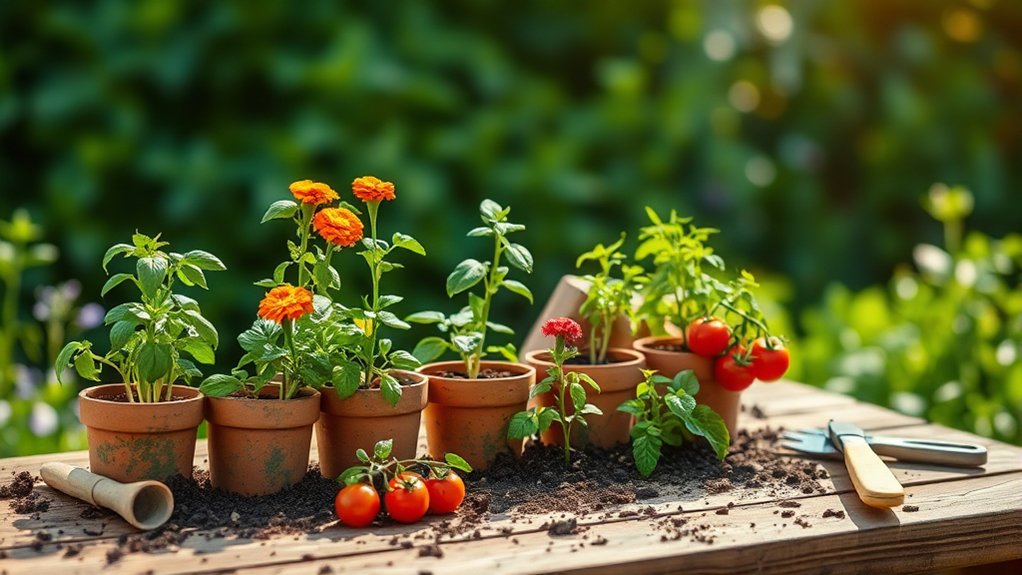
You’ll have a much easier start if you pick plants that grow quickly and can handle a little neglect. Try easy options like lettuce, radishes, basil, or marigolds. They don’t need much fuss, so they’re perfect for beginners. These low-maintenance choices help you build confidence while you learn the basics.
Easy Plants To Grow
Start with a few easy plants so you can build confidence and enjoy quick wins. Try basil, lettuce, and cherry tomatoes because they give you visible progress fast.
If you enjoy herb gardening, basil and parsley add fresh flavor and fit well in small spaces. For container gardening, choose compact vegetables that thrive in pots and sunny spots.
| Plant | Why it’s easy |
|---|---|
| Basil | Grows quickly and rewards regular harvesting |
| Lettuce | Sprouts fast and you can cut leaves early |
| Cherry tomatoes | Produces plenty with steady sun and water |
You’ll learn by watching each plant respond to light, water, and care. Start small, give them room, and celebrate every healthy leaf or ripe fruit.
Low-Maintenance Choices
Choose low-maintenance plants that forgive missed waterings and still keep growing. You’ll do better with beginner-friendly picks like pothos, snake plant, spider plant, and basil. These plants don’t demand constant attention, so you can build confidence while learning.
If your space gets limited sun, try low light options such as ZZ plant or philodendron. If you often forget to water, choose drought resistant varieties like succulents, aloe, or jade plant. Group plants with similar needs so you don’t overcomplicate care.
Use well-draining soil, pots with drainage holes, and a simple watering routine. Check the top inch of soil before watering, and you’ll avoid most beginner mistakes. Start small, watch how each plant responds, and adjust as you gain experience.
How to Improve Garden Soil
Before you plant, it’s a good idea to test your soil first. That way, you’ll know exactly which nutrients it needs. After you find out, go ahead and mix in some organic matter like compost. This not only feeds your plants but also helps build better soil structure.
If you notice water pooling after it rains, that’s a sign you should improve drainage. Good drainage is important because it lets roots grow strong and healthy.
Test Soil Nutrients
Testing your soil’s nutrient levels gives you a clear picture of what your garden actually needs, so you can fix problems instead of guessing. Use soil testing to check pH and nutrient analysis, then match the results to the plants you want to grow.
Most kits are simple, and many garden centers offer lab services for a more detailed report. Once you know what’s missing, you can make smarter choices and avoid wasting time or money.
- Test in several spots for an accurate sample.
- Record the results before you buy amendments.
- Recheck soil each season to track changes.
With this information, you’ll understand whether your soil supports strong roots, healthy leaves, and steady growth, giving your garden a much better start.
Add Organic Matter
Once you know what your soil needs, you can start improving its structure and fertility with organic matter. Mix in compost, well-rotted manure, leaf mold, or shredded leaves to feed soil life and boost soil enrichment. Organic matter helps your soil hold nutrients, supports roots, and creates a richer growing environment for your plants.
You’ll also notice compost benefits over time, including better texture, healthier microbes, and stronger plant growth. Spread a 2- to 3-inch layer over the bed, then work it into the top few inches of soil with a fork or shovel. Repeat this each season to keep building fertile ground.
Avoid piling it against stems or trunks, and use fully finished materials so you don’t stress young plants.
Improve Soil Drainage
If your soil stays soggy after rain, you’ll need to improve drainage before planting. Start with soil testing to learn whether clay, compaction, or poor slope is trapping water. Then mix in soil amendments like compost, coarse sand, or fine bark, using composting methods that build structure without sealing the ground.
Try these drainage solutions: loosen the bed with aeration techniques. Shape raised beds to lift roots above wet soil. Choose container gardening when native soil stays heavy.
Use landscaping tips such as gentle grading and swales to move excess water away. Adjust plant selection to match wetter or drier spots, and balance moisture retention so roots stay healthy, not waterlogged.
With smart prep, you’ll improve garden soil and give every plant a stronger start.
Gather the Tools You Actually Need
Start with a few reliable basics instead of buying every garden tool you see. You only need a hand trowel, gloves, a watering can, and sturdy pruners to handle most beginner tasks. Choose tools that feel comfortable in your hands, because you’ll use them often.
A small rake helps you smooth soil and clear debris, while a bucket or basket keeps weeds and clippings contained. If you plan to follow pruning techniques, sharp pruners matter more than fancy extras. For seasonal planting, label markers and a simple notebook help you track what you’ve planted and when.
Buy quality over quantity, and clean your tools after each use so they last longer. Store them in a dry spot to prevent rust and damage. As your garden grows, you can add specialty items only when a real need appears. This keeps your setup affordable, practical, and easy to manage from the start.
Plant Seeds or Starter Plants
Now you can put your plan into the soil by planting seeds or starter plants. Choose based on your climate, timing, and confidence level. Good seed selection helps you match crops to your space, while starter plants give you a head start when the season’s short. Read the packet or plant tag, then follow the spacing and depth instructions closely.
Choose seeds or starter plants to match your climate, timing, and confidence level.
- Sow seeds in a fine, loose bed so roots can spread easily.
- Set starter plants at the same depth they grew in their container.
- Use steady planting techniques, like firming soil gently around roots.
You don’t need perfection; you need consistency. Group similar plants together and place taller varieties where they won’t shade smaller ones. If you’re growing in containers, check that each plant has enough room to develop.
Water Your Garden the Right Way
Water is one of the most important parts of a healthy garden, but too much or too little can quickly cause problems. You should water deeply so roots grow down and support strong plant hydration.
Set a simple watering schedule based on your soil, weather, and plant needs, then adjust it as conditions change. Early morning works well because it reduces evaporation and helps garden hydration.
Use drip irrigation or other efficient watering techniques to deliver water right to the roots and avoid waste. Adding mulch improves moisture retention, so the soil stays evenly damp longer.
If you can, try rainwater collection to save water and give your plants a steady supply. Seasonal watering matters too; hot, dry periods need more attention, while cool or rainy stretches need less.
When you water the right way, you help your garden grow healthier, stronger, and more resilient from the start.
Give Your Plants Enough Sunlight
Different plants need different amounts of sunlight, so it’s a good idea to check their labels before you plant. Then, pick a spot that matches those needs. For example, vegetables usually like full sun, while tender greens do better in partial shade.
Try watching how sunlight moves across your garden during the day. This way, you can make adjustments if needed and give your plants the best light possible.
Sunlight Requirements
Sunlight is one of the most important factors in a healthy garden, so you need to place each plant where it can get the right amount of light. Check the seed packet or plant tag, then match it to your yard’s light levels. Some crops need full sun, while others tolerate partial shade.
If you’re doing shade gardening, choose plants that naturally thrive with less direct light.
- Track sun exposure for a full day.
- Watch for morning, afternoon, and dappled light.
- Adjust your plant choices as seasons change.
You’ll grow better when you understand how sunlight shifts across your space. Even a small difference in exposure can change bloom, flavor, and growth.
Best Garden Spots
Once you know how much light your plants need, pick the spots in your yard that match those conditions best. Place sun-loving vegetables in open areas where trees, fences, or buildings won’t block rays. Use shaded corners for leafy greens, herbs, or flowers that tolerate less light.
If you practice companion planting, group crops so taller plants don’t shade shorter ones too much. Check how seasonal gardening changes your yard, since spring sun, summer heat, and fall angles can shift where light lands.
Choose spots with good airflow and easy access to water, so you can care for them without crowding plants. Start with a few beds in the brightest areas, then expand as you learn how your space behaves through the year.
Track Sun Exposure
To give your plants the right amount of sun, watch your garden throughout the day and note which areas get full sun, partial shade, or deep shade. Use sunlight tracking to see how light shifts from morning to evening, because garden shadows change quickly across seasons.
Once you know these patterns, you can match crops to the best spots and avoid weak growth.
Full sun suits tomatoes, peppers, and most herbs. Partial shade helps lettuce, spinach, and many greens. Deep shade works only for a few tolerant plants.
Check your beds again after nearby trees leaf out or when structures cast new shade. If you map sun exposure now, you’ll make smarter planting choices and give every plant a better start.
Keep Pests and Weeds Under Control
Keep pests and weeds in check from the start so they don’t steal water, nutrients, or sunlight from your plants. You can stay ahead by checking leaves often, pulling weeds when they’re small, and using mulch to block new growth.
Try natural repellents like neem oil or insecticidal soap for common pests, and use companion planting to confuse insects and support healthier beds.
| Problem | Quick fix |
|---|---|
| Aphids | Spray with water or neem oil |
| Weeds | Pull early and mulch deeply |
You should also remove damaged leaves and dropped fruit since they attract trouble. If you spot slugs, handpick them at dusk or set simple traps.
Keep tools clean so you don’t spread pests between plants. By acting early and staying consistent, you’ll protect your garden without relying on harsh chemicals or extra work.
Build a Simple Gardening Routine
Set a simple routine so your garden gets steady attention without feeling like a chore. Check soil moisture every morning, then water only when the top inch feels dry. Spend a few minutes each week pulling weeds, trimming spent leaves, and spotting pests before they spread.
Keep a small notebook or phone note for garden timing, so you remember when you planted, watered, and harvested. That record helps you adjust seasonal planting next year and avoid repeating mistakes.
Keep a simple garden log to remember planting, watering, and harvest dates for better results next season.
Water deeply but less often to train stronger roots. Inspect plants after rain for disease, damage, or insects. Harvest herbs and vegetables promptly to encourage more growth.
Choose one regular day for maintenance and one backup day if weather interrupts you. When you follow the same pattern, you’ll save time, reduce stress, and give every plant the care it needs to thrive.
Frequently Asked Questions
How Much Should I Budget for My First Garden?
Budget about $50 to $200 for your first garden, depending on size and what you already own. You’ll spend most on soil, seeds or seedlings, and basic gardening tools like a trowel, gloves, and pruners.
If your soil seems off, add soil testing to your budget. Start small, reuse containers, and shop sales so you don’t overspend while you learn what works best in your space.
Can I Start Gardening if I Only Have a Balcony?
Yes, you absolutely can start gardening on a balcony. You can turn that small space into a green haven with container gardening and the right balcony plants.
Choose pots with drainage, use quality potting mix, and pick compact herbs, flowers, or veggies that suit your light. Start small, water consistently, and watch your balcony bloom.
Even a tiny ledge can become your own little garden paradise.
When Is the Best Season to Begin Gardening?
Spring’s usually the best season to begin gardening because warmer soil helps seeds sprout quickly. You can also check your local planting calendar to see when frost ends and which seasonal crops thrive in your area.
If you start in early spring, you’ll have time to learn, adjust, and enjoy steady growth. In warmer climates, you can even begin in fall with cool-weather vegetables and herbs.
How Do I Know if My Local Climate Suits My Plants?
Your garden’s climate is the map that guides your plants’ journey. You can tell if it suits your plants by checking plant hardiness ratings and matching them to your climate zones.
Then, watch your sunlight exposure, since each plant needs different light. Test your soil types, too, because drainage and nutrients matter.
If your local weather, frost dates, and conditions line up, your plants should thrive more easily.
Should I Grow Vegetables, Herbs, or Flowers First?
You should start with herbs if you want quick wins, or flowers if you want color and easy care. Vegetables reward you most, but they need more attention to garden types, sun, and plant spacing.
Pick one category first so you don’t overwhelm yourself. If you love cooking, try basil or lettuce. If you want simple success, grow marigolds or zinnias, then expand as you gain confidence.
Conclusion
So, after all that “hard work,” you’ll find gardening isn’t really about perfect rows or fancy tools. It’s about learning that a little dirt, water, and patience can outsmart all your big plans.
You’ll start with simple plants, give them sun, and still probably lose a few to weeds or bugs. Ironically, that’s the part that makes it rewarding.
You’ll grow more than flowers or herbs; you’ll grow into a gardener, too. That’s the true joy of how to start gardening for beginners.