How to Get Birds to Visit Your Garden
If you’ve ever wished your garden was a haven for birds but struggled to attract them, you’re not alone. Many people find it tricky to create a space that truly welcomes feathered visitors.
The good news is, with the right approach, you can turn your garden into a bird magnet that delights you year-round.
To get birds to visit your garden, create a safe, pesticide-free space with native plants that provide food and shelter year-round.
Set up multiple feeders offering varied seeds matching local species’ preferences and maintain fresh water sources nearby.
Include dense shrubs and birdhouses for nesting and protection.
Keep your garden well-maintained with seasonal pruning and debris clearing to support birds’ natural habits.
If you want to improve your garden’s bird-friendly appeal even further, there’s plenty more you can investigate.
Key Takeaways
- Provide native plants that offer natural food and shelter suited to local bird species and migration patterns.
- Set up multiple feeders with varied seeds and keep them clean to attract diverse bird species.
- Include safe water sources like shallow birdbaths near cover for drinking and bathing.
- Create shelter using dense shrubs, nesting boxes placed properly, and natural brush piles.
- Maintain a pesticide-free, quiet, and safe environment. Avoid heavy pruning during migration to protect nesting birds.
Understand Bird Behavior and When They Visit Your Garden

Although attracting birds to your garden might seem simple, understanding their behavior and timing their visits can make all the difference. You’ll notice that bird migration plays a huge role in when different species appear.
Many birds travel thousands of miles during migration seasons, so knowing these patterns helps you anticipate their arrival. For example, some species head north in spring and return south in fall, following seasonal bird patterns that affect their feeding and nesting habits.
Choose the Best Plants to Attract Local Birds

When you select the right plants, you create a natural buffet that local birds can’t resist. Understanding bird migration patterns helps you choose plants that provide food and shelter when birds pass through your area.
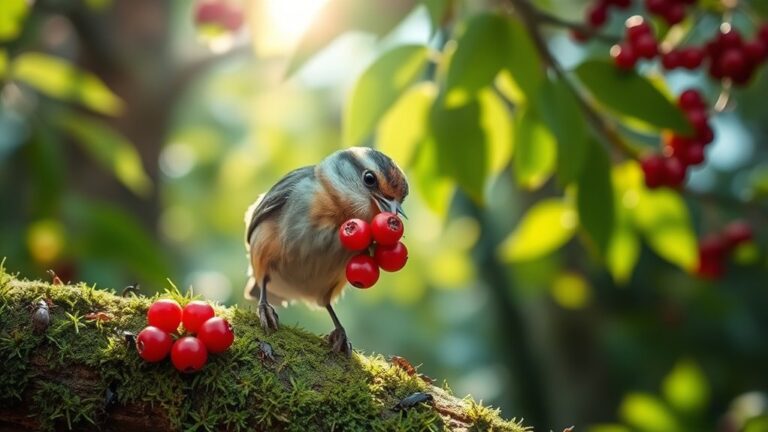
Songbird behavior also guides your choices. Plants that produce berries, seeds, and nectar attract different species throughout the year.
Consider native plants, as they support local wildlife best. Here’s a quick guide to help you pick the best plants based on bird needs and seasons:
| Plant Type | Benefits for Birds |
|---|---|
| Berry-producing | Food source during migration |
| Nectar-rich | Attracts hummingbirds and orioles |
| Seed-bearing | Supports songbirds year-round |
Design Your Garden Layout to Be Bird-Friendly
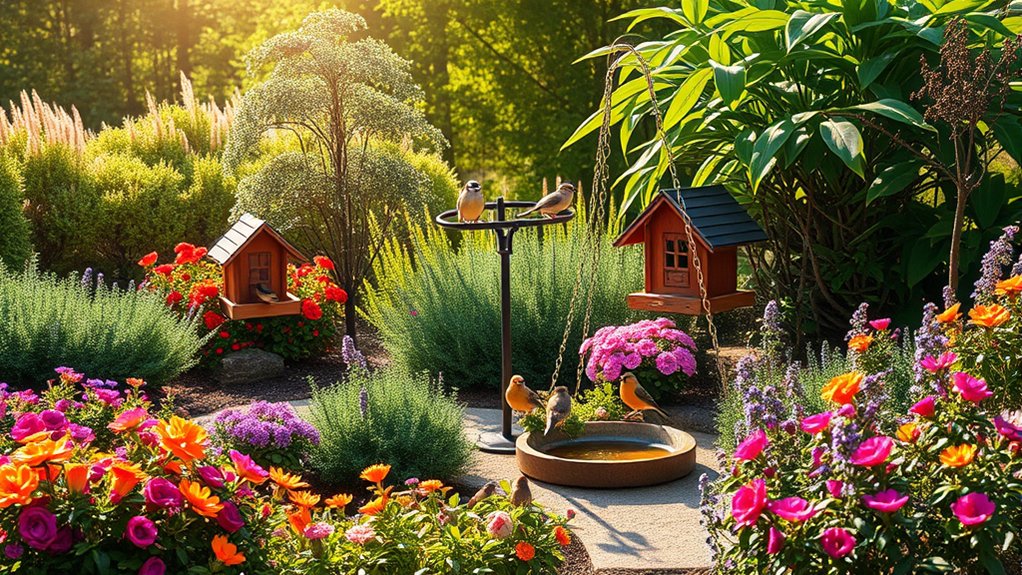
To create a bird-friendly garden, start by selecting native plants that provide natural food and shelter. These plants are familiar to local birds and can give them the best support.
Also, make sure to include varied cover like shrubs and trees. Birds need places where they can hide and rest safely, so having a mix of different plants helps meet those needs.
Finally, arrange feeding stations thoughtfully. This will attract different bird species without crowding, making your garden a welcoming spot for all kinds of feathered visitors.
Select Native Plants
Why choose native plants for your garden? Native plants support local bird behavior by providing familiar food sources and shelter. When you select native plants, you create a welcoming environment that attracts more birds naturally.
Here’s why native plants matter:
They offer the right seeds, berries, and nectar birds rely on. Native plants attract local insects, a key food source for many birds. They adapt to your region’s climate, making your garden low-maintenance. Birds recognize native plants as safe spots for nesting and resting.
Provide Varied Shelter
Although birds need food to visit your garden, they also seek safe places to hide, rest, and nest. Providing varied shelter helps birds feel secure, especially during bird migration when they’re vulnerable.
Incorporate dense shrubs, tall grasses, and small trees to offer cover and improve predator awareness. Nesting boxes can add safe spots for breeding. Your garden becomes a sanctuary, encouraging frequent visits.
| Shelter Type | Emotional Benefit |
|---|---|
| Dense Shrubs | Comfort & Security |
| Tall Grasses | Calm & Protection |
| Small Trees | Safety & Refuge |
| Nesting Boxes | Hope & New Life |
Arrange Feeding Stations
When you arrange feeding stations thoughtfully, you invite a variety of birds to explore your garden comfortably. Proper feeding station placement helps birds feel safe from predators while they eat.
To attract diverse species, offer different birdseed varieties that cater to their preferences. Position feeders near shrubs or trees for quick cover, but avoid spots too close to windows to prevent collisions.
Consider these tips:
- Use multiple feeding stations spaced apart to reduce competition.
- Include feeders at various heights for different bird species.
- Clean feeders regularly to prevent disease.
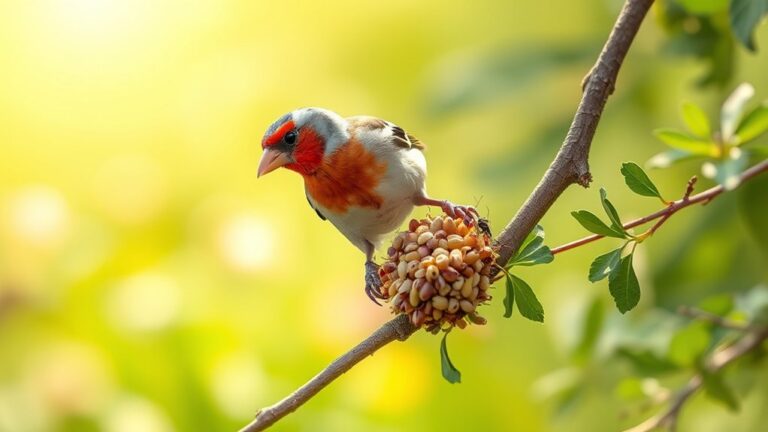
- Rotate birdseed varieties like sunflower seeds, nyjer, millet, and suet to attract a wider range of birds.
Set up Bird Feeders With the Best Food for Birds
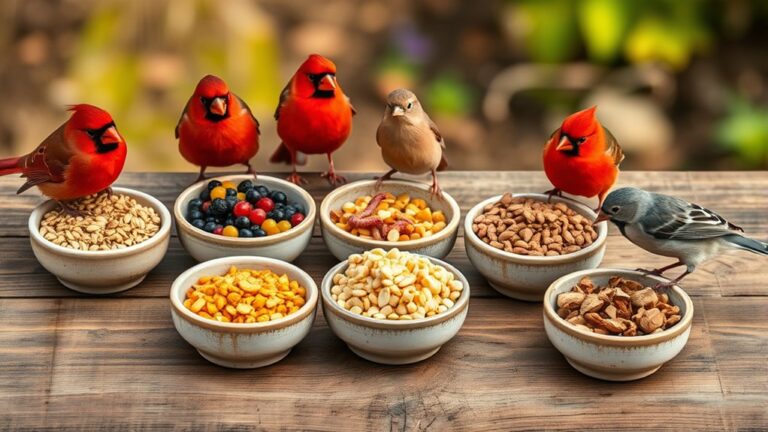
To attract a variety of birds to your garden, you’ll want to set up feeders stocked with the best food suited for their needs. Different species have preferences that often relate to their feather color and feeding habits.
During bird migration, offering diverse foods helps attract both local and passing birds.
Here’s a simple guide to match food types with common garden birds:
| Bird Type | Preferred Food |
|---|---|
| Finches & Sparrows | Nyjer seeds, millet |
| Woodpeckers | Suet, nuts |
| Cardinals & Grosbeaks | Sunflower seeds |
Provide Clean Water Sources for Birds to Drink and Bathe
After setting up feeders with the right food, you’ll want to make sure birds have access to fresh water for drinking and bathing. Providing clean water encourages more birds to visit regularly and helps them stay healthy.
Fresh, clean water invites birds to visit often and supports their health and wellbeing.
To keep your water sources inviting, focus on birdbath maintenance and water quality management. Here’s how you can do it effectively:
- Change the water daily to prevent stagnation and bacteria buildup.
- Scrub the birdbath weekly with a brush and mild soap to remove algae and debris.
- Position the bath in a shady spot to keep the water cool and slow algae growth.
- Use a shallow basin or add stones for safe perching and easy access.
Create Safe Shelter and Nesting Spots for Birds
Although providing food and water attracts birds, offering safe shelter and nesting spots will keep them coming back and encourage them to settle in your garden. Birds rely on secure places to rest and raise their young, so creating dense shrubbery, birdhouses, or natural brush piles caters to their nesting habits. Consider native plants that provide both cover and food, as they naturally support local bird species.
During bird migration, many species seek reliable stopover sites to rest and refuel. By offering shelter, you make your garden a valuable refuge on their journey. Position nesting boxes away from predators and harsh weather, matching their size and entrance hole to the species you wish to attract. Regularly check and clean these spots to maintain a healthy environment.
Protect Birds by Avoiding Harmful Pesticides
You’ll want to avoid harmful pesticides because they can poison birds and mess up their food sources. Instead, try using natural pest control methods that keep your garden safe for all kinds of wildlife. When you do this, you create a healthy space where birds will happily visit and thrive.
Pesticide Effects on Birds
Because pesticides can linger in soil and plants, they pose a serious threat to the birds visiting your garden. Understanding pesticide dangers is essential to protecting bird health. When you use harmful chemicals, birds can suffer in several ways:
- Contaminated food sources: Pesticides reduce the insects and seeds birds rely on.
- Direct poisoning: Birds ingest toxins while feeding or preening.
- Reproductive harm: Chemicals can affect eggshell formation and chick survival.
- Weakened immune systems: Exposure makes birds more vulnerable to disease.
Safe Alternatives for Gardens
When you choose natural methods to manage pests, you create a safer environment for birds and other wildlife in your garden. Harmful pesticides can disrupt bird species’ health and interfere with their migration patterns.
Instead, you can use companion planting, introducing plants that repel pests naturally, or encourage beneficial insects like ladybugs to keep pest populations in check. Physical barriers such as row covers also protect your plants without chemicals.
Mulching and proper watering boost plant health, making them less vulnerable to pests. By avoiding toxic pesticides, you support local bird species during critical times, especially migration. This careful approach guarantees your garden remains a welcoming, safe haven for birds year-round.
Add Birdhouses and Nesting Boxes for Year-Round Visits
If you want to attract birds throughout the year, adding birdhouses and nesting boxes provides safe spots for them to rest and raise their young. Proper nest box placement is key. Choose locations sheltered from harsh weather and predators.
Mount boxes 5 to 10 feet above ground, facing away from prevailing winds to keep occupants comfortable.
To guarantee your birdhouses stay inviting:
- Clean out old nesting material each season to prevent parasites.
- Repair any cracks or loose parts promptly.
- Use non-toxic paint or stain for durability.
- Avoid placing boxes near bird feeders to reduce competition.
Regular birdhouse maintenance helps keep these shelters safe and appealing all year. By providing cozy, well-maintained nesting options, you encourage birds to visit and breed in your garden, creating a lively and vibrant outdoor space.
Maintain Your Garden to Keep Birds Coming Back
If you want birds to keep coming back, it’s important to provide a regular water source that’s fresh and easy for them to access. Also, make sure to take care of your plants throughout the year by pruning and adding native species. These plants offer food and shelter no matter the season. When you consistently tend to your garden, you create a welcoming spot that birds will want to visit again and again.
Regular Water Source
Since birds rely on water for drinking and bathing, providing a regular water source will encourage them to visit your garden frequently. A consistent water supply attracts birds and lets you observe their unique birdsong identification and flight patterns up close.
To create an inviting water spot, consider these tips:
- Use a shallow birdbath with gently sloping sides for easy access
- Change the water every few days to keep it fresh and clean
- Place the water source near shrubs or trees to offer cover
- Add a small fountain or dripper to create movement and sound
Seasonal Plant Care
How do you keep your garden vibrant and inviting throughout the year? Seasonal plant care is key. You’ll want to perform seasonal pruning to remove dead or overgrown branches. This encourages healthy growth and more flowers or seeds, perfect for feeding birds.
Prune in late winter or early spring before new growth starts. But avoid heavy cuts during bird migration periods to protect nesting spots. As birds move through your area, your well-maintained plants provide reliable food and shelter, helping them rest and refuel.
Regularly clearing fallen leaves and debris also keeps the garden tidy and reduces pests. By caring for your plants with the seasons, you create a welcoming environment that keeps birds returning year after year.
Troubleshoot Why Birds May Not Be Visiting Yet
Even with the best setup, birds might not visit your garden right away. Sometimes, factors beyond your control, like bird migration patterns, affect their presence. If you’re wondering why your garden feels empty, consider these troubleshooting steps:
Check if local bird migration routes currently bypass your area. Some species only visit seasonally. Make sure your garden offers food and water during both day and night since some birds are active at night.
Look out for disturbances like loud noises, pets, or frequent human traffic that might scare birds away. Also, evaluate your garden’s safety. A lack of cover or shelter can make birds feel vulnerable.
Frequently Asked Questions
What Time of Day Do Most Garden Birds Visit?
Most garden birds visit early in the morning and late afternoon when it’s cooler and quieter. To attract them during these times, place your bird feeder in a safe, visible spot near native plants that provide natural food and shelter.
You’ll notice more activity if you keep feeders clean and stocked, especially at dawn and dusk. This setup encourages birds to visit regularly, making your garden a lively haven throughout the day.
Can Playing Bird Sounds Attract More Birds?
Imagine your garden as a lively concert hall where bird sound recordings create natural soundscapes that invite feathered guests. Yes, playing these sounds can attract more birds by mimicking their calls and signaling a safe, resource-rich environment.
However, don’t overdo it. Keep the volume natural and vary the sounds to avoid confusing them. You’ll soon notice curious birds answering your audio invitations, turning your garden into a vibrant avian symphony.
How Do Weather Changes Affect Bird Visits?
Weather changes have a big impact on bird visits because they trigger seasonal migration patterns. When temperatures drop or food becomes scarce, many birds will move to warmer areas. So, you might see fewer visitors during cold snaps.
Conversely, mild weather can increase bird activity in your garden. Understanding this weather impact helps you anticipate when birds are most likely to show up. This way, you can prepare your garden to welcome them at the right times.
Are Certain Colors More Attractive to Birds?
You’d think birds have a secret fashion show because they’re drawn to colors like there’s no tomorrow! Yes, certain colors really do attract them more.
Birds tend to prefer bright reds, yellows, and blues, so your vibrant plant selection matters a lot. By choosing flowers and feeders in these hues, you tap into bird color preferences, making your garden a hotspot for feathered visitors enthusiastic to show off their own plumage.
Should I Avoid Using Garden Lights at Night?
Yes, you should avoid using garden lights at night if you want to maximize bird attraction. Bright garden lights can disrupt birds’ natural behaviors, making them less likely to visit your garden.
Instead, opt for dim, warm-colored lighting if you need illumination, or switch off lights during peak bird activity times. This way, you create a more inviting and safer environment that encourages birds to come back regularly.
Conclusion
By understanding bird behavior and creating a welcoming garden, you’ll turn your outdoor space into a bird paradise. Choosing the right plants, feeders, and water sources will have birds flocking in like it’s the hottest party in town.
Avoiding pesticides and adding nesting boxes guarantees they keep coming back year-round. Keep up with garden maintenance, and soon, your garden will be bursting with birdlife. It’ll feel like you’ve opened the gates to a feathery kingdom!
With these tips, getting birds to visit your garden becomes easy and rewarding. Your outdoor space will truly come alive with vibrant bird activity.