How to Start a Garden in 10 Steps
Starting a garden can feel overwhelming, especially if you’re not sure where to begin or how to make your plants thrive. You’re not alone—many people struggle with choosing the right spot, preparing the soil, and picking plants that suit their space and climate.
But with a little guidance, you can create a beautiful, productive garden that brings joy and satisfaction.
Start by choosing a sunny, well-drained spot with some wind protection, then decide on a garden style that fits your space and goals.
Test your soil, add compost, and sketch a simple bed layout before planting crops suited to your climate.
Space plants properly, water deeply, mulch, and feed as needed.
Watch for pests, prune, and maintain weekly so your garden thrives, and there’s even more to learn as you build your first bed.
Key Takeaways
- Choose a sunny, well-drained garden spot with enough space and wind protection.
- Test your soil, then improve it with compost or aged manure for better structure and nutrients.
- Sketch your garden layout, mark beds and paths, and group plants by sun, function, and companions.
- Plant at the right depth and spacing, then water deeply and mulch to conserve moisture.
- Maintain your garden with weeding, pest checks, seasonal rotation, and succession planting.
Choose the Best Spot for Your Garden

Start by picking a spot that gets plenty of sunlight, drains well, and is easy for you to reach with water and tools. You should watch sunlight exposure through the day, since most vegetables and flowers need six or more hours.
Check drainage considerations after rain; soggy ground can rot roots. Avoid places shadowed by nearby structures, such as fences, sheds, or trees, unless you’re growing shade-tolerant plants.
Check drainage after rain; soggy soil can rot roots. Avoid shaded spots unless growing shade-tolerant plants.
Also, look for wind protection, because strong gusts can dry out soil and damage young plants. Feel the ground to judge soil moisture, and note any low spots where water collects.
Use landscape features like slopes, patios, or existing beds to guide your choice. Make sure the area offers accessibility options, so you can weed, prune, and harvest without strain.
If possible, choose a location that also supports aesthetic appeal, because a garden you enjoy seeing will be easier to maintain.
Pick the Right Garden Style

Next, choose a garden style that fits your space, climate, and goals, whether you want rows of vegetables, raised beds, containers, herbs, or a pollinator-friendly flower garden. If you garden on a patio, try container gardening or vertical gardening to save room.
For a bigger plot, raised beds can help you organize crops and mix in companion planting.
| Style | Best use |
|---|---|
| Herb gardening | Fresh cooking and easy access |
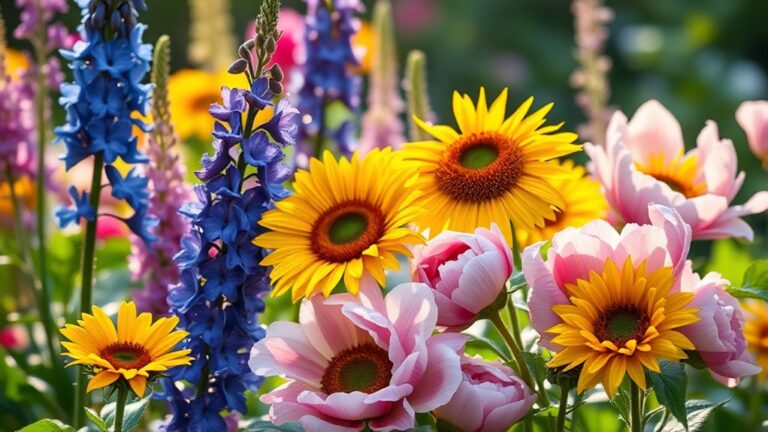
| Flower gardening | Color, beauty, and pollinators |
| Edible landscaping | Beauty plus food |
Pick native plants when you want lower-maintenance choices that suit your area. Use permaculture principles to combine functions, like shade, groundcover, and harvest.
Seasonal gardening helps you plan what blooms or produces now and later, so your garden keeps working through the year. Choose one style or blend several, and let your layout match how you live, grow, and enjoy the space.
Test and Improve Your Soil

Before you plant, check what your soil can actually support. Start with soil testing so you know your pH levels, nutrient balance, and whether your bed needs help. If the results show poor soil structure or low organic matter, mix in soil amendments like compost, aged manure, or leaf mold. These improve texture, feed roots, and boost microbial activity.
Watch for drainage issues by watering a small area and seeing how fast it drains. Soggy soil doesn’t need sand; it needs better aeration and more organic matter.
Use composting techniques to recycle kitchen scraps and build healthier beds over time. Spread mulch to protect the surface, reduce soil erosion, and keep moisture steady.
Then retest after a season so you can adjust before planting again. Good soil doesn’t happen once; you build it step by step, and every improvement makes your garden stronger, more productive, and easier to manage year after year.
Map Your Garden Beds
Once you know your soil is ready, sketch out your garden beds so you can place each crop where it’ll grow best. Start with a simple garden layout that shows sun, shade, paths, and water access.
Group beds by function, and mark planting zones so you can track what each area needs over time. Add design elements like borders, trellises, or raised edges if they fit your space and style.
Use companion planting to pair crops that support each other and reduce wasted room. Plan for seasonal rotation now so you can move crops around each year without confusion.
Include accessibility features such as wide paths, reachable bed widths, and spots for tools or seating. Keep aesthetic considerations in mind, but don’t let them override practicality.
Good maintenance planning makes upkeep easier, helps you weed and harvest efficiently, and keeps your garden beds organized from the start.
Choose Plants for Your Climate
Choose plants that match your local climate, because the right crops will grow stronger with less effort from you. Start with your gardening zones and check each plant’s hardiness before you buy. Native plants often handle heat, cold, and pests better than imported choices, plus they support local wildlife.
Look for seasonal blooms so your garden stays colorful from spring through fall. If your site stays dry, choose drought-tolerant varieties. If it holds water, pick species that can manage higher soil moisture.
You should also notice microclimates near walls, fences, or shaded corners since they can change what thrives. Ask local nurseries for pollinator-friendly options and region-specific advice. You can mix plants with companion planting to improve growth, reduce pests, and make smart use of space.
When you match each plant to your conditions, you’ll create a healthier garden that needs less correction later.
Gather Your Garden Tools
With your plant list set, pull together the basic tools that’ll make planting and maintenance easier. You don’t need a huge collection to begin; a sturdy trowel, hand fork, pruners, gloves, and a watering can cover most jobs. Add a spade if you plan to move soil or dig larger holes, and keep a kneeling pad nearby to spare your knees. Choose tools that feel comfortable in your hands, because you’ll use them often.
Set up simple garden organization so everything stays easy to find. Hang tools on hooks, store small items in a bucket, and keep labels, twine, and seeds in one container. Good tool maintenance also matters: rinse off dirt after use, dry metal parts, and sharpen blades when they dull. When you care for your tools, they last longer and work better, saving you time and effort throughout the season.
Plant Your Garden Correctly
When you plant your garden, make sure to give each seed or seedling enough space so it doesn’t crowd its neighbors. It’s a good idea to check the spacing instructions for each plant. That way, you leave plenty of room for air, light, and roots to spread out.
Next, place each one at the right depth. This helps them establish strong, healthy growth and thrive in your garden.
Choose Proper Spacing
Proper spacing gives each plant the room it needs to grow strong, access sunlight, and draw in water and nutrients without competing too heavily with its neighbors. You can plan spacing techniques by checking each plant’s mature width, then marking holes before you dig.
Use plant arrangements that place tall crops where they won’t shade shorter ones, and leave paths wide enough for easy care. If you crowd seedlings, they’ll trap moisture, invite disease, and limit airflow.
Give sprawling plants extra room, and group compact varieties more closely when it makes sense. You’ll waste less water and fertilizer, and your garden’ll look neater too.
Read seed packets or tags carefully, then adjust for your soil and climate so every plant can spread, breathe, and thrive.
Set Planting Depth
Set each plant at the right depth so its roots can anchor well and its stem won’t rot or dry out. Check the seed packet or tag for depth guidelines before you dig.
Most seeds need only a thin covering, while transplants should sit at the same level they grew in their pots, unless the plant prefers deeper placement. Use careful planting techniques: firm the soil lightly around roots, then water to settle it.
Don’t bury stems too deeply, because excess moisture can cause rot. If you plant too shallow, roots may dry out or lift from the soil. After planting, mulch lightly to help hold moisture and protect the surface.
Recheck each hole before you move on, and you’ll give your garden a strong start.
Water, Mulch, and Feed Plants
Water your garden deeply and consistently so roots grow down instead of staying near the surface. Use smart irrigation techniques to deliver moisture to the soil, not the leaves, and set watering schedules that match your weather and plant needs.
Water deeply and consistently so roots grow down, and match watering to weather and plant needs.
- Check soil with your finger before you water again.
- Choose mulch types like straw, shredded bark, or compost to hold moisture and cut weeds.
- Feed with organic fertilizers to supply steady plant nutrients without burning roots.
- Apply a light topdress after watering so nutrients move into the root zone.
You’ll grow stronger plants when you water less often but more thoroughly. Mulch also helps regulate temperature and supports pest control by keeping soil from splashing onto stems.
Watch your plants’ leaves and growth, then adjust your routine as conditions change. Consistent care now means healthier roots, better blooms, and a more productive garden later.
Protect Plants From Pests and Weather
Even a healthy garden can lose ground fast if pests or harsh weather get ahead of you, so inspect plants regularly and act early. Use pest monitoring to spot chewed leaves, eggs, or wilt before trouble spreads.
For organic pest control, handpick insects, spray insecticidal soap, and encourage beneficial insects like ladybugs and lacewings. Add companion planting with companion flowers such as marigolds and alyssum to confuse pests and lure helpers.
Shield seedlings with row covers and other protective barriers when insects, hail, or wind threaten. Choose weather resistant plants for exposed spots, and set up natural repellents like garlic sprays or neem where damage recurs.
Make seasonal adjustments by moving pots, staking tall stems, and covering tender growth before cold snaps or heat waves. Small, steady checks help you protect your garden without harsh chemicals, and they save your plants from avoidable stress.
Keep Your Garden Growing All Season
To keep your garden productive from spring through fall, plan for succession at every stage. Choose plant selection that matches your climate, then stagger seasonal planting so beds never sit empty. Rotate crops each year to reduce disease and feed the soil. Use companion planting to support growth, attract pollinators, and confuse pests.
- Schedule garden maintenance weekly: weed, mulch, prune, and harvest often.
- Add soil amendments like compost or aged manure to restore nutrients between plantings.
- Practice pest management early by checking leaves, removing damage, and using barriers or beneficial insects.
- Prepare for weather with row covers, shade cloth, and extra watering during heat or cold snaps.
When you stay flexible and observe each bed closely, you’ll extend harvests, improve plant health, and keep your garden growing strong all season.
Frequently Asked Questions
How Much Does It Cost to Start a Garden?
You can start a garden for about $50 to $300, depending on size and what you grow. You’ll spend the most on soil preparation, seeds, tools, and containers.
Good seed selection can save money because you won’t waste space on weak plants. If you already have fertile soil and basic tools, you can keep costs low.
Start small, reuse supplies, and you’ll stretch your budget further.
Can I Start a Garden on a Balcony?
Yes, you can start a garden on a balcony, even if you think you don’t have enough space. Picture bright tomatoes, herbs, or flowers thriving in a few sunny pots outside your door.
With balcony gardening, you can use smart container options, like hanging baskets, railing planters, and lightweight pots. You’ll just need good sunlight, drainage, and regular watering.
Start small, and you’ll grow a lively, rewarding space quickly.
When Is the Best Time to Plant Seeds Indoors?
You’ll usually plant seeds indoors 6 to 8 weeks before your last frost date, so they’re ready for transplanting. For seed starting, choose seed varieties that suit your space and use the right soil types for drainage.
Keep temperature control steady, add strong indoor lighting, and follow germination tips like consistent moisture and warmth. You’ll give seedlings a healthy head start and better chances of thriving outdoors.
How Do I Keep Garden Tools From Rusting?
Like a ship in dry dock, your tools need protection. You can keep garden tools from rusting by cleaning off dirt after each use, drying them thoroughly, and storing them indoors.
Add a light coat of oil to metal parts for rust prevention, and check handles and joints during tool maintenance. Don’t leave tools outside in damp air. Sharpen blades regularly so moisture can’t linger and damage them.
What Vegetables Are Easiest for Beginners to Grow?
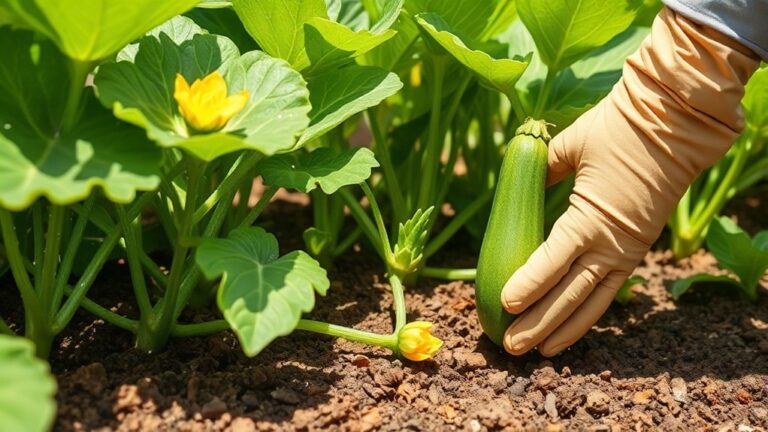
You’ll have the easiest time growing lettuce, radishes, bush beans, zucchini, and cherry tomatoes. These crops forgive mistakes, sprout fast, and reward you quickly.
If you’re new to herb gardening, basil and mint are simple wins too. Pick container vegetables if you lack space, and match soil types to each plant’s needs.
Stay on top of pest management by checking leaves often and removing trouble early.
Conclusion
Starting a garden doesn’t have to feel overwhelming. When you choose the right spot, improve your soil, and pick plants that fit your climate, you give your garden a strong start.
Did you know that gardeners who mulch can reduce water loss by up to 50%? Keep watering, feeding, and protecting your plants, and you’ll enjoy steady growth all season long.
With these simple steps, you’re ready to grow something beautiful. Starting a garden is easier than you think!