How to Rejuvenate Garden Soil in 3 Steps
If you’ve ever struggled with tired, unproductive garden soil, you’re not alone. Many gardeners find it frustrating when their plants don’t thrive despite their best efforts.
Rejuvenating garden soil can feel overwhelming, but with the right approach, you can bring it back to life and enjoy a flourishing garden.
Start by testing your soil’s pH, nutrients, and drainage so you know what it needs and avoid guesswork.
Next, mix in 2 to 4 inches of finished compost or other well-rotted organic matter into the top 6 to 8 inches to improve structure, moisture balance, and fertility.
Finish by adding a 2 to 3 inch layer of mulch to protect the soil, hold moisture, and reduce weeds.
There’s more to fine-tune for even better results.
Key Takeaways
- Test your soil’s pH, nutrients, and drainage first to identify what needs improvement.
- Add 2 to 4 inches of finished compost or other organic matter, then work it into the topsoil.
- Mulch the bed with 2 to 3 inches of straw, leaves, or wood chips to protect moisture and suppress weeds.
- Water deeply and monitor soil moisture, drainage, and erosion to keep conditions stable.
- Replenish compost and mulch regularly to maintain healthy soil structure and fertility.
Test Soil pH, Nutrients, and Drainage

Before you add anything to tired garden soil, test the basics: pH, nutrient levels, and drainage. Start with soil testing so you know what your beds actually need. A simple kit or lab report can show pH levels and reveal which nutrients are missing or excessive.
If the pH is too high or too low, plants can’t absorb food well, even when fertilizer is present. Aim for the right nutrient balance for the crops you want to grow, not a one-size-fits-all fix.
Next, check drainage by digging a small hole, filling it with water, and seeing how fast it empties. Slow drainage means roots may sit in water and struggle. If water pools, you’ll need drainage solutions before planting.
When you understand these three factors, you can make smarter choices and avoid wasting time, money, and effort on guesswork.
Mix in Compost and Organic Matter

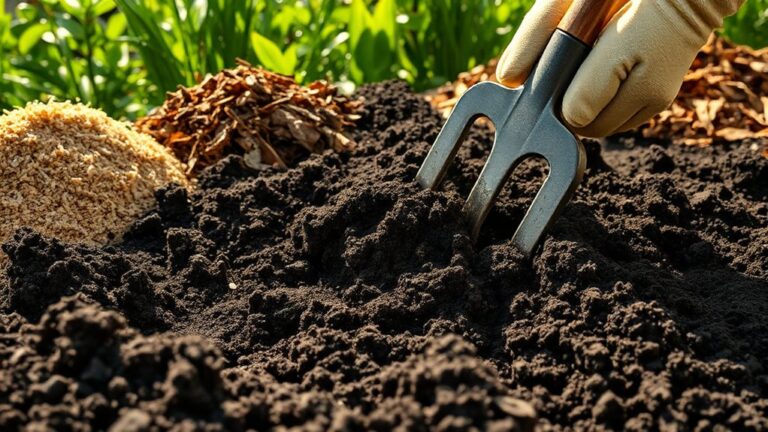
Compost is one of the fastest ways to bring tired soil back to life. You can spread a 2- to 4-inch layer over the bed and work it into the top 6 to 8 inches with a fork or shovel. This boosts soil structure, feeds microbes, and improves moisture balance.
Compost quickly revives tired soil, improving structure, feeding microbes, and helping moisture stay balanced.
The compost benefits show up quickly, especially in compacted or depleted ground. Add other organic matter, too, if you want richer texture and better root growth.
Use finished compost, not fresh scraps. Mix in leaf mold for extra softness. Add well-rotted manure for nutrients. Blend in shredded plant debris. Work amendments evenly through the soil.
You’ll see better tilth, easier digging, and stronger plant growth when you keep adding organic matter each season. Focus on quality, then let the soil biology do the rest.
Mulch and Maintain Soil Health
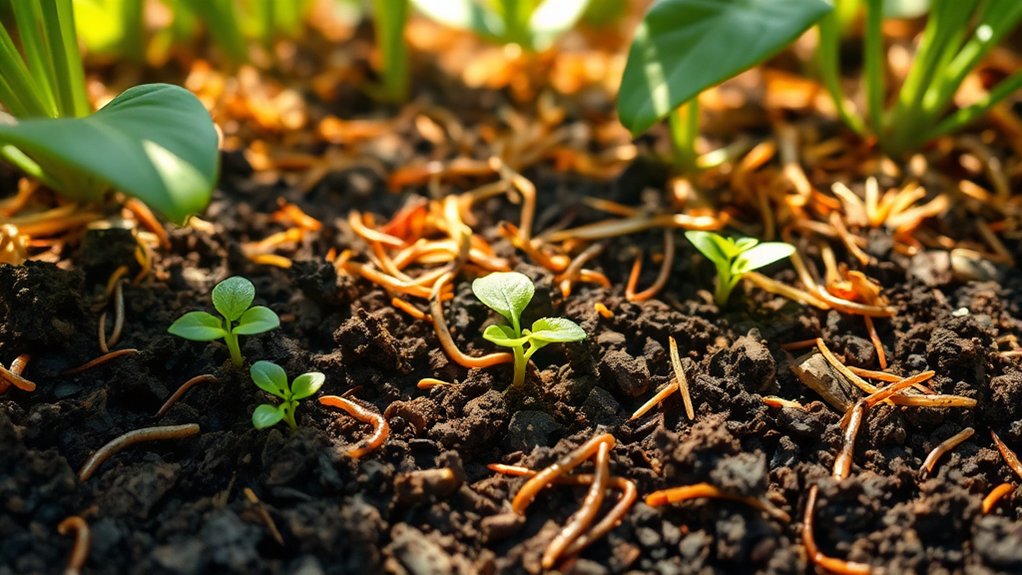
Once you’ve built up the soil with compost and other organic matter, lock in those gains with a 2- to 3-inch layer of mulch. You’ll keep roots cooler, reduce weed competition, and slow evaporation so your soil moisture stays steadier between waterings.
Choose shredded leaves, straw, wood chips, or composted bark, and keep mulch a few inches away from stems and trunks to prevent rot.
As it breaks down, mulch feeds soil life and improves structure, so you get more than just surface coverage. Those mulch benefits add up over time: better aeration, fewer crusted patches, and less erosion after heavy rain.
Refresh thin spots as the season goes on, and replace compacted mulch before it mats together. If you garden in dry weather, check underneath regularly and water deeply when the top inch feels dry.
With consistent mulching, you’ll protect the work you’ve already done and help your garden soil stay fertile, resilient, and ready for strong growth.
Frequently Asked Questions
How Often Should Garden Soil Be Rejuvenated?
You should rejuvenate your garden soil every year, especially after each growing season. If you grow heavy feeders or harvest intensively, you may need to refresh it more often, even midseason.
Watch for poor growth, crusting, or weak drainage, since those signs mean your soil health needs help. Add compost and other amendments to restore nutrient balance, and you’ll keep your garden productive, resilient, and easier to manage.
Can I Use Coffee Grounds in Garden Soil?
Yes, you can use coffee grounds in garden soil, but don’t treat them like magic dust. You’ll get coffee benefits such as added organic matter and a small nutrient boost.
You should mix grounds into compost or sprinkle them lightly, not pile them thickly. They can affect soil acidity, but used sparingly, they usually won’t hurt most plants.
Always watch your soil and adjust what you add.
Which Cover Crops Improve Soil Fertility Fastest?
You’ll get the fastest fertility boost from legumes like clover, hairy vetch, field peas, and winter peas. These nitrogen fixers partner with soil bacteria and pump nitrogen into your beds quickly.
Buckwheat also helps by growing fast, shading weeds, and adding biomass. For better soil health, chop and drop them before they seed, then let the residue decompose.
You’ll feed microbes, improve structure, and prepare richer soil for planting.
Is Clay Soil Harder to Rejuvenate Than Sandy Soil?
Yes, clay soil’s usually harder to rejuvenate than sandy soil; it can feel like wrestling stone. You’ll face clay benefits, though, like better nutrient retention and water-holding capacity.
Sandy challenges are different: it drains fast and loses fertility quickly, so you’ll need frequent additions of compost and mulch. You can improve either soil, but clay demands more patience, while sandy soil demands more consistent feeding and moisture management.
When Is the Best Season to Refresh Garden Beds?
You’ll usually refresh garden beds best in early spring or in fall, when weather stays mild and plants aren’t stressed.
In spring, you can add compost before spring planting so soil warms and feeds new growth. In fall, you can focus on fall preparation by spreading mulch and organic matter, giving beds time to settle over winter.
Either season works, but you’ll get the best results when you match your timing to planting plans.
Conclusion
By testing your soil first, you’ll know exactly what it needs, not just guess and hope. Then, when you mix in compost and other organic matter, you’ll feed tired soil and wake it up fast.
Finish by mulching and keeping up with soil care, and you’ll build a garden bed that’s healthier than ever. These three steps can transform exhausted dirt into a thriving foundation for growth almost overnight.
With these simple steps, you can rejuvenate garden soil and create the perfect environment for your plants to flourish.