How to Prevent Blossom End Rot
If you’ve ever been frustrated watching your tomatoes or peppers develop those ugly brown spots at the bottom, you’re not alone. Many gardeners struggle with blossom end rot, a common problem that can ruin an otherwise thriving harvest.
The good news is, with the right approach, you can keep your fruit healthy and looking great.
You can prevent blossom end rot by keeping calcium moving steadily into developing fruit. Water consistently, especially during dry spells, and check the soil before watering so you don’t swing between too dry and too wet.
Water deeply at the base, add mulch, and keep soil loose and healthy with compost.
Avoid excess nitrogen, choose well-drained pots or beds, and use calcium amendments only if soil tests show a need.
There’s more to fine-tuning it, too.
Key Takeaways
- Keep soil moisture consistent with deep watering, avoiding drought and saturation swings. This helps your plants stay happy and healthy.
- Water at the base and mulch around the plants to reduce evaporation. Mulching also helps keep root-zone moisture stable.
- Improve soil health with compost and good drainage so roots can absorb calcium effectively. Healthy soil means healthier plants.
- Test soil before adding calcium and only use the right amendment if needed. This prevents overdoing it and keeps things balanced.
- Prevent plant stress by spacing plants well, avoiding excess nitrogen, and choosing vigorous varieties. Less stress means less chance of blossom end rot.
What Causes Blossom End Rot?
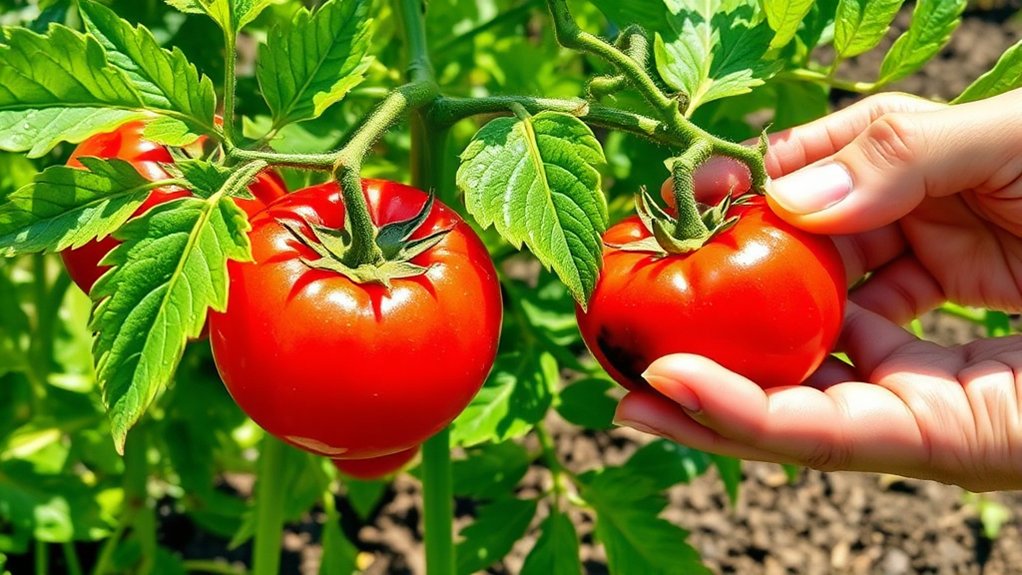
Blossom end rot happens when your plant can’t move enough calcium to the developing fruit, usually because of inconsistent watering or stress that disrupts nutrient uptake. You usually see it as a calcium deficiency problem, but the real issue is often that the plant can’t transport calcium where it’s needed most.
Fast-growing fruits demand a steady supply, and when roots can’t absorb or deliver it efficiently, the blossom end breaks down. Environmental stress makes this worse by interfering with root function and limiting nutrient movement inside the plant.
Fast-growing fruits need steady calcium, and stress can disrupt root uptake and break down the blossom end.
Hot spells, root damage, and heavy fruit load can all increase the risk. You don’t cause the problem by simply lacking calcium in the soil; your plant may already have enough available but can’t use it properly.
That’s why blossom end rot shows up most often in tomatoes, peppers, and squash during periods of plant stress.
Check Soil Moisture Before Watering

Before you water, try checking the soil moisture with your finger or a moisture meter to see if the roots actually need it. If the top inch feels dry but the soil underneath still holds some moisture, it’s better to wait a bit longer. By checking first, you’ll be able to time your watering just right and help keep blossom end rot under control.
Soil Moisture Testing
To keep your plants from getting overwatered or dried out, check the soil before you water. You can use simple soil testing to judge moisture by feel, or rely on moisture sensors for a quicker read. Push your finger 2 inches into the bed; if it feels dry, water. If it feels cool and damp, wait.
Use this quick guide:
| Test | What you feel |
|---|---|
| Finger test | Dry, crumbly soil needs water |
| Hand squeeze | A loose clump means moderate moisture |
| Sensor reading | Follow the probe’s dry or wet signal |
When you test often, you spot problems early and keep roots steady. Consistent moisture helps tomatoes absorb calcium and reduces blossom end rot.
Watering Timing Checks
Check the soil before you water, and only water when the top few inches feel dry. This simple timing check keeps roots from swinging between drought and saturation, which helps prevent blossom end rot. Use your fingers, a trowel, or a moisture meter as moisture indicators, and don’t rely on the surface alone.
If the soil still feels cool and damp below the crust, wait another day. When you do water, apply it slowly at the base so it reaches the root zone evenly.
Smart watering techniques matter more than watering on a strict schedule because heat, wind, and container size change how fast soil dries. By checking first, you give plants steady moisture without overdoing it, and that balance supports healthy fruit development.
Water Blossom End Rot-Prone Plants Deeply

Water blossom end rot-prone plants deeply so the moisture reaches all the way down to the roots, not just sitting near the surface. It’s better to set up a deep-soaking schedule that keeps the soil consistently moist, without letting it dry out between waterings.
Deep Soaking Schedule
When dry spells hit, give blossom end rot-prone plants a deep, thorough soaking instead of frequent light sprinkles. You’ll help roots grow downward and support steady fruit development with deep watering that reaches 6 to 8 inches below the surface.
Aim for a simple schedule:
- Water once or twice a week, depending on heat and rainfall.
- Soak early in the morning so plants can absorb moisture before midday stress.
- Check the soil a few inches down; if it’s dry, water again.
Mulch after each soaking to improve moisture retention and slow evaporation. This rhythm keeps roots from bouncing between dry and wet conditions, which can trigger stress in tomatoes, peppers, and squash.
Even Soil Moisture
Keeping soil moisture even is one of the best ways to prevent blossom end rot, because roots need a steady supply of water to move calcium into developing fruit. You should water deeply and regularly so the root zone stays evenly damp, not soggy or dry.
Aim for consistent watering, especially during hot spells, when plants can wilt quickly and fruit growth speeds up. Check the top few inches of soil before you irrigate, and water again before plants stress.
Mulch around the base to slow evaporation and support moisture balance between rains and watering. Avoid letting containers dry out completely, since swings in moisture can trigger fruit problems.
If you keep conditions steady, you’ll give tomatoes, peppers, and squash a better chance to grow clean, healthy fruit.
Improve Soil Health for Calcium Uptake
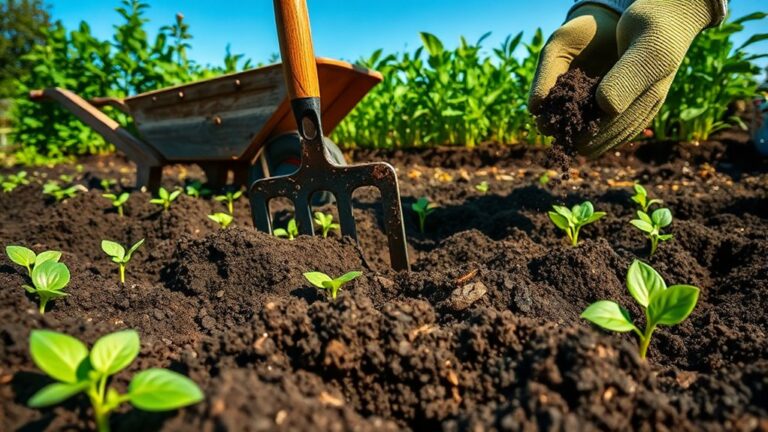
Healthy soil helps roots absorb calcium more efficiently, which can go a long way toward preventing blossom end rot. You can strengthen that foundation by feeding your soil, not just your plants. Add compost or other soil amendments to improve structure and support steady root growth, and test often so you keep nutrient balance in check. When your soil stays biologically active and well-aerated, roots can move calcium through the plant more effectively.
- Work in finished compost before planting to build organic matter.
- Use a soil test to spot pH issues and adjust with the right amendments.
- Avoid heavy nitrogen inputs that push leafy growth ahead of calcium delivery.
You should also loosen compacted beds so roots can spread and investigate more soil. Healthy, living soil won’t fix every issue, but it gives your crop a better chance to take up calcium consistently and produce stronger, cleaner fruit throughout the season.
Mulch to Stabilize Soil Moisture
Mulch is great for holding moisture in the soil, which means your plants won’t dry out as quickly between waterings. Plus, it helps keep the soil moisture more consistent. This steady moisture supports your plants’ nutrient uptake and can even lower the risk of problems like blossom end rot.
Just spread a layer of mulch around your plants, and you’ll see less fluctuation in soil moisture. It’s an easy way to help your garden thrive!
Moisture Retention Benefits
When soil moisture swings from very dry to very wet, your plants struggle to absorb calcium evenly, which can trigger blossom end rot. Mulch helps you hold water in the root zone longer, so you’ll need less frequent irrigation and get better moisture conservation. It also cushions the soil surface, slowing evaporation after hot sun or wind. Use it to support smarter watering techniques, not to replace them.
- Spread 2 to 3 inches of organic mulch around each plant.
- Keep mulch a few inches from stems so air can move freely.
- Replenish thin spots after heavy rain or breakdown.
With that extra protection, you’ll reduce stress, protect roots, and keep your plants using water more efficiently throughout the season.
Even Soil Moisture
Even soil moisture is one of the biggest defenses against blossom end rot, because calcium moves best when roots can take up water consistently. You should mulch around tomatoes, peppers, and other prone crops to slow evaporation and keep the root zone steady. Use straw, shredded leaves, or composted bark in a layer that covers the soil but leaves the stem clear.
Water deeply and on a regular schedule instead of soaking plants after dry spells. Drip irrigation helps you deliver water directly to the roots without wetting foliage or wasting runoff. If weather swings a lot, check the soil with moisture sensors so you can adjust before plants stress.
When you prevent sharp dry to wet changes, you help fruits develop normally and reduce blossom end rot.
Prevent Root Stress From Overcrowding
If your plants are packed too tightly, their roots compete for water, nutrients, and space. This can trigger blossom end rot by stressing the plant and limiting steady growth. When you crowd tomatoes or peppers, you increase root competition and invite a nutrient imbalance that shows up as weak, uneven fruit development.
Give each plant enough room so roots can spread and support healthy growth. You can prevent overcrowding by following planting labels, thinning seedlings early, and moving containers before roots tangle.
- Space plants properly at transplanting.
- Thin weak starts before they root-bound.
- Repot or divide containers when growth slows.
Watch for stunted plants, yellow leaves, and soil that dries out too fast; these signs often mean roots need more room. With better spacing, you reduce stress and help your plants take up what they need consistently.
How to Use Calcium Amendments
Calcium amendments can help, but they only work well when you use them to fix an actual calcium shortage, not just as a routine cure-all. Start by testing your soil or water if you can, then pick the right calcium sources, such as gypsum, lime, or calcium nitrate, based on what your soil needs.
If your pH is already fine, lime may not be the best choice, while gypsum adds calcium without changing pH much. Mix granular products into the root zone before planting, or apply a soluble option as a directed feed when you need a quicker response.
Good amendment timing matters because your plants need steady calcium during active fruit growth, not after damage appears. Follow label rates, water evenly, and avoid overapplying, since too much won’t solve uneven moisture or poor uptake. Use amendments as one part of a balanced plan, and you’ll support healthier fruit development.
Choose Resilient Varieties and Strong Starts
The best prevention starts before blossom end rot ever shows up, with the varieties you grow and how you get them established. Choose resilient varieties that handle heat, drought, and uneven weather better than fragile types. When you plant, give each seedling strong starts by setting it into well-prepared soil, watering it in thoroughly, and protecting it from early stress.
Healthy roots help the plant move calcium steadily to developing fruit, which lowers your risk later.
- Pick varieties known for dependable fruit set and good vigor.
- Start seeds or transplants on schedule so plants aren’t cramped or overgrown.
- Harden off seedlings before planting so they adjust smoothly outdoors.
You’ll also want to space plants properly and avoid crowding, since competition can weaken growth. Focus on steady establishment now, and you’ll give your garden a better chance to produce firm, healthy tomatoes later without the frustration of blossom end rot.
Prevent Blossom End Rot in Containers
In containers, blossom end rot often shows up faster because pots dry out and nutrients shift more quickly than in garden beds. You can lower the risk by matching plant size to the right pot and choosing roomy container types with drainage holes.
Use a quality potting mix, not garden soil, so roots get air and water moves evenly. Water deeply whenever the top inch feels dry, and keep moisture steady rather than letting the mix swing from soggy to bone dry.
Feed with a balanced fertilizer that supports healthy growth without pushing excess nitrogen, and check labels to protect nutrient balance. If you use saucers, empty them after watering so roots don’t sit in runoff.
Mulch the surface with straw or fine bark to slow evaporation. In hot weather, group pots where they get morning sun and afternoon shade so the root zone stays cooler and more stable.
How to Fix Blossom End Rot on Existing Fruit
If blossom end rot has already shown up on your fruit, you can’t repair the damaged spots, but you can stop the problem from getting worse and save the rest of the crop. First, harvest any fruit with only slight damage and use it soon. This limits stress on the plant and supports damage recovery.
Then adjust your watering so the soil stays evenly moist, not soggy or bone dry. A deep, consistent soak works better than frequent splashes. Next, feed the plant with a balanced fertilizer that isn’t too heavy on nitrogen, and add calcium only if a soil test shows a need.
- Remove badly affected fruit.
- Keep moisture steady.
- Mulch and monitor new growth.
If you grow in pots, check drainage and resize containers if roots are crowded. This fruit treatment won’t reverse old spots, but it can protect upcoming fruit and improve your next harvest.
Frequently Asked Questions
Can Blossom End Rot Spread From One Plant to Another?
No, blossom end rot doesn’t spread from one plant to another like a disease. You’re usually seeing a calcium deficiency caused by plant stress, not an infection.
If one plant has it, your others can still stay healthy if you water evenly, mulch well, and avoid sudden drying or overfeeding with nitrogen. Check soil moisture and root health, and you’ll reduce the chance of more fruit showing damage.
Does Blossom End Rot Affect Fruits Already Harvested?
No, blossom end rot doesn’t keep affecting fruit after you harvest it, but you’ll still see the damage on that fruit. You can’t reverse the rot, and it will hurt fruit quality, especially if you pick too late.
You should harvest at the right harvest timing and remove damaged fruit quickly. If you store affected fruit, it may soften or decay faster, so use healthy-looking fruit first.
Which Vegetables Are Least Likely to Get Blossom End Rot?
You’re least likely to see blossom end rot in leafy greens, beans, peas, and brassicas like cabbage and broccoli. One study found tomatoes can lose up to 30% of marketable fruit to this issue, so you’re smart to choose safer crops.
Among tomato varieties, cherry types often suffer less than large slicers. Keep soil moisture steady, and you’ll reduce stress on your vegetables and protect your harvest.
Can Foliar Calcium Sprays Stop Blossom End Rot Quickly?
Not usually. You can spray calcium quickly, but you won’t stop blossom end rot overnight because the problem often starts with uneven water uptake, not just low calcium. Use foliar calcium sprays as support, not a cure.
For better results, focus on consistent watering, mulch, and reliable calcium sources in the soil. Also, spray timing matters; apply early and repeat as directed. Don’t expect damaged fruit to heal.
Is Blossom End Rot More Common in Hot Weather?
Yes, blossom end rot is often more common in hot weather because heat boosts effects like rapid growth and higher water loss. You’ll see it more when soil moisture swings from wet to dry since calcium can’t move steadily into developing fruit.
Keep your soil evenly moist, mulch to slow evaporation, and water deeply during heat waves. That won’t fix damaged fruit, but it can reduce future problems.
Conclusion
Blossom end rot can feel frustrating, but you can stop it before it starts. Keep your soil evenly moist, feed the roots with care, and choose strong plants that can handle stress.
Add mulch, use calcium wisely, and pay extra attention to containers. With steady habits, your garden will thrive like a well-tuned orchestra, each plant growing in harmony.
Stay consistent, and you’ll give your fruits the best chance to ripen beautifully and prevent blossom end rot.