7 Best Houseplants for Beginners
If you’ve ever wanted to brighten up your home with greenery but felt overwhelmed by plant care, you’re not alone. Many people struggle to keep houseplants alive, especially when starting out.
Finding the right plants that fit your lifestyle and space can make all the difference.
If you’re new to houseplants, start with snake plant, pothos, spider plant, ZZ plant, peace lily, and other easy growers that handle missed waterings and low light. Best Houseplants for Beginners.
Look for sturdy leaves, drainage holes, and compact plants that bounce back fast.
Water only when the top inch of soil feels dry, rotate pots weekly, and feed lightly in spring and summer.
With a few smart picks, you can keep your indoor jungle thriving—and there’s more to learn next.
Key Takeaways
- Snake plants, pothos, spider plants, ZZ plants, and peace lilies are beginner-friendly because they tolerate neglect and recover well.
- Choose plants with sturdy leaves, simple care needs, and signs that clearly show when they need water.
- Most beginner houseplants do best in bright, indirect light. Though pothos, snake plants, and ZZ plants tolerate lower light.
- Water only when the top inch of soil is dry, and use pots with drainage to prevent root rot.
- Inspect regularly for pests, trim damaged leaves, rotate plants weekly, and repot only when roots crowd the pot.
What to Look for in Beginner Houseplants?

When you’re choosing beginner houseplants, look for varieties that can handle a little neglect and still thrive. You want ideal plant characteristics like tolerance for inconsistent watering, adaptability to indoor light, and steady growth without constant fuss.
Strong beginner plant selections usually have sturdy leaves, simple needs, and a forgiving nature if you miss a task now and then. Favor plants that stay compact, resist common stress, and recover quickly from minor mistakes.
If you’re just starting out, avoid species with demanding routines or dramatic reactions to small changes. Instead, choose plants that clearly show when they need attention so you can learn from them without frustration.
You’ll build confidence faster when your first plants reward consistency instead of perfection. By focusing on resilience, manageable size, and easy observation, you set yourself up for success and enjoy the process more.
Snake Plant Care Basics

You’ll keep your snake plant happiest in bright, indirect light. But don’t worry if the light is a bit lower—it can handle that too. Just remember to water it only when the soil has dried out.
Also, make sure you use a fast-draining potting mix and a pot with drainage holes. This way, any extra moisture won’t just hang around the roots. And watch out for common pitfalls like overwatering, heavy soil, or pots that trap water—they can really cause trouble for your plant.
Light and Water Needs
Snake plants are easygoing, but they still need the right light and a careful watering routine to stay healthy. You’ll get the best growth by matching their light requirements to bright, indirect light. They’ll tolerate low light too.
Rotate the pot sometimes so the leaves grow evenly.
| Condition | What You Do | Result |
|---|---|---|
| Bright light | Place near a window | Faster growth |
| Low light | Keep farther from sun | Slower growth |
| Watering | Check soil first | Fewer problems |
For water frequency, wait until the soil dries out completely before you water again. Then soak thoroughly and let excess water drain away. If you’re unsure, skip watering; snake plants handle drought far better than soggy roots.
Potting and Soil Mix
For a snake plant, the right pot and soil make a big difference because they help prevent root rot and keep the plant stable. Choose a pot with drainage holes and only one size larger than the root ball so you don’t leave excess moisture around the roots.
Use potting techniques that keep the plant upright, then fill around it without packing the mix too tightly. Select soil types that drain fast, such as cactus or succulent mix, or blend regular potting soil with perlite or coarse sand. This airy mix lets roots breathe and supports healthy growth.
When you repot, gently loosen crowded roots and set the plant at the same depth it grew before.
Common Care Mistakes
Even with the right pot and soil, snake plants can still struggle if you make a few common care mistakes. Overwatering issues are the biggest problem. Let the soil dry out fully before you water again.
Lighting mistakes can also slow growth. Keep your plant in bright, indirect light, though it’ll tolerate lower light. Avoid cold drafts and soggy saucers because they can stress roots.
| Mistake | Fix |
|---|---|
| Too much water | Check soil first |
| Poor light placement | Move near a bright window |
| Wet feet | Empty the saucer |
You’ll also want to skip frequent repotting and heavy fertilizer. Snake plants prefer a steady routine, not constant attention.
Why Pothos Is the Easiest Trailing Plant
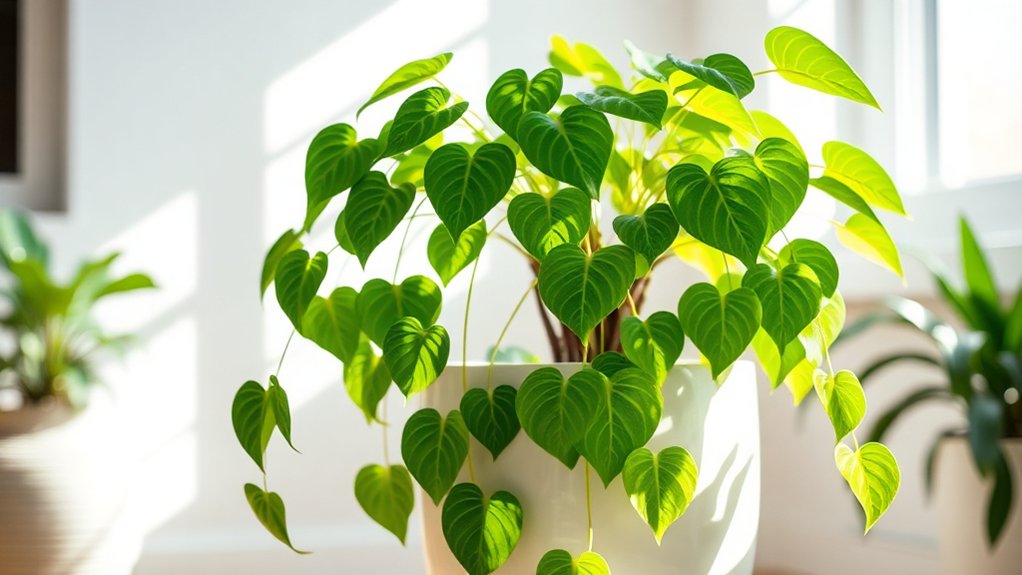
Pothos is a great starter plant because you can place it in low light and it’ll still keep growing. And the best part? You won’t need a complicated routine since it only asks for occasional watering and basic care. So, if you want a trailing plant that’s forgiving and easy to manage, pothos is definitely a smart choice.
Low-Light Tolerance
When you’re looking for a trailing houseplant that can handle less-than-perfect light, pothos is hard to beat. You can place it near a north-facing window, on a shelf across from a brighter room, or in a corner that other plants ignore. Its leaves still stay attractive, so you get dependable indoor greenery without chasing perfect conditions.
That makes it one of the best low light plants for beginners who want a lush look with minimal fuss. As the vines stretch, they soften hard edges and add movement to your space. You’ll also find that pothos adapts well to changing light, so you don’t have to worry if your home gets dimmer in certain seasons. It keeps looking good where many plants fade.
Simple Care Needs
You don’t need a complicated routine to keep pothos thriving, which is a big reason it’s such a beginner-friendly trailing plant. You can water it when the top inch of soil feels dry, and it won’t punish you for the occasional missed watering.
Give it bright, indirect light if you can, but it’ll adapt to dimmer spots too. You can prune vines to shape the plant and encourage fuller growth, and those cuttings make propagation techniques easy to learn.
If you want more plants, root a stem in water and watch it grow. For pest management, just check leaves now and then for mites or mealybugs, wipe them off early, and keep the plant clean. That’s simple care you can stick with.
Spider Plant Benefits and Growing Tips
Spider plants are one of the easiest houseplants to grow, and they reward you with arching green-and-white leaves, helpful air-purifying qualities, and baby “spiderettes” you can easily propagate. You’ll appreciate how a spider plant adds life to a shelf or hanging basket while supporting air purification in your home.
Place it in bright, indirect light and water when the top inch of soil feels dry. You don’t need to fuss over it; this plant handles occasional missed waterings better than many others. Feed it lightly during spring and summer, and trim brown tips if they appear.
When the plant sends out spiderettes, root them in water or soil to expand your collection or share with friends. If you want a low-drama green companion, this classic houseplant delivers beauty, resilience, and easy rewards for beginners.
Why ZZ Plants Work in Low Light
ZZ plants thrive in low light because their thick, waxy leaves store water and help them tolerate neglect better than many houseplants. You’ll notice this Low Light Adaptation lets them keep looking fresh even when you place them away from bright windows.
Their slow growth also means you won’t need to prune or repot often, which adds to the ZZ Plant Benefits for busy beginners. They handle dry indoor air well, and their upright stems keep a neat shape without much effort.
| Feature | Why It Helps | Result |
|---|---|---|
| Waxy leaves | Hold moisture | Fewer watering needs |
| Slow growth | Uses less energy | Less maintenance |
| Upright stems | Stays structured | Clean, simple look |
| Shade tolerance | Adapts to dim rooms | Flexible placement |
| Tough roots | Stores reserves | Better survival |
If you want a plant that forgives occasional mistakes, a ZZ plant gives you reliability, style, and confidence.
How to Care for a Peace Lily Indoors
If you like the easygoing nature of ZZ plants, a peace lily is another beginner-friendly choice that brings a softer, more graceful look indoors. Place your peace lily in bright, indirect light because direct sun can scorch its leaves.
Water when the top inch of soil feels dry, and let excess water drain so roots don’t sit soggy. Use a pot with drainage holes and a loose, well-draining mix to keep growth steady.
You’ll also want to watch indoor humidity since peace lilies prefer a slightly moist environment and may droop when air gets too dry. Wipe dust from the leaves so they can photosynthesize efficiently, and trim any yellowing foliage to keep the plant tidy.
If the leaves wilt, check moisture first. The plant often perks up quickly after a drink. With consistent light, water, and humidity, your peace lily can stay healthy and elegant year-round.
Simple Ways to Keep Houseplants Alive Longer
Keeping houseplants alive longer usually comes down to a few simple habits: give them the right light, water only when they actually need it, and use pots with drainage so roots don’t stay wet. Check the soil with your finger before watering; if the top inch feels dry, it’s time.
Healthy houseplants need the right light, proper drainage, and watering only when the top inch of soil feels dry.
Rotate your plants every week so they grow evenly, and wipe dust off leaves so they can absorb more light. Feed them lightly during spring and summer, but skip fertilizer when growth slows. These plant maintenance tips help prevent stress and make care easier.
You should also inspect leaves and stems for common pests like aphids or spider mites. If you spot trouble, isolate the plant quickly and treat it early. Trim yellowing leaves, repot only when roots crowd the pot, and keep conditions steady.
Small, consistent care beats dramatic fixes every time.
Frequently Asked Questions
How Often Should I Fertilize Beginner Houseplants?
You should fertilize beginner houseplants about once a month during spring and summer, then slow down or stop in fall and winter. You’ll get the best results when you match fertilizer types to your plant and pay attention to nutrient timing.
Use a balanced liquid fertilizer at half strength to avoid burn. If your plant’s growth slows, cut back. Always water first, then feed, so roots can absorb nutrients safely.
Which Houseplants Are Safe for Cats and Dogs?
You can choose spider plants, which stay safe around cats and dogs in most homes. Imagine your cat batting at long green leaves without danger. That’s a pet friendly plant win.
You should also try Boston ferns, parlor palms, and calatheas. Avoid toxic houseplants like lilies, pothos, and philodendrons because even small bites can upset pets.
Place safe plants on shelves, and you’ll keep your home greener and your animals healthier, too.
Can I Propagate Houseplants in Water?
Yes, you can propagate many houseplants in water. You’ll cut a healthy stem below a node, place it in a clean jar, and keep the node submerged.
Change the water weekly and give it bright, indirect light. This water propagation method lets you watch roots form while you practice simple plant care.
Once roots are a few inches long, you can move the cutting into soil for stronger growth.
What Pot Size Is Best for New Houseplants?
Choose a pot just 1 to 2 inches wider than the root ball so you don’t trap extra moisture. You’ll want pot drainage to prevent soggy roots and the right soil type to match your plant’s needs.
If the pot’s too large, the soil stays wet too long and can cause rot. Start small, then repot as the plant grows. Check roots first and size up only when they fill the container.
Do Houseplants Need Humidity in Winter?
Yes, they often do, because indoor heating can dry the air fast. You should watch humidity levels, especially if you notice crispy leaf tips or curled edges.
For winter care, group plants together, use a pebble tray, or run a humidifier near them. You don’t need rainforest conditions for every plant, but many tropical houseplants will thrive with a little extra moisture during colder months.
Conclusion
Choosing the right houseplant can make all the difference when you’re just starting out. If you want a tough, forgiving option, snake plants, pothos, spider plants, ZZ plants, and peace lilies are all great picks.
Here’s an interesting fact: NASA found certain houseplants can help improve indoor air quality, which makes your home feel fresher too. Give your plant simple care, and you’ll enjoy more green with less stress and effort.
When it comes to beginner-friendly greenery, these best houseplants for beginners are a fantastic place to start.