5 Indoor Plants That Need Little Sunlight
If you’re someone who loves having greenery indoors but struggles with low-light spaces, you’re not alone. Many people find it tricky to keep plants alive when sunlight is limited.
The good news is, there are plenty of beautiful indoor plants that need little sunlight and can thrive even in dim corners of your home or office.
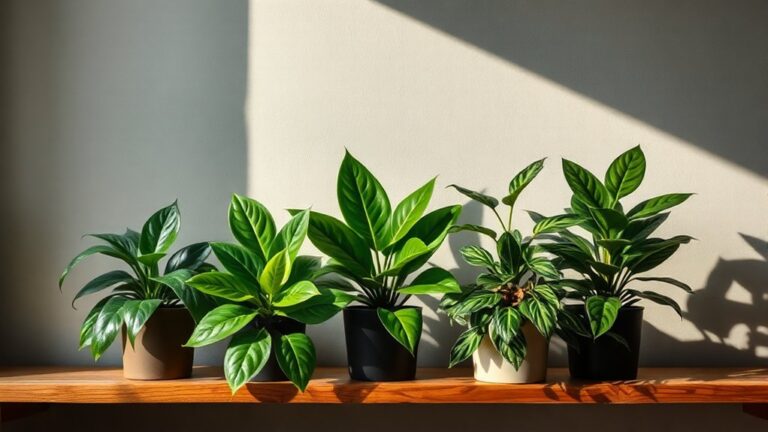
If you need indoor plants that need little sunlight, try snake plants, ZZ plants, pothos, peace lilies, and cast iron plants.
You can place snake plants and ZZ plants in dim corners, while pothos trails nicely in low light. Peace lilies add glossy leaves and white blooms, and cast iron plants handle dark spots with ease.
Water sparingly, use drainage, and enjoy low-maintenance greenery that can do much more for your space.
Key Takeaways
- Snake plants thrive in dim corners and need watering only when the soil is completely dry.
- ZZ plants tolerate low light well and stay healthy with minimal watering and feeding.
- Pothos grows in low light, trails attractively, and is easy to maintain.
- Peace lilies handle dim interiors and add white blooms when kept lightly moist.
- Cast iron plants withstand very low light and suit dark corners with little care.
Snake Plants for Low Light

Snake plants are a smart pick when your space gets little sunlight. You can tuck one into a dim corner, and it’ll still look crisp and upright.
With simple snake plant care, you only need to water when the soil dries out fully, since soggy roots can cause trouble. Give it a pot with drainage, and use a loose mix that lets excess moisture escape.
Water only when the soil is fully dry, and use a pot with drainage to avoid soggy roots.
You don’t need to fuss over humidity or frequent feeding. The snake plant benefits go beyond easy upkeep: it adds a clean, architectural look and can help freshen your indoor air.
If you want a plant that forgives missed waterings and tolerates low light, this one fits the bill. Keep it away from cold drafts, rotate it now and then, and you’ll enjoy steady growth without much effort.
ZZ Plants for Shady Rooms

ZZ plants are a great choice when you’ve got a shady room and want something tough, polished, and easy to live with. You can place one in a corner, on a shelf, or beside furniture, and it’ll still look sleek.
For zz plant care, give it bright indirect light if you can, but don’t worry if your space stays dim. Water only when the soil dries out fully, since overwatering causes more trouble than low light. A pot with drainage helps you keep roots healthy. You don’t need to fertilize often, and you won’t have to fuss with constant pruning.
The main zz plant benefits are simple: it tolerates neglect, keeps its glossy leaves, and adds structure to rooms that feel dark or empty. If you want a plant that handles your busy routine and still looks elegant, a ZZ plant makes an easy, reliable pick for shady rooms.
Pothos for Low-Light Spaces

Pothos are one of the easiest plants to keep in low-light spaces, especially if you want something that trails nicely from a shelf, hangs in a basket, or climbs a small support. You can place it in a room with filtered light, and it’ll still keep growing with very little fuss.
For good pothos care, water only when the top inch of soil feels dry, and use a pot with drainage so roots don’t sit in moisture. You’ll also want to wipe dust from the leaves now and then so they can photosynthesize efficiently.
If vines get too long, trim them back to keep the plant full and tidy. Those cuttings make pothos propagation simple: just root a stem with a node in water or damp soil, then transplant it once new roots form.
With minimal attention, your pothos can stay lush, flexible, and reliable all year long.
Peace Lilies for Dim Interiors
Peace lilies are a great pick for dim interiors because they handle lower light better than many flowering houseplants and still bring a fresh, elegant look to a room. You can enjoy their glossy leaves and white blooms without placing them near a bright window. For steady growth, focus on simple peace lily care and keep the soil lightly moist, but never soggy.
Place yours in bright, indirect light if possible. Water when the top inch of soil feels dry. Wipe leaves to help them absorb more light. Trim faded blooms to keep the plant tidy. Watch for drooping, which tells you it needs water.
The peace lily benefits go beyond beauty. It softens a room, adds calm, and fits easily into bedrooms, offices, or hallways. With a little attention, you’ll keep it healthy and graceful.
Cast Iron Plants for Dark Corners
If you’ve got a corner that barely gets any sun, a cast iron plant is one of the toughest choices you can make. You can place it in a hallway, bedroom, or shaded office, and it’ll keep its deep green leaves looking steady with very little fuss.
Its biggest plant benefits are clear: it tolerates low light, uneven watering, and a busy routine without complaining. You don’t need to baby it, but you should still follow a few care tips. Let the soil dry a bit between waterings, use a pot with drainage, and wipe the leaves now and then so they stay dust-free and glossy.
You can skip direct sun, since harsh rays can scorch the foliage. If you want a plant that adds calm color to a dim space and asks for almost nothing in return, this one delivers. It’s a dependable, low-maintenance pick for shadowy spots.
Frequently Asked Questions
How Often Should Low-Light Indoor Plants Be Watered?
You should water low-light indoor plants only when the top inch or two of soil feels dry. Your watering frequency depends on pot size, humidity, season, and plant type. So, check moisture levels before adding more water.
In winter, you’ll usually water less often. Always empty saucers after watering to prevent soggy roots. If you’re unsure, wait a few days. It’s safer to underwater than overwater.
Which Low-Light Plants Are Safe for Pets?
You can pick pet friendly options like spider plant, Boston fern, and parlor palm; they’re low light varieties that won’t harm curious cats or dogs. Think of your home as a calm green harbor, where these plants sail safely beside your pets.
You’ll still want to keep toxic lookalikes, like pothos and lilies, out of reach. Always check labels before bringing any new plant home, since safety can vary.
Do Low-Light Plants Need Fertilizer Year-Round?
Not usually. You should fertilize low-light plants less often because slow plant growth means they use fewer nutrients.
During spring and summer, feed them lightly with balanced fertilizer types every 4 to 6 weeks. In fall and winter, you can usually stop or cut back a lot.
Always dilute the mix, and watch for salt buildup or weak leaves since too much fertilizer can stress your plant fast.
Can Indoor Plants Survive Under Only Artificial Light?
Yes, you can keep indoor plants thriving under lamps like a lifeline in a dim room. You’ll need the right artificial light types, such as LED or fluorescent, and you should place them close enough for steady growth.
Your plant growth rates may slow compared with natural sun, but many houseplants still survive well. Keep lights on 12 to 16 hours daily, and you’ll help them stay healthy and green.
How Do I Tell if My Plant Is Getting Too Little Light?
You’ll notice too little light when your plant shows light indicators like slow growth, long gaps between leaves, leaning toward windows, and pale or smaller foliage. Watch for plant signs such as dropped lower leaves, weak stems, or soil that stays wet too long because growth has slowed.
If you see these changes, move it closer to a brighter spot and rotate it regularly so all sides get enough light.
Conclusion
With these five tough beauties, you can turn even the gloomiest room into a greener, happier space. Choose a snake plant, ZZ plant, pothos, peace lily, or cast iron plant, and you’ll have low-light champions that practically thrive on neglect.
Seriously, it feels like they can survive almost anything. Start with one, place it where sunlight is scarce, and enjoy fresh style with far less fuss. Your dark corners won’t know what hit them.
These indoor plants that need little sunlight are perfect for brightening up those shadowy spots without any hassle.