5 Best Indoor Plants for Low Light
Struggling to keep your indoor plants alive in low light? You’re not alone. Many people want to brighten up their space with greenery but find that most plants just don’t thrive without plenty of sunlight.
Finding the right low-light plants that are easy to care for can feel like a challenge, but it doesn’t have to be.
For the 5 best indoor plants for low light, choose snake plants, pothos, ZZ plants, peace lilies, and a hardy low-light plant that fits your space and care habits.
Snake plants and ZZ plants handle shade and infrequent watering well, pothos trails beautifully with little fuss, and peace lilies can bloom in brighter indirect light.
Check leaves, roots, and pot size before buying, and you’ll know which one suits your room best as you go deeper.
Key Takeaways
- Snake plants are one of the toughest low-light houseplants. They thrive in dim corners and need very little watering.
- Pothos is an easy trailing plant that grows well in low light. It looks fuller when vines are trimmed and rooted.
- ZZ plants tolerate low light and dry soil. This makes them a low-maintenance choice for darker rooms.
- Peace lilies can bloom indoors in brighter low light. They need consistent moisture but without standing water.
- Choose plants based on available light, your watering habits, and the plant’s overall health before buying.
How to Choose a Low-Light Houseplant
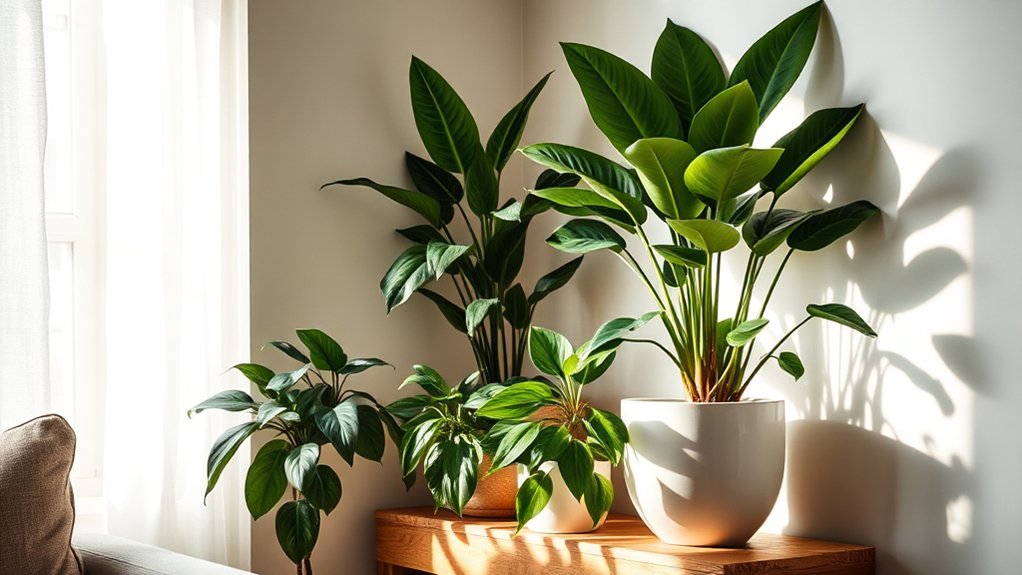
Choosing a low-light houseplant starts with matching the plant to your space, not the other way around. First, notice where daylight reaches your room and how long it lasts.
Choose the plant for your light, not your light for the plant.
Then use simple plant selection tips: pick a plant that tolerates shade, fits your watering habits, and matches your experience level. If you travel often or forget chores, choose one that forgives missed care.
Check the leaves and stems for firmness, color, and pests before you buy. You should also think about container size, because crowded roots struggle faster in dim rooms.
Low light benefits include easier placement in hallways, offices, and bedrooms, plus less risk of sun scorch. Finally, read the plant tag carefully and compare it with your home conditions.
When you choose wisely, you’ll give your plant a better chance to settle in and thrive without forcing your space to change.
Snake Plants for Dark Corners
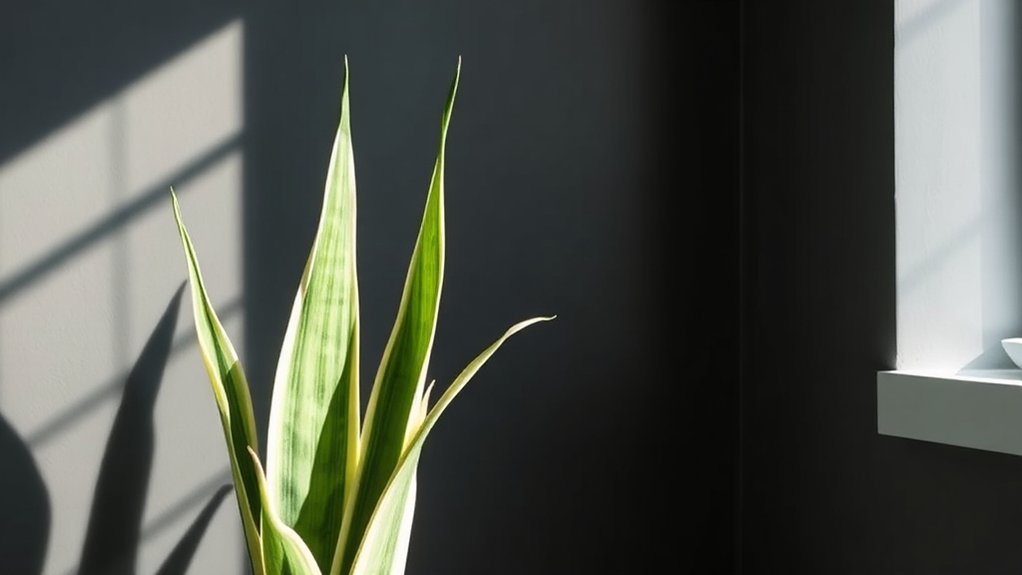
If you want a plant that can handle a dim hallway or a far-off corner, snake plants are one of the toughest options you can choose. You don’t need bright sun to keep them looking sharp, and you won’t have to fuss over them much. Their upright leaves add structure, while their easygoing nature makes them perfect for overlooked spaces.
- Choose from several snake plant varieties, such as compact, tall, or variegated forms, to match your room.
- Place yours in indirect light or shade, then let the soil dry out between waterings.
- Enjoy the snake plant benefits: cleaner-looking décor, strong drought tolerance, and a plant that stays attractive with minimal effort.
When you want a reliable green accent, snake plants deliver. They fit neatly into tight spots, tolerate neglect, and keep your darkest corners from feeling bare.
Pothos: The Easiest Trailing Plant

Pothos is one of those plants you can place almost anywhere and still get a lush, trailing display. You can tuck it on a shelf, let it spill from a hanging basket, or train it along a windowsill. It’ll keep growing with minimal fuss.
Its heart-shaped leaves brighten dim rooms, and many pothos varieties offer different shades of green, gold, cream, or silver, so you can match your style easily.
You don’t need fancy tools to shape it, either. Simple trailing techniques like pinching back long vines, rotating the pot, or guiding stems around a support help you control the look and encourage fuller growth.
If you want a fuller plant, trim leggy stems and root the cuttings in water before replanting them. That way, you’ll quickly build a denser, more dramatic display.
How to Care for a ZZ Plant in Low Light
While pothos brings soft, trailing movement to a room, a ZZ plant offers a tougher, sculptural look that thrives in the same dim corners. You’ll get the best results when you treat it like a desert survivor, not a thirsty houseplant. Give it bright indirect light if you can, but it’ll handle low light well with slower growth habits.
- Use well-draining soil requirements: a cactus mix or potting soil amended with perlite works best.
- Follow simple watering tips: soak the pot, then wait until the mix dries out completely before watering again.
- Check for pests occasionally and wipe dusty leaves to keep growth steady; good pest control matters more indoors than you might think.
If you want more plants, use propagation methods by dividing rhizomes when you repot. Keep conditions steady, and your ZZ plant will stay glossy, compact, and forgiving, even in a shady apartment corner.
Peace Lilies That Bloom Indoors
Peace lilies can brighten a low-light room with elegant white blooms, but they’ll flower best when you give them a little more than just survival conditions. You should place yours near bright, indirect light if you want reliable blooms, though it can tolerate shade better than many houseplants.
Water when the top inch of soil feels dry, and never let the pot sit in standing water. A balanced houseplant fertilizer every six to eight weeks during spring and summer can support flowering varieties. If your plant stays leafy but won’t bloom, it likely needs more light or less excess fertilizer.
Peace lilies also earn praise for air purification, making them useful as well as beautiful. Keep humidity moderate, wipe dust from the leaves, and remove spent flowers so the plant can focus energy on new growth. With steady care, you’ll enjoy graceful blooms and glossy foliage indoors.
Frequently Asked Questions
How Often Should Low-Light Plants Be Fertilized?
You should fertilize low-light plants sparingly, usually once every 6 to 8 weeks during spring and summer. Choose balanced fertilizer types or a diluted liquid feed to avoid overfeeding.
In fall and winter, make seasonal adjustments by cutting back or stopping altogether, since growth slows down. Always water first, then fertilize lightly, and watch for signs of stress.
If leaves yellow or burn, you’re probably feeding too much.
Can Low-Light Plants Survive Without Natural Sunlight?
Yes, you can keep low-light plants alive without natural sunlight, but you’ll need to support them with proper plant care and light adaptation. You should use bright artificial grow lights, rotate the pot, and watch for leggy growth or fading leaves.
Most low-light plants won’t thrive in darkness, but they can survive if you match their needs closely. You’ll also want to avoid overwatering, since slower growth means less water use.
What Pests Commonly Affect Indoor Low-Light Plants?
You’ll often find spider mites, mealybugs, scale, fungus gnats, and aphids on indoor low-light plants. For pest identification, check leaves, stems, and soil for sticky residue, webbing, cottony clumps, or tiny flying bugs.
You can use preventive measures like wiping leaves, avoiding overwatering, improving airflow, and isolating new plants. If you catch pests early, you’ll protect your plants and keep infestations from spreading fast.
Which Low-Light Plants Are Safe for Pets?
You can choose spider plants, Boston ferns, parlor palms, and calatheas for pet-safe greenery. These options give you pet friendly foliage and work well with low light care indoors.
You’ll still want to keep them out of reach since curious pets may chew leaves or dig soil. Water them lightly, avoid direct sun, and check for pests regularly so your plants stay healthy and your home stays safe.
How Do You Know if a Plant Needs Repotting?
You’d think a plant would politely announce when it needs more room, but it won’t. Check the drainage holes for roots, or gently lift the pot: if roots circle tightly or crowd the soil, it’s time.
Slow plant growth, watering issues, and roots pushing upward also signal trouble. Healthy root health needs space, so repot when the container feels packed and the plant starts looking stressed.
Conclusion
Choosing the right low-light houseplant can make even the dimmest room feel alive. Did you know some studies show indoor plants can boost mood and productivity by up to 15%?
That’s why snake plants, pothos, ZZ plants, and peace lilies are such smart picks. They’re easy to care for and thrive where other plants struggle.
Start with one, give it a little attention, and you’ll enjoy a greener home without the stress. Low light houseplants are perfect for bringing life to any space with minimal effort.