
3 Simple Tips to Attract Birds to Your Feeder
If you’ve ever tried to attract birds to your feeder but ended up feeling frustrated by empty perches and missed visits, you’re not alone. Many people struggle with creating a backyard that truly welcomes a variety of feathered friends.
The good news is, with a few simple tweaks, you can turn your outdoor space into a vibrant bird haven.
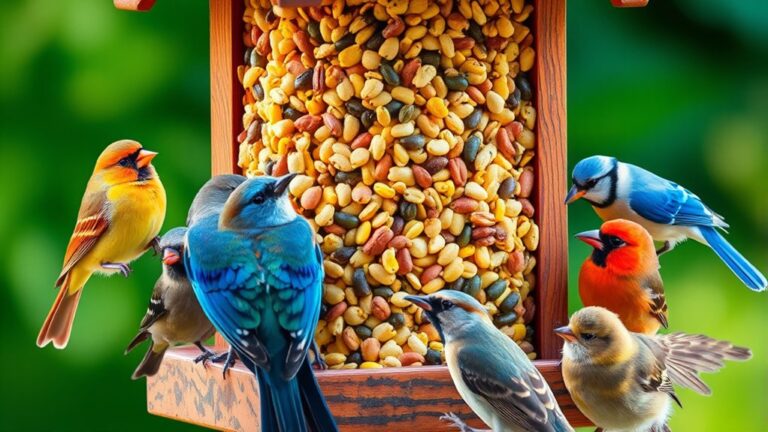
To attract more birds, start by choosing the right feeder and seeds based on the birds you want to see. Tube feeders with sunflower or nyjer seeds work well for many species.
Next, make your yard safe and inviting by adding shrubs for cover and placing feeders away from predators and windows.
Finally, keep your feeder clean and stocked, and adjust seed types seasonally for year-round visits.
Keep going to find out how easy it is to create a bustling backyard bird haven.
Key Takeaways
- Choose feeder types like tube or platform feeders based on the bird species you want to attract.
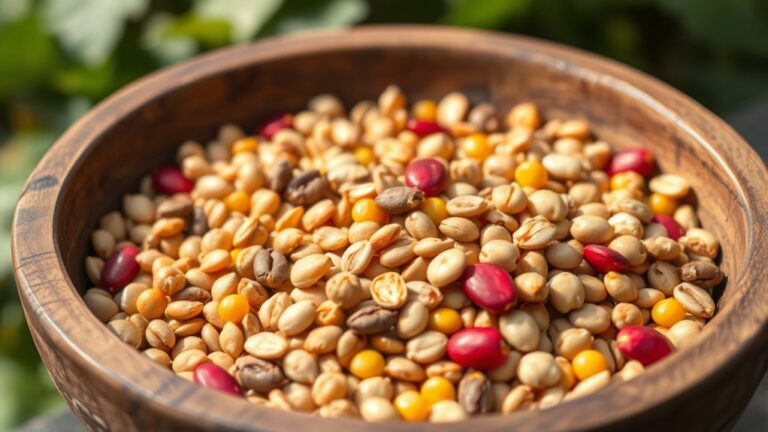
- Offer bird seeds suited to target species, such as black oil sunflower for many birds or nyjer for finches.
- Place feeders in safe areas with nearby shrubs or trees to provide cover and protection from predators.
- Keep feeders clean by washing them every two weeks to prevent mold, bacteria, and disease spread.
- Maintain a consistent feeding schedule with seasonal seed adjustments to encourage birds to return year-round.
Choose the Best Bird Feeder and Seeds for Your Backyard

Although attracting birds to your yard can be simple, choosing the right feeder and seeds makes all the difference. You’ll want to consider various types of bird feeders to match the birds you hope to attract.
Tube feeders work well for small songbirds, while platform feeders invite a wider variety. If you prefer hummingbirds, a nectar feeder is your best bet. Selecting the best seed varieties is just as important.
Black oil sunflower seeds attract a wide range of birds, while nyjer seeds are perfect for finches. Millet is great for ground-feeding birds. Avoid generic mixed seed blends, as they often contain fillers birds don’t prefer.
Make Your Yard Safe and Cozy to Attract More Birds

To attract more birds, you need to create a safe and cozy environment in your yard. Start by offering plenty of cover, like shrubs and trees, to mimic their natural habitat. Birds feel secure when they can easily hide from predators and find shelter from harsh weather.
Creating a safe, cozy space with shrubs and trees helps birds feel secure and welcome in your yard.
Incorporate native plants to provide food and nesting spots, making your yard inviting and familiar.
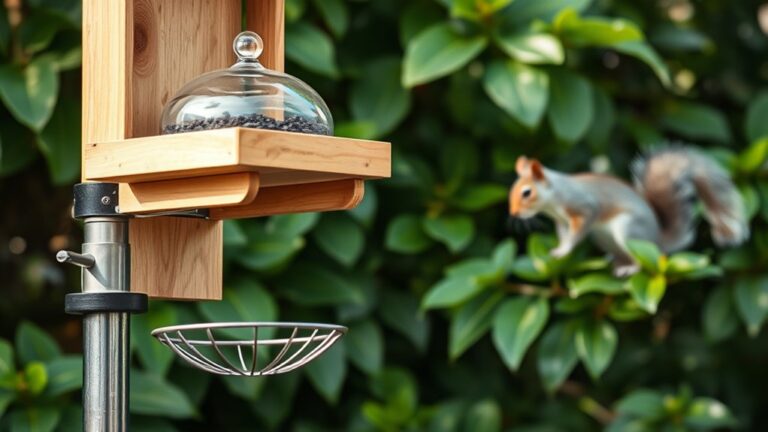
Predator protection is key. Position your feeder away from places where cats or other predators can easily hide and pounce. Adding a baffle beneath your feeder or mounting it on a pole can help keep unwanted visitors at bay.
Avoid placing feeders too close to windows to prevent collisions.
Maintain Your Bird Feeder to Keep Birds Coming Back

Creating a safe and welcoming yard sets the stage, but keeping your bird feeder clean and well-stocked is what brings birds back day after day. Regularly cleaning your feeder prevents mold and bacteria buildup that can harm visiting birds.
Wash it with warm, soapy water every two weeks, or more often during wet seasons. Pay attention to seasonal feeding tips. Adjust the type of seed and feeding schedule based on the bird species identification you’ve made.
For example, offer high-fat seeds like sunflower hearts in winter to provide extra energy, and switch to nectar or fruit in warmer months for different species. Keep your feeder filled but not overflowing to avoid waste and pests.
Maintaining a tidy feeding area also minimizes disease risk, encouraging healthy visits. By staying consistent with cleaning and feeding routines tailored to local birds, you’ll enjoy a lively, diverse flock returning to your feeder all year long.
Frequently Asked Questions
What Time of Day Do Birds Visit Feeders Most Often?
You’ll notice bird activity is highest during peak feeding times, which are usually early in the morning and late afternoon. Birds prefer these cooler parts of the day to search for food when they’re most active.
If you want to attract more visitors to your feeder, make sure it’s stocked during these hours. You’ll enjoy watching the busiest times when birds come to feed and socialize.
Can I Attract Birds Without Using Feeders?
Of course, you don’t need feeders to attract birds, just ignore their natural habitat! But seriously, you’ll draw them in by creating bird friendly landscaping. Plant native trees, shrubs, and flowers that provide food, shelter, and nesting spots.
A water source like a birdbath helps too. By embracing nature’s design, you’ll invite birds to visit your yard naturally without dangling feeders. It’s the effortless way to enjoy feathered friends.
Which Bird Species Are Most Common in Urban Areas?
You’ll often spot pigeons, sparrows, and starlings as the most common bird species in urban areas. These birds excel at urban nesting, adapting well to buildings and limited green spaces.
Don’t forget about nocturnal species like owls, which thrive in cities too, hunting at night where there’s less human activity. If you watch closely, you’ll uncover a fascinating mix of birds that have learned to live alongside you in the urban environment.
How Does Weather Affect Bird Feeding Habits?
Weather directly influences bird feeding habits because climate patterns determine food availability and energy needs. During cold seasons, you’ll notice birds visit feeders more often to conserve energy, while in warmer months, they rely on natural sources.
Seasonal variations also affect migration, so you might see different species depending on the time of year. Understanding these changes helps you provide the right food and feeder setup to support birds year-round.
Are There Plants That Naturally Attract Birds Nearby?
Yes, native plants can increase bird visits by up to 75%! When you use native plants in your bird-friendly landscaping, you provide natural food, shelter, and nesting spots that local birds prefer.
These plants support insects birds feed on, too. By choosing native species, you create a welcoming habitat that attracts more birds and supports your local ecosystem.
Conclusion
By choosing the best feeder and seeds, making your yard safe and cozy, and keeping your feeder clean, you’ll create a welcoming haven for birds. You might’ve heard that feeding birds harms their natural habits, but studies show that when done responsibly, it actually supports their survival, especially in tough seasons.
So, don’t hesitate. Your backyard can become a lively sanctuary where birds thrive and bring joy to your everyday life. Attract birds to your feeder and enjoy the beauty and life they add to your outdoor space.