How to Grow Cucumbers in 10 Easy Steps
Grow cucumbers can feel overwhelming if you’re new to gardening or have struggled to get a good harvest before. You’re not alone—many people want fresh, homegrown cucumbers but find it tricky to get started or keep their plants healthy.
The good news is, with the right approach, you can enjoy crisp, delicious cucumbers right from your garden.
Choose a cucumber variety that fits your space and use, then plant it in full sun with well-drained soil. Work in compost, sow seeds after frost in warm soil, and space them for good airflow.
Water deeply at the base, mulch to hold moisture, and train vining types on a trellis. Feed lightly every few weeks, watch for pests and disease, and pick cucumbers young and firm.
Keep going, and you’ll uncover a few extra tricks.
Key Takeaways
- Choose a sunny, well-drained site and enrich the soil with compost before planting cucumbers.
- Select the right cucumber variety for your space. Use bush types for containers and vine types for higher yields.
- Plant seeds after frost danger passes, about 1 inch deep, and space them for good airflow.
- Water deeply at the base, mulch to conserve moisture, and trellis vines to keep fruit clean and productive.
- Protect plants from pests and disease. Then harvest cucumbers young, firm, and green for the best flavor.
Choose the Best Cucumber Variety

Before you plant, think about how you want to use your cucumbers, because the best variety depends on your goal. If you want crisp slicers for salads, choose varieties bred for long, tender fruits. If you’d rather pickle, look for compact types that stay firm after brining.
You can also investigate heirloom varieties if you value rich flavor and unique skins, though they may need more attention than hybrids. Check seed packets for disease resistance, especially against powdery mildew and other common cucumber problems. That trait can save you frustration later.
Also compare growth habits: bush types suit containers and small spaces, while vining plants spread and often produce more over time. Read mature size, days to harvest, and whether the fruit is burpless or bitter-free. When you match flavor profiles, use, and growth habits to your space, you’ll set yourself up for healthier plants and better harvests.
Pick the Best Spot for Cucumbers
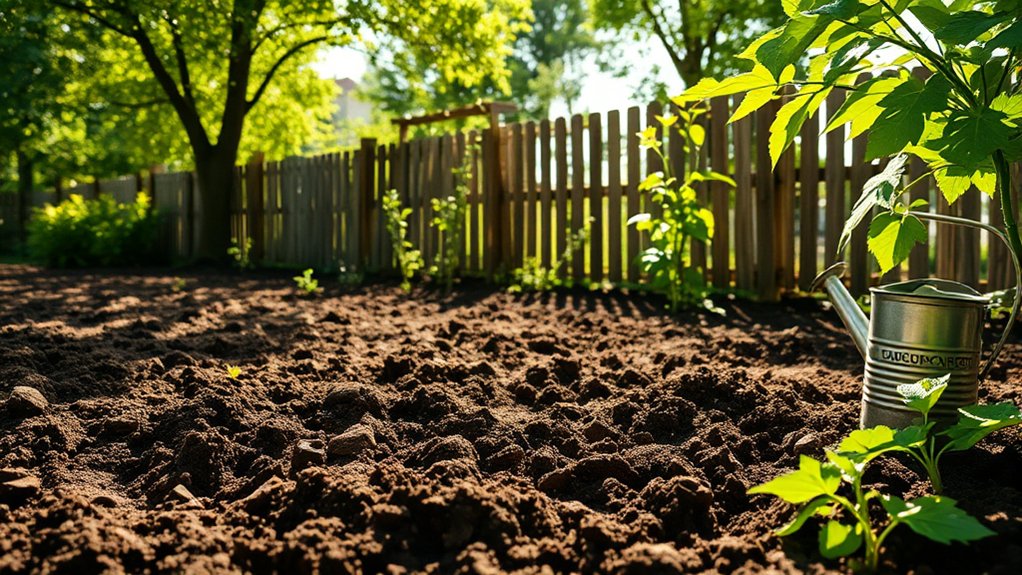
Choose a spot that gets full sun all day because cucumbers really need lots of light to grow strong. Also, make sure the soil drains well—nobody likes soggy roots, right? If possible, pick a place that’s a bit sheltered from the wind to help keep those vines healthy and happy.
Full Sun Exposure
Cucumbers thrive in full sun, so choose a spot that gets at least 6 to 8 hours of direct light each day. Check the sunlight duration across your garden before you plant, because morning and afternoon light can differ a lot.
Aim for ideal sunlight from nearby trees, fences, or buildings that won’t cast long shadows. If one area gets stronger light for most of the day, that’s usually your best option.
You’ll help the vines grow faster, flower sooner, and produce more fruit when you place them where the sun stays strong. Watch the space over a full day if you can, since shifting shade may reduce growth.
Pick the brightest area you have, and your cucumbers will thank you with better harvests.
Well-Drained Soil
Healthy roots need soil that drains well, so choose a spot where water doesn’t sit after rain or watering. You’ll grow better cucumbers in loose soil with a slightly acidic soil pH and steady nutrient retention.
Before planting, do soil testing to check texture and pH, then work in organic matter for drainage improvement. Well-made compost boosts compost quality, feeds microbes, and helps hold moisture without sogging roots.
Good structure also warms faster, supporting ideal soil temperature for quick germination. As organic matter increases, you’ll notice earthworm benefits too, since worms open channels that move air and water through the bed.
If your ground stays heavy, mix in compost and fine mulch to improve drainage before you sow seeds or set out transplants.
Wind Protection
Even in a sunny garden, strong wind can batter cucumber vines, tear leaves, and slow growth. So choose a sheltered spot that gets steady airflow without being exposed to gusts. You’ll want ideal locations beside a fence, hedge, or shed where the air softens before it hits your plants.
Use windbreak methods like lattice panels, row covers, or taller companion crops to protect tender stems without blocking light.
A calm corner near a garden wall
Open sun with gentle morning breeze
Trellis space backed by shrubs
Raised bed tucked behind corn
Patio edge shielded by planters
When you reduce harsh wind, you help cucumbers stay hydrated, climb cleanly, and set fruit faster. Check your site after a storm. If leaves whip hard, move them.
Prep Cucumber Soil With Compost

Before you plant, work 2 to 4 inches of compost into the top 6 to 8 inches of soil to give cucumber roots the rich, well-drained bed they need. Compost adds organic matter, improves texture, and helps the ground hold moisture without staying soggy. It also feeds soil life, which can support healthier vines and steadier growth.
If you haven’t done soil testing yet, check pH and nutrients first so you can adjust before you amend. Aim for slightly acidic to neutral soil, and mix in compost evenly so roots won’t hit pockets of rich or bare soil.
After you blend it in, rake the bed smooth and remove stones, sticks, and weeds. Good compost benefits your plants most when you use finished material that smells earthy, not sour.
If your soil is heavy clay, add extra compost to boost drainage. If it’s sandy, compost helps it retain water and nutrients better.
Plant Cucumbers at the Right Time
Once your bed is amended and ready, time your planting so cucumber seeds or seedlings go into warm soil after the danger of frost has passed. Check your planting calendar and wait until nights stay mild, because cold soil slows growth and weakens young plants.
You’ll get better results when the ground feels pleasantly warm to the touch, not chilly or soggy. Follow these germination tips: keep conditions steady, avoid rushing into cold spells, and watch for a stretch of sunny weather.
Picture a morning bed glowing in soft sun. Imagine soil that crumbles easily in your hand. See tiny green shoots rising after a warm rain. Envision tender leaves unfurling under clear skies. Think of vines waking up strong and enthusiastic.
If you plant at the right moment, your cucumbers start fast and settle in with less stress, giving you a healthier, more reliable crop.
Space and Sow Cucumber Seeds
Set cucumber seeds about 1 inch deep in small hills or rows, then space them according to the variety so each vine has room to spread and get good airflow. You’ll usually place bush types closer together than sprawling vines, so check the packet for exact seed spacing.
If you’re planting in hills, drop 3 or 4 seeds in each spot and thin to the strongest seedling after they sprout. In rows, leave enough room between plants and between rows so you can reach them without crushing stems.
Cover the seeds lightly with fine soil and firm it gently so they stay in contact with moisture. For helpful germination tips, keep the planting area warm and avoid burying seeds too deeply, since cucumber seeds need light access to emerge quickly.
Mark each planting spot, too, so you can track what’s coming up and give every plant enough space to grow well.
Water Cucumbers Deeply and Consistently
Make sure to water your cucumbers deeply and stick to a regular schedule. This helps the roots grow strong and keeps your plants productive. Instead of quick, shallow watering, try to keep the soil consistently moist—this is especially important when the weather gets hot.
Also, adding mulch around your cucumber plants is a great idea. It helps the soil retain moisture and can actually reduce how often you need to water. So, a little mulch goes a long way in keeping your cucumbers happy!
Deep Watering Schedule
For steady cucumber growth, give the plants a deep soak about 1 to 2 times a week, adjusting for heat, soil type, and rainfall. Water at the base so moisture reaches the roots, and check soil moisture with your finger before watering again.
If you use drip irrigation, you can keep the root zone evenly damp without wasting water. Aim for long, slow watering rather than quick splashes.
- Damp earth that feels cool a few inches down
- Leaves perking up after sunrise
- Vines stretching across the trellis
- Yellow flowers opening in the morning
- Plump fruits forming evenly
During hot spells, you may need more frequent watering, while sandy soil dries faster than clay. Stay consistent, and your cucumbers will grow crisp, smooth, and productive.
Mulch To Retain Moisture
A good mulch layer helps that steady watering go further by slowing evaporation and keeping the soil evenly moist. You can spread organic mulch around cucumber vines to boost moisture retention and reduce stress between waterings.
Choose from mulch types like straw, shredded leaves, grass clippings, or compost, and apply a 2- to 3-inch layer after the soil warms. Keep mulch a few inches from stems so they don’t rot.
This mulch application also improves weed suppression, which means less competition for water and nutrients. It helps stabilize soil temperature during heat waves and cool nights, giving roots a steadier environment.
If you prefer biodegradable options, pick materials that break down and feed the soil. These seasonal benefits support healthier plants and better harvests.
Train Cucumber Vines on a Trellis
Training cucumber vines on a trellis keeps fruit cleaner, improves air circulation, and makes harvesting easier. Choose sturdy cucumber trellis types like A-frames, panels, or arched cages, then place them where vines get full sun. Guide each young stem gently toward the frame and tie it loosely with soft twine. These vine support techniques help the plant climb without snapping.
Train cucumber vines on a sturdy trellis for cleaner fruit, better airflow, and easier harvesting.
- Green tendrils curl around wire like tiny hooks.
- Leaves open like fans above the soil.
- Straight fruit hangs neatly from the mesh.
- Sunlight slips through the lattice and dries wet foliage.
- Your hands reach ripe cucumbers without digging through a tangle.
Check the vines every few days and redirect stray runners before they sprawl. As growth picks up, keep tying new sections higher on the support. With steady training, you’ll save space, reduce mess, and make your cucumber patch look tidy and productive.
Fertilize Cucumbers for Better Yields
To boost your cucumber harvest, go for a balanced fertilizer that helps your vines grow steadily and produces plenty of fruit.
Start feeding your plants once they’re well established, and then continue with light feedings throughout the season. Just be careful not to overdo it—too much fertilizer can actually burn the roots and slow down growth. So, keep it regular but gentle!
Choosing Balanced Fertilizer
For strong vines and bigger harvests, choose a balanced fertilizer that gives cucumbers steady nutrition without pushing too much leafy growth. Look for a product with equal or close N-P-K numbers, so you support roots, flowers, and fruit at once.
If you prefer organic options, you can use compost, fish emulsion, or well-rotted manure to improve nutrient balance and feed the soil gently.
- A pale green vine lifting on a trellis
- Healthy yellow blossoms opening at leaf joints
- Plump cucumbers forming beneath broad leaves
- Loose, rich soil crumbling in your hand
- A garden bed that stays lively and even
Avoid high-nitrogen mixes that make the plant sprawl. When you choose the right fertilizer, you help cucumbers grow sturdy, flower reliably, and set more fruit with less stress.
Feeding Schedule Basics
Start feeding cucumbers once the vines begin to run and keep the schedule light but steady. Too much fertilizer at once can do more harm than good. You should feed every 2 to 3 weeks with diluted liquid fertilizer or side-dress with compost.
Good nutrient timing helps plants support flowers, fruit, and steady vine growth. Organic fertilizers work well because they release nutrients gradually and improve soil life.
| Stage | Feeding step |
|---|---|
| Vine growth | Apply a light dose |
| Budding | Repeat after 2 weeks |
| Fruiting | Keep feeding evenly |
| Late season | Reduce inputs |
Watch plant color and growth, then adjust your plan. If leaves stay pale or growth slows, give another gentle feeding.
Avoiding Nutrient Burn
Even a good feeding plan can backfire if you overdo it, so keep fertilizer light to avoid burning cucumber roots and leaves. You should match nutrient types to the plant’s stage and use soil testing to spot hidden gaps before you feed.
Water first, then apply a diluted fertilizer, and never pile granules against stems. Watch for these warning signs:
- Leaf tips turning brown
- Sudden yellow patches
- Wilting after feeding
- Crusted soil around roots
- Slowed vine growth
If you see these clues, flush the bed with water and pause fertilizing. A steady, gentle approach keeps roots safe and helps your cucumbers keep climbing, flowering, and filling out without stress.
Protect Cucumbers From Pests and Disease
Cucumbers can attract aphids, cucumber beetles, and powdery mildew, so check your plants often and act quickly at the first sign of trouble. Use pest control methods like handpicking beetles, spraying insects off with water, and adding row covers early in the season.
For disease prevention, water at the base, keep leaves dry, and give vines enough space for airflow. Remove damaged leaves and any plant debris to limit spread.
| Problem | Response |
|---|---|
| Aphids | Rinse them off or use insecticidal soap |
| Cucumber beetles | Handpick, trap, or cover young plants |
| Powdery mildew | Prune, improve airflow, and avoid wet foliage |
You’ll protect your vines best by staying consistent and inspecting the undersides of leaves, where pests often hide. If one plant looks sick, isolate your response right away so the issue doesn’t spread through the bed.
Harvest Cucumbers at Peak Ripeness
The best-tasting cucumbers are the ones you pick young, firm, and evenly green before they get oversized or turn yellow. Check plants daily because cucumbers can jump from crisp to seedy fast. Watch for cucumber maturity signs like a glossy skin, steady color, and the size listed on the seed packet.
If the blossom end feels soft or the skin looks dull, it’s past peak. Use ideal harvesting techniques by cutting the stem with clean snips instead of twisting the vine. Harvest in the cool morning for the freshest crunch.
A straight, shiny cucumber
Tiny spines that brush off easily
A snug fit in your hand
Vivid green skin without yellow patches
A gentle snap when sliced
Keep picking often to encourage more fruit. If you miss one, leave it for seeds, not the salad bowl, and let the vine keep producing.
Frequently Asked Questions
Can Cucumbers Grow in Containers on a Balcony?
Yes, you can grow cucumbers in containers on a balcony. Choose compact container varieties and give them a deep pot, rich soil, and sturdy support.
Since balcony gardening can be windy, place your container where it gets plenty of sun and shelter. Water often, feed regularly, and pick cucumbers when they’re young.
With the right care, you’ll harvest crisp fruit even in a small outdoor space.
How Long Do Cucumber Seeds Take to Germinate?
Cucumber seeds usually germinate in 3 to 10 days if you keep them warm and moist. You’ll see faster sprouting when you choose the right cucumber seed varieties and maintain an ideal germination temperature of 70–95°F.
Cooler soil can slow things down, so don’t rush them. Keep the seed mix evenly damp, not soggy, and you’ll help your seeds sprout quickly and grow strong roots.
Do Cucumbers Need Hand Pollination?
No, you usually don’t need hand pollination for cucumbers if bees or other pollinators visit your cucumber flowers. Your plants make separate male and female blooms, and insects move pollen between them.
But if you grow indoors, in a greenhouse, or notice poor fruit set, you can hand pollinate. Use a small brush or cotton swab to transfer pollen from male to female cucumber flowers for better yields.
Why Are My Cucumber Leaves Turning Yellow?
Your cucumber leaves turn yellow when stress drains their green glow like a fading lantern. You’re likely seeing yellow leaves caused by overwatering, poor drainage, pests, or nutrient deficiencies, especially low nitrogen or magnesium.
Check soil moisture, inspect undersides for insects, and feed with a balanced fertilizer. If the newest leaves yellow first, act fast.
Give your plants sunlight, consistent water, and better airflow to help them recover quickly.
Can I Grow Cucumbers From Store-Bought Seeds?
Yes, you can grow cucumbers from store-bought seeds if the packet lists viable cucumber varieties and the seeds aren’t expired. You’ll get better results by checking seed quality before planting, since fresh, properly stored seeds germinate faster.
Plant them about 1 inch deep in warm soil, and keep moisture even. If you bought pickling or slicing types, you can grow healthy vines and harvest crisp cucumbers at home soon.
Conclusion
So, after all that effort, you’ve basically become the cucumber whisperer: choosing varieties like a horticultural matchmaker, feeding the soil like it’s a five-star buffet, and rescuing vines from pests that seem to believe they own the garden.
With a little timing, trellising, and patience, you’ll harvest crisp cucumbers before they get weirdly giant and smug. Now go enjoy your victory salad—you’ve earned it, and your plants know who’s in charge.
Growing cucumbers is a rewarding experience, and with these steps, you’re set to master the art of cucumber growing. Enjoy your harvest and the satisfaction that comes with successfully growing cucumbers.