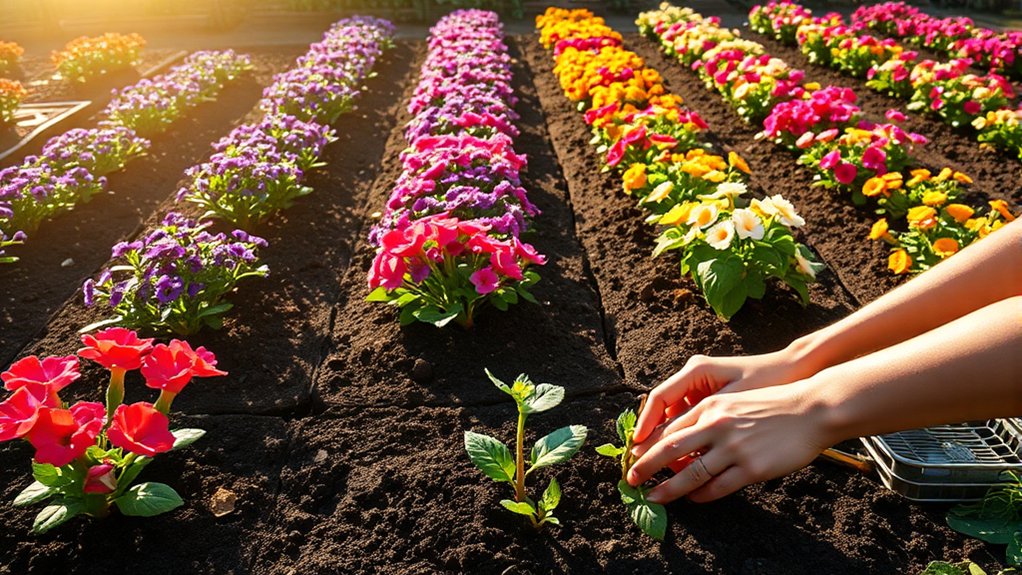
How to Grow a Flower Garden in 10 Steps
Struggling to create a beautiful flower garden that thrives can be frustrating, and you’re not alone. Many people want vibrant blooms but don’t know where to start or how to keep their garden healthy.
Luckily, growing a flower garden in 10 steps can simplify the process and get you on the path to a flourishing outdoor space.
To grow a flower garden in 10 steps, first choose a sunny, well-drained spot with easy access, then measure your space and plan the layout.
Test and improve your soil with compost, then pick flowers that match your climate and light.
Gather tools, water deeply, and mulch to hold moisture.
Feed blooms, deadhead spent flowers, prune weak growth, and protect plants from pests.
With a little care, your garden can flourish beautifully, and there’s more to learn next.
Key Takeaways
- Choose a sunny, well-drained location with enough space for access, airflow, and a balanced garden layout.
- Test and prepare the soil by adjusting pH, adding compost, loosening compacted ground, and mulching.
- Pick flowers suited to your climate, sunlight, space, and bloom timing for reliable growth.
- Water deeply in the morning and feed plants regularly with appropriate fertilizer during the growing season.
- Maintain the garden by deadheading, pruning, removing weeds, and monitoring for pests and disease.
Choose the Best Spot for Your Flower Garden

Before you plant a single flower, pick a spot that gives your garden the best chance to thrive. You should watch your yard through the day and note where the sun hits, since different blooms have different sunlight requirements.
Choose a place that matches the light your flowers need, whether that’s full sun, partial shade, or a mix of both. You’ll also want to think about garden accessibility because you’ll visit this space often for watering, weeding, and pruning.
A spot near a path or close to your door can make routine care easier and more consistent. Avoid areas that stay hidden behind fences, trees, or low spots that collect water after rain.
When you choose a location with good light and easy access, you set yourself up for healthier plants and less frustration. Take your time now, and you’ll enjoy a garden that’s easier to maintain and more rewarding to watch grow.
Check and Improve Your Soil
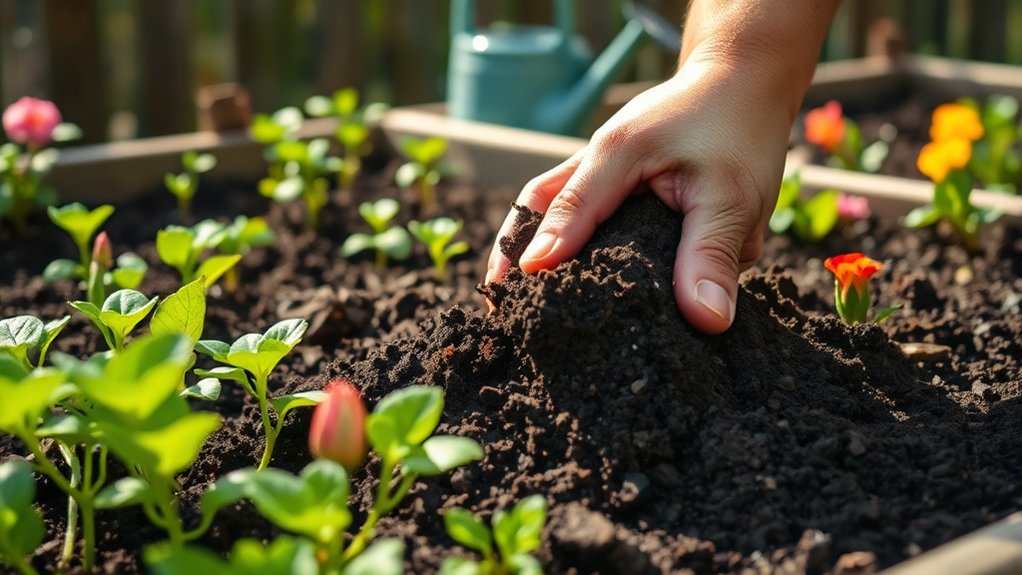
Even with the right amount of sunlight and easy access, your flowers won’t thrive in poor soil. Start with soil testing so you know the pH, texture, and nutrient balance you’re working with.
Even with plenty of sun, flowers won’t thrive in poor soil—test first to know what they need.
If the results show problems, adjust the pH with lime or sulfur as needed, then mix in organic amendments to feed roots and improve structure. Compost integration gives your bed richer organic matter, better moisture retention, and stronger microbial health.
You should also loosen compacted ground for better soil aeration, which helps roots breathe and spread. If water lingers after rain, focus on drainage improvement by raising the bed or blending in coarse material.
Don’t guess—check the soil before planting because healthy soil supports steady growth, brighter blooms, and fewer problems later. Keep improving it each season, and your garden will become easier to maintain and more productive over time.
Pick Flowers for Sun, Space, and Climate

Now that your soil is ready, choose flowers that match the light, space, and climate in your garden. You’ll get healthier plants when you match flower types to your site’s conditions.
Full sun suits zinnias and marigolds; partial shade favors impatiens and begonias; cool climates support pansies and snapdragons. Check labels for hardiness and bloom time so you can enjoy seasonal blooms throughout the year.
| Condition | Good choices | Why they work |
|---|---|---|
| Full sun | Zinnias, marigolds | Thrive in bright light |
| Partial shade | Impatiens, begonias | Handle less direct sun |
| Cool climate | Pansies, snapdragons | Tolerate lower temperatures |
Pick compact plants for small areas and taller ones if you’ve got room. If your region stays hot, choose heat-tolerant varieties. If frost comes early, select fast-blooming flowers.
When you choose wisely, you’ll spend less time replacing weak plants and more time enjoying color all season long.
Plan Your Flower Garden Layout
Start by measuring your garden space so you know how much room you have to work with. Then, take a little time to observe where the sun hits during the day. This way, you can place each flower in the spot where it’ll grow best. It’s a good idea to group taller plants in the back or center and keep the shorter ones in front, that way every bloom gets seen and your garden looks its best.
Assess Garden Space
Before you choose flowers, take a close look at the space you have so you can plan a layout that actually works. Measure the bed, note its shape, and decide how much room you want for paths, borders, and planting pockets.
A smart garden layout helps you place taller blooms behind shorter ones and group seasonal flowers where they’ll look full without crowding. Picture it like this:
- a narrow strip along a fence, lined with neat mounds of color
- a wide corner bed with layered heights and soft curves
- a small courtyard plot that still feels lush and balanced
Leave enough space for air to move between plants, and you’ll make watering, weeding, and future changes much easier later.
Map Sun Exposure
Once you know the size and shape of your garden, map out how sunlight moves across it through the day. Watch where morning rays hit, where midday light strengthens, and where afternoon shade settles.
Note sunlight intensity in each zone so you can match plants to the right spot. A simple sketch helps you spot shadow patterns from fences, trees, and walls.
| Area | Sun | Notes |
|---|---|---|
| Bed A | Full | Bright most of day |
| Bed B | Partial | Dappled after noon |
| Bed C | Shade | Cool and protected |
Mark these zones on your plan, then compare them with your flower choices. When you place beds with light in mind, you’ll give every bloom a better chance to thrive.
Group Plant Heights
Next, group your flowers by height so each plant gets the light and visibility it needs. Place tall flowers at the back, medium flowers in the middle, and short flowers up front for clean flower layering. This simple garden design helps you build balanced flower combinations and adds strong height contrast without crowding.
If you’re working with a fence, wall, or trellis, use vertical gardening to lift blooms and keep the bed airy.
- Tall spires rising like colorful sentinels
- Medium flowers forming a soft, full middle band
- Short flowers edging the path like bright confetti
When you arrange plants this way, you guide the eye smoothly across the bed and make every bloom easier to enjoy.
Gather the Right Gardening Tools
A few essential tools can make flower gardening much easier and more enjoyable. When you gather the right tool types, you set yourself up with essential equipment that saves time and effort.
Start with gardening gloves to protect your hands, then add soil testers, watering cans, planting spades, trowels, shovels, and pruning shears. If you like to reuse waste, compost bins help you build rich soil, while seed trays give young plants a clean start.
| Tool | Use |
|---|---|
| Gardening gloves | Protect your hands |
| Soil testers | Check soil conditions |
| Watering cans | Deliver water evenly |
| Planting spades | Dig and lift soil |
| Pruning shears | Trim stems cleanly |
Keep your tools clean, dry, and easy to reach. You’ll work faster, avoid damage, and enjoy each task more. With a small, dependable kit, you can focus on growing healthy blooms instead of hunting for gear.
Plant Flowers at the Right Time
With your tools ready, you can focus on timing your planting for the best results. Check your local frost dates before you dig. Plant hardy annuals when the soil warms, and wait longer for tender seasonal flowers that hate cold nights.
Time your planting with local frost dates, and let each flower meet the season it loves.
If you set seeds or transplants too early, chilly weather can stunt growth. If you wait too long, summer heat may shorten blooms. Match each flower to its season so your bed keeps changing color.
- Picture early bloomers pushing through cool spring soil.
- Imagine bright seedlings settling into warm, crumbly earth.
- See late-season petals opening under soft autumn light.
Read the label or seed packet for spacing and timing, then follow your zone’s calendar. By planting at the right moment, you give each flower its best chance to root, rise, and bloom beautifully.
Water and Mulch Your Flower Garden
Water your flower garden regularly, making sure to give the soil a good, deep soak whenever it begins to dry out. It’s better to water deeply and less often than to give your plants quick, shallow drinks.
Then, mulch around your plants to help hold in moisture. Mulch also keeps the roots cooler and helps block weeds from taking over. Just remember to spread a thin, even layer and keep it a little away from the stems. This way, your flowers will stay healthy and happy.
Proper Watering Schedule
Once your flower garden is planted, give it deep, even watering so the roots can grow strong without staying soggy. Aim for early morning sessions, using drip irrigation if you can, because it supports plant hydration and protects root health.
Check soil moisture with your finger, then adjust watering frequency with timing techniques that match weather considerations. In hot spells, you’ll water more often; in cool, rainy weeks, cut back. Seasonal adjustments keep your flowers thriving without waste.
Watch for these signs:
- Dew on petals at sunrise
- Soil that feels cool, not muddy
- Leaves lifting toward the light
This steady rhythm helps moisture retention around roots while keeping blooms fresh and resilient.
Mulching Benefits and Tips
Mulch helps your flower garden hold moisture, stay cooler, and resist weeds, so your plants can focus energy on healthy growth and bright blooms. Spread 2 to 3 inches around each plant, but keep it a few inches away from stems to prevent rot.
Choose organic mulching like shredded bark, compost, or leaf mold to improve soil as it breaks down. If you want a polished look, add decorative mulch around borders and pathways, but make sure it still lets water reach the roots.
After watering, check that the mulch layer hasn’t packed down or washed away. Refresh it each season to maintain coverage. With the right mulch, you’ll water less often, protect roots, and give your flowers a cleaner, healthier growing space.
Feed Flowers for More Blooms
To keep your flowers blooming longer and more profusely, give them the right kind of plant food during the growing season. You can choose among several fertilizer types, including balanced granules, liquid feeds, and slow-release pellets, depending on how fast you want results.
For extra color, try bloom boosters with a higher middle number, which support bud formation without pushing too much leafy growth. Always follow the label, because too much fertilizer can burn roots and reduce flowering.
Water the soil first, then feed so nutrients move down where roots can use them.
Picture bright marigolds glowing after a light feeding. Imagine roses opening fuller on sturdy stems. See petunias spilling over a container with fresh color.
Feed every few weeks during active growth, and your plants will reward you with a steady, vibrant display.
Deadhead and Prune Regularly
You can keep your flower garden blooming longer by deadheading spent blooms as soon as they fade. Just snip away old flowers and those light, overgrown stems. This encourages the plant to produce more buds. Plus, regular pruning helps your plants stay tidy, healthy, and full of color. It really makes a difference!
Deadhead Spent Blooms
Snip off spent blooms as soon as they fade to keep your flower garden looking tidy and encourage more flowers to form. This simple flower maintenance habit also supports seasonal care, since you’ll guide energy away from seed production and toward fresh buds.
Use clean snips and follow each stem down to a healthy leaf or side shoot. Check plants every few days so you catch wilted petals before they turn brown and droopy.
- Bright petals falling onto dark soil
- A neat stem with a fresh green node
- New buds rising where old flowers once sat
When you deadhead regularly, your beds stay colorful longer, and you’ll enjoy a cleaner, more inviting garden without extra effort.
Prune For More Blooms
Prune and deadhead regularly to keep your flower garden blooming at its best. You’ll guide energy away from fading flowers and into fresh buds, which boosts bloom frequency and keeps plants tidy. Use smart pruning techniques: pinch back leggy stems, remove crossed branches, and cut just above a healthy leaf node.
| Task | Benefit |
|---|---|
| Deadhead spent blooms | Encourages new flowers |
| Trim weak stems | Improves airflow |
| Shape plants lightly | Supports stronger growth |
Check your plants weekly, because quick snips prevent seed production and help flowers stay vigorous. Always use clean, sharp tools so you don’t spread disease. With regular care, you’ll enjoy fuller plants, brighter color, and a longer-lasting display all season long.
Protect Your Flower Garden From Pests
Even the healthiest flower garden can attract hungry pests, but a few simple habits can keep damage under control. You can start with garden hygiene: remove fallen petals, weeds, and hiding spots so pests lose shelter.
Choose pest resistant plants, and use companion planting with marigolds, alliums, or herbs to confuse invaders. Encourage beneficial insects like ladybugs and lacewings, and support them with soil health benefits from rich compost and steady watering.
Watch for chewed leaves or sticky stems during seasonal pest monitoring, because early pest lifecycle awareness helps you act fast. Try natural pest repellents, then apply organic pesticides only when needed.
Add traps and barriers around seedlings for extra protection.
- A ladybug crawling across a rose stem
- A row of marigolds guarding tender blooms
- A small mesh collar shielding young stems
Frequently Asked Questions
How Do I Choose Annuals Versus Perennials for My Garden?
You choose annuals when you want fast color, nonstop blooms, and flexibility. Their annual flower benefits include variety and easy seasonal changes.
Pick perennials if you want plants that return each year and build structure. Balance both by checking your climate, sun, and soil.
Use perennial maintenance tips like mulching, dividing, and deadheading to keep them healthy. Mix a few annuals for gaps, and you’ll enjoy blooms longer with less guesswork.
Can I Grow Flowers in Containers Instead of In-Ground Beds?
Yes, you can grow flowers in containers instead of in-ground beds, and you’ll get plenty of flexibility. You’ll choose container types that fit your space and style, then match them with plants that suit the light.
Focus on soil selection, too, because good potting mix drains well and feeds roots. Water containers more often than beds, and feed them regularly so your flowers stay healthy, colorful, and blooming longer.
How Often Should I Divide Crowded Perennial Flowers?
You should divide crowded perennial flowers every 3 to 5 years, when blooms thin and centers start to fade. Like a stage packed too tightly with dancers, your clumps need room to breathe.
Watch for weaker flower health and use clean dividing techniques in spring or fall, depending on the plant. If you act sooner, you’ll keep plants vigorous, boost flowering, and prevent overcrowding before it steals energy and space.
Which Flowers Attract Butterflies and Bees Best?
You’ll attract the most butterflies and bees with nectar-rich blooms like coneflowers, milkweed, bee balm, salvia, lavender, zinnias, and asters. These butterfly favorites and bee-friendly flowers offer easy landing pads and steady food through the season.
Plant them in sunny spots, group several together, and avoid pesticides so pollinators keep coming back. Add native flowers too, and you’ll give your garden even more wildlife appeal.
How Do I Store Bulbs After They Finish Blooming?
Let your bulbs rest like sleepy treasures. You’ll lift them carefully after the foliage dies back, brush off soil, and let them dry in a cool, airy spot.
For bulb care, check for damage and discard any soft ones. Use storage techniques like paper bags, mesh sacks, or shallow boxes with peat or sawdust.
Keep them in a dark, dry place until planting time, and don’t let them freeze.
Conclusion
With a little planning and care, you can grow a flower garden that feels like a burst of sunshine in your yard. Choose the right spot, give your soil a boost, and pick flowers that love your space and climate.
Then water, mulch, feed, deadhead, and protect your blooms so they stay healthy and bright. Follow these steps, and you’ll enjoy a garden so beautiful it might just make your neighbors stop and stare.
By putting in the effort, you’ll create a flower garden that brings joy and color to your outdoor space every day.