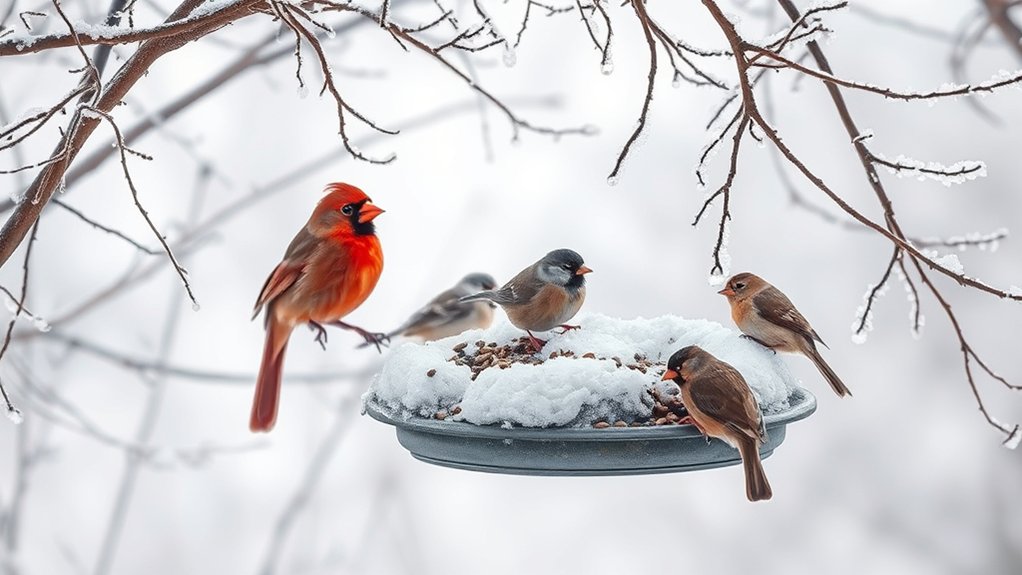
Should I Feed Birds in Winter?
Many people struggle with how to help backyard birds survive the winter months. If you’ve ever wondered whether you should feed birds in winter, you’re not alone. It can be tough seeing these feathered friends struggle when food is scarce and temperatures drop.
Luckily, there are simple ways to support them through the cold season.
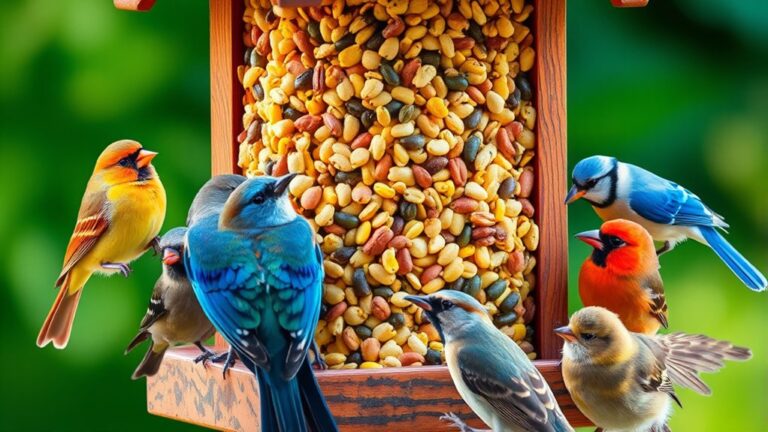
You should feed birds in winter because it gives them much-needed energy to survive cold, harsh conditions when food is scarce. Feeding helps non-migratory birds maintain their strength and supports local populations through tough months.
Start before severe cold sets in and stop once natural food returns in spring.
Offering high-energy seeds and keeping feeders clean guarantees healthy visitors while minimizing risks.
If you want to know what foods help most and how to feed responsibly, keep exploring.
Key Takeaways
- Feeding birds in winter provides essential energy to help them survive cold temperatures and scarce natural food sources.
- Start feeding before the coldest days and stop when natural food and bird activity increase in spring.
- High-energy foods like sunflower seeds, suet, and fresh fruits support birds’ health and warmth during winter.
- Regularly clean feeders and place them safely to prevent disease spread and reduce predator risks.
- Feeding benefits non-migratory and limited-migration species, helping maintain local bird populations through harsh winters.
Why Feeding Birds in Winter Helps Them Survive
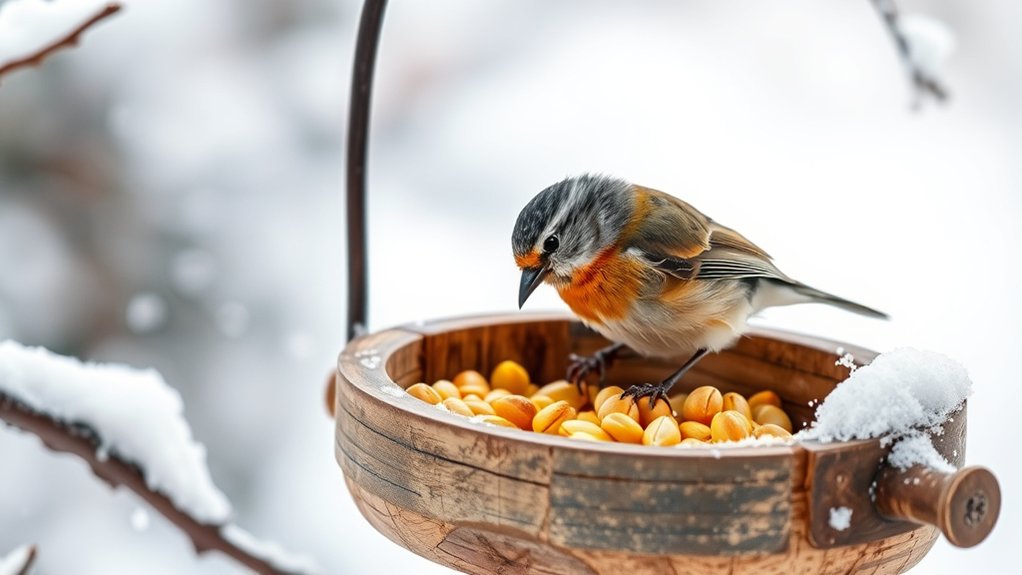
Although birds have natural ways to endure cold weather, feeding them in winter gives them an essential energy boost. You might notice that some birds stay put in your city due to urban adaptation, finding shelter and food sources despite the chill.
These birds benefit directly when you put out food, as it helps them conserve energy they would otherwise spend searching for scarce resources. On the other hand, many species follow migration patterns, flying to warmer areas to survive.
Providing food helps local birds save energy, while many others migrate to warmer climates to survive.
However, not all birds migrate, and those that remain face harsher conditions. By feeding birds during winter, you support those that have adapted to your environment and those that can’t migrate or return early.
Your efforts help them maintain their energy levels and improve their chances of surviving the cold months. So, by providing food, you’re playing an essential role in helping local bird populations thrive through winter’s challenges.
How Winter Weather Impacts Birds and Feeding
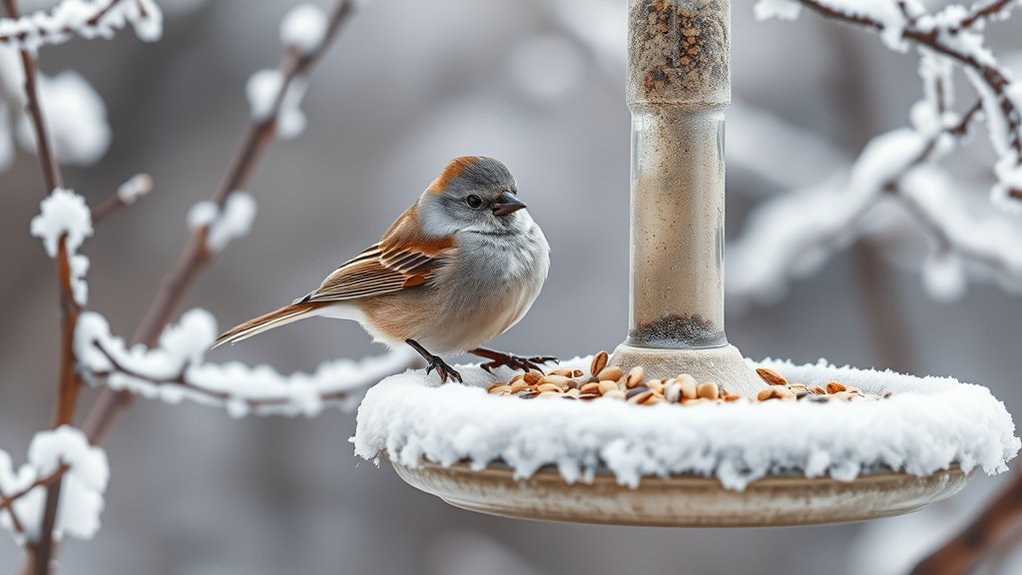
You’ll notice that winter weather makes birds use more energy just to stay warm. When conditions get harsh, finding food becomes tougher for them. That’s why they really need your help to keep their energy up. Understanding these challenges can help you figure out the best way to feed them.
Bird Energy Needs
How do birds survive the harsh winter cold? Many rely on migration patterns to escape freezing temperatures, flying to warmer regions where food is plentiful. But those that stay put depend heavily on their feather insulation, which traps heat close to their bodies and helps maintain their core temperature.
During winter, birds’ energy needs skyrocket because they burn more calories just to stay warm. You’ll notice they’re constantly foraging, seeking high-energy foods like seeds and suet to fuel their bodies. Without adequate food, their chances of survival drop considerably.
Weather Challenges for Birds
Winter weather throws several obstacles in birds’ way beyond just the cold. You might not realize how much harsh conditions affect their daily survival. Freezing temperatures limit access to food and water, making it harder for birds to maintain energy.
Bird migration patterns shift as species seek milder climates, leaving fewer visitors in your area but also putting stress on those that stay. Furthermore, unpredictable weather disrupts nesting habits, especially for birds preparing to breed early or those that nest in sheltered spots.
When you feed birds in winter, you help them overcome these challenges by providing reliable nutrition. Your feeders become essential rest stops, supporting their energy needs and improving their chances through tough weather and changing seasons.
Types of Food That Help Birds Survive Winter
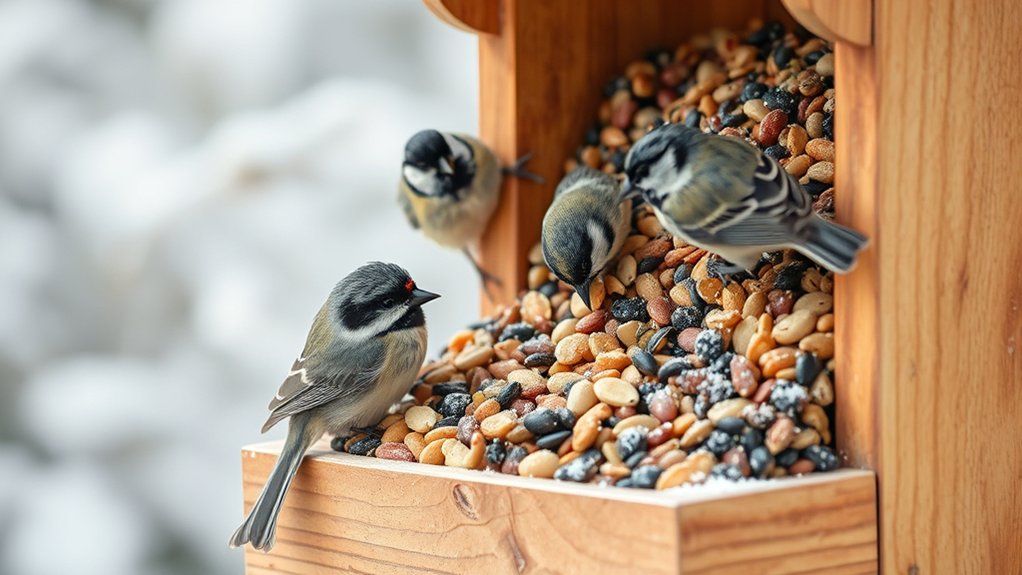
You’ll want to offer birds foods that give them the energy to stay warm—things like high-energy seeds and nutritious suet. Fresh fruits are great, too, since they provide essential vitamins that help keep birds healthy through the winter. So, let’s take a closer look at which options work best to support them during those cold months.
High-Energy Seeds
Why do certain seeds matter more when the cold sets in? Birds need high-energy seed varieties to maintain body heat and survive harsh winter days. When you adjust your feeding schedules to provide these seeds consistently, you help birds store essential fat reserves.
Focus on seeds rich in fats and nutrients to give your feathered friends the best chance.
Consider offering:
- Black oil sunflower seeds: high fat, easy to crack
- Safflower seeds: less messy, loved by cardinals
- Nyjer (thistle) seeds: perfect for finches
- Millet: ideal for ground-feeders like sparrows
- Cracked corn: good for larger birds needing energy
Nutritious Suet Options
Seeds provide the energy birds need, but adding suet to your feeding routine offers a rich, calorie-packed treat that helps them power through cold days. Suet is especially crucial during bird migration when energy demands soar. It also supports nest preservation by keeping adult birds healthy enough to care for their young.
Here are some nutritious suet options:
| Suet Type | Benefits |
|---|---|
| Traditional | High in fat, easy to digest |
| Nut & Berry | Adds protein and antioxidants |
| Insect-Infused | Boosts energy, mimics natural diet |
Including these suet types in your bird feeding helps ensure birds survive winter and thrive during breeding seasons. You’ll provide essential nutrients that seeds alone can’t offer.
Fresh Fruits Benefits
Although suet provides vital energy, fresh fruits offer essential vitamins and hydration that help birds stay healthy during winter. Including fruits in your feeding routine supports their immune system and can even influence migratory patterns by providing necessary nutrients.
Birds with colorful plumage especially benefit from antioxidants found in fruits, which keep their feathers vibrant and strong.
Here are some fresh fruits you can offer:
- Apples (cut into small pieces)
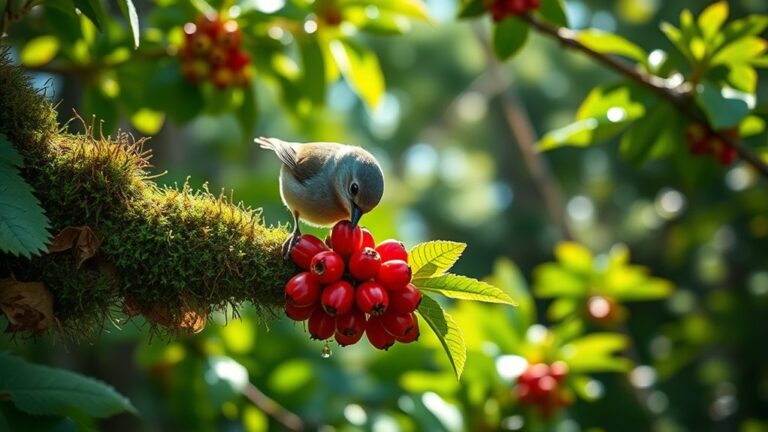
- Berries like blueberries and cranberries
- Grapes (halved)
- Oranges (peeled and sectioned)
- Raisins (unsweetened)
When to Start Feeding Birds for Winter Survival
As temperatures drop and daylight shortens, you should begin feeding birds well before the harshest winter days arrive. Many birds start altering their behavior in response to changing conditions even before winter fully sets in. Plant migration affects the availability of natural food sources, so as fruits and seeds become scarce, your feeders become essential. By starting early, you help birds build up the energy reserves needed for survival during colder months.
Additionally, understanding nesting behavior is indispensable. Some species, like chickadees and nuthatches, may begin preparing nests or seeking shelter during late fall. Providing food early supports their increased energy demands. Don’t wait until the first snow. Begin feeding once temperatures consistently dip below average and natural food sources dwindle. This proactive approach ensures birds adapt smoothly and maintain their health through winter’s challenges.
When to Stop Feeding Birds in Spring
You’ll know it’s time to stop feeding birds when you start seeing fewer visitors and notice that their natural food sources are growing. Plus, changes in the weather matter too—warmer temperatures make it easier for birds to find insects and berries on their own. So, by paying attention to these signs, you’re making sure you support them only as long as they really need it.
Signs Birds Are Leaving
When spring arrives, you might notice fewer birds visiting your feeders each day. This change often signals bird migration and nesting behavior kicking in. Birds start focusing on building nests and raising young, reducing their reliance on your feeders.
Here are some signs that birds are leaving:
- Decreased daily visits to feeders
- More birds seen carrying nesting materials
- Males singing from branches, marking territory
- Fewer species at feeders, more in natural habitats
- Birds exploring local trees and shrubs instead of feeders
Once you spot these behaviors, it’s a good time to gradually reduce feeding. Supporting birds during migration and nesting helps them thrive in their natural environment.
Weather Changes Impact
Although chilly days may linger into spring, changing weather signals it’s time to adjust your bird feeding routine. As temperatures rise, birds begin to shift their behavior in response to climate adaptation. You’ll notice that many species start preparing for migration patterns, reducing their visits to feeders.
Staying attentive to these subtle changes helps you decide when to gradually stop feeding. Continuing to feed birds after they’ve started migrating can disrupt their natural instincts and energy use. By observing local weather trends and bird activity, you support their healthy transition to natural food sources and seasonal movements.
In short, respect the cues nature provides and let the changing weather guide your timing to end winter feeding responsibly.
Natural Food Availability
As birds respond to changing weather by preparing for migration, another essential factor to watch is the availability of natural food sources. You’ll want to gradually reduce feeding as spring progresses and natural foods become abundant.
Keep an eye on these signs:
- Budding plants and trees producing seeds and berries
- Increased insect activity, vital for nesting birds
- Birds shifting behavior toward nesting habits, focusing on feeding chicks
- Migration patterns showing fewer winter visitors and more spring breeders
- Presence of native fruit and nut crops ripening in your area
Keeping Your Bird Feeder Clean and Safe in Winter
Keeping your bird feeder clean and safe during winter is essential to protect the birds and guarantee they keep coming back. Dirty feeders can spread diseases, so you should clean them at least once every two weeks using a mild bleach solution or hot, soapy water. Rinse thoroughly and let them dry before refilling.
Regularly cleaning your bird feeder with mild bleach or soapy water keeps birds healthy and returning all winter.
Proper feeder placement also plays a vital role; place feeders away from windows to prevent collisions and near natural cover to offer birds protection from predators.
Since bird migration patterns change in winter, you might notice different species visiting your feeder. Keeping the feeder clean ensures all visiting birds stay healthy during these harsher months.
Moreover, clear the area around the feeder of snow and ice to make it accessible and safe. By maintaining a clean, well-placed feeder, you create a reliable food source that supports local and migrating birds alike throughout the winter season.
Birds That Benefit Most From Feeding in Winter
When winter arrives, many bird species struggle to find enough food to survive the cold months. You can make a big difference, especially for birds that don’t migrate or have specific nesting behaviors that require extra energy in winter.
While some birds fly south during bird migration, others stay and rely heavily on local food sources.
Here are birds that benefit most from your winter feeding:
- Chickadees: They store food to survive cold nights and appreciate extra seeds.
- Nuthatches: Depend on feeders as natural insects become scarce.
- Finches: Their nesting behaviors require high-energy foods, especially in late winter.
- Woodpeckers: Feed on suet and insects hidden under tree bark.
- Cardinals: Don’t migrate, so feeders help them maintain energy reserves.
Risks of Feeding Birds in Winter
Although feeding birds in winter can be rewarding, you should be aware of potential risks that come with it. One concern is that providing food might disrupt natural bird migration patterns. Some species rely on seasonal cues to move to warmer areas, and easily accessible food could encourage them to stay in harsher conditions, which might affect their survival long-term.
Furthermore, feeders can attract predators, increasing predator threats. Birds gathering around feeders become easy targets for hawks, cats, or other animals looking for a meal. You’ll want to place feeders in safe locations to minimize these dangers.
Also, if feeders aren’t cleaned regularly, they can spread diseases among birds, weakening their ability to survive winter. By understanding these risks, you can take steps to feed birds responsibly and support their well-being without unintentionally causing harm during the challenging winter months.
How to Attract Winter Birds to Your Feeder
To attract winter birds to your feeder, you need to offer the right types of food and create a welcoming environment. Many birds migrate to warmer areas, but some stay and rely on feeders for energy. By providing consistent food and a safe space, you support their survival and encourage nest preservation for the upcoming spring.
Here’s how you can attract winter birds effectively:
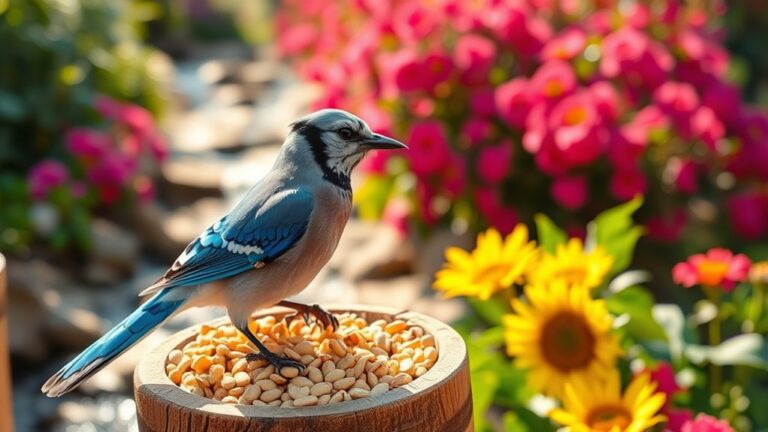
- Choose high-energy seeds like sunflower or safflower to help birds through cold days.
- Place feeders near natural cover such as shrubs or trees to protect birds from predators.
- Keep feeders clean to prevent disease and encourage repeat visits.
- Offer fresh water by using heated birdbaths to prevent freezing.
- Avoid sudden changes in feeding routines to help birds during their winter migration and nesting preparations.
Balancing Bird Feeding With Natural Food in Winter
Since winter limits natural food sources, you’ll want to balance your bird feeding to complement what’s still available outdoors. Birds rely heavily on their feeding habits to survive colder months, but many species also adjust their behaviors based on migration patterns.
By offering supplemental food, you help birds conserve energy, especially when natural seeds, berries, or insects are scarce. However, it’s important not to replace their natural diet entirely.
Supplemental feeding aids birds during scarcity but should never fully replace their natural diet.
Monitor local plant life and natural food availability to tailor your feeding schedule accordingly. For example, if native berries are still abundant, reduce the amount of seed you provide. This balance encourages birds to forage naturally while benefiting from your feeder when necessary.
Understanding migration patterns also helps. Some species may only pass through your area briefly or leave when food runs low. By aligning your feeding habits with these patterns, you support birds without disrupting their natural rhythms or dependency on the ecosystem.
Frequently Asked Questions
Can Feeding Birds in Winter Make Them Dependent on Humans?
Feeding birds in winter can lead to some bird dependence, but if you do it responsibly, you won’t cause major problems. You should avoid overfeeding and keep natural food sources available to minimize human intervention.
Providing occasional help during harsh weather supports their survival without making them reliant on you. By balancing your feeding habits, you’ll help birds thrive while encouraging them to forage naturally and maintain their independence.
What Types of Bird Feeders Work Best in Snowy Weather?
You’ll want feeders designed to keep seed dry and accessible in snowy weather, like tube or hopper feeders with covered tops. Choose seed varieties like black oil sunflower and safflower, which birds love and resist moisture.
Pay attention to feeder placement. Put them where snow won’t easily block access, such as under eaves or near shrubs. This way, birds can easily find food even during heavy snowfalls, helping them stay nourished and safe.
How Do I Protect Birds From Predators at My Feeder?
Imagine your feeder as a tiny fortress where birds’ feeding habits unfold. To protect them from predators, position your feeder at least 10 feet from jumping-off points like trees or fences.
Use baffles to block snakes or cats, and keep the area clean to avoid attracting unwanted guests. By understanding predator awareness, you create a safe buffet, letting birds enjoy their meal without fear, just like a well-guarded castle keeps its inhabitants secure.
Is It Okay to Feed Birds Bread During Winter?
You shouldn’t feed birds bread during winter because it lacks essential bird nutrition and can cause health problems. Birds have dietary restrictions that bread doesn’t meet. It’s low in nutrients and can lead to malnutrition or digestive issues.
Instead, offer seeds, suet, or specially formulated bird food to support their energy needs and keep them healthy through the cold months. Providing proper nutrition helps birds survive harsh conditions effectively.
Can Feeding Birds in Winter Attract Unwanted Animals?
Feeding birds in winter can indeed open a can of worms by attracting unwanted wildlife interference like raccoons or rodents. You’ve got to be careful because these visitors can cause health implications for both birds and humans.
To keep things safe, use bird feeders designed to deter larger animals and avoid leaving spilled food. That way, you can enjoy birdwatching without turning your yard into a wildlife free-for-all.
Conclusion
Feeding birds in winter can make a big difference. Did you know up to 900 million birds rely on backyard feeders during harsh months? By providing nutritious food, you help them survive cold, scarce conditions.
Just remember to start early, choose the right foods, and stop when natural sources return. With care, your feeders become a crucial lifeline. Supporting your local bird population through the toughest season is the real benefit of feeding birds in winter.