5 Best Vegetables for Beginners to Grow
If you’re new to gardening, you’re not alone. Many people struggle with knowing which vegetables are easiest to grow and will actually thrive in their first garden. The good news is, starting your own vegetable patch can be simple and rewarding with the right choices.
If you’re new to gardening, start with lettuce, radishes, carrots, zucchini, and bush beans. Lettuce grows fast, fits in small spaces, and keeps giving when you pick leaves often. Best Vegetables for Beginners.
Radishes mature quickly and reward you with crisp roots in weeks. Carrots do well in loose, deep soil or containers. Zucchini produces a huge harvest, while bush beans are compact and easy to pick.
Keep going, and you’ll find simple tips to grow them well.
Key Takeaways
- Radishes are ideal for beginners because they grow quickly and provide a harvest in a short time.
- Lettuce is easy to grow in small spaces and rewards frequent harvesting with steady yields.
- Bush beans are compact, simple to manage, and produce an easy-to-pick crop.
- Zucchini gives beginners high yields from one plant when grown in full sun with regular watering.
- Spinach grows well in cool weather and produces continuously when leaves are picked often.
5 Easy Vegetables for Beginners
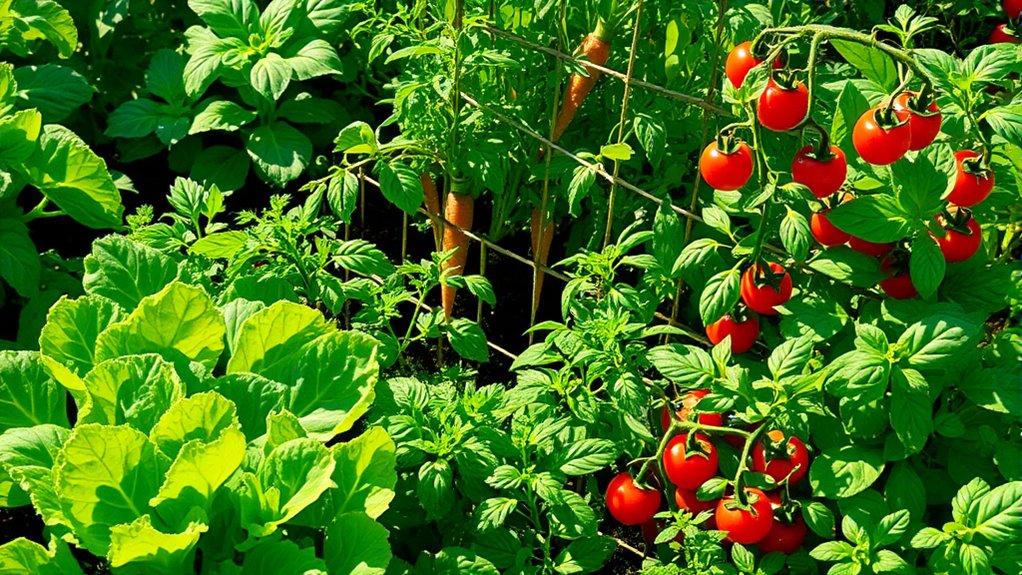
If you’re new to gardening, start with vegetables that grow quickly, forgive small mistakes, and don’t need constant attention. You can build confidence with five easy picks: radishes, bush beans, zucchini, carrots, and spinach.
Radishes mature fast, so you’ll see results soon. Bush beans climb or stay compact, making harvests simple. Zucchini gives you a lot from a small patch, as long as you water it regularly. Carrots need loose soil, but they reward you with sweet roots. Spinach handles cool weather and keeps producing when you pick leaves often.
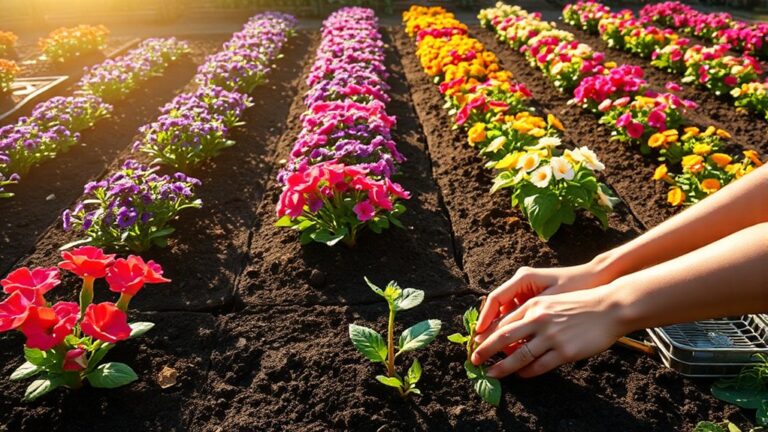
You can grow all five in a raised bed, and several also fit container gardening if space is tight. If you already enjoy herb gardening, you’ll appreciate how these vegetables add fresh flavors to your meals without much fuss.
Choose one or two to begin, keep the soil evenly moist, and learn from each season as you go.
Why Lettuce Is the Perfect First Crop

Lettuce is one of the best first crops because it grows quickly, rewards regular picking, and doesn’t demand much space or experience. You can sow it in a small bed, container, or window box and still get plenty of fresh leaves. It forgives minor mistakes, so you can learn by doing without feeling discouraged. With a little water and light, you’ll keep plants healthy and productive.
Good growing tips include thinning seedlings so each plant has room, harvesting outer leaves first, and keeping the soil evenly moist. You’ll also enjoy strong nutrient benefits, since lettuce adds vitamins, minerals, and hydration to your meals with almost no effort.
Because you can harvest it again and again, you get steady results and a quick sense of success. That makes lettuce ideal when you want simple wins, fresh flavor, and a smooth introduction to home gardening.
Why Radishes Grow So Fast
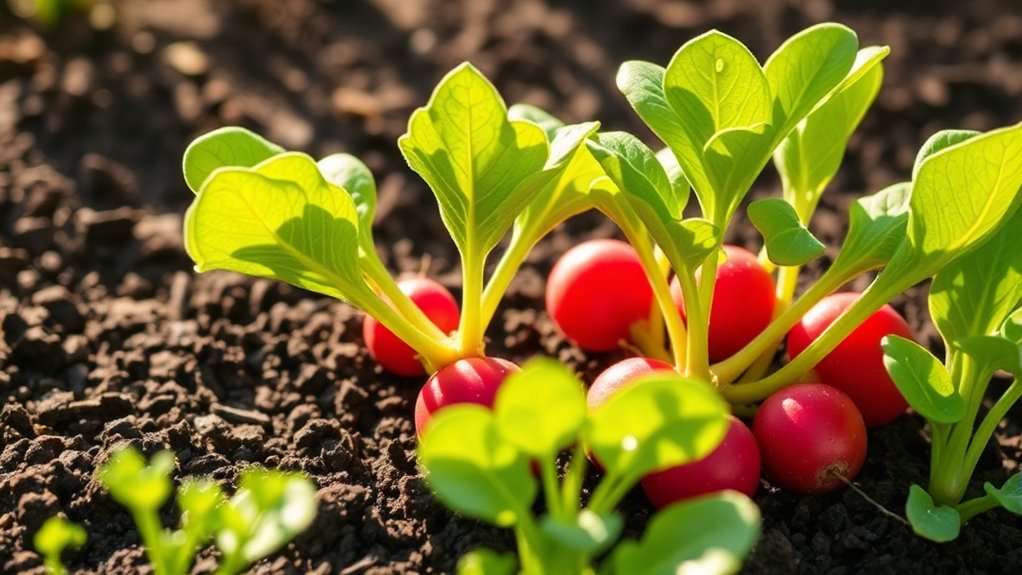
Radishes are another great choice when you want quick results in the garden. You can sow them and see progress in just a few days because they grow from tiny seeds into edible roots very quickly. Their fast pace comes from a short growing cycle and cool-weather tolerance, which helps them develop before pests or heat slow them down.
Radishes deliver quick results, sprouting fast and growing into edible roots before heat or pests slow them down.
You’ll also notice that most radish varieties don’t need deep soil, so they put energy into root growth instead of long vines or stems.
If you want even faster success, follow a few planting tips: sow seeds thinly, keep the soil evenly moist, and harvest as soon as the roots reach a usable size. Overcrowding can slow growth, so give each plant enough room.
Choose a quick-maturing type, and you’ll enjoy crisp, colorful radishes in little time. That makes them ideal when you want to build confidence and enjoy an early harvest.
How Carrots Thrive in Small Spaces
Carrots are a smart pick for small gardens because they grow downward instead of spreading out. So, you can get a good harvest from a shallow bed, container, or narrow row. You’ll do best with loose, stone-free soil that lets roots stretch straight and smooth.
In container gardening, choose a deep pot with drainage and fill it with fine, crumbly mix. Keep the top layer moist, but don’t let it turn soggy. Thin seedlings early so each carrot gets room to develop.
| Tip | Why it helps |
|---|---|
| Loose soil | Prevents forked roots |
| Deep container | Gives roots space |
| Even moisture | Supports steady growth |
| Full sun | Boosts strong tops |
| Early thinning | Reduces crowding |
When you match your soil requirements to their needs, carrots stay manageable and productive. You’ll harvest crisp roots without needing a large plot, and that makes them a beginner-friendly choice for tight spaces.
Why Zucchini Gives You a Big Harvest
Zucchini earns its place in a beginner garden because one plant can produce a lot of squash over a long harvest window. You plant it once, and it keeps setting fruit quickly when you harvest often. That steady production means you can pick tender zucchini every few days, which encourages even more growth.
With good zucchini care, you’ll give it full sun, rich soil, and regular water, and the plant rewards you fast. Since zucchini grows into a bushy plant, it uses space efficiently while still filling your basket.
With good zucchini care, give it full sun, rich soil, and regular water for fast, abundant rewards.
You can also count on reliable yields from just a few plants, so you don’t need a large garden to see results. Watch for zucchini pests like squash bugs and cucumber beetles, because early control helps protect your crop.
If you stay alert and pick fruit while it’s small, you’ll enjoy an abundant harvest without much fuss or waiting.
Frequently Asked Questions
When Should Beginners Start Planting Cool-Season Vegetables?
You should start planting cool-season vegetables as soon as your soil can be worked in early spring, or in late summer for a fall crop. Check your local frost date, then count backward or forward for cool season timing.
Choose reliable seed selection for crops like lettuce, peas, spinach, and radishes. You’ll get the best results if you sow before heat arrives and keep the soil evenly moist.
How Often Should New Gardeners Fertilize Vegetable Plants?
You’ll be amazed how little fertilizer your veggies need. For new gardeners, feed plants lightly every 4 to 6 weeks during active growth, unless a soil test says otherwise.
Start with organic fertilizers, then watch for signs of stress instead of dumping more. Soil testing helps you avoid overfeeding and wasted effort.
If your plants look healthy and grow steadily, you’re probably doing it right.
Which Vegetables Can Grow Well in Containers?
You can grow lettuce, radishes, tomatoes, peppers, spinach, bush beans, and herbs in containers. Choose compact vegetable varieties that fit pots and get plenty of sun.
For container gardening, use well-draining soil, water consistently, and pick varieties bred for small spaces. You’ll have better success with cherry tomatoes, dwarf peppers, and salad greens because they adapt easily and produce well without needing a large garden bed.
What Tools Do First-Time Gardeners Really Need?
You don’t need a shed full of gear; you just need a trowel, gloves, a watering can, pruners, and a hand fork. Add quality compost for soil preparation and learn simple watering techniques so you’re not overdoing it.
A small rake helps level beds, and plant labels keep you organized. Start with these basics, and you’ll save money, avoid clutter, and grow with confidence from day one.
How Can Beginners Protect Vegetables From Pests?
You can protect your vegetables by checking leaves often and removing pests by hand before they spread. Use companion planting to confuse insects and attract beneficial bugs, like planting basil near tomatoes or marigolds around beds.
Spray natural repellents such as neem oil or diluted garlic solution when needed. You should also use row covers, keep weeds down, and water at the soil line so you don’t invite more pests.
Conclusion
With these five easy vegetables, you’re ready to turn a small patch of soil into a green little Eden. Start with lettuce, radishes, carrots, and zucchini, and you’ll quickly see how rewarding gardening can be.
Even if you’re new, you can grow with confidence and enjoy fresh harvests before you know it. So grab your gloves, trust your hands, and let your garden become your own veggie victory garden. Growing vegetables for beginners has never been this satisfying!