How to Grow Vegetables in Small Spaces
Struggling to grow fresh veggies when you have limited space? You’re not alone. Many people want to enjoy homegrown produce but don’t have a big garden to work with.
The good news is, growing vegetables in small spaces is totally doable—and can even be fun!
You can grow vegetables in a small space by choosing compact, high-yield crops like salad greens, radishes, bush beans, cherry tomatoes, and herbs.
Use containers with drainage holes, and match pot size to each plant’s roots. Place them in the sunniest spot you have, and add trellises for vertical growth.
Start with seeds or healthy transplants, water regularly, and feed lightly.
With smart spacing and pest checks, you’ll boost harvests and uncover even better tips ahead.
Key Takeaways
- Choose compact, high-yield vegetables like bush beans, lettuce, radishes, cherry tomatoes, kale, and herbs.
- Use appropriately sized containers with drainage holes, and elevate them to prevent soggy roots.
- Place plants in the sunniest available spot. If light is limited, go for shade-tolerant crops.
- Water deeply at the soil line, mulch to reduce evaporation, and feed plants regularly with organic fertilizer.
- Maximize space with trellises, proper spacing, companion planting, and staggered sowing for continuous harvests.
Choose the Best Vegetables for Small Spaces

When you’re working with limited garden space, the key is to choose vegetables that grow compactly and produce a lot in a small area. You should focus on easy to grow crops that mature fast and reward you with steady harvests.
Look for high yielding choices like bush beans, salad greens, radishes, and cherry tomatoes, since they give you plenty of food without demanding much room. Add nutrient rich plants such as kale and spinach for quick, healthy meals.
Pick pest resistant varieties when you can, because they’ll save you time and frustration. If your space gets less sun, choose shade tolerant options like lettuce and arugula.
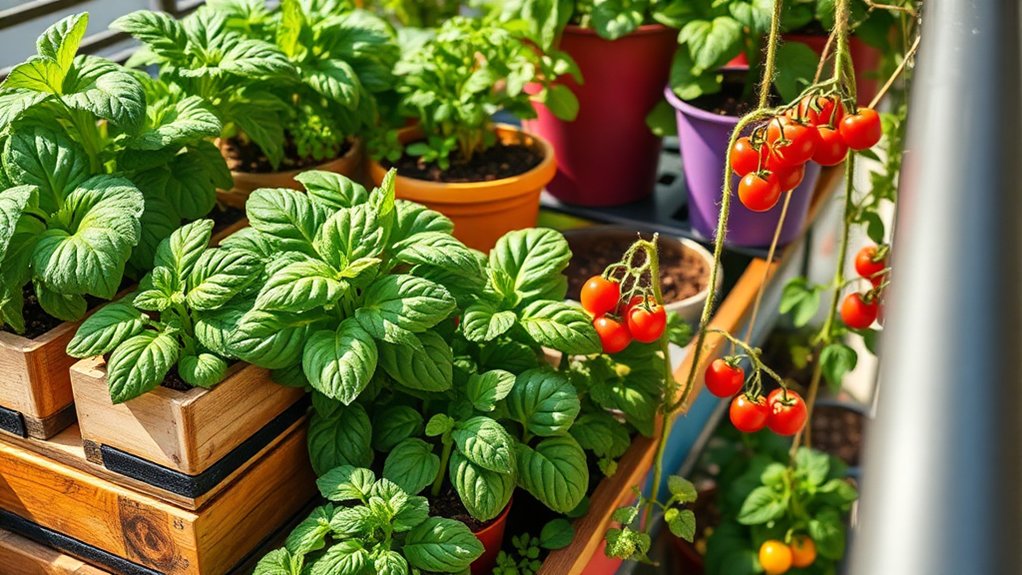
You can also grow culinary herbs, including basil, parsley, and chives, to boost flavor in a tight garden. Many of these vegetables are container friendly, so you can tuck them onto a patio, balcony, or doorstep and still enjoy fresh produce all season.
Pick the Right Containers
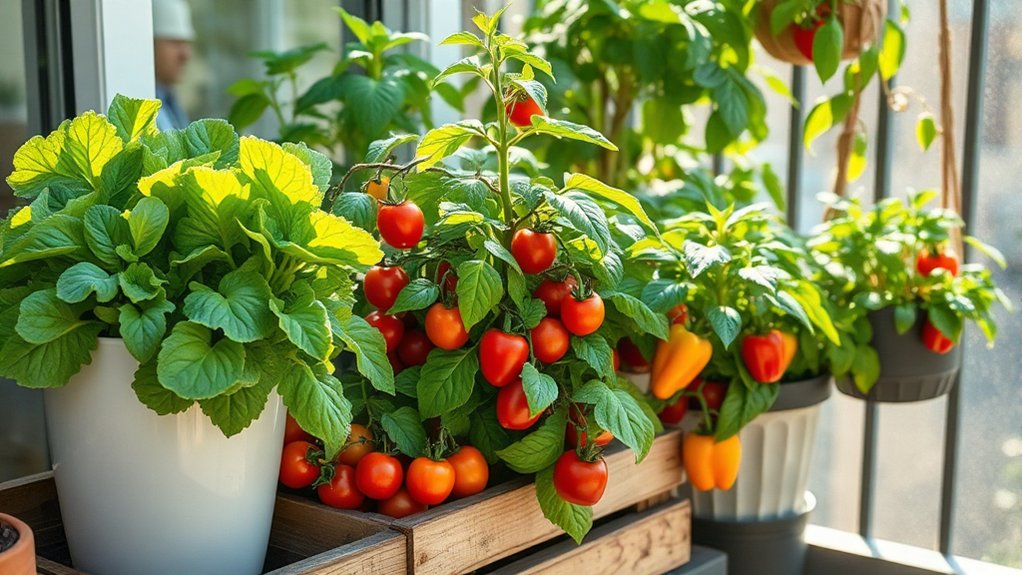
When picking containers for your vegetables, go for ones that give the roots plenty of room to grow. Size really matters because it affects root health and how much your plants will produce. Also, make sure each pot has drainage holes. This way, extra water can escape and your roots won’t end up rotting.
You’ll want to choose sturdy materials too, like terracotta, plastic, or fabric. Just think about your climate, budget, and how often you plan to water when making your choice.
Container Size Matters
The right container can make or break your vegetable garden, so size it to match the plant’s root system and growth habits. You’ll need deeper pots for carrots, beets, and tomatoes, while shallow-rooted greens do fine in compact tubs.
Container depth helps roots spread without crowding, and ideal spacing lets each plant access light, water, and nutrients.
| Vegetable | Suggested Size |
|---|---|
| Lettuce | 6-8 in deep |
| Radishes | 6 in deep |
| Beans | 10-12 in deep |
| Tomatoes | 18 in deep |
Choose a container that gives roots room to grow, but don’t overdo it if you’re short on space. A pot that’s too large can waste soil and make handling harder.
Match the container to the crop, and you’ll set up healthier plants and better harvests.
Drainage Is Essential
Good drainage keeps roots from sitting in soggy soil, so choose containers with enough holes for excess water to escape. You can add a saucer only if you empty it after watering, since standing water defeats your drainage methods.
Match your pot to your soil types, because dense mixes hold moisture longer and need wider openings, while lighter blends dry faster and still need free flow. Check the bottom before planting, and drill extra holes if the container lacks them.
Raise pots on feet or bricks so water moves out easily. When you water, stop as soon as liquid runs through. That helps roots breathe, prevents rot, and keeps your vegetables growing steadily in small spaces.
Best Materials For Pots
Terracotta, plastic, wood, and metal all work for vegetable pots, but each one changes how fast soil dries and how long the container lasts. You can choose clay pots for breathability, plastic containers for light weight, biodegradable planters for easy disposal, or metal buckets for a rugged look.
Fabric bags and ceramic pots also help, while wooden crates suit larger crops. Hanging baskets maximize vertical space.
| Material | Best for | Watch for |
|---|---|---|
| Clay pots | Dry climates | Fast drying |
| Plastic containers | Busy gardeners | Heat buildup |
| Wooden crates | Root crops | Rot |
| Metal buckets | Compact patios | Rust |
Pick containers with enough depth, sturdy drainage, and room for roots.
Find the Sunniest Spot

Start by watching how sunlight moves across your yard or balcony throughout the day. You’ll want to place your vegetables where they get full sun, since most crops need at least six hours of direct light.
Try to keep an eye on shady spots and bright stretches as well. This way, you can pick the best location that will help your plants grow healthy and strong.
Track Sun Patterns
To find the best spot for your vegetables, watch how sunlight moves across your yard during the day. Note where sun exposure lasts longest and where shadow patterns shift from morning to afternoon.
Use sun tracking over several days because seasonal changes can alter light intensity and reveal different microclimates. Stand back and compare areas near fences, walls, and trees since they can change growth cycles by blocking or reflecting light.
Pay attention to plant orientation, too. A bed facing the right direction may catch more useful light than one tucked beside a shed. Keep simple notes or photos so you can spot consistent trends.
Once you know how your space behaves, you’ll place crops with more confidence and make every bright hour count.
Prioritize Full Sun
After tracking the sun, choose the brightest part of your yard for crops that need lots of light. You’ll give tomatoes, peppers, cucumbers, and beans the best start when you place them where they get at least six to eight hours of direct sun.
Check nearby walls, fences, trees, and buildings, since they can cut sun exposure for much of the day. If your space is partly shaded, reserve it for leafy greens or herbs with lower light requirements.
You can also use reflective surfaces or movable containers to boost brightness in tight spaces. Watch the spot through the season, because sun angles shift and shade can grow.
When you match each crop to the right light, you’ll get stronger plants, better harvests, and less frustration overall.
Use Vertical Space for Bigger Yields
When garden space runs tight, go vertical to stretch your harvest without expanding your footprint. You can train cucumbers, beans, and tomatoes on trellis systems, then tuck herbs into hanging planters or wall gardens.
Ladder racks and stackable pots let you layer crops on patios, while vertical frames and grow towers turn blank corners into productive zones. Use modular shelving for seedlings, and fasten repurposed pallets into a simple plant wall for extra growing room.
| Option | Best Use | Tip |
|---|---|---|
| Trellis systems | Climbing crops | Secure stems early |
| Hanging planters | Herbs, greens | Keep them watered |
| Grow towers | Compact beds | Rotate for light |
| Modular shelving | Mixed containers | Stagger heights |
| Repurposed pallets | DIY plant wall | Line them safely |
Choose sturdy supports, keep pathways open, and place taller setups where they won’t shade lower plants. You’ll harvest more from every square foot.
Choose Seeds or Transplants?
Seeds or transplants each give you a different start, so choose based on your space, time, and patience. If you want maximum control and variety, start from seed. You can pick from many seed varieties, save money, and fill every pot with exactly what you want.
Seeds work especially well for fast growers like lettuce, radishes, and beans, and they let you stagger sowings for a steady harvest.
If you want a quicker payoff, buy transplants. The transplant benefits include a head start, less waiting, and a better chance of harvesting in a short season. They’re useful when your growing window is tight or when you want to skip the delicate early stage.
Compare labels, choose healthy plants with sturdy stems, and match each crop to your container size. You can also mix both methods: sow easy crops and transplant slower ones.
That way, you use your small space efficiently and keep your garden productive.
Water Container Vegetables Properly
Container vegetables need steady moisture, so check the soil often and water before it dries out completely. Stick your finger an inch into the mix; if it feels dry, water slowly until you see runoff from the drainage holes.
In hot weather, you may need to adjust watering frequency daily, while cooler days may let you wait longer. Water early in the morning so roots can absorb moisture before heat builds.
Aim the stream at the soil, not the leaves, to reduce stress and waste. Use containers with drainage holes and a light potting mix that supports moisture retention, yet still drains well.
Mulch the surface with straw or shredded leaves to slow evaporation. If wind or sun dries pots quickly, group them together for shade and protection.
Watch for drooping leaves, but don’t assume every wilt means thirst; sometimes the roots need a better soak.
Feed Plants for Steady Growth
Feed your vegetables regularly so they have the nutrients they need for strong leaves, healthy roots, and steady harvests. In small spaces, you can’t rely on soil alone, so use organic fertilizers to keep growth moving.
Choose mixes with slow release nutrients for a steady supply, then add liquid feeds when plants need a quick boost. Keep your nutrient balance in check by watching leaf color, growth rate, and flowering.
If plants look pale or sluggish, apply gentle plant supplements rather than overfeeding. You can also use compost teas or foliar sprays to support hungry crops during active growth.
Set simple feeding schedules based on the crop, container size, and season, and stick to them. Consistent care helps you avoid stress, improves flavor, and keeps compact gardens productive all season.
Adjust amounts slowly, and always follow label directions.
Space Plants for Better Harvests
When you space your vegetables well, you’re giving each plant the room it needs to grow strong and produce more. It’s kind of like giving them their own personal space to thrive. Plus, you can pair helpful crops together, which is a smart way to make them work better for each other.
Another neat trick is to grow upward using trellises and cages. This not only saves space but also keeps your garden organized. And don’t forget about sowing in stages—planting new seeds periodically so fresh plants keep coming in as others finish.
These simple spacing choices really add up. They can boost your harvest and make your garden work harder for you, without extra effort on your part.
Companion Planting Benefits
Companion planting can help you make better use of garden space while improving harvests. You can match plant pairing choices that support nutrient sharing, pest control, and growth improvement in tight beds.
For example, tall, sun-loving crops can shelter shade-tolerant greens, while aromatic herbs can confuse pests and protect nearby vegetables. Some combinations also enhance flavor boosting, giving you tastier produce from the same plot.
By mixing families wisely, you strengthen soil health, reduce gaps, and enhance space optimization without extra beds. Companion planting also encourages biodiversity benefits, which can make your garden more resilient to stress and disease.
When you plan each row with purpose, you’ll harvest more from less ground and keep your small garden productive all season long.
Vertical Growing Techniques
Vertical growing lets you use height, not just ground space, so you can fit more vegetables into a small garden. You can train beans and cucumbers on trellis systems, then tuck herbs into wall planters or hanging baskets.
| Option | Best Use | Tip |
|---|---|---|
| ladder gardens | leafy greens | place in sun |
| stackable pots | herbs | water top to bottom |
| vertical towers | strawberries | rotate for light |
| recycled containers | seedlings | add drainage |
Use frame supports for tomatoes, and set plant shelves near a bright window for indoor gardening. You’ll also gain easy access, cleaner foliage, and better airflow.
Mix these setups to match your space, and you’ll turn blank walls and corners into productive growing zones without crowding your floor.
Succession Planting Tips
To keep your garden producing all season, you can stagger plantings instead of sowing everything at once. Start a new row every one to three weeks for quick crops like lettuce, radishes, and bush beans.
As you harvest one section, replant it with another fast grower to keep beds full and productive. Use seasonal planting to match crops with weather, so spring greens give way to summer tomatoes, then fall spinach.
Plan crop rotation too, even in small spaces, so you don’t drain soil nutrients or build disease problems. Keep a simple calendar and note which varieties mature fastest.
Prevent Pests and Diseases
Healthy vegetables start with smart prevention, so keep an eye on your plants and act quickly when something looks off. Use regular inspections to catch insects, spots, and wilt before they spread.
Support soil health with compost and avoid overcrowding, because strong plants resist stress better. Choose disease resistance when you buy seeds or starts, and practice crop rotation in containers and beds to break pest cycles.
Add companion flowers to attract beneficial insects, and use natural repellents or pest traps when you need extra control. Favor organic methods and other preventive measures, such as handpicking bugs, washing tools, and removing damaged leaves.
Water at the base, not overhead, so foliage dries faster and diseases don’t linger. With consistent care, you’ll protect your crops without harsh chemicals and keep your small-space garden thriving.
Harvest Vegetables at Peak Ripeness
When your vegetables reach peak ripeness, pick them promptly for the best flavor, texture, and nutrition. In small spaces, timely harvests also keep plants productive and prevent overcrowding. Watch ripeness indicators closely, because color, size, firmness, and aroma tell you when to act. Check plants daily, since many crops change quickly in warm weather.
Snip leafy greens before they bolt or turn bitter. Harvest tomatoes, peppers, and beans when they match their ideal color and size. Pull root crops when shoulders show above the soil and feel full.
Use clean scissors or pruners to avoid damaging stems, and handle produce gently to preserve quality. If you miss the perfect harvest timing, don’t worry; many vegetables still taste good soon after peak. Store them quickly in cool, airy containers, and enjoy them fresh for the best results.
Frequently Asked Questions
How Often Should I Rotate Container Crops for Balanced Growth?
You should rotate your container crops every season, or at least every 6 to 12 months, to keep growth balanced. With smart crop rotation, you’ll reduce nutrient depletion and pest buildup.
Mix in a different container variety each cycle, especially if you’re growing heavy feeders like tomatoes, followed by leafy greens or legumes. You’ll also want to refresh the soil mix regularly, so your plants stay vigorous, productive, and healthier overall.
Can I Grow Vegetables Indoors Without a Balcony?
Yes, you can grow vegetables indoors without a balcony. Think of your home as a tiny greenhouse, where each lamp becomes a sun and every pot a field.
You’ll need strong indoor lighting, like LED grow lights, to keep plants thriving, and smart soil selection for drainage and nutrients. Choose compact crops, water carefully, and give them airflow.
You can harvest fresh greens, herbs, and even some vegetables year-round.
What Tools Are Essential for Small-Space Vegetable Gardening?
For small-space vegetable gardening, you’ll need a few essential tools: quality containers, potting mix, a hand trowel, pruning shears, a watering can, and a spray bottle. If you’re into container gardening, add saucers and plant supports to keep things tidy and upright.
You don’t need fancy gear. Just tools that help you plant, water, trim, and move your crops easily. A compact garden kit keeps your setup simple and productive.
How Do I Start a Vegetable Garden on a Tight Budget?
You can start by setting a tiny budget and choosing cheap, fast-growing crops. Save money with seed starting, recycled containers, and free compost from kitchen scraps.
Buy only what you truly need, and compare prices before you spend. Focus on budget planning so you don’t overbuy tools or seeds.
Swap extras with neighbors, and reuse soil when possible. Begin small, learn quickly, and build your garden step by step.
Which Vegetables Regrow After Harvesting for Repeated Harvests?
Scallions, lettuce, herbs, and celery can regrow after harvesting, so you’ll get repeated harvests. You can snip scallions above the roots, cut lettuce outer leaves, trim herbs like basil and parsley, and slice celery stalks while leaving the base intact.
A little goes a long way when you keep watering and feeding them. With these easy regrowth crops, you’ll stretch your harvest and save money too.
Conclusion
Your small garden is like a tiny kingdom: every pot, trellis, and sunny corner has a role to play. When you choose the right crops, feed them well, and guard them from pests, you turn limited space into a generous harvest.
Keep tending each plant with care, and it will reward you with fresh vegetables and steady growth. In small spaces, you don’t need more room. You need a smarter garden and a patient hand to grow vegetables in small spaces.