When to Start a Vegetable Garden
Starting a vegetable garden can feel overwhelming, especially when you’re unsure about the best time to plant. You’re not alone—many people struggle with figuring out when to sow seeds for the best results. Getting the timing right is key to growing healthy plants and enjoying a bountiful harvest.
You should start a vegetable garden by checking your last frost date first, then matching crops to your USDA zone and local planting calendar.
Sow cool-season vegetables like lettuce, peas, and spinach early, but wait until soil warms for tomatoes, peppers, beans, and corn. Use a soil thermometer, and protect tender seedlings from late freezes.
If you keep going, you’ll see how to time each crop for stronger growth and bigger harvests.
Key Takeaways
- Start after your average last frost date. Use local weather and a planting calendar to avoid cold damage.
- Check your USDA hardiness zone and local microclimate to choose crops suited to your growing season.
- Prepare soil early with compost, good drainage, mulch, and a soil test for pH and nutrients.
- Sow cool-season crops in early spring. Wait for warm soil before planting tomatoes, peppers, beans, and corn.
- Use a soil thermometer and frost protection to time planting. Harden off seedlings and adjust for late freezes.
Check Your Last Frost Date First
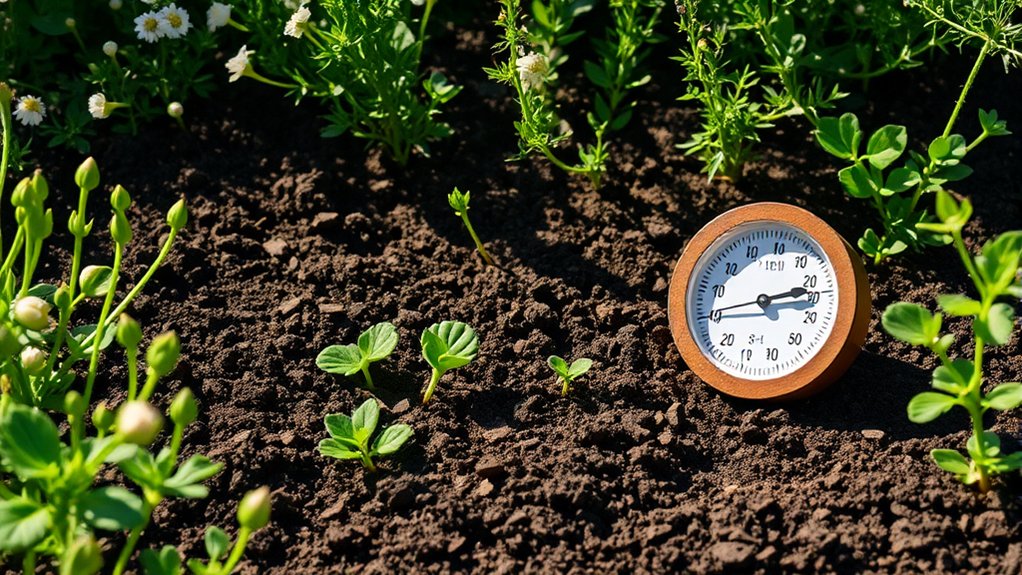
Before you plant anything, check your last frost date so you know when cold weather is likely to end in your area. This date helps you time sowing, transplanting, and hardening off seedlings with less guesswork.
If you start too early, a late freeze can damage tender crops and set you back weeks. Use local climate records, gardening calendars, or extension services to confirm the average date, then plan around it.
Build your seasonal planting strategies from there: sow cool-season vegetables earlier, and wait for heat-loving crops until frost danger passes. You can also use frost protection methods like row covers, cloches, or cold frames if you need to gamble on an early start.
Even then, keep an eye on overnight lows and be ready to cover plants fast. Knowing this date gives you a practical starting point and helps you grow with more confidence and fewer losses.
Find Your USDA Hardiness Zone

Next, you’ll want to find your USDA hardiness zone. This helps you figure out which plants are best suited for your local climate. Just use the USDA zone map to locate your zone. Then, compare it with the recommendations on your seed packets or plant tags. When you match plants to your zone, your vegetable garden has a much better chance to thrive.
Locate Your Hardiness Zone
Your USDA hardiness zone tells you which plants can survive the winter in your area, so it’s one of the first things you should check before planting a vegetable garden. Once you know your zone, you can match crops to your local climate and avoid wasting time on plants that can’t handle your coldest nights.
Pay attention to garden microclimates, too, because a sunny wall, low spot, or sheltered yard can shift conditions slightly. Seasonal variations matter as well; spring frost dates and autumn chills can change when you safely sow seeds or set out transplants.
Use your zone as a starting point, then adjust for your own backyard. That extra step helps you choose varieties that’ll thrive and give you a stronger, more reliable harvest.
Use USDA Zone Map
To find your USDA hardiness zone, use the USDA Zone Map and match your location to the color-coded area where you live. This number helps you gauge when spring warms enough for planting.
If you know your zone, you can compare it with seed packets and plan your vegetable varieties more confidently. Keep your gardening tools ready so you can start seeds, prep beds, and check soil conditions quickly.
| Zone | Typical Use |
|---|---|
| 3–4 | Short seasons |
| 5–6 | Moderate springs |
| 7–8 | Longer growing time |
| 9–10 | Warm climates |
| 11+ | Frost-free areas |
Use the map as your first guide, then note local frost dates. That way, you’ll time planting with less guesswork and more success.
Match Plants To Climate
Once you know your USDA hardiness zone, you can match plants to the climate they’ll handle best. Choose plant varieties bred for your temperatures, frost dates, and rainfall patterns, so you get stronger climate adaptation from the start.
Watch for microclimate effects near walls, fences, or low spots, since they can change heat and wind exposure. Make seasonal adjustments by starting cool-weather crops early and waiting on tender ones. Use companion planting to support pest resistance and improve space use.
Favor native species when possible, because they’re already suited to local conditions. Add soil amendments to improve fertility, drought tolerance, and moisture retention, especially in sandy or poor soil. With the right match, your garden grows more reliably and needs less rescue later.
Start Cool-Season Crops Early
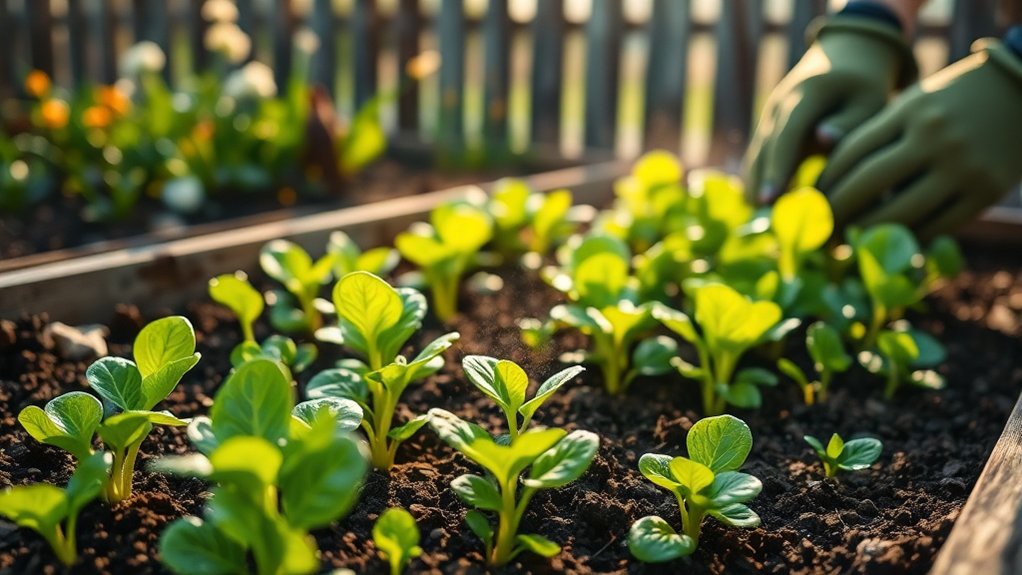
As soon as the soil can be worked in early spring, plant cool-season crops like lettuce, peas, spinach, radishes, and kale. You’ll get the best results when you choose cold weather varieties and focus on early sowing before heat arrives. These crops handle chilly nights, so you can use garden space sooner and harvest fresh food while other beds wait.
| Crop | Best Time | Benefit |
|---|---|---|
| Lettuce | Early spring | Quick harvest |
| Peas | Early spring | Tasty pods |
| Radishes | Early spring | Fast growth |
Keep the bed moist, weed gently, and thin seedlings so they don’t crowd each other. If a cold snap hits, cover plants with row fabric or a cloche. You can sow more every couple of weeks for a steady harvest. By starting now, you’ll stretch your season and enjoy crisp, homegrown produce long before summer takes over.
Wait to Plant Warm-Season Vegetables
Warm-season vegetables need steadily warm soil and air, so don’t rush to plant tomatoes, peppers, cucumbers, squash, or beans too early. If you set them out before nights stay mild, cold soil can stall growth, injure roots, and invite rot.
Watch your local frost dates and let the ground warm before you plant. You can test conditions with a soil thermometer or by checking whether the soil feels workable and dry enough. Strong winds and chilly rain can also stress tender plants, so wait for stable weather.
Different vegetable varieties have slightly different heat needs, but they all reward patience. Good planting techniques include hardening off transplants, spacing them for airflow, and watering at the base once they’re in place.
Choose Seeds or Seedlings
After you’ve decided what to grow, choose between seeds and seedlings based on your crop, your climate, and how much time you have. Seeds cost less and give you more varieties, so they work well for crops that sprout quickly or dislike transplanting.
Seedlings save weeks and help you get a jump on a short season, especially for tomatoes, peppers, and other slow starters. Check seed selection details on the packet: maturity dates, spacing, and whether the variety suits your region.
If you buy seedlings, inspect them for sturdy stems, healthy leaves, and no signs of stress. Good seedling care starts with bringing them home promptly and keeping them sheltered from harsh weather until you’re ready to plant.
You can also mix both methods in one garden. Use seeds for easy crops and seedlings for plants that need extra time, and you’ll match your start method to your goals.
Prep Your Soil Before Planting
Before you plant, get your soil ready so your vegetables have the best start possible. Start with soil testing to check nutrient levels and pH balance, then add soil amendments that match what your garden needs.
Mix in organic matter such as compost to improve structure, boost compost benefits, and feed helpful microbes. Use smart tilling techniques only as much as needed so you don’t damage the soil’s natural life.
If water pools after rain, add drainage solutions or build raised beds to keep roots healthier. Smooth the surface, remove rocks, and clear out old roots before planting.
After you finish, spread mulch for moisture retention and weed prevention. This helps your beds stay cleaner and more stable. With prepared soil, your seedlings or seeds can settle in faster and grow stronger from the start.
Check Soil Temperature Before Sowing
You’ll get better germination when your soil reaches the right temperature for the seeds you’re planting. It really helps to use a soil thermometer to check the temperature at planting depth. That way, you know exactly what the soil feels like where your seeds will be.
Different crops need different levels of warmth to sprout well. For example, cool-season vegetables can handle lower temperatures just fine. On the other hand, warm-season crops need the soil to be noticeably warmer before you plant them. So, checking the soil temperature can make a big difference in how well your seeds grow.
Ideal Germination Range
Even when daytime air feels warm enough, your seeds won’t germinate well unless the soil reaches the right temperature. You need to match each crop’s ideal germination range because cool-season vegetables start in cooler soil, while warm-season types need more heat.
If you sow too early, seed viability can drop as damp, chilly ground slows sprouting and invites rot. If you wait too long, hot soil may stress seedlings before they emerge.
Use simple germination techniques like reading packet guidance, grouping crops by temperature needs, and timing planting after the soil holds steady in the proper range. By checking the soil before you sow, you give seeds the best chance to sprout evenly, establish strong roots, and move quickly into healthy growth.
Using a Soil Thermometer
A soil thermometer takes the guesswork out of planting by showing you the actual temperature at seed depth. Push it into moist soil where you’ll sow, then wait a few minutes for a steady reading.
Because soil temperature can vary from the surface to deeper layers, check it at your planned planting depth before you sow. Use the result to decide whether the bed is ready.
- Take readings in the morning and again later in the day.
- Measure several spots across the bed.
- Record the numbers so you can spot warming trends.
When the soil stays consistent, your seeds get a better start. If it’s still chilly, wait and check again instead of forcing an early planting.
Warmth By Crop Type
Different crops need different soil warmth, so check the temperature before you sow. Cool-season greens, peas, and root crops can sprout in cooler beds, while beans, squash, and corn need warmer soil.
Match each planting date to your garden layout, and use crop rotation to avoid chilling young roots in exhausted ground. Add soil amendments to improve structure and help soil warm faster.
Pair crops through companion planting for better pest management. If you grow heirloom varieties, compare their needs with modern seeds, since some tolerate lower temperatures better.
Follow organic practices, plan for seasonal harvesting, and adjust irrigation techniques so you don’t cool the bed too much. Smart climate adaptation lets you plant at the right moment, not the calendar’s guess.
Use a Local Planting Calendar
Check your local planting calendar before you sow, because it tells you the best times to start seeds and transplant crops in your area. You can use it to match planting dates with your local weather, which helps you avoid starting too early or too late.
If you garden with neighbors, community gardening groups often share the same calendar, so you can compare notes and plan together.
- Look up your last frost date.
- Check sowing windows for each crop.
- Mark transplant dates on your calendar.
This simple tool helps you decide when to begin indoors, when to direct sow outdoors, and when to move young plants into the soil. By following it, you’ll give your vegetables a better start and reduce guesswork.
Keep the calendar nearby all season, and update it with your own results so next year’s planting gets even easier and more accurate.
Adjust for Spring, Summer, and Fall Planting
You’ll want to match your planting schedule to each season because spring windows, summer heat, and fall frost all affect how well your vegetables grow. In spring, go ahead and plant as soon as your soil is workable and the risk of a hard frost has eased. When summer rolls around, make sure to protect your tender crops from the heat. Then, in fall, work backward from your first frost date so you can harvest your veggies in time.
Spring Planting Windows
Spring planting windows give you the best chance to get crops established before summer heat arrives, but the exact timing depends on your local frost dates and soil temperature. You can start cool-season crops earlier in raised beds or container gardening setups, especially if urban gardening limits your space.
- Check frost dates and wait until soil warms for beans, squash, and tomatoes.
- Match your garden layout to sun, drainage, and companion planting needs.
- Use crop rotation, pest control, and organic practices to protect seasonal vegetables.
In spring, you also benefit from planning harvesting techniques before plants mature. If a late cold snap threatens, cover tender seedlings and delay planting warm-weather crops until nights stay mild.
Summer Heat Strategies
| Strategy | Use |
|---|---|
| heat resistant varieties | Choose crops that tolerate high temperatures |
| watering schedules | Water deeply and early |
| plant spacing | Improve airflow and reduce stress |
| companion planting | Help deter pests and boost growth |
| container gardening | Move pots out of harsh afternoon sun |
Add soil amendments to hold moisture, and use crop rotation to support healthier beds next season. Tighten pest management because heat often increases pressure. For spring, summer, and fall planting, adjust your timing and choose crops that match your conditions.
Fall Frost Timing
As fall approaches, plan around your area’s first frost date so tender crops finish before cold weather arrives. Check your average frost calendar, then count backward from harvest times to decide when to plant spring, summer, and fall crops.
You can stretch the season with simple frost protection methods like row covers, cloches, or mulch, but don’t rely on them for heat-loving vegetables. For late season crops, choose quick maturing greens, radishes, and carrots that handle cool nights.
- Plant early crops after soil warms in spring.
- Time summer sowings for peak heat and fast growth.
- Start fall crops early enough to mature before frost.
Watching local weather helps you adjust quickly and keep your garden productive longer.
Avoid Common Planting Timing Mistakes
Even the best vegetable garden can struggle if you plant at the wrong time, so it pays to avoid a few common timing mistakes. You should wait until soil warms enough for seed germination because cold ground can stunt growth and rot seeds.
Don’t rush tender crops before your last frost date, and don’t delay cool-season vegetables so long that heat ruins flavor. Use crop rotation and companion planting to support healthier beds, and keep garden planning tied to local weather, not just the calendar.
Add soil amendments only when tests show you need them, and match organic methods with sustainable practices for stronger results. If pests pressure young plants, adjust your pest management plan instead of planting too early.
You can also choose native plants for edges and borders, then time harvest timing carefully so you pick at peak quality. Good seasonal gardening helps you avoid setbacks and grow more reliably each year.
Frequently Asked Questions
How Much Sunlight Do Vegetables Need Each Day?
Most vegetables need 6 to 8 hours of direct sunlight each day, though leafy greens can do well with 4 to 6. You should check each plant’s sunlight requirements before planting, then choose vegetable placement carefully so taller crops won’t shade shorter ones.
If your yard gets less light, you can still grow some herbs and greens, but you’ll likely see slower growth and smaller harvests overall.
Can I Start Seeds Indoors Before the Last Frost?
Yes, you can start seeds indoors before the last frost, and it’s like lighting a tiny spring lantern in your kitchen. You’ll give seedlings a head start while winter still grips outside.
Use frost date calculation to time sowing, and watch indoor seedling care closely: provide bright light, steady warmth, and moist soil.
Transplant only after danger passes, so tender roots don’t get shocked by cold, unpredictable nights.
How Often Should I Water Newly Planted Vegetables?
You should water newly planted vegetables often enough to keep soil moisture steady, usually once a day for the first week if it’s warm and dry. Check the top inch of soil; if it feels dry, water again.
After roots settle, you can cut back to deeper, less frequent watering. Don’t soak the bed every time. Your goal is moist, not muddy, soil. Adjust water frequency for rain and heat.
Which Vegetables Grow Best in Containers?
Tomatoes, peppers, lettuce, radishes, spinach, and bush beans grow great in containers. What could be easier than harvesting fresh veggies from your patio?
You’ll do best with compact varieties that match your space requirements and fit different container types, from pots to grow bags. Choose deep containers for roots, and use well-draining soil.
If you give them enough sun and steady water, you’ll enjoy healthy plants and tasty harvests.
Do I Need to Fertilize My Garden Before Planting?
Yes, you should fertilize before planting if your soil needs it. You can start with soil testing to see what’s missing and check the nutrient balance. Then choose organic options like compost, aged manure, or balanced fertilizer.
Apply amendments a few weeks before plant timing so nutrients mix in well. Don’t overdo it; too much fertilizer can harm seedlings and slow growth instead of helping your garden thrive.
Conclusion
So, when you start a vegetable garden, let your last frost date, hardiness zone, and soil temperature guide you. Plant cool-season crops early, wait on warm-season favorites, and use a local planting calendar to stay on track.
Whether you choose seeds or seedlings, timing is your compass. Get it right, and your garden can bloom like a well-tuned orchestra, each vegetable entering on cue for a healthy, rewarding harvest.
Remember, knowing when to start a vegetable garden is key to growing strong, delicious veggies all season long.