7 Best Flowers to Plant in Summer
Struggling to keep your garden vibrant during the hot summer months? You’re not alone. Many gardeners find it challenging to choose flowers that can withstand the heat without wilting or requiring constant care. Best Flowers to Plant in Summer.
Luckily, planting the right blooms can make all the difference in creating a colorful, thriving summer garden.
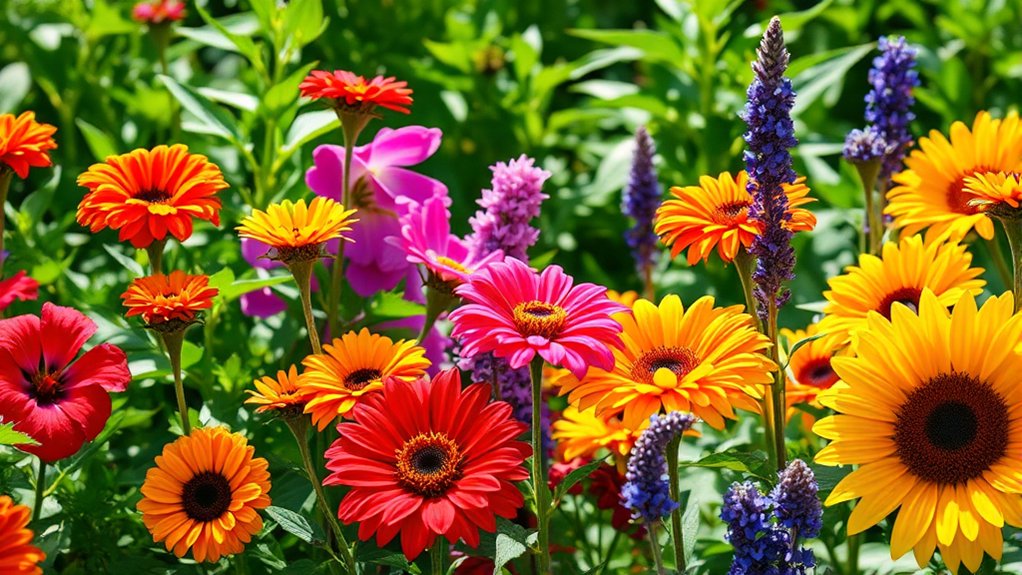
For the 7 best flowers to plant in summer, choose heat-loving blooms that match your sun, soil, and watering needs. You can’t go wrong with marigolds for easy color, zinnias for nonstop blooms, petunias for baskets and borders, and sunflowers for bold height.
Add lantana and cosmos for drought-tough, pollinator-friendly color, plus compact varieties that fit beds or containers. Pick disease-resistant types, deadhead often, and you’ll see why these summer standouts keep going all season.
Key Takeaways
- Choose summer flowers that match your garden’s sunlight, soil, space, and watering needs for healthy growth.
- Marigolds are hardy, pest-resistant, and bloom brightly in full sun, making them great for beds and vegetable gardens.
- Zinnias grow easily in full sun and well-drained soil, attracting butterflies with long-lasting color.
- Petunias, sunflowers, lantana, and cosmos add varied height and color. Sunflowers are best placed behind shorter plants.
- Deadhead regularly, space plants well, and use drought-tolerant varieties for continuous blooms with low maintenance.
How to Pick the Best Summer Flowers?

To pick the best summer flowers, start with your garden’s conditions: how much sun it gets, how often you can water, and whether you need blooms that handle heat well. Then use clear flower selection criteria to narrow your choices.
Look for plants that match your light level, soil type, and planting space, and choose varieties that bloom reliably in high temperatures. If your site dries out quickly, favor flowers with lower water needs. If you can water regularly, you can grow more demanding picks.
Also consider mature size, so you don’t crowd beds or containers. Check labels for disease resistance and long bloom times, since those traits reduce stress and keep color going.
Finally, follow seasonal maintenance tips like mulching, deadheading, and morning watering to help your flowers stay healthy. When you match the plant to the place, you’ll save time and enjoy stronger summer blooms all season.
Marigolds for Bright, Heat-Tolerant Color
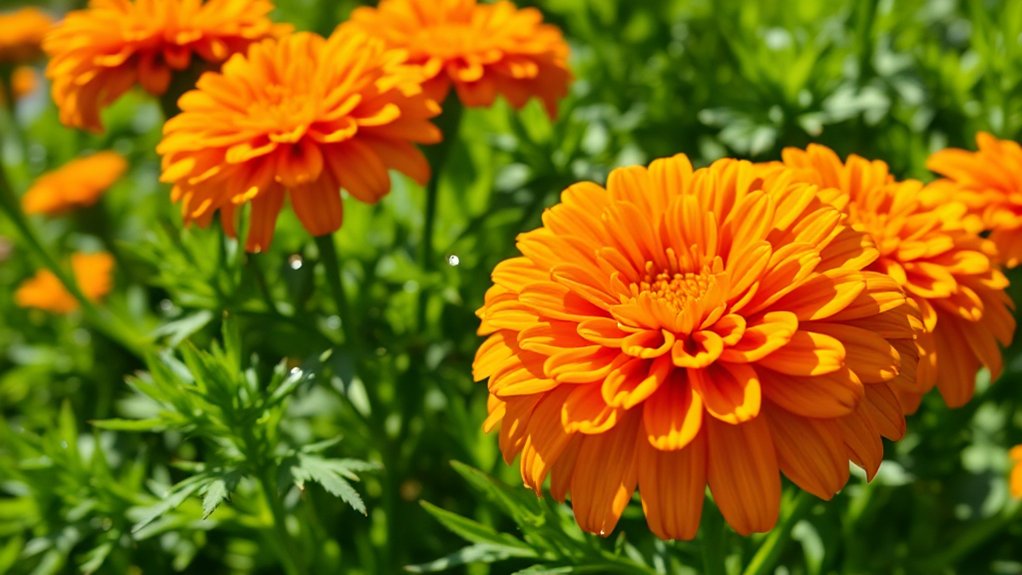
Marigolds are one of the easiest summer flowers to grow when you want bold color without a lot of fuss. You can plant them in full sun and expect them to keep shining through hot afternoons and dry spells. Choose from compact, border-friendly marigold varieties or taller types that add height to your beds and containers.
Their orange, yellow, and gold blooms brighten patios, walkways, and vegetable gardens with ease. You’ll also appreciate their pest resistance, which makes them a smart pick when you want low-maintenance color. Marigolds help discourage some garden pests, so they’re useful near herbs and vegetables.
Give them well-drained soil, water them until they’re established, and deadhead spent flowers to keep new buds coming. If you want summer color that stays cheerful in heat, marigolds won’t let you down.
Zinnias for Nonstop Summer Blooms

Zinnias bring a burst of nonstop color to summer gardens, and they’re easy to grow from seed or transplants. You can sow them after the last frost, then place them in full sun with well-drained soil. Choose from many zinnia varieties, from compact plants for small spaces to tall, bold blooms that draw butterflies.
Zinnias deliver nonstop summer color, thriving in full sun and well-drained soil after the last frost.
Water at the base to keep leaves dry, and deadhead spent flowers often to encourage fresh buds all season.
For simple zinnia care, give each plant enough room for air to move around it. You’ll also get stronger stems and fewer disease problems if you avoid overhead watering.
Feed lightly if your soil is poor, but don’t overdo it, since too much nitrogen can mean more leaves than flowers.
With regular picking, you’ll keep your garden looking bright, cheerful, and full of color right through the hottest days. Their sturdy stems make them great for cutting, too, so you can enjoy summer color indoors and outside.
Petunias for Baskets and Borders
Petunias spill with color in hanging baskets, window boxes, and border plantings, giving you a long season of blooms with very little fuss. You can tuck them into hanging planters where their trailing stems soften edges and brighten patios.
Choose full sun, rich but well-drained soil, and regular watering, and they’ll keep flowering through hot weather. Pinch back leggy growth to encourage fuller plants and more buds, then feed lightly every couple of weeks for steady color.
When you mix shades, try bold color combinations like pink and purple, white and red, or yellow with deep plum for extra impact.
At ground level, petunias make lively borders that edge paths, soften raised beds, and blend easily with other summer annuals. Deadhead spent blooms often, and you’ll enjoy a neat, vibrant display that lasts from early summer until frost.
Sunflowers for Tall Summer Impact
Sunflowers add bold height to your summer garden, making quite the statement. To help those strong stalks thrive, plant them in rich, well-drained soil.
For the best blooms, give them a spot in full sun where they can soak up light all day long. Plus, their tall stems create a striking contrast with shorter flowers nearby, adding instant drama to your beds and borders. It’s a simple way to make your garden pop!
Growing Strong Stalks
When you want height and drama in a summer bed, sunflowers deliver both with very little fuss. You help them build strong stalks by starting with smart soil preparation: loosen the ground deeply, mix in compost, and avoid heavy, soggy spots.
Give seedlings room so roots can spread without competition. Water deeply during dry spells, but don’t keep the soil saturated. As stems rise, check for pests that chew leaves or weaken young plants; quick pest management keeps growth steady.
If winds hit your garden, stake tall varieties early so they stay upright without bending. You can also pinch off weak side shoots on some types to direct energy into one sturdy main stem. With care, you’ll grow sturdy sunflowers that stand proudly all season.
Maximizing Sun Exposure
For the tallest, strongest sunflowers, give them full sun from morning to evening so they can power steady growth and develop sturdy stems. Choose ideal planting spots that stay bright all day, away from buildings, fences, and overhanging trees that cast shade.
You’ll get better results when you face rows south or west, letting leaves catch maximum light during peak hours. Use smart sun exposure strategies by spacing plants so each one gets direct rays without crowding.
If your yard has reflective surfaces, place them nearby to boost warmth and brightness. Water deeply at the base, but don’t soak the foliage, since dry leaves handle intense sun better. With steady light and thoughtful placement, your sunflowers will rise tall, bloom boldly, and create a striking summer display.
Garden Height Contrast
Once your sunflowers have the light they need, you can use their height to shape the whole garden. Place them at the back of beds, along fences, or beside shorter blooms so they create a strong anchor without blocking smaller plants.
Their flower height adds drama, and you can echo that vertical line with stakes, trellises, or ornamental grasses for visual balance. Mix them with mid-height zinnias, cosmos, or marigolds to keep the display layered and lively.
You’ll get more depth when you repeat tall sunflowers in small clusters instead of scattering them randomly. Their bold stems also guide the eye across the space, making your summer planting feel intentional, airy, and full of movement.
Lantana for Drought-Tough Pollinator Appeal
Lantana is a heat-loving powerhouse that keeps blooming when summer droughts test lesser plants. You can count on its drought resistance to keep your beds bright with little fuss, especially once roots settle in.
Lantana thrives in heat and drought, keeping your garden bright with blooms and barely any fuss.
Its clustered flowers attract butterflies, bees, and hummingbirds, so you get strong pollinator benefits along with nonstop color. Plant it in full sun and well-drained soil, then water deeply at first and let it dry between drinks.
You’ll see the best show when you avoid rich, wet ground that can slow flowering.
Choose compact varieties for pots, borders, or edging. Deadhead spent clusters to encourage fresh blooms. Watch for frost, since lantana shines in warm weather.
With its bold tones and rugged habits, lantana gives you a lively summer display that’s easy to maintain and great for wildlife.
Cosmos for Easy Summer Color
Cosmos are one of the easiest flowers to grow for quick summer color, and they keep blooming with very little help once they’re established. You can sow them from seed directly in warm soil, and they’ll race upward with airy stems and daisy-like blooms.
Choose cosmos varieties in pink, white, or burgundy to match your garden style, and mix tall types at the back with compact ones along borders.
For the best results, give them full sun and avoid rich soil, which can make them leggy. Good planting tips include spacing seeds or seedlings well so air moves freely and deadheading often to keep flowers coming.
You won’t need much fertilizer or water once roots settle in, so cosmos fit busy gardens and hot, dry days. Plant them near paths or vegetable beds, and you’ll get long-lasting color plus a steady stream of pollinators all summer.
Frequently Asked Questions
What Flowers Attract Butterflies in Summer?
You can attract butterflies in summer with nectar-rich blooms like coneflowers, zinnias, lantana, bee balm, and milkweed. These flowers draw pollinators with bright colors and easy-to-reach nectar.
If you plant clusters in butterfly gardens, you’ll give butterflies food and shelter all season. You should also avoid pesticides and provide sunny spots, since butterflies love warmth.
Mix native flowers with long-blooming varieties for the best results.
How Often Should Summer Flowers Be Fertilized?
You should fertilize summer flowers every 4 to 6 weeks during active growth, but always follow the label. You can use fertilizer types like balanced granular, liquid, or slow-release products, depending on your summer blooms.
If you overfeed, you’ll get lush leaves and fewer flowers. Water first, then apply fertilizer to protect roots.
For container plants, feed a bit more often since nutrients wash out faster in pots.
Can Summer Flowers Grow in Partial Shade?
Yes, you can grow summer flowers in partial shade, and you’ll still get plenty of color. You should choose shade-loving varieties like impatiens, begonias, and coleus, since they handle less sun better than full-sun plants.
Some summer bloomers also thrive with morning light and afternoon shade. You’ll want to check each plant’s label, water consistently, and remove spent blooms so your flowers keep performing well in those conditions.
Which Summer Flowers Are Safe for Pets?
You should choose pet friendly options like sunflowers, zinnias, marigolds, and snapdragons for your summer garden. These flowers add color without the risks tied to toxic plants such as lilies, oleander, and foxglove.
You can still check each plant before buying, because even safe-looking blooms may upset your pet if nibbled. Keep your garden cheerful, and you’ll protect your dog or cat while enjoying bright summer flowers.
When Is the Best Time to Water Summer Flowers?
You should water summer flowers early in the morning, when temperatures are cool and roots can soak up moisture before heat steals it. Use watering techniques like slow, deep soaking at the base, not overhead spraying.
In summer humidity, check soil first, because damp air can keep roots wet longer. By noon, your garden already feels like a faded telegram from yesterday, so give plants water at dawn for best results.
Conclusion
With the right picks, you can turn your summer garden into a burst of color that keeps shining through the heat. Marigolds, zinnias, petunias, sunflowers, lantana, and cosmos each bring something special, from bold blooms to easy care.
Choose the flowers that fit your space, sun, and style, and you’ll enjoy a garden that feels like a living rainbow all season long. Plant smart, and you’ll reap beauty that lasts.
By selecting the best flowers to plant in summer, you ensure your garden stays vibrant and full of life no matter how hot it gets.