What Should I Feed Wild Birds: 5 Best Food Options
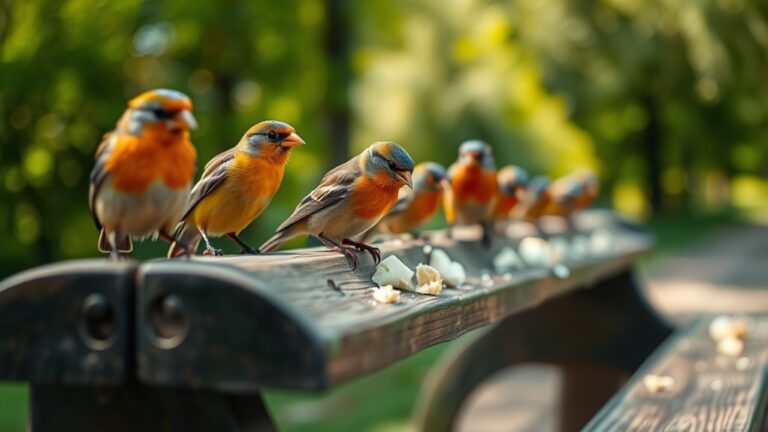
If you love feeding wild birds but often feel unsure about what to offer them, you’re not alone. Many people struggle to find the right foods that attract a variety of birds while keeping them healthy.
Finding the best options can be tricky, but knowing what to feed wild birds makes all the difference in creating a lively backyard full of feathered visitors.
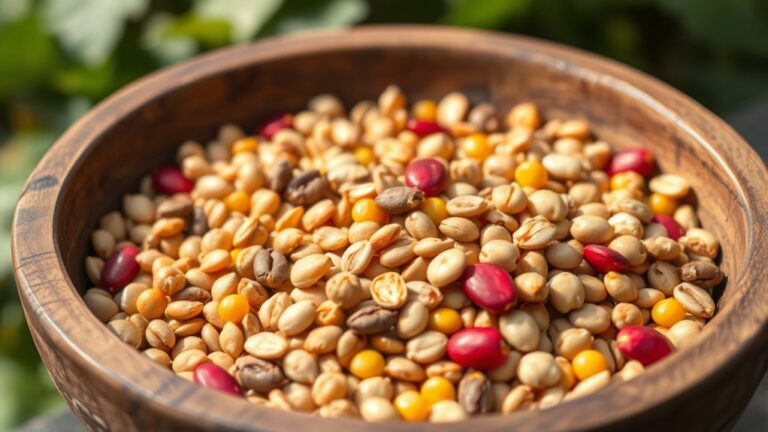
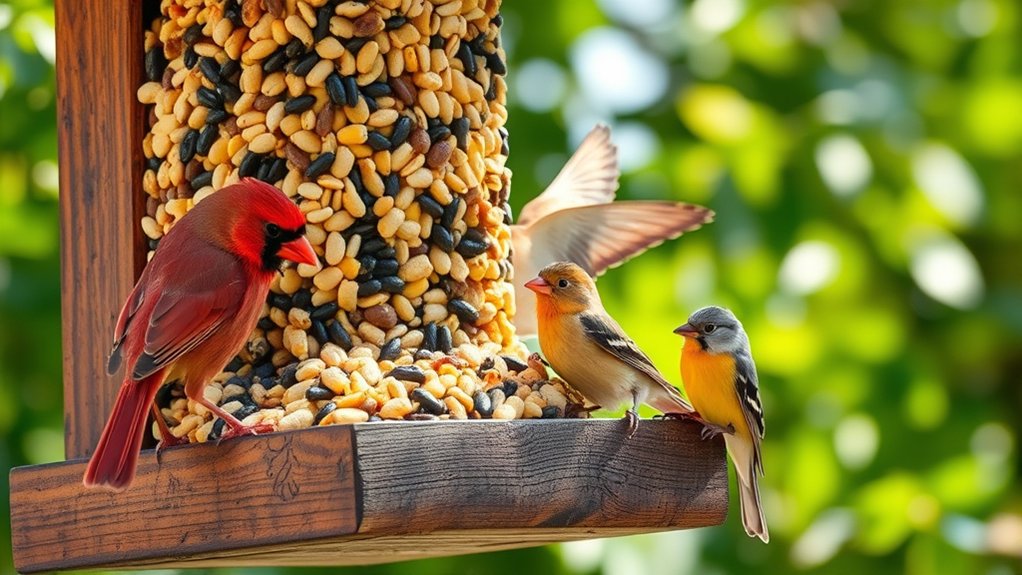
You should feed wild birds a mix of black oil sunflower and nyjer seeds to attract different species year-round. Suet provides high-energy fat that keeps birds active, especially in cold months.
Fresh fruits like apple slices and vegetables such as peas offer natural nutrition when it’s warm. Unsalted, raw nuts are safe and supportive, while mealworms add essential protein.
These options help you welcome a variety of birds and support their health, all explained in more detail here.
Key Takeaways
- Black oil sunflower seeds attract a wide variety of wild birds year-round. They’re a favorite for many species because of their thin shells and high oil content.
- Suet provides high-calorie energy, especially benefiting birds during colder months. It’s great for giving them an extra boost when food is scarce.
- Fresh fruits like apples and berries encourage natural foraging and offer essential nutrients. Birds enjoy the sweet taste and the vitamins they get from these treats.
- Unsalted, raw nuts such as peanuts and walnuts supply healthy fats and protein safely. Just make sure they’re not roasted or salted, as those can harm birds.
- Mealworms deliver vital protein, supporting feather growth and muscle development in insect-eating birds. They’re a perfect snack for birds that naturally hunt insects.
Best Seeds to Attract Wild Birds
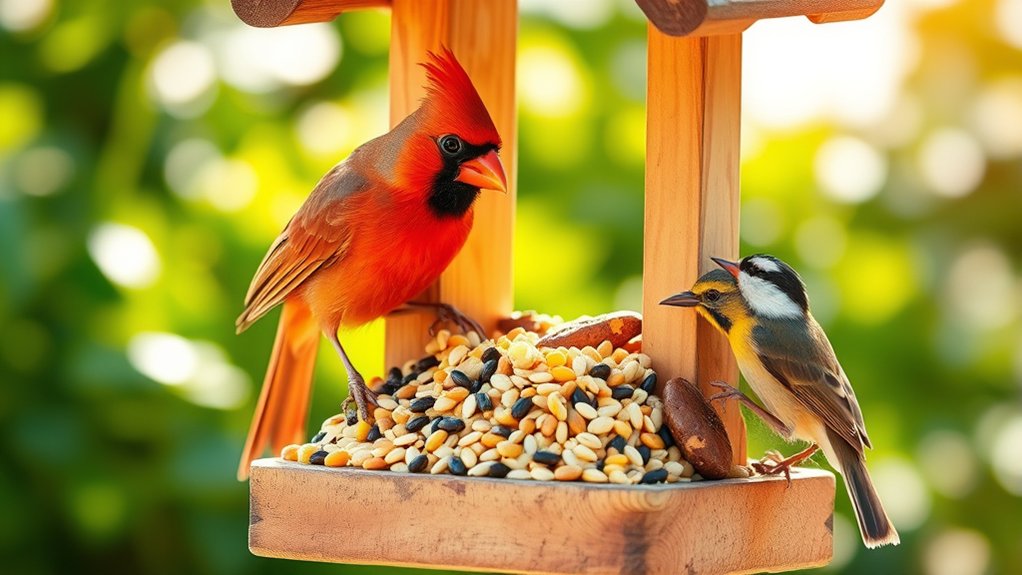
If you want to attract a variety of wild birds, choosing the right seeds is key. Start by selecting seeds that match the birds native to your area and the season. For instance, black oil sunflower seeds are a favorite year-round, while nyjer seeds attract finches especially in cooler months. Seasonal seed choices help you provide ideal nutrition and keep your feathered visitors coming back.
Next, think about bird feeder placement. Position feeders near natural shelter like trees or shrubs to offer birds protection from predators and harsh weather. Avoid placing feeders too close to windows to prevent collisions. Raise your feeders to deter squirrels and other animals.
How Suet Helps Keep Wild Birds Energetic
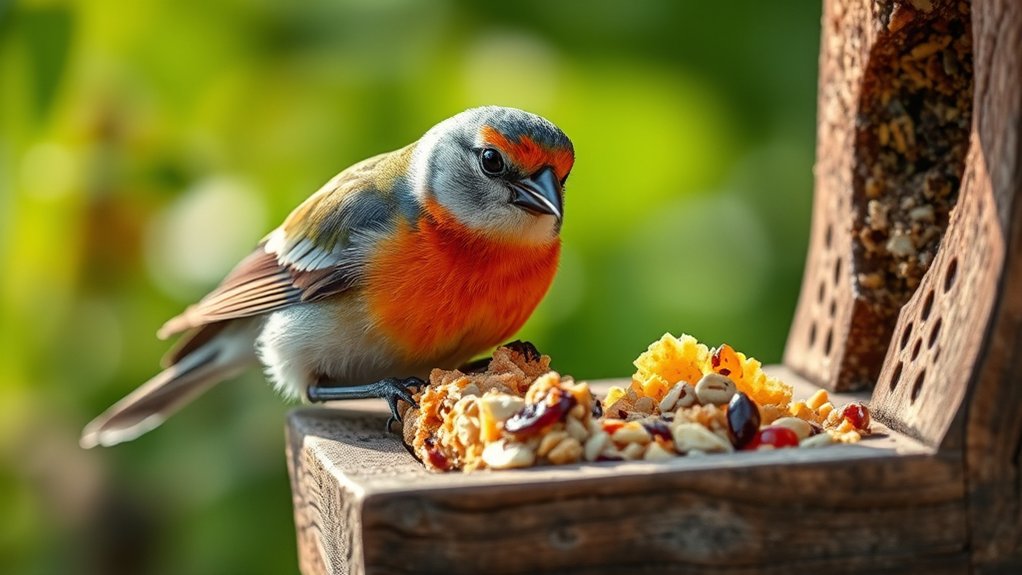
Because wild birds need extra energy, especially in colder months, suet provides a high-calorie food source that helps them stay active and warm. When you offer suet, you’re giving birds a quick, dense energy boost that supports their high metabolism. This is essential for maintaining bird energy during chilly days when finding natural food is tougher.
Suet benefits go beyond calories. It’s rich in fats, which are critical for birds to generate heat and sustain prolonged activity. You’ll notice woodpeckers, chickadees, and nuthatches flocking to suet feeders because it suits their dietary needs perfectly. Plus, suet’s sticky texture helps birds cling easily while feeding.
Fresh Fruits and Vegetables Wild Birds Love
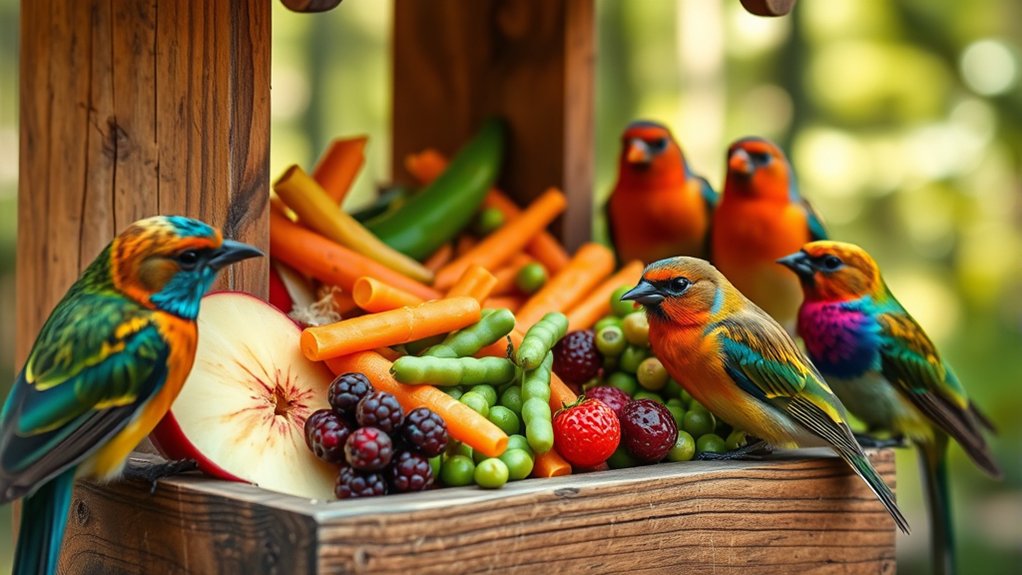
Suet provides birds with essential energy and warmth, but fresh fruits and vegetables offer a different kind of nourishment that wild birds also crave. Incorporating these into your bird feeding routine supports a balanced seasonal diet, especially during warmer months when birds naturally search for diverse plant matter.
You can offer slices of apple, berries, or grapes, which many bird species find irresistible. Vegetables like peas, corn, and leafy greens also attract birds and encourage natural bird foraging behaviors.
Safe Nut Feeding Practices for Wild Birds
While many wild birds enjoy nuts as a nutritious snack, you need to choose and prepare them carefully to guarantee their safety. Opt for unsalted, raw nuts like peanuts, almonds, or walnuts, and always avoid those with added flavors or preservatives. Chop larger nuts into smaller pieces to make them easier for birds to eat and reduce choking risks.
Pay close attention to bird feeder placement. Set feeders in shaded, dry areas to prevent nuts from spoiling quickly. Clean feeders regularly to avoid mold growth, which can harm birds. Seasonal feeding tips suggest offering nuts mainly in fall and winter when natural food is scarcer, giving birds an energy boost during colder months.
Mealworms and Insects: Protein for Wild Birds
Nuts provide great energy, but wild birds also need protein to stay healthy and active. Mealworms and other insects offer an excellent source of protein that complements the energy nuts provide.
Nuts deliver energy, while mealworms supply essential protein birds need to stay healthy and active.
When you feed wild birds mealworms, you’re tapping into a natural part of their diet rich in essential nutrients. The insect diversity found in your backyard supports various bird species, each benefiting from different insects’ unique nutritional content.
Offering live or dried mealworms can attract insect-eating birds like bluebirds, wrens, and chickadees, helping them thrive. Including a variety of insects ensures a balanced diet, promoting feather growth, muscle development, and overall well-being.
Remember to source mealworms from reputable suppliers to avoid pesticides or harmful chemicals. By incorporating insects into your feeding routine, you help maintain the natural diet balance and support wild birds’ health throughout the year.
Frequently Asked Questions
How Often Should I Clean My Bird Feeders?
You should clean your bird feeders at least once every two weeks to keep bird species healthy and prevent disease. If you notice moldy food or a heavy bird visit, clean them more often.
Sticking to regular cleaning helps maintain safe feeding schedules, ensuring birds return happily. Use warm, soapy water and rinse well.
Consistent maintenance protects both the birds and your feeders, making feeding time enjoyable for everyone.
Can Feeding Wild Birds Spread Diseases?
Yes, feeding wild birds can spread bird disease if you’re not careful. Studies show that contaminated feeders can increase disease transmission by up to 50%.
To prevent this, you’ve got to practice good feeding hygiene. Clean feeders regularly with a bleach solution and avoid overcrowding.
What Time of Day Is Best to Feed Wild Birds?
You should feed wild birds early in the morning when they’re most active and hungry after overnight fasting. Different bird species may have varying feeding schedules, but starting at dawn guarantees you attract a wide variety.
Offering food in the morning helps birds build energy for the day. You can also provide a small evening feeding to help them prepare for the night, but morning feeding is generally best to support their natural routines.
Should I Provide Water Along With Food?
Absolutely, you must provide water along with food. Birds would throw a party if they could! Bird hydration is just as essential as their nourishment.
Without clean water sources, they can’t stay healthy or hydrated. You’ll want to offer fresh water daily in a shallow dish or birdbath, especially during hot or dry weather. This helps birds thrive, sing louder, and visit your feeder more often. Water and food go hand in hand!
How Can I Prevent Squirrels From Stealing Bird Food?
To prevent squirrels from stealing bird food, use squirrel deterrents like baffles or squirrel-proof feeders. Place your bird feeder away from trees or structures squirrels can jump from.
Positioning your feeder at least 10 feet from launching points and 5 feet off the ground makes it harder for squirrels to reach. You can also try spicy bird seed mixes that squirrels dislike.
Combining these tactics will help keep squirrels at bay and protect your bird food.
Conclusion
Feeding wild birds is a rewarding way to connect with nature. By offering the right seeds, suet, fresh fruits, safe nuts, and mealworms, you’ll help keep them healthy and energetic.
Don’t you want to see more colorful birds visit your yard and enjoy their lively presence? Remember, choosing the best foods not only supports their well-being but also brings joy to your outdoor space.
So, start feeding wisely and watch the magic unfold! When you focus on what should I feed wild birds, you’ll create a welcoming haven that attracts beautiful visitors all year round.