Backyard Garden Design Ideas for a Simple How-To Guide
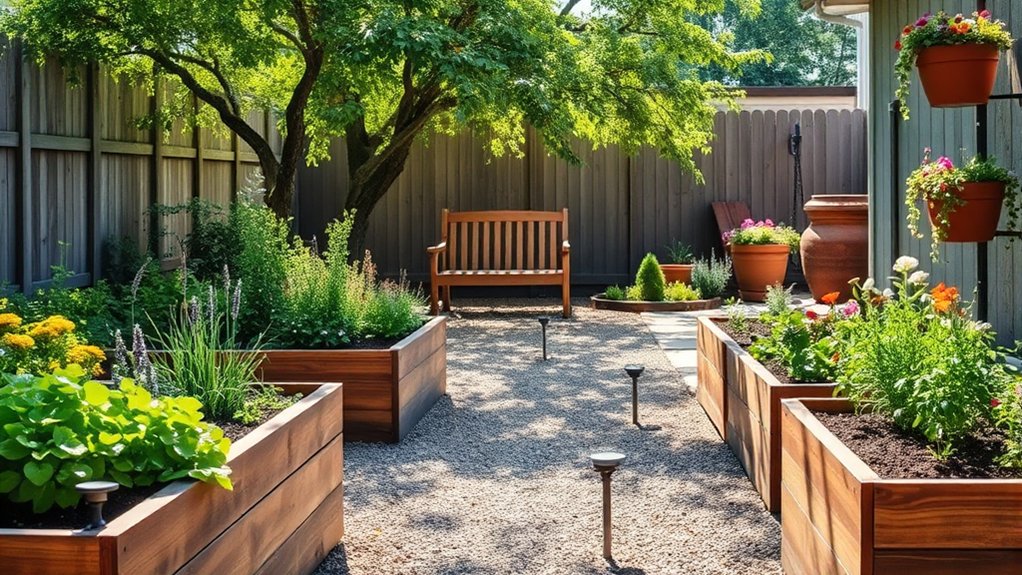
Creating a backyard garden that’s both beautiful and easy to maintain can feel overwhelming. You’re not alone—many people struggle to find the right balance between design, plant choice, and upkeep.
If you’ve ever wished for a simple how-to guide to help you get started, this roundup of backyard garden design ideas is here to make the process straightforward and enjoyable.
Start by choosing a sunny, well-drained spot near water and privacy for your backyard garden.
Sketch a simple layout, leaving room for paths, movement, and a cozy seating nook.
Pick plants that fit your light, space, and climate, including native and drought-tolerant options.
Test and improve your soil with compost, then add raised beds, borders, mulch, and drip watering.
Keep the design clean and low-maintenance, and you’ll see how each step builds a garden that works beautifully.
Key Takeaways
- Pick a sunny, well-drained backyard spot with easy access to water and paths.
- Sketch a simple layout before planting to plan paths, beds, and seating areas.
- Choose plants for your light conditions, mature size, and local climate. Favor native and drought-tolerant types.
- Prepare the soil with compost and fix drainage problems before installing beds or borders.
- Use mulch, drip irrigation, and grouped plantings to keep maintenance simple and efficient.
Choose the Best Backyard Garden Spot
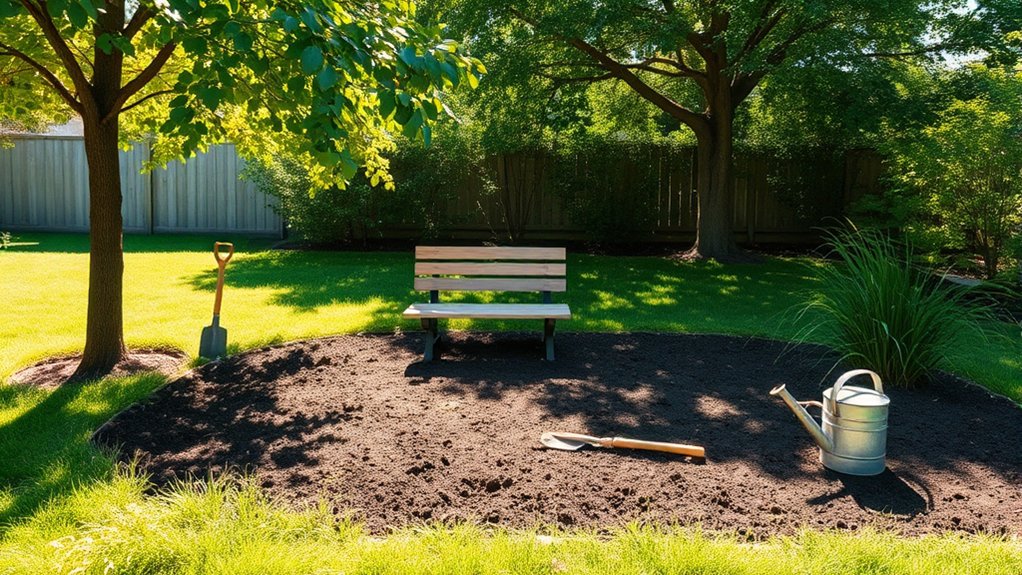
Before you plant a single seed, take a close look at your yard and choose a spot that gets the right mix of sunlight, drainage, and easy access. You’ll want to watch how the space changes through the day because sunlight exposure can vary from morning to afternoon.
Pick an area that matches the needs of the plants you hope to grow, and avoid low spots where water lingers after rain. If your yard has slopes, notice where runoff moves and where the soil stays too wet or too dry.
Choose a spot that fits your plants’ needs, and avoid low areas where water tends to linger.
Also, think about privacy considerations, since the best garden spot should feel comfortable to use and easy to enjoy. A location near a fence, hedge, or patio can give you a sense of enclosure without blocking light.
Stay close enough to a water source and a path, so you can tend the garden without hassle. When you choose well now, you’ll make every later step easier and more rewarding.
Plan Your Backyard Garden Layout
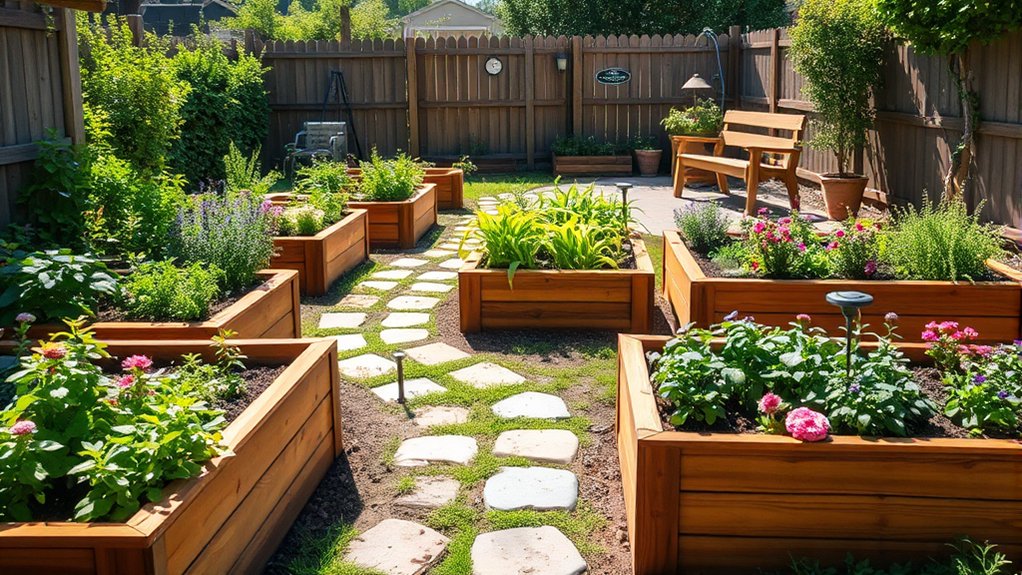
Start with a simple sketch of your backyard and map out where each part of the garden will go. Mark paths, beds, seating, and storage so your garden design feels balanced and easy to use.
Keep your layout tips simple: place taller features where they won’t block movement, and leave enough room to walk, kneel, and water without frustration. Think about how you’ll enter, turn, and reach every corner.
A clear plan saves time later and helps you avoid cramped spaces that feel chaotic.
- Feel calm when your plan makes sense
- Enjoy a yard that flows naturally
- Reduce mistakes before you dig
- Create space that invites you outside
- Build confidence with every choice
Draw a few versions if needed, then pick the one that feels most comfortable and practical.
Choose Plants for Sun, Size, and Climate
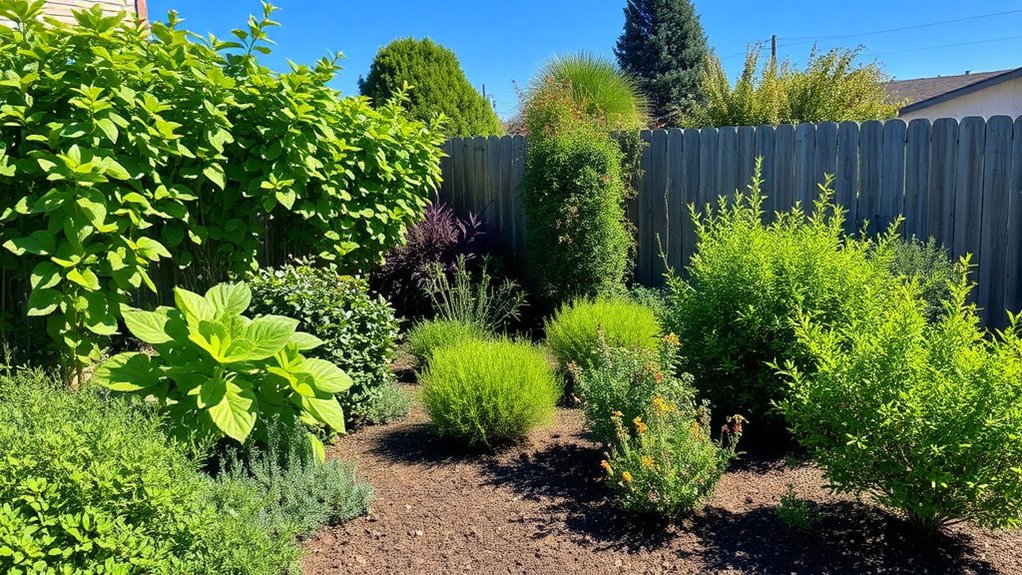
Once your layout is set, choose plants that match the light, space, and climate in your yard. Check each area for full sun, partial shade, or deep shade, then pick plants that will thrive there.
Pay attention to mature height and spread so you don’t crowd paths, fences, or nearby beds. Use native plant selection whenever possible, because local species usually handle weather swings and support pollinators.
If your summers run hot or dry, add drought resistant options like lavender, yarrow, salvia, or sedum. Mix tall, medium, and low plants to create layers without blocking views.
Group plants with similar needs together so you can care for them more easily. Also consider bloom times and foliage color, since that’ll keep your garden interesting across the seasons.
Choose a few reliable favorites first, then add extras as you learn what works best.
Prepare Soil for Healthy Growth
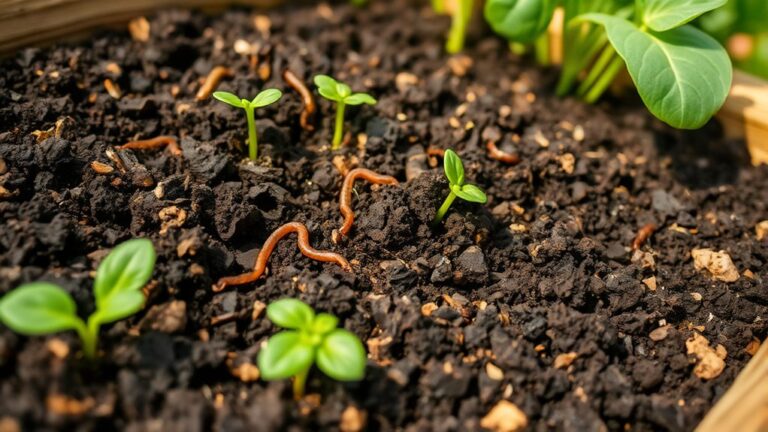
Before you plant, it’s a good idea to test your soil’s pH. That way, you’ll know exactly what your garden needs. Also, try mixing in some organic matter, like compost—it feeds the roots and makes the soil texture better. And if you notice water pooling after it rains, be sure to fix the drainage right away. This will help your plants grow strong and healthy.
Test Soil pH
A healthy backyard garden starts with knowing your soil’s pH, since it affects how well plants absorb nutrients. Use soil testing to check pH levels before you plant, so you can spot nutrient deficiencies early and protect garden health.
Simple testing kits give you a quick reading, and they’re easy to use in any bed. Your results also reveal whether conditions support microbial activity and stable soil structure, both of which help roots thrive.
Feel confident before you dig
Avoid guesswork that can waste time
Give each plant a fair start
Catch hidden problems before they spread
Grow with more control and calm
If the test shows imbalance, make small soil amendments only as needed. That way, you’ll set up stronger growth without upsetting your garden’s rhythm.
Add Organic Matter
With your soil pH checked, you can build on that foundation by adding organic matter to improve texture, boost nutrient supply, and support healthy root growth. Mix in finished compost, leaf mold, or well-rotted manure to feed microbes and enrich soil health.
You’ll notice the compost benefits quickly: it helps sandy soil hold moisture and gives clay soil a looser, easier-to-work feel. Spread a 2- to 3-inch layer over the bed, then work it into the top 6 to 8 inches with a shovel or garden fork.
If your soil already looks dark and crumbly, add a lighter layer and refresh it each season. Keep the bed mulched after planting so the added organic matter stays active and continues supporting your vegetables and flowers.
Improve Drainage Quickly
If water lingers after rain, improve drainage before planting so roots don’t sit in soggy soil. You can fix heavy ground fast with simple drainage solutions that help your garden breathe. Start by loosening compacted areas, then mix in coarse soil amendments like compost, pine bark, or grit to open pore space.
If puddles stay, build a raised bed or shallow swale to guide water away.
Feel relief when water soaks in
Save tender roots from rot
Give seeds a stronger start
Enjoy firmer paths after storms
Watch plants grow with confidence
Test the soil again after watering; it should drain evenly, not pool. Quick action now protects every plant you set out.
Install Raised Beds or Borders
You can start by choosing raised bed materials that fit your style, budget, and climate—like wood, stone, or metal. Then, set clean garden borders to define each planting area and keep the soil in place. These simple edges also help make your backyard garden look organized and polished.
Choosing Bed Materials
Raised beds or sturdy borders can quickly define your garden, improve drainage, and make planting easier to manage. Choose materials that fit your style and your climate. Compare wood options, metal alternatives, recycled materials, and stone choices with budget considerations in mind.
Look at aesthetic appeal, durability factors, and sustainability aspects before you buy. Warm cedar can feel inviting. Galvanized steel looks crisp and modern. Reclaimed brick adds character. Composite boards last for years. Natural stone feels timeless.
You’ll save time later when your beds hold shape and resist wear. If you want a simple, polished look, pick materials that match your plants and the mood you want to create. Go for what feels right today and lasts tomorrow.
Setting Garden Borders
Start with clean, level lines to set your garden borders and give the whole space structure. Choose border types that fit your yard, whether you want raised beds, stone, or timber. You can mix natural materials with decorative edging for a tidy look and easy border maintenance.
| Border shapes | Best use | Style |
|---|---|---|
| Curved | Softens paths | Relaxed |
| Straight | Defines edges | Modern |
| Mixed | Adds interest | Flexible |
Use border plants to soften hard edges and guide the eye through smart color combinations. Functional borders also help hold soil, block grass, and separate planting zones. If you keep the lines simple, your beds will feel organized, and your backyard will look polished without extra effort.
Add Paths and Edging
Paths and edging bring structure to a backyard garden, guiding movement while defining each planting bed. You can use path materials that suit your climate, budget, and style, then choose edging styles that keep lines crisp and neat.
Paths and edging shape a backyard garden, guiding movement and keeping every bed neatly defined.
A gravel path feels casual and welcoming, while pavers add a polished look. Mulch works well for soft shifts, and stepping stones create gentle rhythm through the space.
- Crushed stone invites a relaxed, earthy feel
- Brick adds warmth and timeless charm
- Timber edging softens straight lines
- Metal edging gives clean, modern definition
- Stone borders make beds feel grounded
Lay paths where you naturally walk, not where they look perfect on paper. Keep widths comfortable, and let edges curve or angle to match the garden’s shape. When you balance function with beauty, your backyard starts to feel organized, inviting, and alive.
Create a Cozy Seating Nook
You can create a cozy seating nook by choosing comfortable chairs, a cushioned bench, or even a small loveseat that just invites you to relax. Then, add some soft lighting—think string lights, lanterns, or solar lamps—to make the space feel warm and inviting after sunset.
With the right seating and a gentle glow, you’ll easily turn a quiet corner of your garden into a welcoming little retreat. It’s all about making that spot feel like your own peaceful getaway.
Choosing Comfortable Seating
To make your backyard feel truly inviting, choose seating that blends comfort, durability, and style. You can turn a quiet corner into a retreat by pairing garden benches with plush outdoor cushions. Pick pieces that support relaxed chats, solo reading, or a morning coffee. Measure your space first, then choose seating that fits without crowding plants or pathways.
Sink into a seat that welcomes you.
Let weather-resistant materials ease your upkeep.
Add cushions that soften every pause.
Choose shapes that make guests linger.
Create a nook that feels like home.
When you select seating with care, you build a space that invites rest, connection, and everyday enjoyment.
Adding Soft Lighting
Soft lighting can turn a simple seating area into a warm evening retreat. You can drape string lights overhead, then add fairy lights around plants for a gentle ambient glow.
Place solar lanterns beside chairs and along path lighting to guide movement without glare. Choose decorative fixtures that match your garden style, and keep the color temperature warm so the nook feels inviting.
For walls or fences, install outdoor sconces at eye level to balance the space. Think carefully about lighting placement so you highlight seating without overpowering it.
You’ll also save on energy efficiency by using LED bulbs and solar-powered options. With a few well-placed layers, you can create a cozy nook that feels relaxed, practical, and ready for evening conversations.
Water and Mulch Properly
A well-watered garden starts with consistency, not guesswork. You should water deeply at the root zone, then let the soil breathe before the next soak. If you want an easier routine, install drip irrigation so moisture reaches plants slowly and evenly.
Choose mulch types that suit your beds, like shredded bark, straw, or compost, and spread them 2 to 3 inches thick. Keep mulch a few inches away from stems to prevent rot and pests.
Feel the relief of fewer dry patches. Notice stronger growth after steady watering. Enjoy cooler soil on hot afternoons. Save time with a simple system. Watch weeds struggle and fade.
Check soil with your finger before watering again. In warm weather, you may need to adjust more often. With the right balance of water and mulch, you’ll protect roots, reduce stress, and give your backyard garden a calm, healthy start.
Add Lighting and Simple Decor
String lights, lanterns, and a few simple accents can turn your backyard into a welcoming retreat after sunset. You can drape string lights along a fence, hang fairy lights from branches, and place solar lanterns near seating to create an ambient glow. Add pathway lights to guide movement, then use decorative stakes to highlight beds and edges.
| Feature | Best Spot | Effect |
|---|---|---|
| String lights | Pergola or fence | Soft overhead sparkle |
| Solar lanterns | Tables or corners | Warm, portable glow |
| Pathway lights | Walkways | Safe, subtle guidance |
| Garden art | Focal point | Adds personality |
Choose light fixtures that fit your style, and keep decor simple so your plants stay the star. A single sculpture, wind chime, or metal trellis can add interest without clutter. With a few thoughtful touches, your garden feels inviting, balanced, and easy to enjoy each evening.
Keep Your Backyard Garden Low-Maintenance
Keeping your backyard garden low-maintenance starts with smart plant choices and simple systems that reduce daily chores. Choose drought-resistant plants, native shrubs, and slow-growing perennials so you water less and prune less.
Mulch beds heavily to hold moisture, suppress weeds, and keep soil cooler. Install drip irrigation with a timer, and you’ll save time while giving roots steady water.
You’ll spend weekends relaxing, not weeding. Your garden will stay tidy with less effort. You’ll worry less during hot, dry spells. You’ll enjoy blooms without constant upkeep. You’ll create a calm space that feels easy.
Use garden maintenance tips like grouping plants by water needs, edging beds cleanly, and skipping high-maintenance ornamentals. When you simplify design, you protect your energy and keep the yard inviting year-round.
Frequently Asked Questions
What Budget Is Needed for a Backyard Garden Design?
You’ll need anywhere from $200 to $5,000+ for a backyard garden design, depending on size, materials, and labor. Your budget breakdown should cover soil, plants, tools, irrigation, and hardscaping.
For simple DIY beds, cost estimates stay low. But if you hire help or add lighting, paths, or raised planters, costs rise fast.
You can start small, then expand as your budget allows and your garden grows.
How Long Does a Simple Backyard Garden Take to Build?
You can build a simple backyard garden in a few days to two weeks, depending on your plan and pace. Like a seed breaking through soil, progress starts fast when you clear the site, mark beds, and gather supplies.
Your garden timeline usually moves through prep, soil work, planting, and finishing touches. If you keep the construction phases simple, you’ll finish sooner and enjoy the space quickly.
Which Tools Are Essential for Beginner Gardeners?
You’ll need a sturdy trowel, hand fork, pruners, gloves, and a watering can or hose with a gentle nozzle. For soil preparation, add a spade and rake to loosen and level beds.
You should also use a wheelbarrow for moving compost and mulch. When you start plant selection, labels or a notebook help you track what you’ve planted, so you can care for everything properly and confidently.
Can I Design a Garden for Pets and Children?
Yes, you can design a garden for pets and children, like a welcoming bridge between play and peace. You’ll want pet friendly plants and safe play areas so everyone can investigate comfortably.
Choose sturdy grass, shaded corners, and non-toxic flowers, and keep paths clear of sharp edges. Add low fences or raised beds to guide movement.
With thoughtful planning, you’ll create a lively space where paws, feet, and curiosity can roam freely.
How Do I Protect My Garden From Pests Naturally?
You can protect your garden from pests naturally by using companion planting and natural repellents. Plant basil near tomatoes, marigolds by vegetables, and garlic around vulnerable beds to deter insects.
You should also spray neem oil or soapy water on problem areas, then keep soil healthy and weeds down. Inspect leaves often, remove pests by hand, and invite helpful insects like ladybugs.
These simple steps’ll cut damage without harsh chemicals.
Conclusion
With the right spot, layout, and plants, you can turn your backyard into a space that grows with ease and welcomes you back each day. You’ll notice how good soil, simple borders, and steady watering quietly do most of the work.
And just as the garden settles in, so do you, pulling up a chair in the nook, enjoying the glow of lights, and finding that low-maintenance beauty and everyday calm seem to arrive together. That’s the magic of a backyard garden design.