Small Garden Landscaping Ideas for a Simple How-To Guide
Many people struggle with making the most of a small outdoor space. If you’ve ever felt frustrated trying to create a cozy garden that doesn’t feel cramped, you’re not alone.
Small garden landscaping ideas can be challenging, but with the right ideas, you can transform your space into a charming retreat.
Start by measuring your space and marking zones for seating, planting, and paths so you don’t crowd the garden. Choose a simple layout with one main feature, then add compact, low-maintenance plants that suit the sun and shade.
Use vertical planters, trellises, and containers to save room, and define areas with narrow paths and edging. Finish with drip watering, lighting, and a small bench, and you’ll see how each choice makes the space feel bigger.
Key Takeaways
- Measure your garden, mark zones, and choose a simple layout with one main path and a focal feature.
- Prepare soil with compost and topsoil, then select compact, low-maintenance plants that suit your light and water conditions.
- Add vertical features like trellises, wall planters, and hanging baskets to make the most of your planting space.
- Define areas with narrow paths and consistent edging using gravel, brick, or other budget-friendly materials.
- Finish with drip irrigation, simple lighting, and compact seating to improve function without overcrowding.
Measure Your Space and Mark Zones
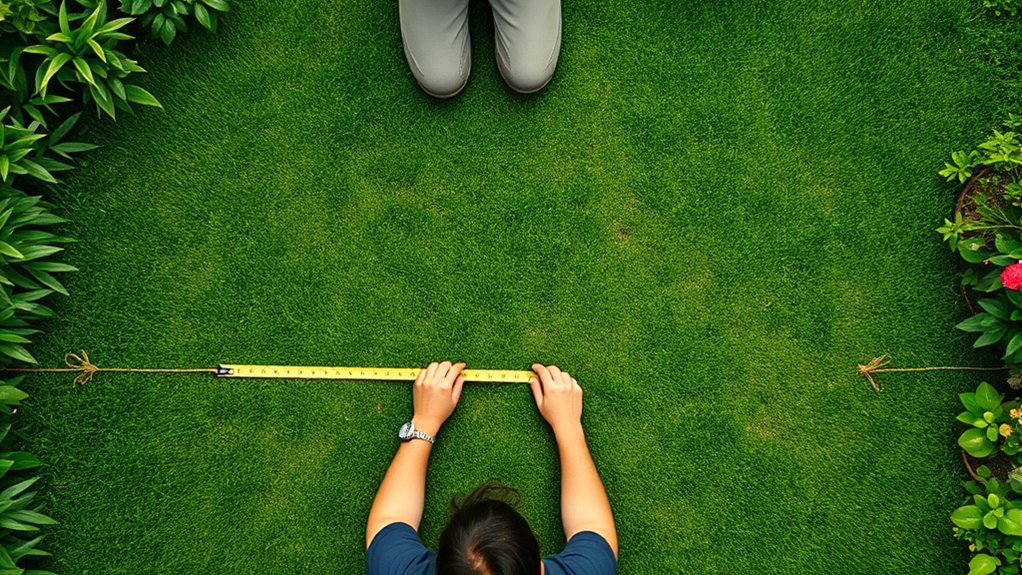
Before you buy a single plant, grab a tape measure and map out your garden’s exact dimensions. Measure every edge, corner, path, and fixed feature so your garden measurements are accurate.
Sketch the space on paper or in a digital planner, then note sunlight, shade, and drainage patterns. This helps you see where each section works best.
Use stakes, string, or chalk to mark boundaries directly in the yard, and label each area by purpose. You might assign one zone for seating, another for planting, and a narrow strip for access. Clear zone planning keeps your design simple and prevents overcrowding.
Once you define these spaces, check how much room remains for containers, borders, or raised beds. You’ll make smarter choices, avoid costly mistakes, and build a garden that feels balanced, usable, and easy to maintain.
Choose a Simple Small Garden Layout
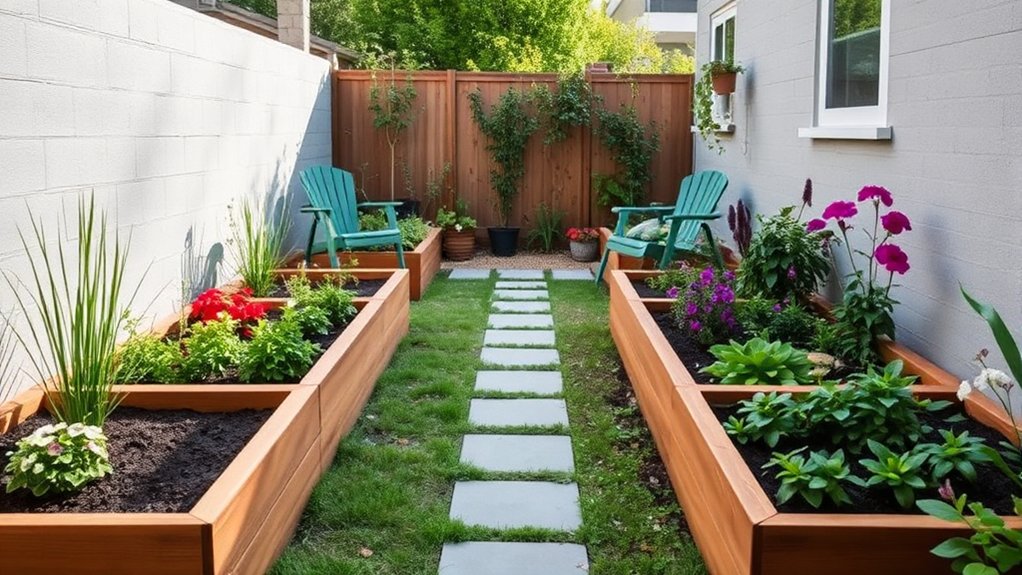
With your measurements in hand, choose a simple layout that fits the garden you actually have. Start with one clear path, one main feature, and open edges so the space feels bigger.
If your garden is narrow, run the path along one side and keep planting beds opposite it. If it’s square, try a balanced plan with a central focal point and tidy borders.
Use graph paper or a sketch app to test ideas before you dig. Good garden design doesn’t crowd every inch; it leaves breathing room and makes movement easy.
Look for layout inspiration in small courtyards, patios, or city gardens, then adapt what works for your plot. Keep curves gentle and straight lines clean, because both can simplify maintenance and sharpen the look.
Above all, pick a layout you can build in stages, so the project stays manageable and your garden stays cohesive from day one.
Choose Small Garden Plants
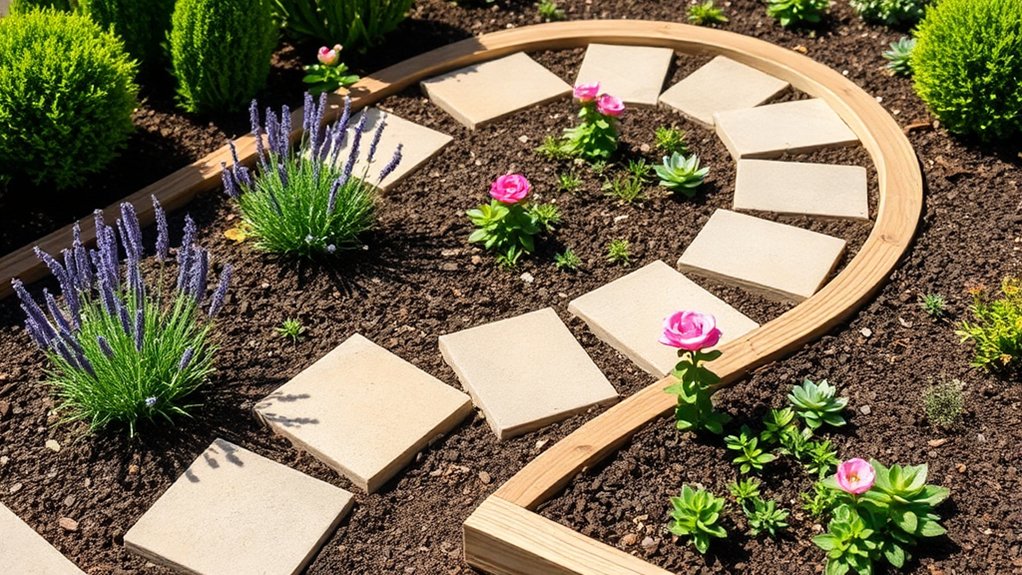
When you’re picking small garden plants, try to go for compact varieties that fit your space without crowding it. It really makes a difference in keeping things neat and tidy.
You can also mix plants of different heights to add some depth and keep your garden looking interesting. It’s a simple trick that makes the whole layout pop.
And honestly, choosing low-maintenance plants is a smart move. That way, your garden stays easy to care for all year round, without too much hassle.
Compact Plant Choices
Small garden plants make the space feel balanced instead of crowded, so choose compact varieties that fit your layout and still leave room to move around. You can build a lively garden with dwarf shrubs, petite perennials, and container herbs that stay neat without constant trimming.
Try drought resistant plants like sedum, lavender, and rosemary if you want lower upkeep and steadier growth in sunny spots. Add pollinator friendly options such as dwarf salvia, compact coneflower, and coreopsis to bring color and beneficial insects to your yard.
Group plants with similar water needs, then place each one where it’ll get the right light. When you pick varieties with naturally small habits, you’ll create a tidy garden that feels intentional, fresh, and easy to maintain all season.
Layered Height Selection
Layering plant heights helps your small garden feel fuller without looking cluttered, so start with low growers in front, mid-height plants in the middle, and a few taller accents toward the back. This simple structure creates layered designs that guide the eye and make every plant count.
You’ll also add height contrast, which gives tight spaces a balanced, polished look.
Place ground-hugging flowers along edges. Mix upright foliage with rounded forms. Repeat one tall plant to anchor each bed.
When you choose plants with different mature heights, you can frame paths, soften hard edges, and keep views open. Keep spacing even, then step back and adjust until the layers feel natural.
Low-Maintenance Varieties
To keep a small garden looking tidy without constant upkeep, choose compact plants that naturally stay neat, handle your climate well, and don’t need frequent pruning. You’ll save time and still enjoy color, texture, and structure year-round.
Pick drought-resistant plants like lavender, sedum, and ornamental grasses since they cope with dry spells and stay manageable in tight spaces. Add native species because they’re adapted to your local weather, need less water, and attract beneficial pollinators.
You can also use dwarf shrubs, slow-growing evergreens, and groundcovers to fill gaps without overcrowding beds. Group plants with similar light and water needs so you won’t waste effort on extra care. With smart choices, your garden stays attractive, resilient, and easy to maintain.
Add Vertical Garden Features
You can make the most of a small garden by adding wall-mounted planters that free up floor space and bring color to blank surfaces. Plus, a trellis lets climbing plants grow upward, creating height, texture, and natural privacy. These vertical features really help you pack more beauty into less room. Give them a try—you might be surprised how much life they add to your garden!
Wall-Mounted Planters
Wall-mounted planters instantly add depth to a small garden by turning bare fences, sheds, or exterior walls into growing space. You can create hanging gardens that improve wall aesthetics while saving ground room. Choose sturdy DIY planters and mix plant arrangements for vertical gardening that feels fresh and organized.
Use compact herbs for easy picking. Pair flower varieties with color coordination. Shift displays with seasonal changes.
These creative displays work best when you match planter size to sun exposure and wall strength. Keep maintenance tips simple: water consistently, trim spills, and check drainage so roots stay healthy.
With a few well-placed planters, you’ll add texture, color, and charm without crowding your patio or path.
Trellis Climbing Plants
A trellis turns a plain corner into a living feature, giving climbing plants room to grow upward instead of spreading across precious ground. You can choose from wood, metal, or bamboo trellis types, depending on your style and the weight of the vines.
Check plant compatibility before you buy, because sweet peas, clematis, jasmine, and climbing roses each need different support and sun exposure. Install the trellis where it gets steady light, then anchor it firmly so wind won’t loosen it.
Guide young stems gently with soft ties, and prune as needed to keep growth tidy. With the right support, you’ll add height, color, and privacy without crowding the rest of your small garden.
Use Paths and Edges to Define Areas
Paths and edges can quickly give a small garden structure without making it feel cramped. You can use a narrow path to guide movement and separate planting pockets, seating, or a herb corner. Choose path materials that suit your style and budget, then match them with simple border options to keep lines clean. Gravel feels casual, while brick or stepping stones add a tidier look.
Lay a curved path to soften tight corners. Edge it with metal, stone, or timber for definition. Repeat one material so the space feels unified.
Keep widths modest so you preserve growing room, and avoid busy patterns that split attention. A clear edge also helps you mow, mulch, and maintain the garden more easily. When you define zones with paths, you make the whole layout feel intentional, calm, and easy to enjoy.
Build Raised Beds for Easy Planting
Raised beds are a smart way to make a small garden easier to plant, weed, and harvest because they lift the soil into neat, manageable sections. You can build them with wood, stone, or metal, but choose bed materials that fit your budget, climate, and style.
Set each bed where it gets enough sun and easy access from both sides if possible. Then focus on soil preparation by loosening the ground below, removing roots and debris, and filling the frame with a rich mix of compost, topsoil, and light organic matter.
This gives your plants room to grow while improving drainage and root health. Keep the beds narrow enough that you can reach the center without stepping in them, which protects the soil structure.
Once you install them, you’ll notice your small garden looks tidier, works harder, and feels much easier to maintain throughout the season.
Use Containers to Add More Plants
You can easily add more plants without crowding your garden by using space-saving pots that fit along paths, corners, and steps. Try mixing containers of different heights to create layers—it really helps make the space feel fuller. Also, vary the textures and plant forms to keep the look lively and balanced.
Choose Space-Saving Pots
A few smart pots can make a small garden feel much fuller without taking up precious ground space. Choose slim, stackable, or wall-mounted containers to squeeze in extra greenery and keep walkways clear. You’ll get strong space-saving benefits when you match each pot to a tight corner, railing, or sunny wall.
Pick narrow planters for herbs and annuals. Use hanging baskets for trailing plants. Try window boxes to free up floor space.
Think about pot material options, too. Lightweight resin, metal, and fiberclay are easier to move, while terracotta adds warmth but weighs more. Group several small pots instead of one bulky planter, and you’ll create a cleaner layout without crowding your garden.
Mix Heights and Textures
Mixing different heights and textures gives a small garden more depth, making it feel layered instead of cramped. You can place tall planters behind low pots, then add trailing plants at the edges to soften hard lines.
Use containers to add more plants without taking up extra ground space. Try glossy leaves beside feathery foliage for strong texture shifts, and pair bright flowers with muted greens for color contrast.
You’ll also keep the garden interesting through the year by swapping in seasonal blooms as others fade. Group pots in odd numbers, vary their sizes, and leave narrow gaps so each plant stands out.
This simple setup helps you create movement, balance, and visual rhythm in a compact garden.
Set Up Easy Garden Watering
Even a small garden stays healthy when watering feels effortless, so set up a simple system that delivers moisture where plants need it most. Choose drip irrigation to send water straight to roots, cut waste, and keep foliage drier. Tuck lines along beds, then use hose management clips or a reel so you’re not tripping over tangled tubing.
Water early, before heat steals moisture. Group thirsty plants together for easier care. Check soil with your finger, then water only when the top inch feels dry.
You’ll save time when every bed gets the right amount without guesswork. Add a timer if you want even more consistency, and adjust flow as seasons change. A tidy watering setup keeps your small garden neat, efficient, and easier to enjoy every week.
Add Lighting to Open Up the Space
Once your watering setup is in place, lighting can make a small garden feel larger and more inviting after dark. You can improve outdoor ambiance with a few well-placed lighting fixtures that guide the eye and reduce harsh shadows.
Try solar options for easy upkeep, or run low-voltage wiring if you want more control. String lights across a fence or trellis to add height, while pathway illumination helps you move safely and defines narrow edges.
Try solar options for easy upkeep, or use low-voltage lighting for more control and flexibility.
Use accent lighting to highlight a favorite plant, wall, or arbor, and place decorative lanterns where they cast a soft glow. Choose fixtures with energy efficiency in mind so your garden stays practical year-round.
If you want flexibility, install dimmable controls to adjust brightness for quiet evenings or lively gatherings. Thoughtful lighting supports garden aesthetics and makes even the smallest space feel open, balanced, and welcoming at night.
Add Simple Seating and Decor
A small garden feels more usable when you add a few simple places to sit, so choose compact benches, folding chairs, or a built-in ledge that won’t crowd the space. Pick seating options that fit your layout and leave room to move. Slim outdoor furniture in natural materials keeps the look light, while colorful cushions add comfort and charm.
Use portable seating for flexible cozy corners.
Add garden art as decorative accents near paths.
Place plant stands to lift greenery and soften edges.
Keep themed decor subtle so the garden feels calm, not busy. One or two well-chosen pieces can frame a nook and make it feel finished. If you want a welcoming retreat, focus on texture, balance, and easy-to-move pieces. Small changes like these help you turn unused spots into restful places you’ll actually enjoy.
Frequently Asked Questions
How Do I Choose a Garden Style for My Small Yard?
Start by matching your yard to how you live, then pick a look you’ll enjoy maintaining. If you want clean lines and low fuss, choose minimalist design with simple shapes and a limited plant palette.
If you love color and texture, go for cottage charm with layered flowers and relaxed paths. Consider sunlight, space, and budget, then choose one style and repeat it for a cohesive feel.
What Budget Should I Plan for a Small Garden Makeover?
You should plan a small garden makeover budget of about $500 to $5,000, depending on materials, plants, and labor. Your budget breakdown should cover soil, plants, edging, tools, and any hardscaping.
You can cut costs with tips like reusing containers, starting from seed, and doing the work yourself. If you want professional help, expect your total to rise fast, especially for design and installation.
How Can I Protect Plants From Common Garden Pests?
You can protect plants from common garden pests by pairing quick action with steady care: inspect leaves often, handpick bugs, and wash them off with water. Use natural pest repellents like neem oil or soap spray, and try companion planting with marigolds, basil, or nasturtiums to confuse pests.
Keep soil healthy, remove debris, and mulch lightly. A tidy bed can stay calm, while a neglected one turns into a buffet.
Which Seasonal Tasks Keep a Small Garden Healthy Year-Round?
You keep your small garden healthy year-round by matching tasks to each season. In spring, you prune, refresh compost, and start seasonal planting.
In summer, you water deeply, mulch, and weed often.
In fall, you clear debris, divide perennials, and add compost.
In winter, you protect roots, check drainage, and plan next steps. Consistent garden maintenance helps you prevent problems and support steady growth.
How Do I Improve Soil Quality Before Planting?
You improve soil quality by testing it first, then working in soil amendments like compost, aged manure, or leaf mold. Mix them into the top 6 to 8 inches to boost structure, drainage, and nutrients.
Think of your soil as a hungry engine. It needs good fuel to run well. The compost benefits include better moisture retention and healthier roots, so you’ll give your plants a stronger start and fewer growing problems.
Conclusion
With a little planning, you can turn a small garden into a space that feels organized, welcoming, and easy to enjoy. Measure your area, pick a simple layout, and choose plants that fit your light and space.
Then add vertical features, paths, containers, watering, lighting, and a few cozy touches. Keep it simple, and your garden will grow into a spot that feels as calm as a pocket-sized retreat.
By following these small garden landscaping ideas, you’ll create a space that’s both beautiful and functional. Your small garden will become a peaceful escape you’ll love spending time in.