How to Make a Backyard Garden in 3 Steps
If you’ve ever dreamed of growing your own fresh veggies but felt overwhelmed about where to start, you’re not alone. Many people struggle with turning their backyard into a productive garden, unsure of the first steps to take. The good news is, creating a backyard garden doesn’t have to be complicated.
Start by choosing a sunny spot with 6 to 8 hours of light, good drainage, and easy access for watering and upkeep. How to Make a Backyard Garden.
Next, test and loosen the soil, clear debris, mix in organic matter, and shape neat beds or rows that suit your yard.
Then plant crops that fit your climate, water them deeply, and keep up with weeding, mulch, pruning, and light feeding.
Do these steps well, and the rest gets much easier.
Key Takeaways
- Choose a sunny backyard spot with good drainage and easy access for watering and maintenance.
- Test and prepare the soil by clearing debris, loosening it, and mixing in organic matter.
- Shape neat garden beds or rows to improve drainage and create an organized planting area.
- Plant climate-appropriate seeds or seedlings at proper spacing, then water deeply right away.
- Maintain the garden by weeding, mulching, pruning, and watering regularly throughout the season.
Choose the Best Spot for Your Backyard Garden
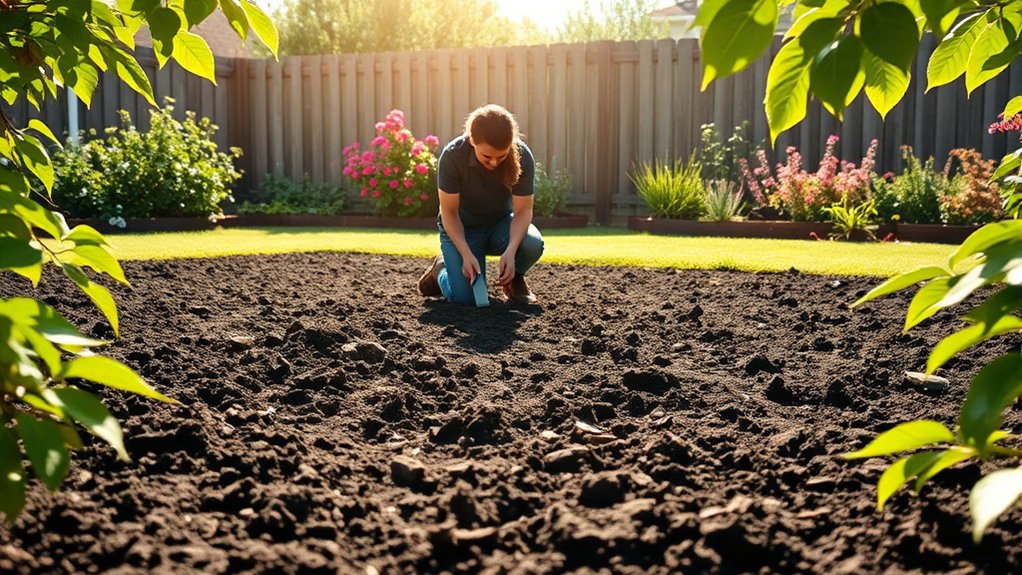
Before you dig, pick a spot that gets at least 6 to 8 hours of sunlight a day, drains well, and is easy to reach with a hose or watering can. You’ll want to watch the yard through the day so you can see how sunlight exposure changes from morning to evening.
Notice where trees, fences, and buildings cast shade, then choose the clearest area for your crops. Good drainage matters too, because standing water can weaken roots and invite disease. If the ground stays soggy after rain, look for a slightly higher place instead.
You should also think about access: place the garden where you can check it often, harvest easily, and carry tools without hassle. Keep it close enough that watering won’t feel like a chore, but far enough from heavy foot traffic to avoid damage.
Prepare Your Backyard Garden Soil and Beds
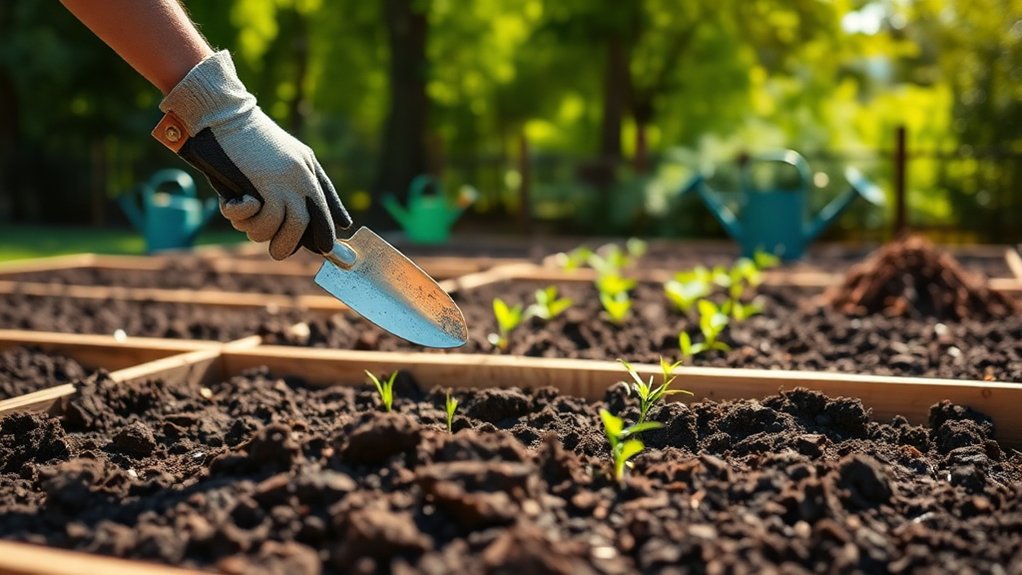
Once you’ve picked the right spot, turn your attention to the soil and beds. Start with soil testing so you know whether your ground needs lime, compost, or other amendments.
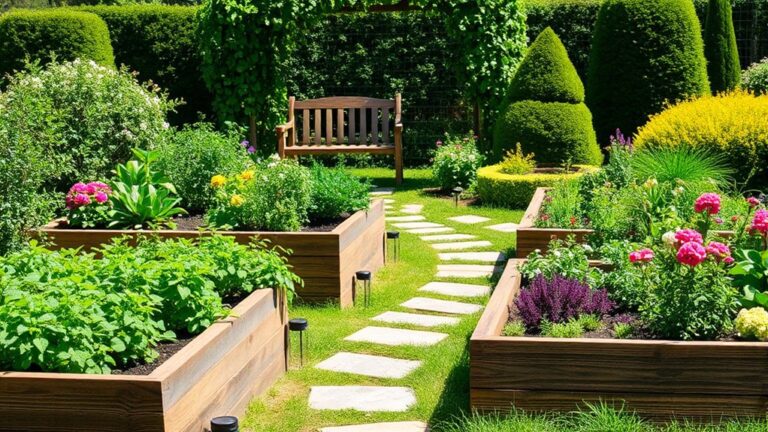
Clear away rocks, weeds, and debris, then loosen the top 8 to 12 inches so roots can spread easily. Good bed preparation means shaping your growing area into neat, reachable sections that drain well and hold moisture without staying soggy.
| Task | What You Do | Result |
|---|---|---|
| Test soil | Check pH and nutrients | Better amendment choices |
| Clear bed | Remove weeds and stones | Cleaner planting area |
| Shape beds | Build raised or level rows | Easier maintenance |
Mix in organic matter evenly, then rake the surface smooth. If your soil is heavy clay, raise the beds a little higher. If it’s sandy, add compost to improve moisture retention.
A well-prepared bed gives your garden a strong start.
Plant, Water, and Maintain Your Garden

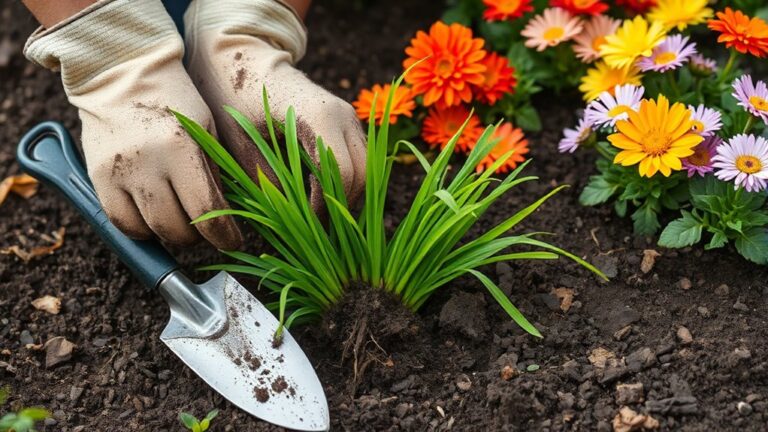
Now it’s time to put your garden in the ground and help it thrive. Choose plant selection that matches your climate, sunlight, and soil, then space each seedling or seed according to its label. Use sturdy garden tools to dig, set roots, and firm soil around each plant without compacting it too much.
Water deeply right after planting so moisture reaches the root zone, then keep a regular schedule based on weather and plant needs. Water early in the morning to reduce evaporation and fungal problems.
Check your beds often for weeds, pests, and drooping leaves, and remove issues before they spread. Add mulch to hold moisture and slow weeds, then prune spent growth to encourage stronger stems and better harvests.
As plants grow, adjust support, fertilize lightly when needed, and harvest on time to keep your garden productive all season.
Frequently Asked Questions
What Garden Style Fits a Small Backyard Best?
A vertical garden style fits your small backyard best because it maximizes space optimization and keeps the area open. You can use wall planters, trellises, and hanging pots to grow herbs, flowers, or vegetables without crowding the ground.
This approach lets you garden in tight spaces, adds visual height, and makes maintenance easier. If you want flexibility, mix containers with climbing plants for a compact, stylish result.
How Do I Protect My Garden From Pests Naturally?
You can protect your garden naturally by combining companion planting with natural repellents. Plant basil, marigolds, and onions near vulnerable crops to confuse pests and attract beneficial insects.
Spray diluted neem oil or garlic solution on leaves to discourage chewing bugs. Hand-pick larger pests early, and keep weeds, debris, and standing water out of the beds.
You’ll create a healthier garden that resists pests without harsh chemicals.
Which Tools Are Essential for Backyard Gardening?
You’ll need a sturdy trowel, hand fork, pruning shears, gloves, a watering can or hose, and a spade for digging. Add a rake and cultivator for soil preparation, plus a wheelbarrow if you’re moving compost or mulch.
Keep your tools sharp and clean with regular tool maintenance so they last longer and work better. If you garden often, a kneeling pad and plant labels can make jobs easier too.
Can I Garden Successfully in Containers Instead?
Yes, you can garden successfully in containers instead. A small start can grow big rewards. With container gardening, you control soil, drainage, and sunlight more easily than in-ground beds.
Smart plant selection matters, so choose compact vegetables, herbs, or flowers that fit your space and climate. You’ll need pots, quality potting mix, and regular watering.
Keep feeding your plants, and you’ll likely enjoy a thriving, flexible garden.
How Do I Plan a Garden Budget Before Starting?
Start by listing every expense you’ll face: soil, seeds, containers, tools, water, and mulch. Set a total limit, then divide it into must-haves and extras.
You can save money by reusing pots, swapping seeds, and choosing budget friendly plants like herbs, lettuce, and marigolds. Compare prices before buying, and track every purchase.
These cost saving tips help you stay on budget and avoid surprises.
Conclusion
With the right spot, healthy soil, and a little care, your backyard garden can bloom like a promise kept. Now you’ve got the three simple steps to turn a plain patch into a thriving space full of life.
Keep watering, watch for weeds, and enjoy each new sprout as it appears. Before long, you’ll be harvesting the rewards of your own hard work and watching your backyard garden grow brighter every day.