10 Best Vegetables to Grow in Your Backyard
Many people dream of growing fresh veggies right in their backyard but struggle to know where to start. If you’ve felt overwhelmed by all the options or unsure which plants will thrive, you’re not alone.
Finding the best vegetables to grow in your backyard can make all the difference in creating a rewarding, fruitful garden.
The 10 best vegetables to grow in your backyard are tomatoes, lettuce, zucchini, radishes, green beans, peppers, cucumbers, spinach, and easy herbs like basil, dill, and chives.
You’ll get the best results with full sun for warm crops, partial shade for lettuce and spinach, and steady watering for all of them.
Plant in small batches for a longer harvest, and you’ll soon have a garden that keeps giving with a few simple growing tricks.
Key Takeaways
- Tomatoes, lettuce, radishes, green beans, and zucchini are backyard-friendly choices with high yields and manageable space needs.
- Choose compact or bush varieties when space is limited, especially for tomatoes, beans, cucumbers, and peppers.
- Plant cool-season crops like spinach and lettuce early, and warm-weather crops after frost when nights stay above 55°F.
- Stagger plantings of lettuce, radishes, zucchini, and cucumbers every 1 to 3 weeks for continuous harvests.
- Use full sun, rich soil, mulch, and regular watering to boost growth and flavor in most backyard vegetables.
Tomatoes for Your Backyard Garden

Tomatoes can be one of the most rewarding crops to grow in your backyard garden. You can pick compact, determinate plants for small spaces, or choose vigorous indeterminate types if you want a longer harvest.
Heirloom varieties give you rich flavor and unusual colors, while hybrids often resist disease better and produce reliably. Give your plants full sun, loose soil, and steady water, and they’ll reward you with juicy fruit.
Mulch around the base to hold moisture and keep weeds down. If you’re short on space, container gardening works well with sturdy pots, quality potting mix, and a trellis or cage for support.
Check plants often for pruning needs, pests, and ripe fruit, then harvest when tomatoes feel slightly soft and show deep color. With a little attention, you’ll enjoy fresh tomatoes for salads, sauces, and sandwiches all season long.
Lettuce for Fast, Fresh Harvests
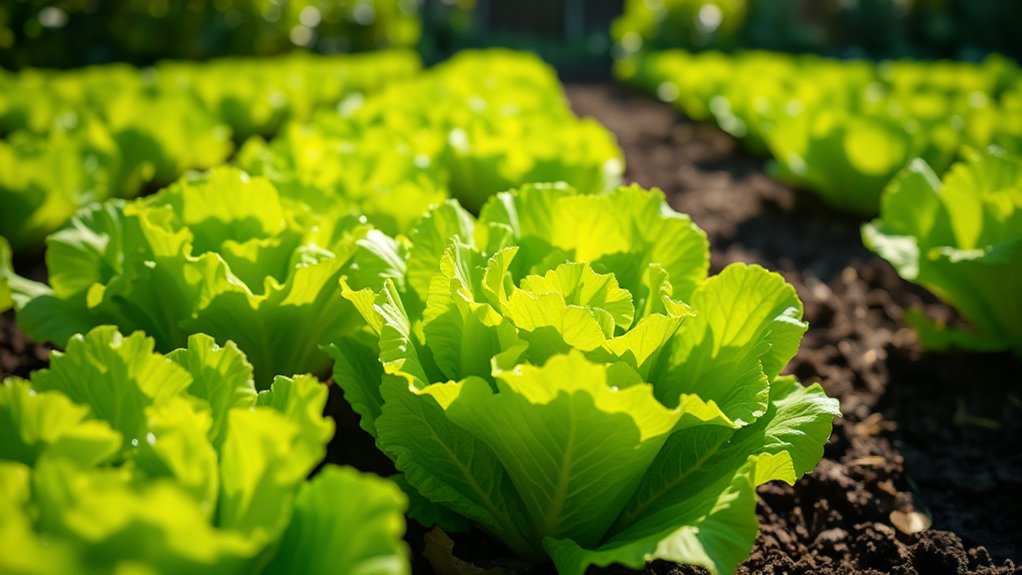
After growing a crop like tomatoes, you might want a quicker payoff from your garden, and lettuce is a great choice. You can sow it in cool weather and start picking tender leaves in just a few weeks. Choose crisp, looseleaf, or romaine salad varieties based on how you like to eat them, then match your growing methods to your space.
A sunny bed works well, but partial shade helps when days turn warm. Direct sow seeds for an easy, low-cost start. Thin seedlings so each plant gets room to grow. Harvest outer leaves often to keep plants producing.
Keep the soil evenly moist, and you’ll avoid bitterness and stress. If you want steady salads, plant small batches every 10 to 14 days. That simple rhythm gives you fresh greens without a long wait, and it makes lettuce one of the most rewarding backyard crops.
Zucchini That Keeps on Producing

If you want zucchini all season long, try planting a few seeds in stages instead of all at once. That way, you’ll have a steady supply rather than a big batch all at once. Also, make sure to harvest often.
When you pick the fruits while they’re still small and tender, the plants will keep producing more. Keeping up with regular picking really helps your garden stay productive for a longer time.
Planting for Continuous Harvest
For a steady zucchini harvest, plant successively every two to three weeks while the weather stays warm. Pick fruits small and often so the plants keep producing. Use staggered sowing to spread your crop across the season, so one planting doesn’t peak all at once.
You can also pair zucchini with companion planting choices like beans, nasturtiums, or marigolds to support pollinators and make good use of space. Keep a few seeds or starts ready, and fill any empty spots as soon as they open up. That way, you’ll keep fresh plants coming and your kitchen supplied longer.
- Sow a new row after each harvest gap
- Mix in pollinator-friendly flowers nearby
- Track planting dates for better timing
Picking Size for Productivity
Harvest zucchini when it’s small, tender, and glossy, usually around 6 to 8 inches long. Frequent picking tells the plant to keep setting new fruit. If you wait too long, the skin toughens, seeds swell, and production slows.
Check plants every day or two in warm weather, since zucchini can double in size fast. Use a sharp knife or pruners to cut the stem cleanly instead of twisting fruit off.
Keep an eye on plant height because vigorous vines need room to spread and stay easy to harvest. With ideal spacing, air moves better, disease pressure drops, and you spot hidden fruit sooner.
Harvesting early also keeps flavor sweet and texture firm, so you’ll enjoy more zucchini from each plant all season long.
Radishes for Quick Results
Radishes are a great choice when you want quick results in your garden. You can harvest them in just a few weeks, which is pretty fast. Plus, you’ll love their crisp texture and peppery flavor—it’s perfect for salads, snacks, and more. So, if you’re looking for a fast and rewarding crop, radishes definitely deliver.
Fast Harvest Timeline
If you want quick wins in the garden, radishes are hard to beat. You can sow seeds directly in cool soil and watch fast-growing varieties sprint from planting to plate in just a few weeks. Most harvest timelines land around 20 to 30 days, so you won’t wait long for results.
Keep the bed moist, thin seedlings early, and give roots room to swell evenly.
Mark your planting date so you can track progress. Check roots when tops look full but before they get tough. Replant every 1 to 2 weeks for a steady supply.
This quick cycle helps you learn timing fast and keeps your backyard beds productive without a long commitment.
Crisp, Peppery Flavor
Another reason radishes earn a spot in your garden is their crisp, peppery bite. You can pull them young for a mild snap, or let them size up for a sharper finish that wakes up salads, tacos, and slaws.
Their flavor gives you the kind of quick garden payoff you can taste right away, unlike slower crops that keep you waiting. If you enjoy peppery arugula, you’ll appreciate radishes’ bright edge; if you like crisp radicchio, you’ll notice the same invigorating bitterness in a softer form.
Slice them thin, roast them, or eat them straight from the bed. With each harvest, you get a lively, compact vegetable that adds color, crunch, and zing to your table without demanding much space or patience.
Green Beans for Easy Yields
Green beans are one of the easiest vegetables to grow when you want a fast, reliable harvest. You can sow seeds after the last frost, and they’ll sprout quickly in warm soil. Choose compact bush types for a simple setup, or try climbing poles if you want longer picking seasons.
When you compare green bean varieties, look for disease resistance and pod size that fit your meals. Keep the bed evenly moist, but don’t overwater, and you’ll avoid weak growth.
- Pick pods often to keep plants producing.
- Mulch lightly to hold moisture and reduce weeds.
- Watch for beetles and use simple pest management early.
You’ll get the best yields with full sun and regular harvesting. Beans don’t need heavy feeding, so skip excess nitrogen and let the plants focus on pods. With a little attention, you can enjoy tender, crisp beans all summer long.
Carrots for Small Garden Spaces
Carrots are a smart choice for small garden spaces because they grow well in beds, raised planters, and even deep containers. You can get a strong harvest without giving up much room, especially if you loosen the soil first so roots can grow straight.
In container gardening, choose a pot at least 12 inches deep and fill it with loose, sandy mix. Sow seeds thinly, then keep the soil evenly moist until they sprout. Once seedlings appear, thin them so each carrot has space to develop.
You’ll also get better results with companion planting. Try growing carrots near onions, lettuce, or radishes to make the most of limited space. Harvest them when roots reach the size you want since smaller carrots can taste sweet and tender.
With a little care, you’ll enjoy fresh carrots right from your backyard.
Peppers That Thrive in Warm Weather
If you want peppers that really love the heat, go for sweet bell peppers, jalapeños, or banana peppers. These varieties are strong and reliable growers. You’ll see the best results when you plant them in full sun, keep the soil nice and warm, and water them deeply—but don’t overdo it. With the right care, these warm-weather peppers can give you a long, colorful harvest that’s well worth the effort.
Ideal Pepper Varieties
When you want peppers that really flourish in hot, sunny conditions, choose varieties bred for heat and long seasons. You’ll get the best results with bell pepper varieties like California Wonder and King of the North. These develop sweet, thick walls and reliable size.
If you prefer heat, try spicy pepper options such as jalapeño, serrano, or cayenne; they mature fast and give you plenty of flavor. You can also grow banana peppers for mild tang or habaneros for intense fire.
Bells offer crisp crunch for salads and stuffing. Hot peppers add brightness to sauces and salsas. Compact plants fit small backyard beds nicely.
Warm Weather Growing Tips
After choosing peppers that suit your taste, give them the warm, steady conditions they need to perform well. Plant them in full sun and wait until nighttime temperatures stay above 55°F before transplanting.
You should enrich the bed with compost, using smart composting techniques to improve drainage and feed roots without overfertilizing. Mulch around each plant to conserve moisture and keep soil temperatures even.
Water deeply at the base, then let the top inch dry before watering again. Stake taller varieties early so wind won’t break stems.
Watch for aphids, hornworms, and fungal spots, and use prompt pest management to stop problems before they spread. In hot spells, add afternoon shade cloth if leaves wilt, and harvest peppers regularly to encourage more fruit.
Cucumbers for Crisp Summer Salads
Crisp, cool, and fast-growing, cucumbers are a summer garden staple that reward you with fresh harvests for salads, snacks, and quick pickles. You can grow bush types in small beds or train vining cucumber varieties up a trellis to save space and keep fruit straighter.
Pick a sunny spot, give them rich soil, and water deeply so the vines stay productive through heat. Harvest cucumbers when they’re firm and tender; smaller fruits usually taste best in summer recipes.
Pick a sunny spot, feed rich soil, and water deeply for crisp cucumbers all summer long.
- Choose disease-resistant seeds for steadier harvests.
- Mulch around plants to hold moisture and reduce weeds.
- Pick often to encourage more cucumbers and better flavor.
If you want nonstop crunch, stagger plantings every couple of weeks. You’ll enjoy a steady supply for salads, cucumber yogurt dips, and chilled sides all season long.
Spinach for Cool-Season Success
Spinach thrives when the weather turns cool, giving you tender, nutrient-rich leaves early in spring and again in fall. You can sow it directly in loose, fertile soil as soon as the ground can be worked, then keep the bed evenly moist for steady germination.
Choose quick-growing spinach varieties like savoy or smooth-leaf types if you want fast harvests, and space seeds closely for baby greens or farther apart for larger leaves. Because spinach bolts in heat, you’ll get the best results in partial shade and with regular picking.
Harvest outer leaves first, or cut the whole plant when it reaches usable size. The nutrient benefits are impressive too: spinach delivers iron, folate, vitamin K, and vitamin C in every handful. With simple care, you can enjoy a reliable crop that fills your kitchen with fresh flavor when many other greens struggle.
Easy Herbs to Grow Alongside Vegetables
Herbs are an easy next step when you want to fill space between vegetable rows and boost your harvests. You can tuck basil near tomatoes, dill beside cucumbers, and parsley around carrots to create useful herb companions that don’t compete much for light or space. These plants grow quickly, add flavor to your meals, and can help confuse insects that target your crops.
Mint and chives work well as pest deterrents, but keep mint in containers so it won’t take over your beds.
- Plant basil to support tomatoes and salads
- Grow dill to attract beneficial insects
- Use chives to edge beds and repel pests
When you plan your garden, choose herbs with similar water needs to your vegetables. That way, you’ll spend less time adjusting care and more time harvesting. Start small, and you’ll soon see how easy herbs make your backyard garden more productive.
Frequently Asked Questions
How Do I Improve Clay Soil for Better Backyard Vegetable Growth?
You can improve clay soil by adding soil amendments and plenty of organic matter like compost. Start with soil testing so you know what your garden needs. Mix in compost, leaf mold, or aged manure to boost structure and drainage.
For stubborn wet spots, add drainage solutions like raised beds or French drains. If you’re growing root vegetables, choose clay alternatives in containers or amended beds for easier growth.
When Should I Rotate Crops in a Small Vegetable Garden?
Rotate crops every season, ideally each year, so you keep pests guessing and protect soil health. You should shift plant families after harvest, not just vegetables, to match crop timing and avoid repeating the same bed use.
After heavy feeders, follow with beans or leafy greens. In your small garden, plan a simple three- or four-bed rotation. That way, you’ll keep growing strong, sturdy harvests without stressing the soil.
Which Vegetables Are Best for Shady Backyard Spots?
You can grow leafy greens like lettuce, spinach, arugula, and kale in shady spots. Radishes, beets, and carrots also do well with less sun, while peas can tolerate partial shade.
Focus on shade-loving vegetables that stay productive in cooler, dimmer areas. With smart low light gardening, you’ll get healthier leaves and decent roots even when your backyard doesn’t receive full sun for most of the day.
How Can I Protect Vegetables From Rabbits and Deer?
You can protect vegetables from rabbits and deer by installing sturdy fencing and using repellant plants around your beds. Choose fencing options like welded wire or tall mesh for deer, and bury the bottom edge to stop rabbits from digging under.
You should also plant strong-smelling herbs, such as lavender or rosemary, near vulnerable crops. Combine barriers, scent deterrents, and regular checks, and you’ll keep your vegetables safer all season.
What Vegetables Can I Grow in Containers on a Patio?
You can grow tomatoes, peppers, lettuce, spinach, radishes, carrots, and bush beans in patio containers. Choose compact, space-saving vegetables and pair them with herb containers for basil or parsley.
Try vertical gardening with trellised cucumbers or cherry tomatoes to maximize room. Practice companion planting to boost growth, and stay on top of container watering since pots dry out fast.
With sun and care, you’ll harvest plenty.
Conclusion
With these vegetables in your backyard, you’ll enjoy fresh harvests and a more rewarding garden all season long. Start with a few easy growers, keep tending them regularly, and you’ll build confidence fast.
Remember, “a watched pot never boils,” but a well-cared-for garden does flourish. From crisp lettuce to juicy tomatoes, each plant brings flavor, color, and satisfaction right to your table.
So dig in, stay patient, and let your backyard do the rest. Growing the 10 best vegetables in your backyard will make your gardening experience truly enjoyable and fruitful.