5 Easy Vegetables to Grow at Home
If you’ve ever wanted to grow your own vegetables but felt overwhelmed by space or experience, you’re not alone. Many people struggle to find simple, manageable options that fit into their busy lives or small living areas. Easy Vegetables to Grow at Home.
The good news is that growing your own fresh veggies at home can be easier than you think.
You can grow five easy vegetables at home with little space or experience: lettuce, radishes, green beans, zucchini, and cherry tomatoes.
Lettuce grows fast in shallow pots and gives you fresh leaves for weeks. Radishes mature quickly, so you’ll see results fast.
Green beans and zucchini are low-maintenance and productive, while cherry tomatoes do well in containers with support.
Start with these, and you’ll soon find a few simple tips that make them even easier to grow.
Key Takeaways
- Bush beans are forgiving, fast-growing, and low-maintenance for beginner gardeners.
- Radishes mature quickly and show visible progress in just a few weeks.
- Zucchini produces a generous harvest from only a few plants.
- Cherry tomatoes grow well in pots and keep producing with regular picking.
- Lettuce is ideal for small spaces and can be harvested leaf by leaf.
Best Beginner Vegetables to Grow at Home

If you’re new to gardening, start with vegetables that are forgiving, fast-growing, and low-maintenance. Try bush beans, radishes, zucchini, and cherry tomatoes, because they reward you quickly and don’t demand much skill.
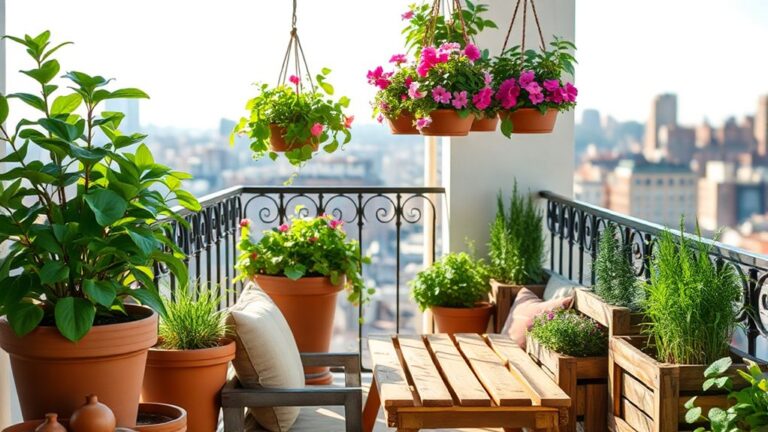
You can plant them in a sunny bed or adapt them for container gardening on a patio, balcony, or windowsill. Bush beans need steady watering, while radishes mature fast, so you’ll see progress in weeks.
Zucchini gives you a generous harvest from just a few plants, and cherry tomatoes keep producing when you pick often. To make the most of your space, mix in herb gardening with basil or parsley nearby; they grow well alongside beginner vegetables and add fresh flavor to meals.
Choose rich soil, water consistently, and watch for pests early. With a few reliable crops, you’ll build confidence fast and enjoy homegrown food sooner.
Grow Lettuce Fast in Small Spaces

Lettuce is one of the fastest vegetables you can grow at home, and it’s ideal when you’re short on space. You can start it in shallow pots, window boxes, or any spot with four to six hours of light.
For container gardening, choose loose, well-draining soil and keep it evenly moist. Harvest outer leaves early, and you’ll keep the plant producing tender leafy greens for weeks.
| Container | Light | Tip |
|---|---|---|
| Small pot | Bright shade | Water often |
| Window box | Morning sun | Sow thinly |
| Tray | Indoor light | Cut-and-come-again |
You don’t need much room to succeed. Space seeds close together, then thin gently so each plant has airflow.
If you want a steady supply, sow a few seeds every one to two weeks. That way, you’ll always have fresh lettuce for salads, sandwiches, and quick meals right at home.
Plant Radishes for Quick Harvests

Radishes are a great next crop when you want fast results, since many varieties are ready to pull in just a few weeks. You can sow seeds directly in loose, cool soil and keep them about an inch apart so roots have room to swell.
Choose radish varieties that match your space and taste, from crisp red globes to longer daikon types. For steady harvests, plant a small row every week instead of all at once.
Choose radish varieties that fit your space, and sow a small row each week for steady harvests.
These planting tips help you avoid woody or pithy roots: water evenly, give them full sun, and thin seedlings early. You don’t need fancy tools or big beds, just a patch of soil or a deep container.
Check them often, because radishes grow quickly and can size up fast. Pull them when the tops look strong and the roots feel firm, then rinse and enjoy their peppery crunch in salads, slaws, or simple snacks.
Harvest Green Beans With Little Effort
Green beans are one of the easiest crops to harvest because you can pick them often, and the more you pick, the more they keep producing. You’ll get the best results when you check plants every one to two days since pods can go from tender to tough fast.
Snap them off with your fingers or use clean scissors to avoid pulling the vine. Choose green bean varieties that match your space, whether you grow bush types for quick picking or pole types for longer harvests. Harvest in the morning when pods feel crisp and cool.
If you see damaged leaves or chewed pods, handle pest management early so insects don’t reduce your yield. Keep picking before seeds bulge inside the pods, and your plants will keep setting new beans.
With a little attention, you can harvest a steady supply without much effort, and your kitchen will stay stocked with fresh, tender beans all season long.
Grow Cherry Tomatoes in Pots
Cherry tomatoes thrive in pots, making them a great choice if you want fresh fruit without a large garden. You can grow them on a sunny patio, balcony, or doorstep and still harvest plenty of sweet, bite-sized fruit.
Choose compact cherry tomato varieties like ‘Tiny Tim’, ‘Patio Princess’, or ‘Sweet 100’ for the best results in containers. Use a pot at least 12 inches wide with drainage holes, and fill it with rich, well-draining potting mix.
Add a tomato cage or stake at planting time so stems stay supported as they grow. Water deeply whenever the top inch of soil feels dry, and feed every two weeks with a balanced fertilizer.
These potting tips help you avoid stress, improve fruit set, and keep plants productive. Pinch off lower leaves, watch for pests, and pick tomatoes often to encourage more fruit.
Frequently Asked Questions
How Often Should I Fertilize Beginner Vegetables?
You should fertilize beginner vegetables every 2 to 4 weeks during active growth, but always follow the label and your plant’s needs. Use gentle fertilizer types like compost tea, balanced granules, or liquid feeds.
Apply them with simple application methods such as watering in at the base or mixing into soil. Don’t overdo it; too much fertilizer can burn roots. Start light, watch growth, and adjust as needed.
Which Vegetables Tolerate Partial Shade Best?
You’ll get the best results with leafy greens like lettuce, spinach, kale, and arugula because they thrive with less sun. You can also grow root vegetables such as radishes, beets, and carrots in partial shade, though they may mature a bit slower.
Try giving them at least 3 to 5 hours of light daily, keep soil evenly moist, and you’ll still harvest plenty from a shadier garden spot.
What Soil pH Is Ideal for Home Gardens?
You’ll get the best results with soil pH around 6.0 to 7.0 for most home gardens. That sweet, slightly acidic range helps roots reach nutrients and keeps growth steady.
Check your soil types first, then use pH testing to guide any tweaks. Add compost to buffer swings, and avoid harsh changes.
With a balanced bed, you’ll boost blooms, build better harvests, and grow greener, gayer garden goodness.
How Can I Keep Pests off My Vegetable Plants?
You can keep pests off your vegetable plants by checking them often and acting fast. Hand-pick bugs, spray neem oil or insecticidal soap, and use natural repellents like garlic or chili sprays.
You should also try companion planting, such as basil with tomatoes or marigolds nearby, to confuse pests. Cover young plants with row covers, keep weeds down, and water at the base so you don’t invite more trouble.
When Should I Start Seeds Indoors?
You should start seeds indoors about 6 to 8 weeks before your last expected frost date. It might seem like forever, but it’s worth it. Check the packet for timing, then plan your seed starting around that date.
Use indoor lighting right away so seedlings don’t stretch and weaken. You’ll want to move them outside only after temperatures stay warm and your plants have hardened off for a week.
Conclusion
Now you’ve got five easy veggies to start at home, and the best part is how quickly you can see results. Lettuce can be ready in as little as 30 days, so you won’t have to wait long to enjoy fresh salads.
Whether you’re using pots, a balcony, or a backyard bed, you can grow tasty food with little effort. Start small, stay consistent, and you’ll be harvesting your own vegetables in no time. Growing easy vegetables at home is a rewarding way to enjoy fresh, healthy produce right from your space.