What Food Does Birds Eat in the Wild?
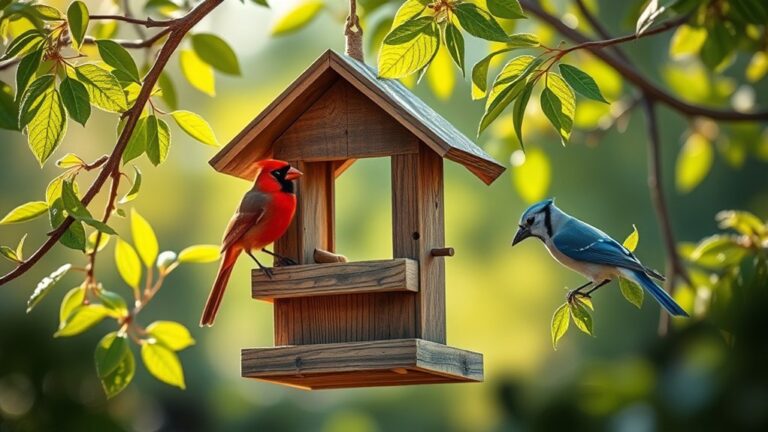
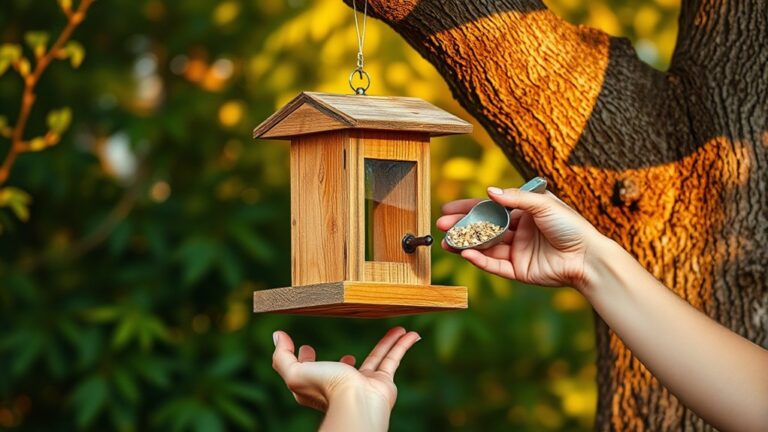
If you’re trying to attract wild birds to your backyard or just curious about what they eat, you’re not alone. Many people struggle to understand what food will really satisfy these feathered visitors. Knowing what food wild birds eat in the wild can help you choose the right options to keep them coming back.
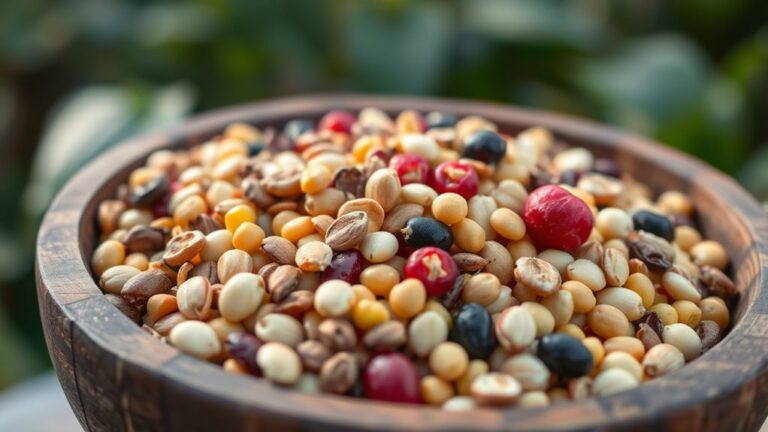
Wild birds eat a mix of seeds, insects, fruits, and nectar, adjusting their diet based on the season and habitat. In spring and summer, they focus on protein-rich insects for energy and breeding, while in autumn and winter seeds and fruits become more important. Some birds, like hummingbirds, rely on nectar for quick energy.
Their beak shape, migration, and environment all influence what they eat. Delve deeper to learn how these eating habits help birds survive and thrive.
Key Takeaways
- Wild birds eat seeds, insects, fruits, and nectar, adjusting their diet based on seasonal food availability.
- Insects and worms provide essential proteins and fats, especially during breeding seasons.
- Nectar offers quick energy for species like hummingbirds, sunbirds, and honeyeaters with specialized feeding adaptations.
- Habitat type influences diet, with urban birds consuming scraps and rural birds relying on natural resources like berries and insects.
- Birds adapt feeding strategies such as migration, diet diversification, and specialized techniques to survive changing food availability.
What Types Of Food Do Wild Birds Eat?

Although wild birds have diverse diets, most rely on a variety of natural foods like seeds, insects, fruits, and nectar to survive. When you observe birds, you’ll notice their food choices often shift with the seasons, especially during bird migration.
As they travel long distances, they need energy-rich foods to keep up their strength. You’ll also see birds carefully selecting foods that help with nest protection, ensuring their young get the nutrients required for growth and defense against predators.
You might wonder how birds find these foods. They use keen eyesight and instinct to locate ideal feeding spots, which change depending on availability and climate.
Why Birds Need Insects, Worms, Seeds, And Fruits
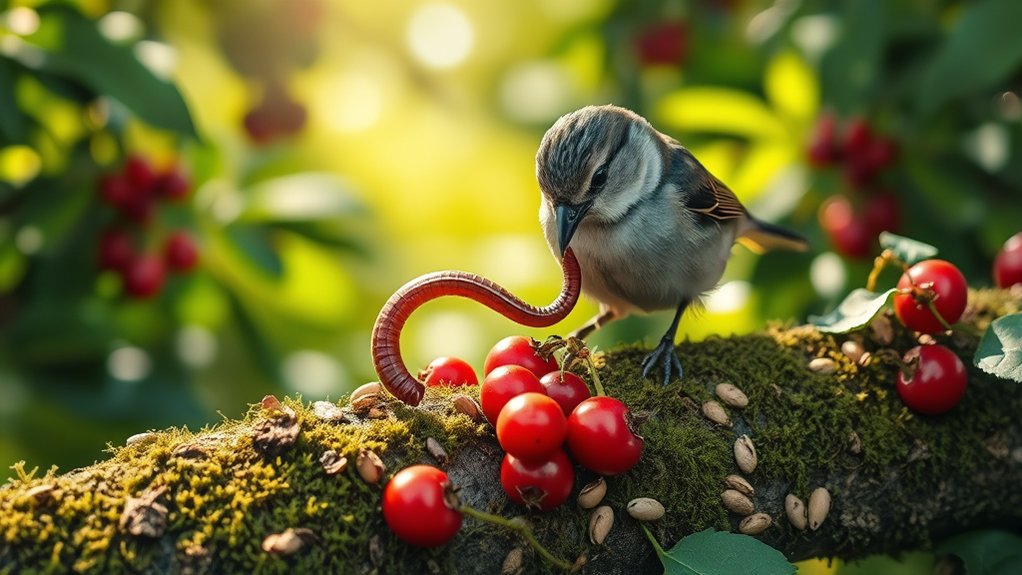
Because birds need a mix of nutrients to stay healthy and active, they rely on insects, worms, seeds, and fruits for different benefits. Insects and worms provide essential proteins and fats, which are indispensable during bird migration when energy demands soar. You’ll notice many birds increase their intake of these protein-rich foods to fuel long flights and build muscle reserves.
Seeds offer carbohydrates and fats, helping birds maintain energy levels, especially in colder months when insects are scarce. Fruits supply vitamins and hydration, supporting immune function and overall health.
When it comes to nesting diets, you’ll see birds feeding their chicks primarily insects and worms to promote rapid growth. Adults also consume a balanced mix to guarantee they stay strong for breeding and caring for their young. By eating this diverse range of foods, birds adapt to seasonal changes and sustain essential activities like migration and reproduction efficiently.
How Nectar Supports Some Bird Species

When you watch hummingbirds dart from flower to flower, you’re seeing how nectar plays an essential role in their diet. Nectar significance goes beyond just feeding hummingbirds. It fuels their high-energy lifestyle.
These birds have evolved to specialize in extracting nectar efficiently, using their long, slender bills and rapid wingbeats. Bird species specialization means that certain birds rely heavily on nectar as their primary food source, unlike others that prefer seeds or insects.
For example, sunbirds and honeyeaters also depend on nectar. This shows how different species adapt to their environment by focusing on this sweet resource. Nectar provides quick energy through its sugar content, supporting intense activity and flight.
How Bird Species’ Traits Influence Their Diets
Nectar isn’t the only factor shaping what birds eat; their physical traits play a big role too. When you observe a bird’s beak shape or size, you can often predict its diet. For example, birds with sharp, hooked beaks tend to eat meat or insects, while those with long, slender beaks might sip nectar or probe for worms.
Your understanding deepens when you consider migration patterns. Birds that travel long distances often need high-energy foods like seeds or insects to fuel their journey. Nesting habits also influence diet; cavity nesters may rely more on insects found nearby, while ground nesters might forage for seeds or fruits close to their nests.
How Seasonal Changes Affect Bird Diets
As the seasons shift, bird diets change to match the availability of food sources in their environment. You’ll notice that during spring and summer, birds focus on breeding nutrition, consuming protein-rich insects and larvae to support egg production and chick growth.
In contrast, autumn and winter prompt dietary changes due to scarcity, leading many birds to rely on seeds, nuts, and berries.
Seasonal migration also plays a vital role, as birds travel to areas where food is abundant, ensuring their survival. Here’s how seasonal changes affect bird diets:
- Spring/Summer: High protein intake from insects and small invertebrates for breeding nutrition.
- Autumn: Shift to fruits, seeds, and nuts as insect availability declines.
- Winter: Dependence on hardy seeds and stored food to endure harsh conditions.
- Migration periods: Diet shifts to maximize energy intake for long-distance flights.
How Urban And Rural Habitats Change Bird Diets
Although birds adapt their diets based on seasonal changes, their feeding habits also shift depending on whether they live in urban or rural habitats. In urban areas, birds often eat human scraps, seeds from feeders, and insects thriving in city parks. Their nesting site preferences might include buildings or street trees, which influences what food sources they access.
In contrast, rural birds rely more on natural resources like berries, seeds, and insects found in fields and forests. You should also consider bird migration patterns. Migratory birds might alter their urban or rural diets as they travel, seeking available food along the way.
Urban environments can offer more consistent food year-round, while rural habitats fluctuate more with seasons. Knowing these differences helps you understand how birds survive and thrive in diverse environments, adjusting their diets and nesting choices based on the unique challenges of city life versus the countryside.
How Birds Use Small Animals As Food Sources
You’ll notice that many birds rely on small animals like insects and tiny mammals to meet their nutritional needs. They use sharp eyesight and quick movements to catch insects in midair or stalk small mammals on the ground. It’s pretty fascinating how they do this, right? Understanding these hunting techniques reveals how birds adapt their diets to survive in the wild. So, next time you see a bird darting around, you’ll know exactly why it’s doing that!
Insect Hunting Techniques
When birds hunt insects, they rely on sharp senses and quick movements to catch their prey. You’ll notice they use clever camouflage to blend into their environment, making it easier to ambush unsuspecting insects. Their nest building strategies also play a part, as some birds choose locations rich in insect populations to ensure a steady food supply for their young.
Here are four key insect hunting techniques birds use:
- Hovering and snatching Birds like flycatchers hover briefly to grab flying insects mid-air.
- Probing and gleaning Woodpeckers and warblers pick insects off bark and leaves.
- Ground foraging Thrushes flip leaves to expose hidden insects.
- Trap building Some birds create sticky webs or use natural traps to catch insects efficiently.
Small Mammal Predation
How do some birds catch small mammals to satisfy their hunger? You’ll see birds like hawks and owls using sharp talons and keen eyesight to spot mice or voles from above. They swoop down silently, grabbing their prey swiftly to avoid escape.
Small mammal predation is a crucial strategy, especially when insects or seeds aren’t abundant. You might notice these birds also rely on patience, perching and waiting for the right moment to strike.
Unlike common food sources, there’s no relevant discussion ideas for small mammal predation that complicate this behavior. It’s straightforward hunting. Understanding how birds use small animals as food sources helps you appreciate their role in controlling rodent populations and maintaining ecological balance in the wild.
Why Habitat Matters For Bird Food Choices
Because different habitats offer distinct types of food, birds adapt their diets to what’s available around them. When you consider habitat diversity, you’ll see how food availability shapes what birds eat. Forests, wetlands, deserts, and grasslands each provide unique food sources, influencing bird feeding habits directly.
When you observe birds in the wild, keep these factors in mind:
- Plant Variety – Different habitats support different plants, affecting seed and fruit availability.
- Insect Populations – Insects vary greatly by environment and serve as a key food source in many habitats.
- Water Sources – Wetlands offer aquatic insects and small fish, which you won’t find in arid habitats.
- Seasonal Changes – Habitat-specific seasons impact food presence and abundance.
Understanding habitat diversity helps you appreciate why birds don’t eat the same foods everywhere. Food availability is the foundation of their diet, shaped by the environment they live in.
How Birds Adapt Their Feeding Behavior To Survive
Although food sources can be unpredictable, birds quickly adjust their feeding behavior to survive changing conditions. You’ll notice they use migration strategies to follow seasonal food availability, moving to areas where food is more abundant. By doing this, they guarantee they’re not stuck in a place where resources run low.
When it comes to nest provisioning, birds carefully select and gather specific foods to feed their young, adapting to what’s accessible in their environment. Sometimes, they diversify their diet or switch feeding times to avoid competition and maximize energy intake.
You’ll see birds exploit new food sources or develop specialized techniques, like cracking tough seeds or catching insects mid-air, to cope with scarcity. These flexible behaviors help them thrive despite environmental challenges, showing you how essential adaptability is for survival in the wild.
Understanding these strategies gives you insight into how birds manage their feeding needs throughout the year.
What Feeding Behavior Tells Us About Bird Survival
When you observe a bird’s feeding behavior, you gain valuable clues about its chances of survival. How a bird searches for food, what it chooses to eat, and when it feeds all reflect its adaptability to environmental challenges. These behaviors are closely linked to essential survival strategies like migration patterns and nest building behaviors. Here’s what feeding behavior tells you about bird survival:
- Resource Availability: Birds adjust their diet based on seasonal food supply, showing how well they cope with changing environments.
- Energy Management: Feeding frequency and type reveal how birds conserve energy during migration or harsh conditions.
- Reproductive Success: Adequate feeding supports nest building and raising offspring, directly impacting survival rates.
- Predator Avoidance: Feeding in safer locations or times shows how birds balance nourishment with risk.
Frequently Asked Questions
How Do Birds Find Food During Extreme Weather Conditions?
During extreme weather conditions, you’ll notice birds adapt their foraging strategies to cope with reduced seasonal food availability. They often expand their search areas, tapping into alternative food sources like hidden seeds or bark insects.
You might see them relying more on stored food or visiting bird feeders. By adjusting their foraging habits, birds maximize their chances of survival despite harsh weather limiting typical food supplies.
What Are the Common Predators of Birds While Feeding?
Watch out when birds feed; they’re not alone. Hawks, snakes, and even clever cats lurk nearby, waiting for a chance. You’ll notice birds use sharp predator avoidance strategies, like quick flights and constant vigilance, to outsmart these threats.
Their bird feeding habits aren’t just about finding food; they’re a delicate dance of survival. So, when you see a bird pecking peacefully, remember the dangers it’s quietly dodging.
How Does Bird Digestion Work With Different Types of Food?
Bird digestion adapts to the type of food you eat. When you consume seeds, your gizzard grinds them up since you don’t have teeth.
If your diet includes insects or fruit, your digestive enzymes break down proteins and sugars efficiently. This diet adaptation helps you extract the right nutrients.
Do Migratory Birds Change Their Diet Along Migration Routes?
Yes, migratory birds do change their diet along migration routes. You’ll notice diet variation as they adapt to available food sources in different environments.
Migration impact forces them to consume high-energy foods like insects, berries, or seeds to fuel their journey. This flexibility helps you understand how they meet nutritional needs despite changing habitats, ensuring they stay strong and healthy throughout their long-distance travels.
How Does Pollution Affect Wild Birds’ Food Sources?
Pollution impact severely reduces the quality and availability of wild birds’ food sources. When pollutants enter water and soil, they cause food contamination, making insects, seeds, and aquatic life toxic or scarce.
You’ll notice birds struggling to find safe nourishment, leading to weakened health and lower reproduction rates. By understanding pollution impact and food contamination, you can help protect habitats, ensuring wild birds have access to clean, healthy food sources.
Conclusion
You might be amazed at how wild birds eat everything from tiny insects to juicy fruits, adapting their diets like nature’s greatest chefs. Their survival depends on these diverse foods and changing seasons, showing just how smart and resourceful they are.
By understanding what they eat and why, you’ll see how birds thrive in every habitat. This proves that in the wild, no meal is ever too small or too strange for these incredible creatures. Knowing what food birds eat in the wild helps us appreciate their amazing adaptability even more.