How to Set Up a Bird Feeder in 5 Easy Steps
Setting up a bird feeder can feel overwhelming if you’re not sure where to start. You’re not alone—many people struggle with choosing the right feeder and creating the perfect environment to attract birds. But with a little guidance, you can bring your yard to life with colorful visitors and enjoy peaceful birdwatching right at home.
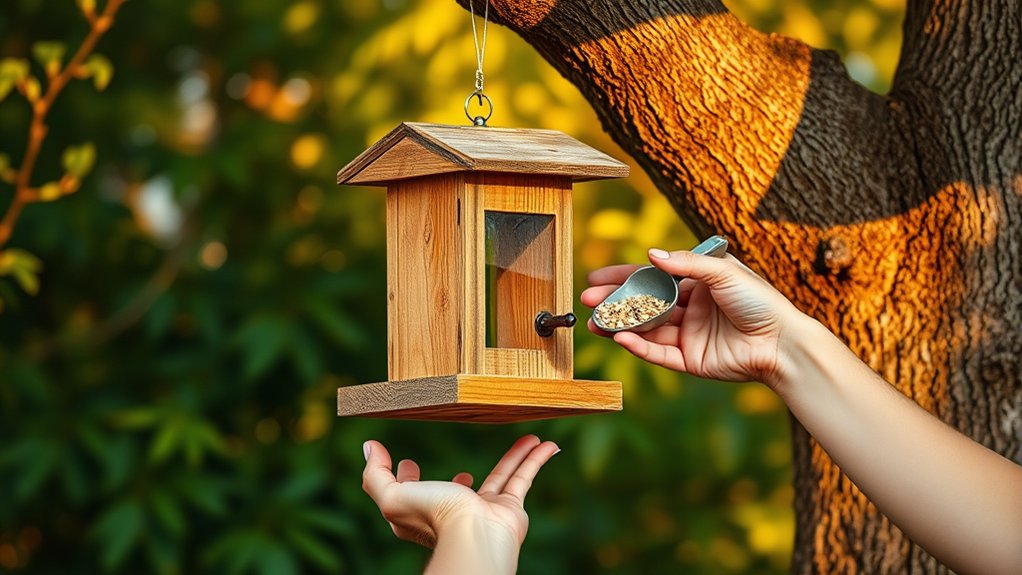
To set up your bird feeder in five easy steps, first pick a feeder type that suits your favorite birds and seeds. Next, choose a safe, visible spot with nearby cover to protect birds from predators.
Then, use high-quality seeds to attract various species. Install your feeder 5-6 feet high with a baffle to keep critters away.
Finally, clean it regularly to keep birds healthy. Keep going to uncover tips that make your birdwatching even better.
Key Takeaways
- Choose a bird feeder type that matches your target bird species and seed preference for optimal attraction.
- Select a visible, safe location at least 5 feet high with natural cover and away from windows.
- Use high-energy seeds like black oil sunflower or nyjer to attract a variety of birds.
- Mount the feeder on a sturdy pole with a baffle. Place it 10-12 feet from hiding spots for predators.
- Clean the feeder biweekly using a vinegar solution. Discard old seed and ensure secure installation.
Choose the Right Bird Feeder Type
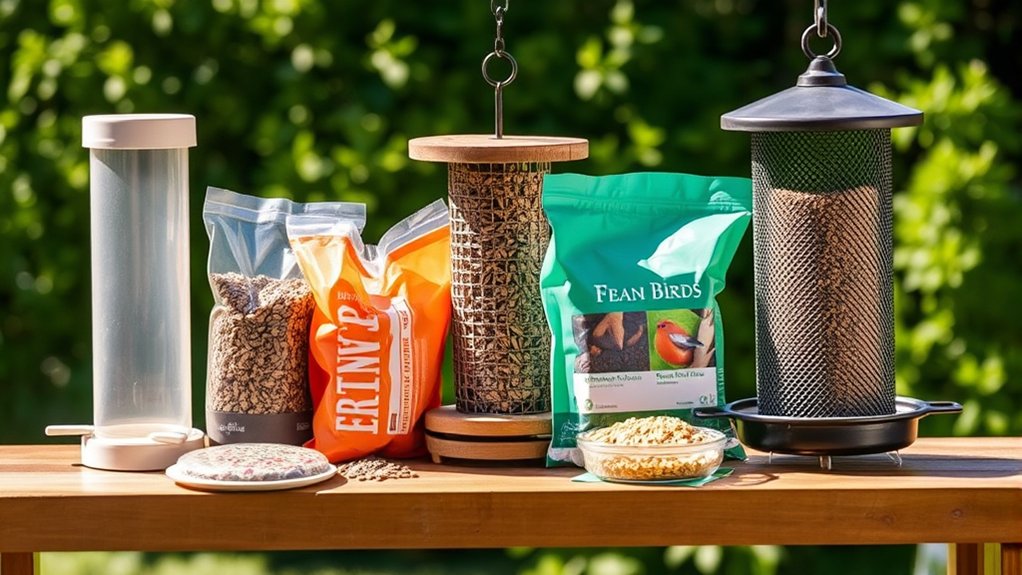
When choosing the right bird feeder type, you’ll want to take into account the kinds of birds you hope to attract. Different bird species prefer specific feeder styles, so matching the feeder to your local birds is key. For example, tube feeders work well for small songbirds, while platform feeders attract larger species.
Feeder material also plays a role in durability and bird safety. Metal feeders resist squirrels and weather better than plastic ones, while wooden feeders blend naturally into garden settings. Transparent feeders let you monitor seed levels easily but may not last as long outdoors.
Consider the seed type each feeder accommodates, as some bird species favor particular seeds. Your choice should balance feeder material and design to suit both the birds’ needs and your environment. Picking the right feeder type upfront ensures you’ll enjoy watching your feathered visitors more often.
Choose the Best Bird Feeder Location

Although selecting the right feeder is important, placing it in the best location guarantees birds will find and use it consistently. When deciding on feeder placement, choose a spot that’s visible and easily accessible to birds but also offers some natural cover like nearby trees or shrubs. This provides birds with quick escape routes and protection from predators.
Avoid placing your feeder too close to windows to prevent bird collisions, but close enough for easy viewing. Predator protection is key. Position the feeder at least 5 feet off the ground and away from low branches or fences that cats or other predators could use to launch an ambush.
If possible, mount your feeder on a pole with a baffle to keep predators at bay. By carefully planning your feeder placement, you’ll create a safe, inviting environment that encourages birds to visit regularly and enjoy their meals without worry.
Select the Best Bird Food to Attract Birds
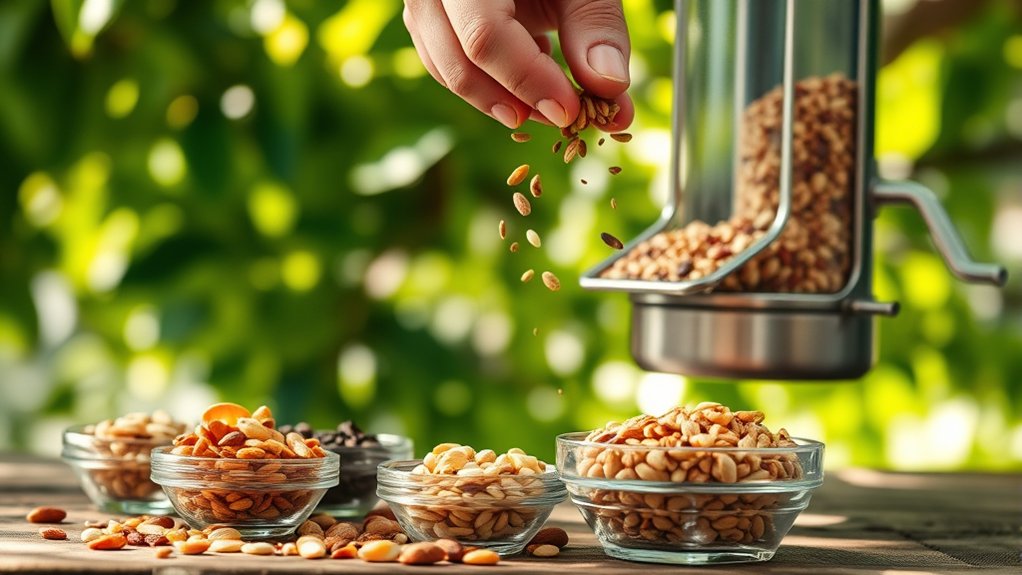
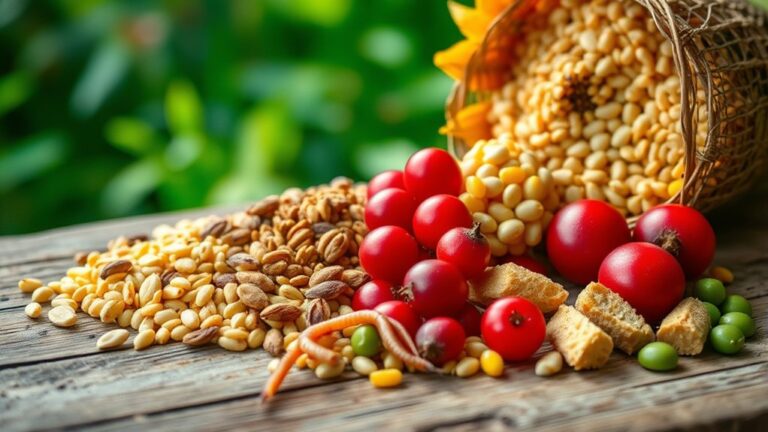
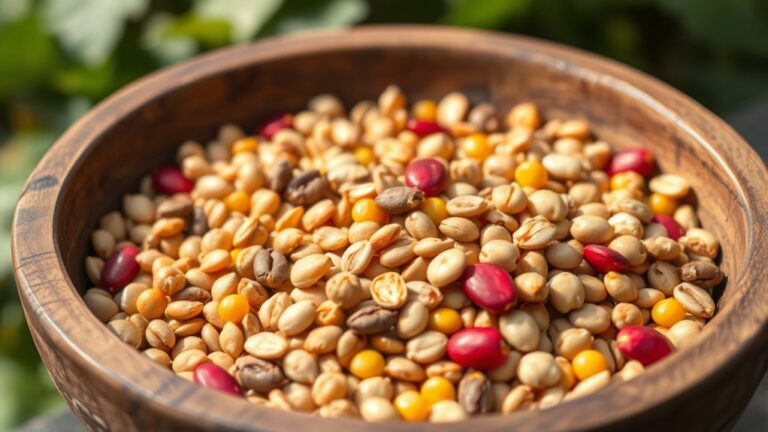
Since different bird species prefer various types of food, choosing the right birdseed is essential to attract the birds you want. Start by exploring bird food varieties like black oil sunflower seeds, nyjer, millet, and suet.
Black oil sunflower seeds are a favorite for many birds due to their high energy and easy shell removal. Nyjer is perfect for attracting finches, while millet appeals to ground-feeding birds.
Keep seasonal feeding in mind. In colder months, high-fat foods like suet help birds maintain energy. During warmer seasons, you can offer a wider variety, including fruits and nectar, to attract hummingbirds and orioles.
Mixing different bird food varieties in your feeder increases the chance of welcoming a diverse range of birds. Remember to clean up spilled food regularly to avoid attracting unwanted pests.
With the right bird food choices, you’ll enjoy a lively and colorful birdwatching experience right in your backyard.
How to Install Your Bird Feeder Safely
Choosing the right bird food sets the stage, but placing your feeder properly guarantees birds can enjoy it safely. To assure bird safety, install your feeder at least 5 to 6 feet above the ground. This height helps keep birds out of reach of common predators like cats.
Proper feeder placement, at least 5 to 6 feet high, is key to keeping birds safe from predators.
Also, position the feeder 10 to 12 feet away from bushes or trees where predators might hide and ambush birds. Use a sturdy pole or hang your feeder from a strong branch, making sure it’s secure and won’t sway excessively in the wind.
Adding a baffle below the feeder is a smart predator prevention step. It blocks climbing animals like squirrels and raccoons. Avoid placing feeders too close to windows to reduce collision risks.
Instead, position feeders near natural cover so birds feel safe but predators can’t easily approach. By following these simple guidelines, you create a safe feeding spot that attracts birds while protecting them from harm.
Maintain and Clean Your Bird Feeder
How often should you clean your bird feeder to keep it safe and inviting? Regular maintenance is key to promoting bird health and ensuring predator protection. Dirty feeders can harbor mold and bacteria, which risk birds’ well-being. Clean your feeder at least once every two weeks, or more often when the weather is wet.
Follow these steps to maintain your bird feeder:
- Empty the feeder completely and discard old seed to prevent mold growth.
- Soak and scrub all parts with a solution of one part white vinegar to four parts water. Rinse thoroughly.
- Dry the feeder fully before refilling to avoid moisture buildup, which attracts pests.
- Inspect for damage and make sure the feeder is securely mounted to keep predators away.
Frequently Asked Questions
What Time of Year Is Best to Start Using a Bird Feeder?
You’ll find the best time to start using a bird feeder is early spring, just before seasonal migration begins. This helps you attract birds returning from their winter homes.
Keep in mind, regular feeder maintenance is key to prevent mold and disease, especially as warmer weather arrives. By setting up your feeder early and maintaining it well, you’ll enjoy a steady flow of birds throughout the migration season and beyond.
How Can I Identify the Types of Birds Visiting My Feeder?
You can identify bird species visiting your feeder by observing their size, color, and feeding habits closely. Did you know over 10,000 bird species worldwide have unique feeding behaviors?
Keep a notebook or use an app to track what they eat and when. Watching feeding habits like seed preferences or how they perch helps you distinguish species, making your birdwatching experience more rewarding and educational.
Are There Any Birds I Should Avoid Attracting to My Feeder?
You should avoid attracting non-native or aggressive birds that can outcompete native species at your feeder. Species like European starlings and house sparrows often dominate and can disrupt local ecosystems.
To support native species and aid pest prevention, choose feeder designs and seed types that favor local birds. Regularly clean your feeder to discourage pests and unwanted visitors, keeping your birdwatching experience enjoyable and ecologically responsible.
Can I Use Homemade Bird Food Recipes Safely?
You can absolutely use homemade recipes safely, but you’ve got to keep bird safety in mind like a guardian watching over fragile treasures.
Homemade recipes let you control ingredients, avoiding harmful additives found in some commercial mixes. Just stick to natural, bird-friendly foods like seeds, nuts, and dried fruits, and steer clear of anything salty, sugary, or moldy.
How Do Weather Conditions Affect Bird Feeder Use?
Weather conditions greatly influence bird feeder use. During seasonal variations, you’ll notice changes in bird migration patterns, which affect how many birds visit your feeder.
In colder months, feeders become essential as natural food sources dwindle, attracting more birds. However, harsh weather like heavy rain or snow can reduce visits temporarily.
Conclusion
Setting up your bird feeder is simple: pick the perfect feeder that suits your space, find a safe spot that welcomes birds, fill it with tasty seeds that invite chirps, hang it securely to withstand wind and weather, and clean it regularly to keep visitors healthy.
By choosing wisely, placing thoughtfully, feeding generously, installing firmly, and maintaining diligently, you’ll create a vibrant haven where birds gather, sing, and brighten your days effortlessly. Setting up a bird feeder this way ensures you enjoy nature’s beauty right in your own backyard.