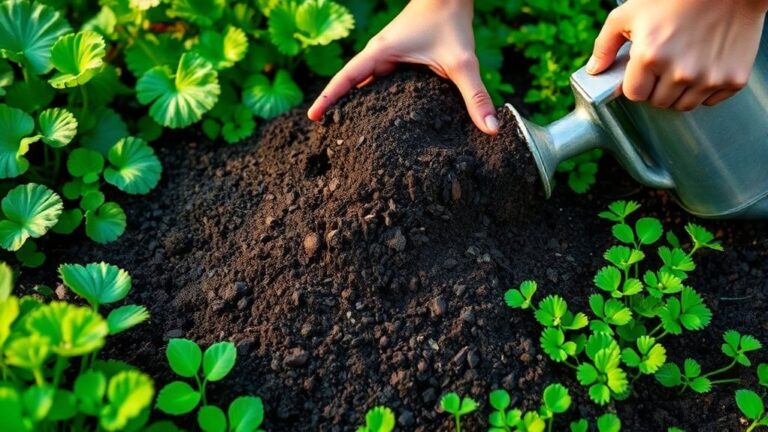
How to Grow Vegetables in 7 Steps
If you’ve ever felt overwhelmed by the idea of starting your own vegetable garden, you’re not alone. Many people struggle with where to begin, what to plant, and how to care for their crops to get a good harvest.
The good news is that growing your own veggies can be simple and rewarding with the right approach.
To grow vegetables in 7 steps, you’ll want to pick a sunny spot with good drainage, then choose beginner-friendly crops like lettuce, radishes, beans, tomatoes, or zucchini.
Next, loosen the soil and mix in compost, plant seeds or seedlings at the right depth, and water deeply.
Keep an eye out for pests and diseases, support growing plants, and harvest in the cool morning for the best flavor and quality, with a few extra tips ahead.
Key Takeaways
- Choose a sunny, level site with good drainage and easy access to water.
- Start with beginner-friendly vegetables like lettuce, radishes, beans, tomatoes, and zucchini.
- Prepare the soil by loosening it and mixing in compost or organic matter.
- Plant seeds or seedlings at the correct depth and spacing, then water thoroughly.
- Maintain your plants with regular watering, pest checks, support, and timely harvesting.
Choose the Best Spot for Vegetables

Pick a spot that gets at least 6 to 8 hours of direct sunlight each day, because most vegetables need plenty of light to grow well. You should watch how the sun moves across your yard so you can meet your vegetables’ sunlight requirements throughout the season.
Choose a level area where water won’t pool after rain, since drainage importance matters just as much as light. If soil stays soggy, roots can rot and plants may struggle. You can also look for a location close to a hose or water source, which makes regular watering easier.
Avoid areas blocked by trees, fences, or buildings, because shade cuts yield and slows growth. If your yard has poor soil or compacted ground, you can still improve it later, but starting with a bright, well-drained spot gives you a stronger foundation for a healthy vegetable garden and saves you time, effort, and frustration.
Choose Beginner-Friendly Vegetables
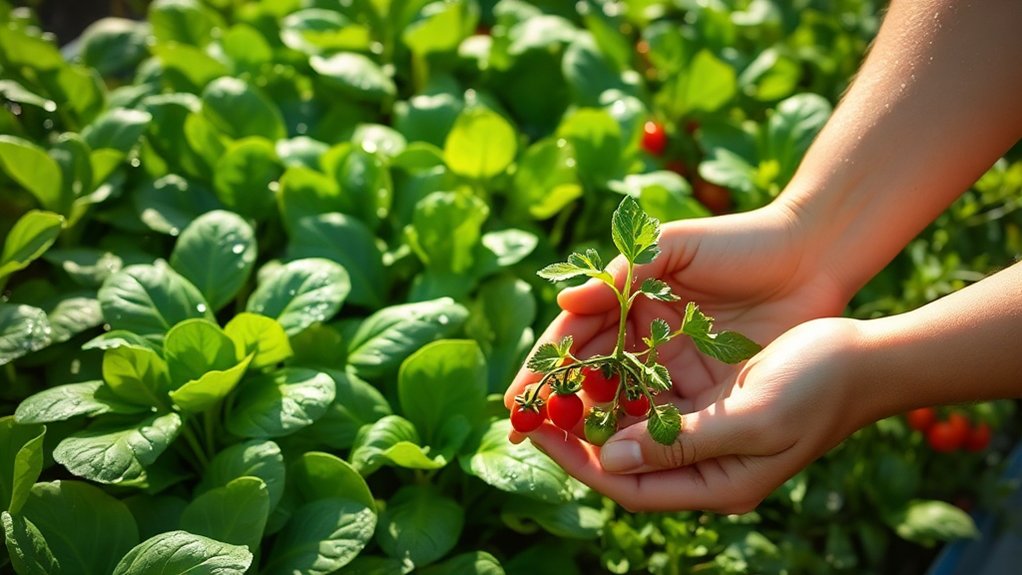
Start with vegetables that are easy to grow and quick to reward you, such as lettuce, radishes, beans, tomatoes, and zucchini. These easy-to-grow vegetables help you build confidence because they sprout, mature, and produce harvests without much fuss.
Begin with easy vegetables like lettuce, radishes, beans, tomatoes, and zucchini for quick, confidence-building harvests.
Choose crops that match your climate and the time of year, since seasonal vegetable selection improves your chances of success and keeps your garden productive. If you want quick results, pick fast growers like radishes and leaf lettuce.
If you want steady picking, try bush beans or cherry tomatoes. Zucchini gives you plenty from just a few plants, so you won’t need a large space to see progress. Mix a few varieties so you can learn which flavors and growth habits you prefer.
As you gain experience, you’ll narrow your choices and grow with more skill.
Prepare Soil for Vegetable Gardening
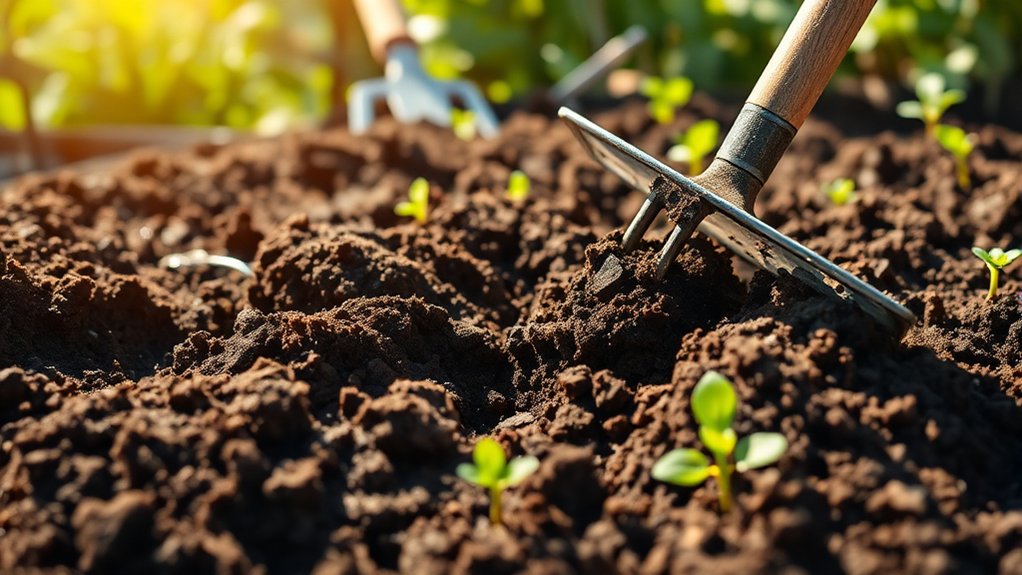
Good soil gives your vegetables the nutrients, drainage, and root room they need to thrive. So before you plant, loosen the ground and work in compost or other organic matter. You’ll get better results when you match your bed to common soil types and improve weak spots with soil amendments.
Test the texture by squeezing a handful: sandy soil drains fast, clay holds water, and loam offers the best balance. If water puddles, mix in compost, leaf mold, or well-rotted manure to help air and roots move freely.
Break up compacted soil with a garden fork. Remove rocks, roots, and weeds that compete for space. Blend amendments into the top 6 to 8 inches evenly.
Afterward, rake the surface smooth so it’s ready for healthy growth. Keep the bed moist, but never soggy, while you prepare it. Proper soil prep now helps your vegetables establish strong roots and grow with less stress all season.
Plant Seeds or Seedlings Correctly
Now that your soil is ready, plant seeds or seedlings at the right depth and spacing so each plant has room to grow. Check the seed packet for seed depth, because tiny seeds need only a light covering while larger ones need to sit deeper.
Plant seeds or seedlings at the right depth and spacing so each plant has room to grow.
If you’re transplanting seedlings, set them in the soil at the same level they grew in their pots unless the plant type benefits from deeper planting. Follow spacing requirements closely so roots, leaves, and stems won’t crowd each other.
Crowded plants compete for light, nutrients, and airflow, which can weaken growth. Use a ruler, trowel marks, or a string line to keep rows straight and consistent. After placing each seed or seedling, gently firm the soil around it so it stays secure.
When you plant carefully now, you give your vegetables the best chance to establish quickly and grow strong.
Water Vegetables the Right Way
After planting, water your vegetables right away so the soil settles around the roots and seeds begin to germinate. Keep watering deeply, not lightly every day, so roots grow downward and find moisture below the surface. Check soil moisture with your finger; if the top inch feels dry, it’s time to water.
Morning watering works best because leaves dry faster and the ground absorbs moisture before heat steals it. Use drip irrigation to deliver water slowly at the base of each plant, reduce waste, and keep foliage dry.
Water slowly so the soil can soak up every drop. Aim at the root zone, not the leaves. Adjust your schedule when rain or heat changes conditions.
Mulch can help hold soil moisture, so you won’t need to water as often. Consistent watering keeps vegetables growing steadily and helps them produce strong stems, healthy leaves, and better harvests.
Protect Vegetables From Pests and Disease
Keep an eye on your vegetables so pests and disease don’t get a foothold. Check leaves often for holes, spots, eggs, or sticky residue, and act fast when you spot trouble. Pick off larger pests by hand, rinse aphids with a strong spray of water, and remove damaged foliage to slow spread.
Use natural repellents like neem oil, insecticidal soap, or garlic spray when you need extra help, and follow the label directions closely. You can also reduce problems with companion planting, pairing crops with herbs and flowers that confuse pests or attract beneficial insects.
Rotate crops each season because many pests and pathogens build up in the soil. Keep weeds down, space plants well, and water at the base so leaves stay drier. If a plant keeps declining, remove it promptly so the issue doesn’t spread to healthy neighbors.
Harvest Vegetables at the Right Time
You’ll know your vegetables are ready to harvest when you notice clear signs of ripeness. Look for full color, a firm texture, and the right size for each type of crop. It’s usually best to pick them in the cool morning hours—that way, your produce stays fresh and crisp. Just be sure to use clean and careful picking techniques to avoid bruising either the plants or the vegetables themselves.
Signs of Ripeness
How do you know when your vegetables are ready to pick? Watch for color changes, texture changes, and aroma indicators that signal ripeness. Check seed development, size expectations, and maturity stages, but don’t rely on one sign alone.
Look closely at environmental cues, because heat, rain, and sunlight can speed or slow progress. You’ll also notice plant wilting and leaf browning on some crops when they’ve finished producing.
Compare each vegetable’s look with its typical mature form. Feel for firmness or tenderness that matches the crop. Use gentle taste testing to confirm flavor.
When several signs line up, you’re likely seeing true ripeness. Harvesting at this stage helps you enjoy better flavor, better texture, and a more satisfying garden reward.
Best Harvest Timing
Harvest vegetables when they hit the sweet spot between size, color, and texture, because timing shapes both flavor and yield. Check your crop daily once seasonal planting reaches maturity. Fast growers can turn woody or bitter in a day.
Harvest in the cool morning for crisp produce and lower stress on plants. Use this quick guide:
| Vegetable | Best time |
|---|---|
| Lettuce | Before it bolts |
| Beans | When pods snap easily |
| Squash | Young and glossy |
If you stagger sowing and practice crop rotation, you’ll spread harvests across the season and keep beds productive. Pick at peak ripeness, then move on. Delaying too long can reduce quality and encourage pests.
Watch weather, too, because heat and rain change how quickly crops mature.
Picking Techniques
Use clean, sharp tools and gentle hands to pick vegetables without bruising stems or fruit. You’ll protect flavor and shelf life when you use proper harvesting techniques and match each crop’s ripeness. Check color, size, firmness, and ease of release before you cut or twist.
For leafy greens, snip outer leaves and let the plant keep growing. For tomatoes, support the vine and lift fruit free with a slight turn. Use steady cutting methods for cucumbers, peppers, and squash so you don’t tear vines.
Harvest in the cool morning for best quality. Keep baskets padded to prevent damage. Handle each vegetable only once, then cool it fast.
Frequently Asked Questions
How Do I Grow Vegetables Indoors Year-Round?
You can grow vegetables indoors year-round by choosing compact crops like lettuce, herbs, and dwarf tomatoes. Then give them strong indoor lighting for 12 to 16 hours daily.
Pick containers with drainage and focus on soil selection, using a light, well-draining potting mix. Water when the top inch dries, feed lightly, and keep temperatures steady.
Rotate plants weekly, watch for pests, and you’ll harvest fresh produce all year.
Which Vegetables Grow Well in Containers?
You’ll get great results with lettuce, radishes, bush beans, peppers, tomatoes, and herbs in containers. About 60% of home gardeners use pots to squeeze more harvest into small spaces, so you’re in good company.
Pick smart container choices for each crop, and you’ll boost space efficiency too. Use deep pots for root crops, wider planters for greens, and give everything strong sunlight, drainage, and regular watering.
How Can I Save Seeds From My Harvest?
You can save seeds by choosing the healthiest, fully ripe fruits, then removing and cleaning the seeds carefully. Focus on good seed selection, because only strong plants give reliable next crops.
Dry the seeds completely before you pack them in labeled envelopes or jars for proper seed storage. Keep them cool, dark, and dry, and check them later for mold or damage.
Replant only when you’re sure they’re viable.
When Should I Start a Vegetable Garden in My Climate?
Start your vegetable garden after your last frost date; that one date can make or break your season. Check your climate zones, then match crops to your local planting calendar.
You can sow cool-season vegetables as soon as soil works, and wait for warm-season plants until nights stay mild. In fact, gardeners who plant with regional timing often get stronger yields and fewer losses, so you’ll save time and seeds.
How Do I Rotate Crops in a Small Garden?
You rotate crops by moving each crop family to a different bed every year, so you don’t drain the same nutrients repeatedly. In a small garden, group plants by family, then sketch a simple three- or four-bed plan.
Follow heavy feeders with legumes, then leafy or root crops. This boosts soil health, cuts pests, and helps you track what grows where. Keep notes and stick to the rotation each season.
Conclusion
You’ve got the seven-step secret to a thriving vegetable garden. Choose the right spot, pick simple starters, and prepare rich soil so your plants can put down strong roots.
Plant carefully, water wisely, and watch for pests and problems before they spread. Then harvest with care and enjoy the fruits of your focus.
With patience, practice, and plenty of purpose, you’ll grow not just vegetables, but confidence, calm, and a greener way of living. Growing vegetables brings more than food—it brings joy and a connection to nature.