What Is Suet Made Of
If you’ve ever tried baking flaky pastries or making homemade bird feed, you know how tricky it can be to find the right fat that melts just right. You’re not alone—many people struggle with getting the perfect texture and flavor in their recipes. That’s where suet comes in as a game-changer for cooks and nature lovers alike. What Is Suet Made Of.
Suet is made from the hard fat found around the kidneys and loins of animals like cows, sheep, and pigs. You’ll mostly find beef suet, which is firm with a mild flavor, but other types like mutton or pork suet have distinct tastes and textures.
It’s valued for its slow melting and ability to create flaky pastries and energy-rich bird feed. Keep going, and you’ll uncover how suet’s qualities vary and why it’s so useful.
Key Takeaways
- Suet is hard fat derived from around the kidneys and loins of animals like beef, mutton, and sometimes deer or pork.
- It is primarily made by rendering beef fat or lard. Often, seeds, nuts, dried fruits, and whole grains are included for added nutrients.
- Suet has a firmer texture and milder flavor compared to other animal fats. This makes it ideal for traditional cooking and bird feeding.
- Fresh suet is collected immediately after slaughter, then cleaned, chilled, and finely shredded or ground for culinary or wildlife uses.
- Natural suet avoids artificial fillers and focuses on wholesome fats and additives to provide energy-rich nutrition for birds and cooking.
What Is Suet?

What exactly is suet? Suet is the hard fat found around the kidneys and loins of animals, typically beef or mutton. When you use suet for bird feeding, it provides essential energy-rich nutrition, especially during colder months when natural food sources dwindle.
You’ll find suet in blocks or cakes that you can hang outdoors to attract a variety of wild birds.
Using suet supports wildlife conservation by helping birds maintain their energy levels and survive harsh conditions. It’s an effective way for you to contribute to local ecosystems, encouraging bird populations to thrive.
Because suet is high in fat, it offers birds the fuel they need for migration, breeding, and daily activities.
When you include suet in your bird feeding routine, you’re not just providing food, you’re actively supporting wildlife conservation efforts and promoting biodiversity in your area.
Which Animals Provide the Best Suet?
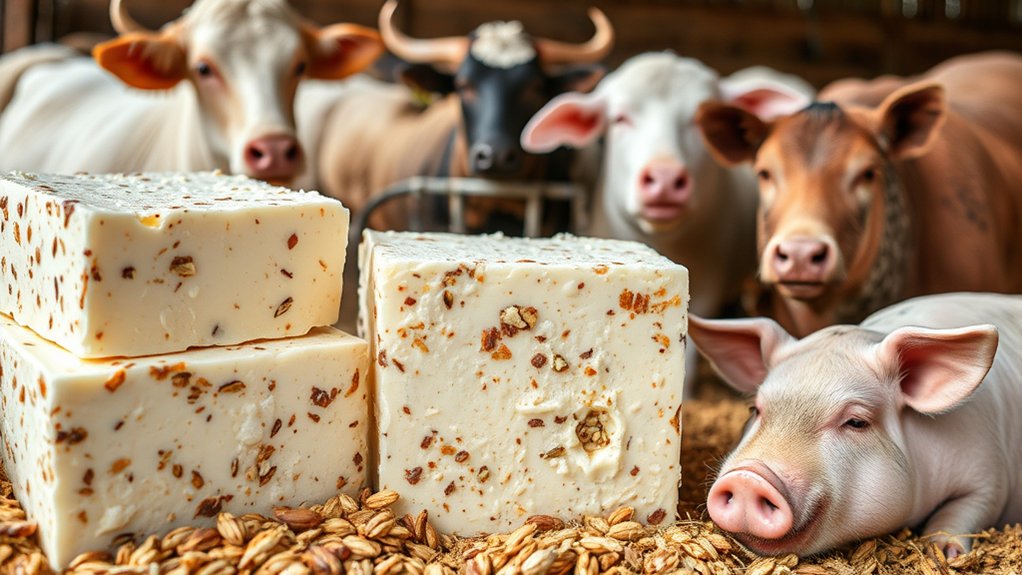
You’ll find that suet mostly comes from cows, sheep, and sometimes pigs. Each type offers its own unique nutritional benefits. Depending on where you live, some animal suets might be more common or preferred. So, let’s take a closer look at which animals provide the best suet for your needs.
Common Suet Animal Sources
Although suet can come from various animals, some sources are known to provide better quality fat for cooking and feeding wildlife. The suet flavor varies depending on the animal fat used, influencing both taste and texture.
Beef suet is the most common, prized for its clean taste and firm consistency. Mutton suet has a stronger flavor, while pork suet offers a softer texture but can be greasier. You’ll also find suet from deer, which is leaner and less commonly used but valued in some regions.
| Animal Source | Suet Flavor |
|---|---|
| Beef | Mild, clean |
| Mutton | Strong, gamey |
| Pork | Soft, greasy |
| Deer | Lean, subtle |
Choosing the right animal fat affects your suet’s quality and appeal.
Nutritional Benefits By Animal
Different animals not only influence suet’s flavor and texture but also its nutritional profile. For example, beef suet offers a richer suet flavor and firmer suet texture, providing higher saturated fat content, which can boost energy.
Lamb suet tends to have a milder suet flavor and softer texture, with more unsaturated fats, making it slightly healthier. Venison suet is leaner, giving a unique suet flavor with less fat, ideal if you want fewer calories but still natural energy.
Choosing the best suet depends on your nutritional needs and taste preference. Beef suet is great for energy-dense meals, while lamb and venison suit those seeking a balance of flavor and healthier fat content.
Regional Preferences For Suet
When exploring suet options, regional preferences play a big role in which animals provide the best suet. Depending on where you are, cultural variations influence whether beef, mutton, or even venison suet is favored.
In the UK, beef suet dominates traditional recipes, while in parts of Eastern Europe, suet from pork or lamb is more common. These preferences affect the culinary techniques used. Some regions render suet finely for pastries, others keep it coarser for puddings.
If you want to match authentic flavors, consider local traditions when choosing suet. Knowing which animal suet suits your dish best will improve texture and taste, especially if you respect the cultural context and cooking methods that have shaped suet’s regional popularity.
How Is Suet Different From Other Animal Fats?

While many animal fats share similar uses, suet stands out because it comes specifically from the hard fat surrounding the kidneys and loins of animals like cows and sheep. This suet fat is firmer and more solid at room temperature compared to other fats like tallow or lard, which come from different parts of the animal. You’ll notice suet has a cleaner, milder flavor, making it ideal in certain cooking applications.
When you use suet fat, its unique texture helps create light, flaky pastries and traditional dishes like puddings or mincemeat pies. Unlike softer fats, suet’s firmness means it renders slowly, producing a distinctive mouthfeel and moisture level in your recipes. So, if you want a fat that holds structure well during cooking and adds a subtle richness without overpowering flavors, suet is a smart choice compared to other animal fats.
Why Does Suet’s High Melting Point Matter in Cooking?
Because suet has a high melting point, it stays solid longer during cooking, which can considerably affect the texture and moisture of your dishes. When you use suet in various cooking techniques, such as frying or roasting, it melts slowly, providing a controlled release of fat. This slow melting helps retain moisture in meats and pastries, preventing them from drying out.
Additionally, suet’s gradual melting contributes to flavor improvement by allowing its rich, beefy taste to infuse dishes over time rather than all at once. This makes it ideal for recipes requiring longer cooking durations where consistent fat distribution is key. You’ll notice that suet’s unique composition helps create a satisfying mouthfeel and deepens the dish’s overall flavor profile. So, understanding suet’s high melting point is essential when choosing the right fat for your cooking techniques, ensuring your meals come out moist, flavorful, and perfectly textured.
How Suet’s Texture Affects Baking and Puddings
Though suet’s firm texture might seem simple, it plays an essential role in baking and puddings by creating a light, crumbly consistency. When you use suet, its characteristic texture helps distribute fat evenly throughout your dough or batter. This even distribution traps air pockets, leading to tender pastries and rich puddings.
You’ll notice that suet’s texture melts slowly during cooking, which prevents greasy spots and keeps your dish moist without becoming heavy. The suet flavor adds a subtle richness that complements both sweet and savory recipes, enhancing depth without overpowering other ingredients.
Because of suet’s texture, your baked goods won’t be dense or greasy but instead have a delicate crumb and satisfying mouthfeel. When you choose suet, you’re relying on its distinctive texture and flavor to lift traditional dishes, making them singularly tender and flavorful.
How Suet Is Collected and Prepared
When you want to use suet, understanding how it’s collected and prepared is essential. Suet comes from the hard fat found around the kidneys of a suet animal, typically cows or sheep. The suet processing involves careful steps to guarantee purity and quality before it reaches your kitchen.
Here’s a quick look at how suet is collected and prepared:
The fat is trimmed from around the kidneys immediately after the animal is slaughtered. It’s cleaned thoroughly to remove any blood or meat residues. Then, the suet is chilled to harden, making it easier to handle.
Next, it’s finely shredded or ground to suit different cooking needs. Finally, the suet is packaged fresh or rendered into suet cakes or blocks for longer shelf life.
Traditional British Uses of Suet
How do traditional British recipes make suet a kitchen staple? You’ll find that suet’s unique texture and melting properties make it ideal for classic dishes. Traditional British suet recipes often rely on suet animal sources like beef or mutton fat, prized for their purity and flavor.
You’ll use suet in hearty puddings, such as steak and kidney pudding or spotted dick, where it creates a light, crumbly texture. Suet also plays a key role in savory dumplings added to stews and casseroles, adding richness and moisture.
When baking, suet helps produce tender crusts in pastries like mincemeat tarts. The versatility of suet in British cooking comes from its high melting point, which allows it to create distinct textures you can’t get from butter or vegetable fats.
What to Look For When Buying Suet
When you’re buying suet, it’s a good idea to check the ingredients carefully. This helps make sure you’re getting a quality product without any unwanted additives.
You’ll also want to pay attention to the nutritional content, especially if you’re feeding wildlife or planning to use it in recipes.
And don’t forget about storage and freshness — these factors can really affect the flavor and how long your suet will last.
Ingredients To Consider
What should you look for in suet ingredients to guarantee quality and nutrition? When selecting suet for bird feeding, focus on components that support a healthy wildlife habitat. Choose suet made with natural fats and wholesome additives.
Avoid artificial fillers or excessive preservatives that might harm birds. Here are key ingredients to explore:
- Rendered beef fat or lard, the primary energy source
- Seeds and nuts for added nutrients and texture
- Dried fruits like berries to attract diverse species
- Whole grains for fiber and sustained energy
- Avoid artificial colors, flavors, and overly processed materials
Nutritional Content Importance
Although suet may seem like a simple bird feed, its nutritional content plays a crucial role in supporting the health and energy of visiting wildlife. When buying suet, look for a balanced mix of fats, proteins, and seeds to guarantee birds get the nutrients they need, especially in colder birdwatching locations where energy demands rise.
High-quality suet provides essential calories that help birds maintain body heat, similar to how you’d adjust cooking temperature to protect food quality. Avoid suet with excessive fillers or artificial additives, as they offer little nutritional value.
Instead, choose suet made from natural ingredients that deliver sustained energy. By paying attention to nutritional content, you help birds thrive and enjoy your birdwatching experience to the fullest.
Storage And Freshness
Because suet can spoil quickly if not stored properly, you’ll want to pay close attention to its freshness when buying. Fresh suet offers a better suet flavor and a firm suet texture, which are key indicators of quality. Here’s what to look for:
Check the packaging date to ensure recent production. Inspect the suet texture; it should be solid, not crumbly or greasy. Smell for a clean, mild scent. Avoid any sour or rancid odors.
Choose suet stored in a cool, refrigerated section to maintain freshness. Avoid suet with discoloration or signs of moisture inside the packaging.
Common Suet Substitutes and Alternatives
If you don’t have access to traditional suet, several substitutes can provide similar texture and energy, especially for feeding wildlife or cooking. Alternative fats like coconut oil, vegetable shortening, or lard offer comparable suet flavors and can be tailored to your needs. These alternatives maintain the rich, dense consistency suet is known for and can be flavored or mixed with seeds when making bird feed.
Here’s a quick look at common suet substitutes:
| Substitute | Texture Similarity | Best Use |
|---|---|---|
| Lard | High | Cooking, bird feed |
| Coconut Oil | Medium | Cooking, vegan option |
| Vegetable Shortening | High | Cooking, baking |
| Beef Tallow | Very High | Traditional flavor |
| Butter | Medium | Mild flavor dishes |
Choose based on your need for suet flavors or texture, making sure your substitute suits your recipe or wildlife feeding goals.
How to Store Suet for Freshness and Quality
When you want to keep suet fresh and maintain its quality, proper storage is key. Suet can spoil or lose flavor enhancement if not stored correctly, which impacts both taste and dietary considerations. Here’s how you can store suet effectively:
Wrap suet tightly in plastic wrap or foil to prevent exposure to air. Then, store it in an airtight container to maintain moisture and avoid contamination.
Keep suet refrigerated if you plan to use it within a week. For longer storage, freeze suet in portions, and be sure to label the date.
Also, avoid storing suet near strong-smelling foods to prevent flavor absorption.
Frequently Asked Questions
Can Suet Be Used in Vegan or Vegetarian Recipes?
You can’t use traditional suet in vegan or vegetarian recipes since it’s animal fat. But don’t worry, plenty of vegan alternatives and vegetarian substitutes exist that mimic its texture and richness.
You might try coconut oil, vegetable shortening, or specially made plant-based suet. These options let you enjoy similar flavors and baking results without any animal products, so you can stick to your dietary choices while still making delicious dishes.
Is Suet Safe for Pets to Eat?
You shouldn’t offer suet to your pets, as it can be like a hidden thorn in a beautiful rose, seemingly harmless but potentially harmful. Many pets have allergies or dietary restrictions that suet can aggravate, causing digestive upset or worse.
Always check with your vet before introducing new foods. Protect your companion by choosing treats designed specifically for them, ensuring their health and happiness stay as pure as a clear sky.
What Are the Environmental Impacts of Suet Production?
You’ll find that suet production can impact the environment through resource use and waste. To minimize this, look for brands that prioritize sustainable sourcing, ensuring animal fats come from responsibly managed farms.
Also, choose products with eco friendly packaging to reduce plastic waste. By supporting these practices, you help promote a more environmentally conscious suet industry, lowering your ecological footprint while enjoying suet’s benefits.
How Long Does Suet Last Once Cooked in a Dish?
Suet sustains savor for about 3 to 5 days once cooked in a dish. To maximize its marvelous mouthfeel, use proper cooking techniques like moderate heat to avoid over-melting.
For storage, wrap leftovers tightly and refrigerate promptly to preserve freshness. If you want to extend its edible life, freeze it in airtight containers.
Does Suet Have Any Nutritional Benefits or Drawbacks?
Yes, suet has nutritional content that offers energy due to its high fat content, mainly saturated fats. You’ll get a good calorie boost, but you should be cautious because excessive saturated fat intake can raise cholesterol and impact heart health negatively.
If you’re mindful of health implications, use suet sparingly. Balancing it with other nutrient-rich foods will help you enjoy its benefits without risking adverse effects on your diet.
Conclusion
Now that you know what suet is and where it comes from, you can choose it with confidence, cook with precision, and bake with joy. You’ll appreciate its unique texture, value its high melting point, and respect its traditional roots.
Whether you’re buying, storing, or substituting, you’ll make informed decisions. Cherish suet’s rich history, enjoy its culinary benefits, and share its timeless flavor with those you love.
By understanding what suet is made of, you can truly appreciate its role in cooking and baking. This knowledge helps you get the most out of suet every time you use it.