What Is a Male Mallard Duck Called?
If you’ve ever tried to identify a male mallard duck, you’re not alone. Many people struggle with telling them apart from females or understanding the special names and traits that make these birds unique. Whether you’re a birdwatcher, a nature lover, or just curious, knowing these details can make your outdoor experiences much more rewarding.
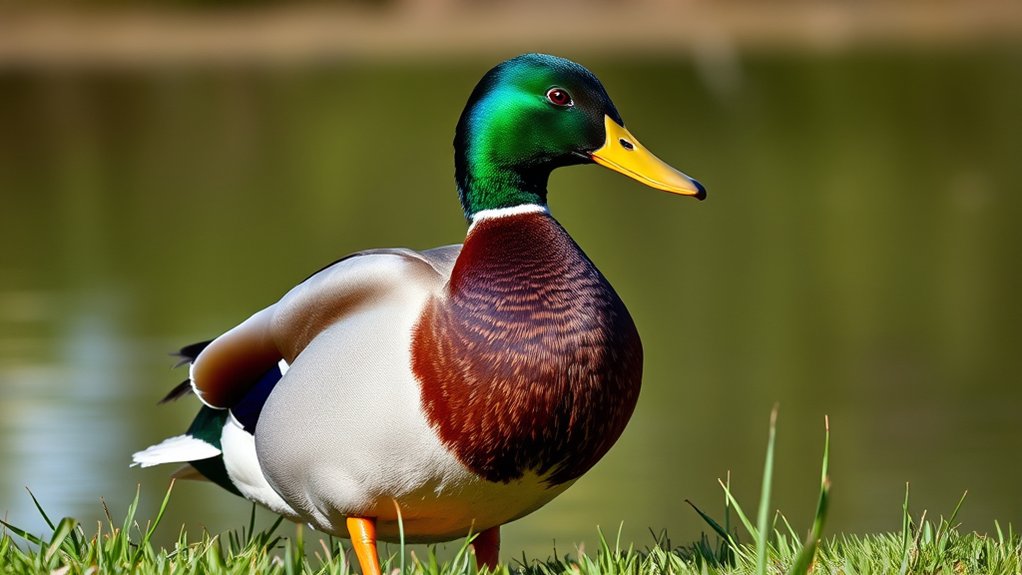
A male mallard duck is called a “drake,” a name that comes from Old English and means a male duck. You’ll spot drakes by their bright, glossy green heads and striking plumage, which help them attract mates.
Unlike females, their colors change with the seasons and environmental conditions.
Drakes also have unique behaviors and sounds that set them apart. If you want to understand more about their habits and traits, there’s plenty to uncover.
Key Takeaways
- A male mallard duck is officially called a “drake.”
- The term “drake” originates from Old English, meaning a male duck.
- Drakes have distinctive bright, iridescent plumage, especially glossy green heads.
- Male mallards use their vibrant colors and soft vocalizations to attract mates.
- The name “drake” holds cultural and historical significance in birdwatching and folklore.
What’s the Official Name for a Male Mallard?

Although many people simply call them male mallards, the official name for a male mallard duck is a “drake.” When you observe mallard migration, you’ll notice these drakes often travel in groups, heading to warmer climates during colder months.
Male mallards, known as drakes, migrate in groups to warmer areas during the colder months.
Understanding their name helps you appreciate how they fit into nature’s rhythm. If you’re curious about what drakes eat, their mallard diet habits include a mix of aquatic plants, insects, and small fish.
This varied diet fuels their long migratory journeys and keeps them healthy throughout the year. So, next time you see a mallard flying south or foraging near water, remember you’re looking at a drake engaging in fascinating behaviors shaped by migration and diet.
Knowing the correct term and these habits gives you a clearer picture of these ducks’ lives.
How Can You Tell Male and Female Mallards Apart?

Now that you know a male mallard is called a drake and how their diet supports their migration, you might wonder how to tell them apart from female mallards. You’ll notice male mallards have a distinctive glossy green head, while females display mottled brown feathers that help with camouflage during nesting.
Paying attention to their behavior also helps. Males often show more territorial actions, especially during mallard migration patterns when they compete for mates and resources. Both sexes share a similar diet, feeding on aquatic plants, insects, and small fish, which fuels their long migratory journeys.
You can also listen for differences in their quacks. The female’s call is louder and more frequent, which helps during migration when communication is essential. Spotting these differences makes observing mallards more enjoyable and deepens your understanding of how their diet and migration patterns influence their lives.
Why Are Male Mallards’ Colors Brighter Than Females’?

Because male mallards need to attract mates during the breeding season, their feathers display much brighter and more vibrant colors than females. You’ll notice their iridescent green heads and bold chestnut chests stand out, signaling health and vitality to potential mates.
This vivid plumage plays a pivotal role in mallard migration, where males must compete for attention in new environments. In urban habitats, these bright colors help males maintain social status among other ducks, even in crowded or noisy settings.
Meanwhile, females have duller brown feathers, which provide camouflage while nesting and protecting their young. So, the striking difference in color isn’t just for show. It’s an evolutionary strategy.
When you see a male mallard flaunting those brilliant hues, remember it’s all about attracting mates and surviving both migration and urban challenges. This color contrast helps guarantee the survival and continuation of mallard populations.
Why Is a Male Mallard Called a “Drake”?
You might wonder why a male mallard is called a “drake.” Well, the term comes from old language traditions where “drake” specifically meant a male duck. So, understanding this historical usage helps you see how male ducks got their unique name.
Origin of “Drake
One common question you might have is why a male mallard is called a “drake.” The term “drake” actually comes from Old English and has been used for centuries to specifically describe male ducks.
As you observe mallard migration and note their duck habitat preferences, you’ll find that knowing gender terms like “drake” helps in identifying behaviors and roles during seasonal movements. Understanding the origin of “drake” enriches your appreciation for these birds.
| Term Origin | Meaning |
|---|---|
| Old English | Male duck |
| “Drake” | Specifically male mallard |
| Applied for Centuries | Common in birdwatching |
| Linked to Behavior | Mating and migration |
This background helps you connect language with nature.
Historical Language Usage
Although the term “drake” might seem old-fashioned, it remains the standard way to refer to a male mallard in both everyday language and scientific contexts. You’ll find that “drake” has roots in ancient bird names, tracing back to Old English and related Germanic languages.
This word connects to mythological references where male waterfowl were often symbolized as powerful or noble creatures. Understanding this history helps you see why “drake” stuck around; it’s more than just a label—it carries cultural significance.
Male Duck Terminology
When you hear the term “drake,” you might wonder why it specifically refers to a male mallard. The word “drake” comes from Old English, originally meaning a male duck in general.
Over time, it became more closely associated with mallards, partly because they’re the most familiar ducks in urban habitats. You’ll often see drakes in city parks or ponds, where their striking colors stand out.
Their migratory patterns also influence this terminology. As these males travel seasonally, birdwatchers and hunters needed a clear term to distinguish them from females.
When Do Male Mallards Change Their Appearance?
You’ll notice male mallards change their look mostly during molting season, which happens after breeding. Their bright breeding plumage fades as they get ready for this transformation. Plus, environmental factors play a role in when and how much these changes happen.
Molting Season Timing
How do male mallard ducks transform their appearance each year? Molting season usually happens in late summer, after nesting and breeding. During this time, male mallards shed their bright feathers and grow duller ones, blending better with their surroundings.
You’ll notice this change aligns with their feeding habits and nesting preferences. They focus more on survival and less on attracting mates. Molting lasts about 3-4 weeks, during which they avoid predators by staying in safe, food-rich wetlands.
| Time of Year | Appearance | Behavior Focus |
|---|---|---|
| Early Summer | Bright plumage | Nesting & mating |
| Late Summer | Dull feathers | Feeding & safety |
| Early Fall | Molt completes | Preparing winter |
| Winter | Steady plumage | Survival & rest |
Breeding Plumage Changes
Although male mallards sport dull feathers during molting, they quickly transform once breeding season approaches. You’ll notice their bright green head, white neck ring, and chestnut-brown chest emerge as new feathers grow in.
This change ties directly to feather anatomy. The replacement feathers have richer pigments and structural qualities that amplify color vibrancy. This stunning breeding plumage plays a key role in attracting mates and signaling readiness for nesting.
Speaking of nesting habits, males don’t build nests but their flashy appearance helps secure a mate, indirectly supporting nesting success. So, when you see a male mallard flaunting vibrant colors, you’re witnessing a precise seasonal shift driven by feather regrowth and reproductive behavior preparing for the nesting period ahead.
Environmental Influence Effects
When environmental conditions shift, male mallards adjust their appearance to match seasonal demands. You might notice these changes aren’t just about seasons. They’re influenced by factors like urban pollution and climate change. These environmental stresses can alter molting timing and feather vibrancy.
Here’s when and how male mallards change their look:
- In early fall, they shed bright breeding plumage to blend with the duller environment.
- Urban pollution can delay or dull this molt, affecting their camouflage.
- Rising temperatures from climate change shift molting schedules, sometimes causing earlier or prolonged changes.
- During harsh winters or habitat disruption, males may keep dull plumage longer to conserve energy.
Understanding these influences helps you see how resilient yet sensitive male mallards are to their ever-changing habitats.
How Do Male Mallards’ Roles Differ From Females’?
While both male and female mallards share the responsibility of protecting their territory, the males focus more on attracting mates with their vibrant plumage and vocal displays. You’ll notice males flaunting their glossy green heads and bright colors, especially in urban habitats where competition for attention can be fierce.
Females, on the other hand, prioritize nesting and raising ducklings, often choosing well-hidden spots to ensure safety.
When it comes to migratory patterns, males tend to arrive earlier at breeding grounds to claim prime territory and impress females. Meanwhile, females follow later, ready to lay eggs and care for their young.
You’ll also see males being less involved in incubation, leaving most of that work to females. Understanding these role differences helps you appreciate how mallards adapt behaviorally to their environments, balancing attraction, protection, and nurturing to ensure their species thrives.
What Sounds Do Male Mallards Make Compared to Females?
You’ll notice male mallards make a variety of sounds that differ quite a bit from the familiar quacking calls of females. While females produce the classic loud quack, males tend to be quieter and use more subtle vocalizations. During mallard migration and nesting habits, these sounds serve important roles in communication.
Here’s what you should know about male mallard sounds:
- Males emit a soft, raspy whistle, especially during courtship or to signal presence without attracting predators.
- They use a low-pitched grunting sound to communicate with females during nesting.
- Unlike females, males rarely produce loud quacks, helping them stay discreet during migration.
- Occasionally, males make short, sharp calls to warn rivals or signal alarm.
Understanding these differences helps you appreciate how male mallards adapt their vocalizations to their environment and social behaviors.
Where Can You See Male Mallard Ducks in the Wild?
Male mallard ducks use subtle sounds to stay connected and avoid drawing too much attention, but spotting them often requires knowing where they like to hang out. You’ll often find male mallards in freshwater lakes, ponds, rivers, and marshes across North America, Europe, and Asia.
During mallard migration, these ducks travel to warmer regions, so your chances of seeing them vary seasonally. In spring and summer, look near breeding grounds with abundant aquatic vegetation. In fall and winter, wetlands with open water and plentiful food attract large flocks.
If you’re interested in spotting male mallards, visiting protected wildlife refuges and parks dedicated to waterfowl conservation increases your chances. These areas provide safe habitats and maintain healthy ecosystems, supporting mallard populations year-round.
What Are Some Fun Facts About Male Mallards?
You’ll notice male mallards sport bright, iridescent plumage that really stands out. Their flashy colors aren’t just for show—they actually play a big role in attracting mates. And it’s not just their looks; their unique courtship behaviors add even more charm to these fascinating ducks. Pretty cool, right?
Unique Plumage Colors
Although you might spot a mallard duck in many places, the vibrant colors of the male’s plumage truly stand out. His colorful feathers aren’t just for show. They play a key role in attracting mates.
Here are some unique features you’ll notice:
- Iridescent green head feathers shimmer in the sunlight.
- Bright yellow bill contrasts sharply with the dark head.
- A striking white neck ring separates the green head from the chestnut-brown chest.
- Blue speculum feathers on the wings flash during flight and mating displays.
These vivid colors help males catch the attention of females during the breeding season. So next time you see a mallard, take a moment to appreciate how his unique plumage colors make him a standout in the wild.
Distinctive Mating Behaviors
When courting a mate, a mallard duck puts on quite the show to stand out from the crowd. You’ll notice male mating displays that include head-bobbing, tail-shaking, and a series of soft whistles.
These duck courtship rituals aren’t just for show. They help males attract females by demonstrating their health and robustness. You might also see males swimming in circles around females, flapping their wings to display their colorful plumage.
This behavior signals strength and readiness to mate. Remarkably, male mallards often perform these actions in groups, creating a lively spectacle.
Understanding these distinctive mating behaviors gives you a glimpse into how male mallards compete and charm during breeding season, making their courtship rituals both fascinating and essential for their reproduction.
How Can You Safely Attract and Watch Male Mallards?
Since male mallards are naturally cautious around humans, gaining their trust requires patience and respect for their space. You can safely attract and watch them by understanding a few simple strategies. Start by learning about their feeding techniques. Offering appropriate food like cracked corn or birdseed can encourage them to approach.
Also, consider their natural nest site selection. Creating a quiet, sheltered area near water can make them feel secure.
Here’s how to proceed:
- Approach slowly and quietly to avoid startling them.
- Use feeding techniques that don’t rely on bread, which is unhealthy.
- Set up a comfortable viewing spot downwind to avoid detection.
- Observe during early morning or late afternoon when they’re most active.
Frequently Asked Questions
What Do Male Mallards Eat During Different Seasons?
Male mallards’ diet variations depend on seasonal foraging. During spring and summer, you’ll find them eating plenty of aquatic plants, insects, and small fish.
In fall and winter, their diet shifts to seeds, grains, and roots as insects become scarce. You’ll notice they adapt by foraging in wetlands, fields, and even urban areas to find food. This flexibility in diet helps them survive year-round in different environments.
How Long Do Male Mallards Typically Live in the Wild?
Male mallards typically live around 5 to 10 years in the wild, though some reach up to 15. During this time, you’ll notice their mallard mating habits involve vibrant displays and frequent male duck vocalizations to attract females.
These quacks and whistles play a big role in courtship. If you watch closely, you’ll see how their vocal energy and mating rituals help them survive and reproduce throughout their lifespan.
Do Male Mallards Migrate, and Where Do They Go?
Yes, male mallards do migrate, usually heading south as temperatures drop. During migration, their mallard mating behaviors pause, but once settled, male mallards use display traits like vibrant plumage and head bobbing to attract mates.
You’ll notice these traits intensify in spring when they return north to breeding grounds. So, while they travel for better conditions, their mating displays remain essential for successful reproduction once they arrive.
What Predators Commonly Threaten Male Mallard Ducks?
Imagine predators blending into shadows, that’s predator camouflage at work, threatening male mallard ducks. You’ll find that raccoons, foxes, and snapping turtles often prey on them, especially during nesting behavior when ducks are vulnerable.
You’ve got to appreciate how cleverly these predators wait, exploiting moments when males guard nests or forage. Staying alert and understanding these threats helps you protect mallards in the wild from becoming easy targets.
How Do Male Mallards Care for Their Offspring, if at All?
Male mallards don’t directly care for their offspring after mallard courtship. Once the female lays eggs, she handles incubation and raising ducklings alone.
You’ll notice that male mallards focus more on defending territory and attracting mates than parental behavior. While they might stay nearby during early brood stages, they don’t participate in feeding or protecting ducklings.
The mother takes full responsibility for guiding and nurturing the young until they’re independent.
Conclusion
Now that you know a male mallard is called a “drake,” you might wonder why their bright colors exist. Some say it’s just to attract females, but it’s more than that. It’s about survival and identity.
Their vibrant feathers signal health and strength, helping them stand out while steering clear of dangers. So next time you spot a drake, remember it’s not just beauty. It’s nature’s clever way of ensuring the mallard’s legacy continues. Knowing what a male mallard is called adds even more meaning to spotting these colorful birds.