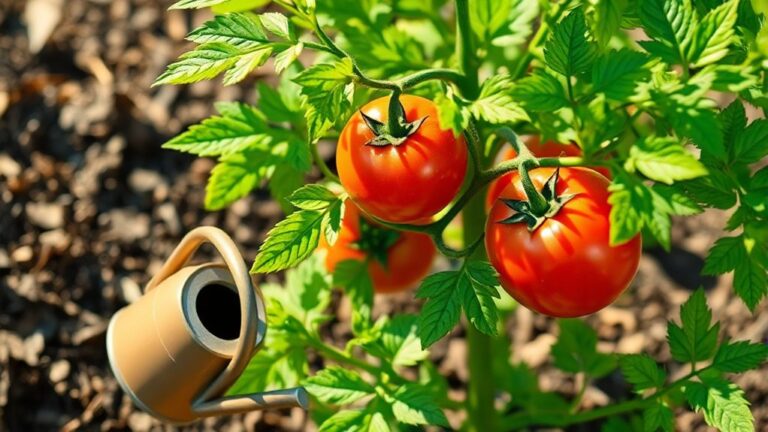
How to Make a Small Garden in 3 Steps
If you’ve ever dreamed of having a beautiful garden but felt overwhelmed by limited space or unsure where to start, you’re not alone. Many people struggle with creating a thriving garden in small areas, wondering how to make the most of their patch without feeling lost or frustrated.
Start by choosing a sunny spot with good drainage, easy access, and little blockage from fences or trees.
Next, pick plants that suit your space, light, and soil, like compact herbs, shade-tolerant greens, or vertical growers for tight areas. How to Make a Small Garden.
Then prepare the bed with loosened soil and compost, water deeply, add mulch, and check for pests often.
With a few simple tweaks, you can keep your garden thriving and find even better ideas ahead.
Key Takeaways
- Choose a sunny, well-drained spot that is easy to reach and protected from strong wind or blockage.
- Select compact or vertical plants that suit your light conditions and make the most of limited space.
- Prepare the soil by loosening it, adding compost, and leveling the bed for healthy root growth.
- Water deeply, mulch the soil, and check regularly for pests to keep the garden healthy.
- Adjust planting and care with the seasons to maintain continuous growth and harvests year-round.
Choose the Best Spot for Your Small Garden

Pick a spot that gets plenty of sunlight, drains well, and is easy for you to reach every day. You want a place where you can notice changes quickly and respond before small problems grow.
Watch how much sunlight exposure the area gets across the day, since most garden beds need steady light to thrive. Check the soil quality by feeling its texture and looking for puddling after rain.
If the ground stays soggy, choose another location or improve drainage before you begin. Stay away from places blocked by fences, trees, or buildings that cast long shadows.
You should also think about wind, foot traffic, and access to water, because these affect how smoothly you’ll care for the garden. A smart location helps you spend less time fixing issues and more time enjoying healthy growth.
Choose carefully now, and you’ll make every later step easier and more successful.
Pick the Best Plants for Small Spaces
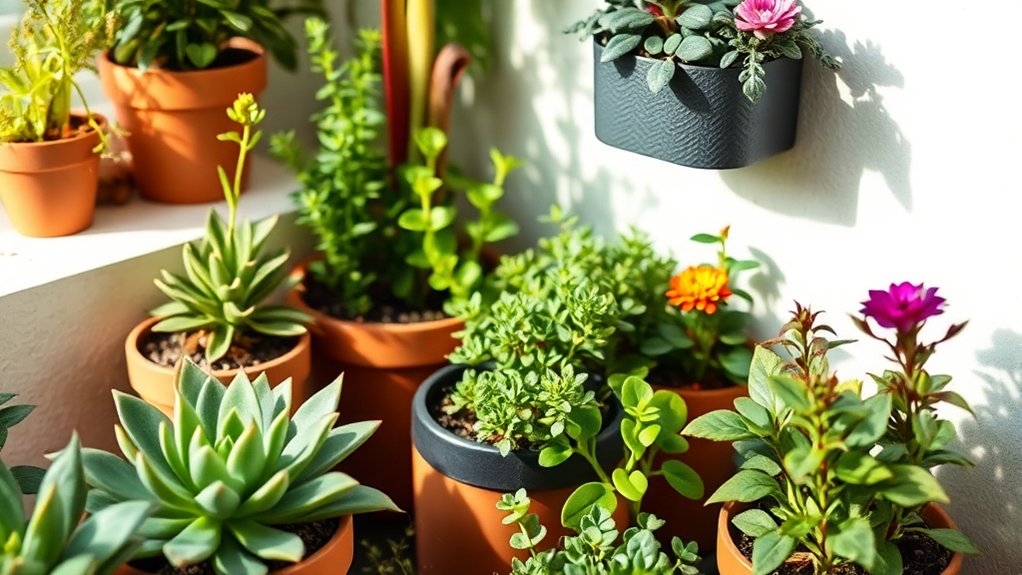
Start with plants that match your space, sunlight, and time, because small gardens do best when every plant earns its place. For container gardening, choose compact tomatoes, dwarf peppers, lettuce, and salad greens that stay manageable and productive.
If you want height without crowding, use vertical planting with climbers like beans, peas, or vine flowers on trellises. In shady corners, pick shade tolerant plants such as hostas, ferns, mint, or impatiens.
Add colorful flowers like marigolds, nasturtiums, and petunias to brighten tight beds and pots. Your herb selection should favor basil, thyme, chives, and parsley, since they fit neatly and add value to meals.
Also include drought resistant species like lavender, sedum, and rosemary if your site gets hot or dries quickly. Mix edibles, ornamentals, and texture so your garden feels full without becoming cramped.
Set Up and Care for Your Small Garden

Once you’ve chosen the right plants, set your small garden up so they can thrive from day one. Start with soil preparation: loosen the bed, mix in compost, and level the surface. Check sunlight exposure before you plant, then place taller plants where they won’t shade smaller ones. Use simple garden tools like a trowel, hand fork, and pruners to make work easier and cleaner.
| Task | Result |
|---|---|
| Water deeply | Roots grow stronger |
| Mulch the soil | Moisture stays longer |
| Watch for pests | Problems stay small |
| Rotate seasonal planting | Harvests stay steady |
Practice smart watering techniques: water early, aim at the roots, and avoid soaking leaves. Stay alert with pest management by checking undersides of leaves and removing trouble fast. As the seasons change, adjust seasonal planting so your space always looks lively and productive. With steady care, your small garden will feel calm, hopeful, and rewarding every day.
Frequently Asked Questions
How Much Should I Budget for a Small Garden?
You should budget about $100 to $500 for a small garden, depending on your garden cost goals and plant selection. You’ll spend less if you use seeds, recycled containers, and native plants, and more if you buy mature plants, soil, tools, or decorative items.
Start with a simple plan, set a limit, and track each purchase so you don’t overspend while building your garden.
Do I Need Local Permits for a Garden Shed?
Check first: you might need permits for a garden shed, depending on local zoning and garden shed regulations. You should call your city or county office, since size, height, setbacks, and utilities can change the rules.
Don’t assume you’re in the clear; some places let small sheds slide, while others require approval. If you skip this step, you could face fines or removal later, so verify before you build.
How Can I Keep Pests Away Naturally?
You can keep pests away naturally by mixing companion planting with natural repellents. Plant basil, marigolds, and garlic near vulnerable crops to confuse insects and boost protection.
Spray neem oil or diluted soap on leaves when you spot trouble. You should also remove weeds, water early, and check plants often so pests don’t establish.
Healthy soil and diverse plants help your garden stay balanced and resilient, too.
What Tools Are Essential for Beginner Gardeners?
You’ll need a hand trowel, pruners, a watering can, gloves, and a small rake to start gardening confidently. A digging fork helps loosen soil, while a spade makes transplanting easier.
You should also learn soil types and choose tools that suit your plant selection. A soil scoop, label markers, and a hose with a gentle nozzle can make upkeep simpler, so you’ll work faster and enjoy your garden more.
How Do I Compost Kitchen Scraps at Home?
You turn scraps into rich soil by feeding a compost bin like a patient little dragon. Start kitchen composting with fruit peels, vegetable trimmings, coffee grounds, and eggshells.
Layer them with dry leaves, shredded paper, or cardboard, then keep it damp and airy. Stir it often so it won’t smell. Skip meat, dairy, and oily food.
In a few months, you’ll have dark compost that feeds your garden naturally.
Conclusion
A small garden can bring big rewards. Did you know even a 10-square-foot space can grow herbs, flowers, and vegetables?
Start by choosing the right spot, then pick plants that fit your space. Finally, give your garden the care it needs.
With just a little planning, you can turn a tiny area into a thriving, beautiful retreat. So grab your tools, get started, and enjoy the fresh results you’ll grow in your small garden.