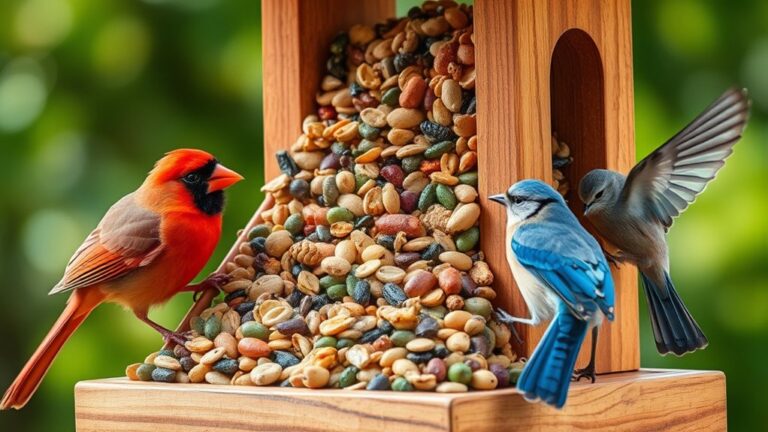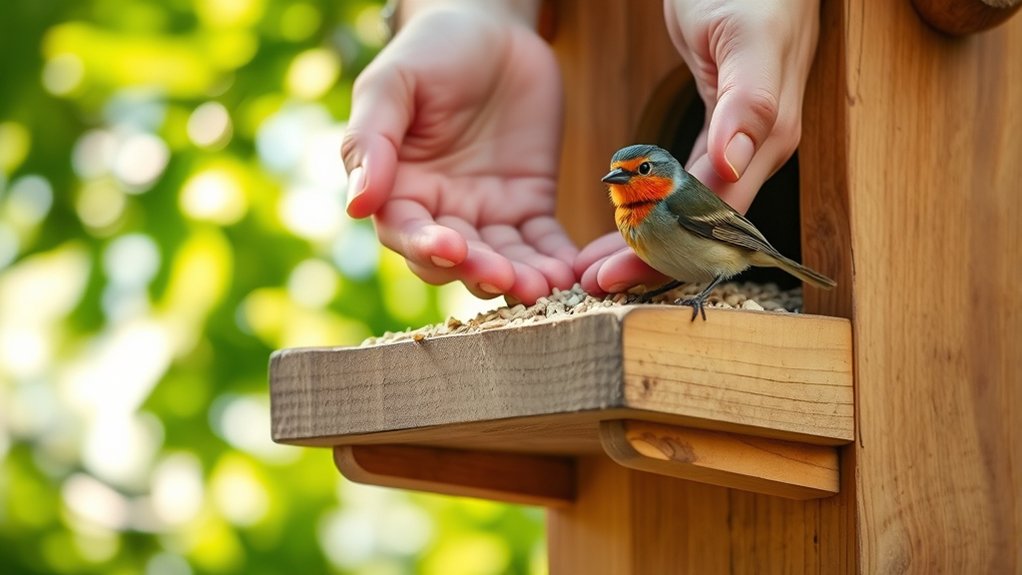
How Do You Feed a Bird in 10 Simple Steps
If you’ve ever wanted to attract beautiful birds to your yard but didn’t know where to start, you’re not alone. Many people struggle with finding the right way to feed birds without harming their health or attracting unwanted visitors. Feeding birds can seem tricky, but with the right approach, it’s easier than you think.
To feed birds in 10 simple steps, choose species-specific, natural foods like seeds, nuts, and insects, avoiding processed snacks.
Place feeders in safe, sheltered spots near cover and away from predators or windows. Keep feeders and water clean, changing water daily and removing spoiled food to prevent disease.
Feed at consistent times, especially during migration and nesting seasons, and watch for bird health signs.
You’ll find helpful tips to create a welcoming, bird-friendly environment that supports their natural habits.
Key Takeaways
- Provide species-appropriate, natural foods like seeds, nuts, fruits, and insects to support birds’ dietary needs during migration and nesting. This helps them stay healthy and energized.
- Place feeders in safe, sheltered locations near natural cover and away from predators and windows. It keeps the birds safe and reduces accidents.
- Regularly clean feeders and water sources to prevent disease and maintain hygiene. Cleanliness is key to keeping birds healthy.
- Feed birds consistently at optimal times, such as early morning and late afternoon, to build trust and support natural behaviors. Birds appreciate a routine.
- Enhance bird habitat with native plants, water sources, and safe nesting sites to promote overall health and survival. Creating a welcoming environment makes a big difference.
Choose the Right Food for Different Bird Species
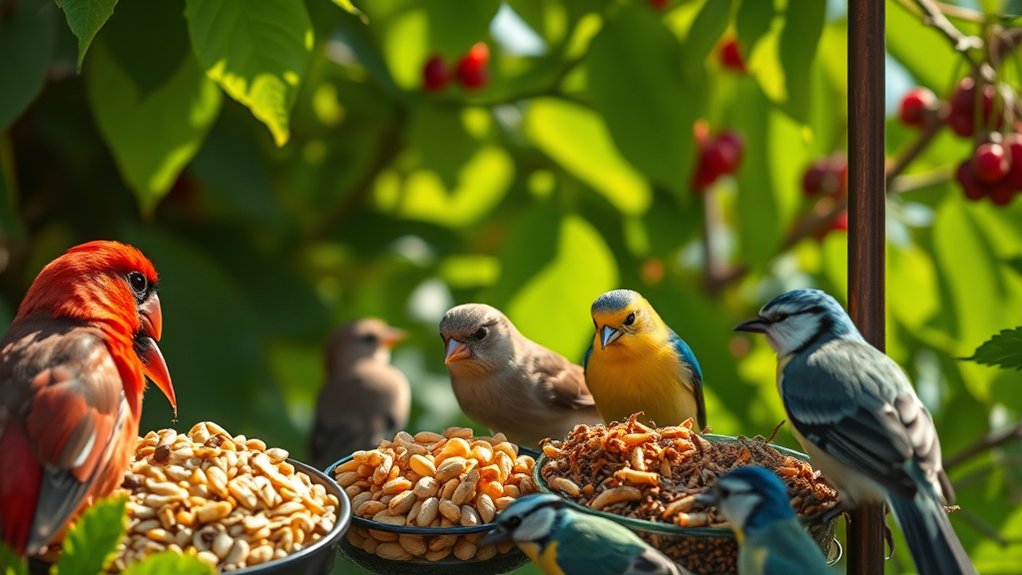
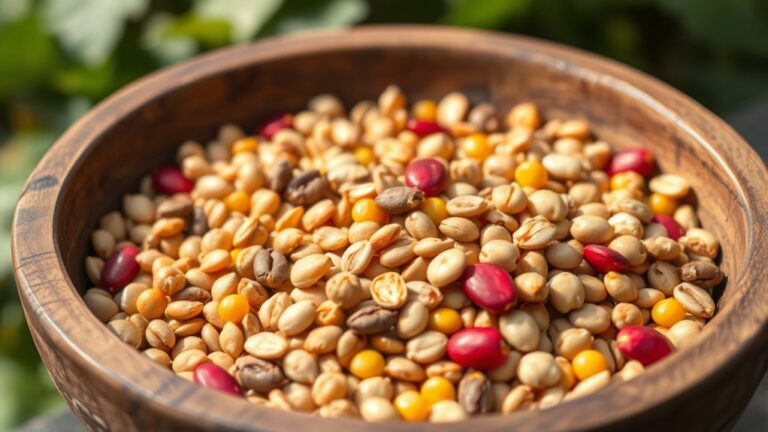
When you want to attract a variety of birds, choosing the right food is essential. Different species have specific dietary needs, especially during bird migration and nesting seasons. For example, high-energy foods like suet and sunflower seeds help migratory birds refuel during their long journeys.
Meanwhile, during nesting, birds often seek protein-rich insects or mealworms to feed their young. You should research which birds frequent your area and what they prefer.
Offering a mix of seeds, nuts, and fruits can attract a wider range, but avoid generic mixes that may contain fillers birds don’t eat. Tailoring your offerings to local species increases your chances of seeing birds settle near your nesting sites.
Select a Safe and Accessible Feeding Spot

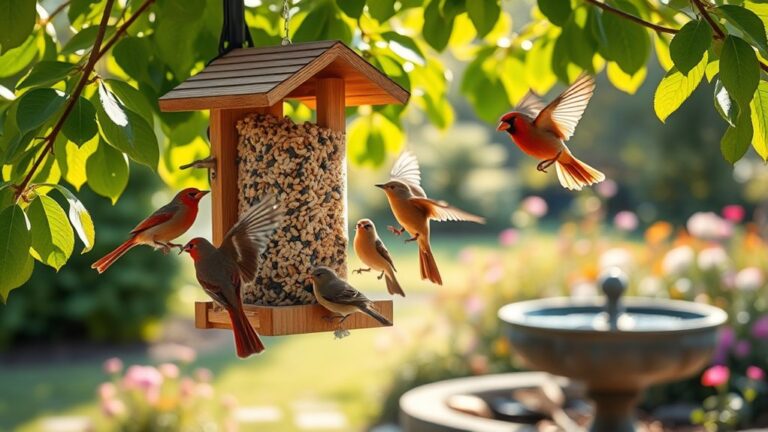
Although selecting the right food is essential, placing your feeder in a safe and accessible spot guarantees birds can feed comfortably and return regularly. Choose a location visible enough for birds to spot but sheltered from harsh winds and predators.
Placing feeders in safe, accessible spots ensures birds feed comfortably and visit your yard often.
Placing feeders near natural cover like shrubs or trees offers protection and quick escape routes, especially during bird migration when they’re vulnerable and seeking rest stops.
Avoid spots too close to windows to prevent collisions, and keep feeders away from areas where cats roam. Accessibility matters for you too—pick a spot where you can easily refill and monitor the feeder.
Also, placing feeders near areas where birds are building nests can encourage them to stay and help their young thrive. By thoughtfully selecting your feeding spot, you create a safe haven that supports both seasonal visitors and local nest builders, making your backyard a welcoming oasis for birds year-round.
Keep Feeders Clean to Protect Birds

Since feeders can quickly harbor mold, bacteria, and old seeds, keeping them clean is essential to protect birds from illness. You should clean your feeders regularly, especially during bird migration seasons when many birds rely on feeders for extra nourishment.
Dirty feeders can spread diseases that disrupt their energy and survival during these critical times. Pay close attention to removing any spoiled seeds and scrubbing the feeder with a mild soap solution.
Offer Fresh Water When Feeding Birds
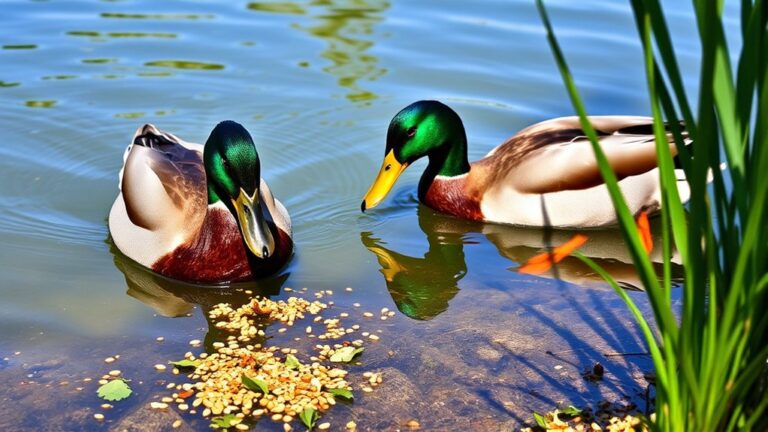
When you’re feeding birds, it’s a great idea to offer fresh, clean water right alongside your feeders. This helps keep the birds healthy and well-hydrated.
Try using shallow containers because they’re easier to clean and refill regularly. That way, you can prevent any bacteria from building up.
Changing the water every day is the best way to make sure it stays safe and inviting for your feathered friends. They’ll really appreciate it!
Importance of Clean Water
How often do you change the water you provide to birds? Clean water is essential, especially during bird migration and nesting when they need extra hydration.
Stagnant water can harbor bacteria and diseases that harm their health. To keep water fresh and safe, follow these steps:
- Replace water daily to prevent contamination.
- Remove debris like leaves or feathers regularly.
- Use cool water to avoid overheating.
- Place water in a shaded spot to slow algae growth.
Best Water Containers
Choosing the right water container plays a crucial role in keeping your bird visitors healthy and hydrated. When selecting a container, consider water quality first. Materials that don’t leach chemicals help maintain purity.
Opt for containers made from durable, non-toxic materials such as stainless steel, ceramic, or BPA-free plastic. These choices resist algae buildup and are easy to clean, preserving water quality. Avoid metal containers that rust or paint-coated ones that might chip, both of which can harm birds.
Also, pick a container with a wide, shallow design. Birds prefer easy access and can perch safely while drinking. By paying attention to container materials and design, you guarantee your feathered friends enjoy fresh, clean water every time they visit your feeding area.
Frequency of Water Changes
Maintaining clean water goes beyond selecting the right container. It means refreshing it regularly to keep birds healthy and hydrated. You need to prioritize water quality by changing it frequently to meet their hydration needs. Here’s how often you should refresh the water:
- Replace water daily to prevent bacteria buildup.
- Increase changes during hot weather to avoid stagnation.
- Clean the container thoroughly each time you change the water.
- Monitor water for dirt or debris and refresh immediately if contaminated.
Feed Birds at Consistent Times Daily
Although birds can find food throughout the day, feeding them at consistent times helps them recognize when to visit your feeder. Birds adapt their feeding patterns based on migration and nesting habits, so sticking to a schedule guarantees they rely on your feeder as a dependable food source.
This routine builds trust and encourages repeat visits, especially during critical times like early morning or late afternoon.
Here’s a quick guide on feeding times aligned with bird activities:
| Time of Day | Bird Activity | Feeding Benefits |
|---|---|---|
| Early Morning | Active foraging | Boosts energy for daily activity |
| Midday | Resting/Nesting | Provides steady food supply |
| Late Afternoon | Preparing for night | Helps build fat reserves |
| Evening | Settling down | Less frequent, but occasional feed |
Change Feeding Habits With the Seasons
As the seasons change, you’ll want to switch up the seeds you offer to match what birds need. It’s a good idea to adjust how often you fill the feeders, too. Plus, taking steps to protect them from harsh weather can make a big difference. These simple changes help keep your feathered friends well-fed all year long.
Seasonal Seed Selection
Because birds’ dietary needs shift throughout the year, you’ll want to adjust the seeds you offer accordingly. Different seed varieties cater to changing bird preferences, ensuring they get the nutrients they need. In colder months, high-fat seeds help birds stay warm, while lighter seeds suit spring and summer feeding.
Here’s how to select seeds seasonally:
- Winter: Offer black oil sunflower seeds for energy-rich nutrition.
- Spring: Provide millet and nyjer seeds to support breeding birds.
- Summer: Switch to mixed seeds with cracked corn for variety.
- Fall: Include safflower seeds to prepare birds for migration.
Adjusting Feeding Frequency
When seasons change, you’ll want to adjust how often you refill your bird feeders to match birds’ varying energy needs. During bird migration, many species need extra fuel, so increase feeding frequency.
In nesting seasons, birds focus on feeding their young, requiring consistent food availability. As temperatures drop, birds burn more calories to stay warm, so feeding often helps them survive. Conversely, in warmer months, less frequent refilling suffices.
| Season | Bird Activity | Feeding Frequency |
|---|---|---|
| Spring | Nesting behaviors | Refill daily |
| Fall | Bird migration | Refill multiple times |
| Winter | Cold survival | Refill frequently |
Adjusting feedings ensures you support birds’ natural cycles and help them thrive year-round.
Protecting Feeders From Weather
Although feeding birds year-round is rewarding, you’ll need to protect your feeders from harsh weather to keep food fresh and accessible. Weather changes impact bird migration and nesting habits, so adjusting your feeder setup is key.
Here’s how you can shield your feeders:
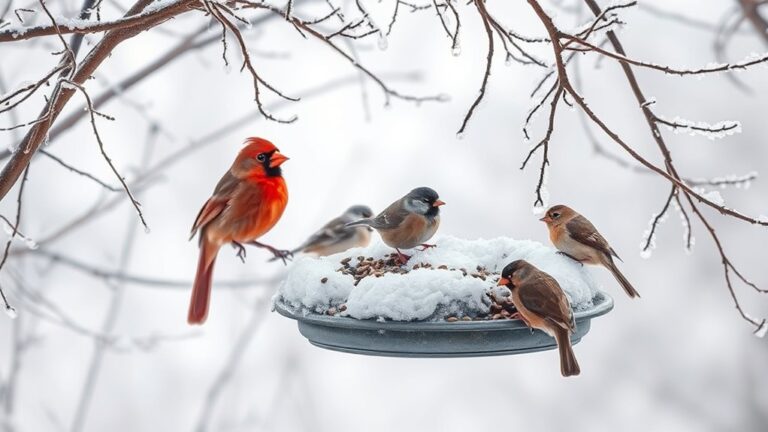
- Place feeders under eaves or dense branches to block rain and snow.
- Use weather-resistant feeders made of metal or heavy plastic.
- Add baffles above or below feeders to prevent water and snow buildup.
- Regularly clear ice and snow during winter to maintain access.
Avoid Feeding Birds Harmful or Processed Foods
Since birds rely on natural foods for their health, you should never offer them harmful or processed items. Processed foods like bread, chips, or salted snacks lack the nutrients birds need and can cause serious health problems.
During bird migration, they require energy-rich, natural foods to fuel their long journeys. Feeding them junk food can weaken them, making it harder to complete these critical trips.
Also, when birds are busy nest building, they depend on a balanced diet to stay strong and care for their young. Harmful foods can disrupt this process and reduce breeding success.
Instead, provide seeds, nuts, fruits, and insects that mirror what they find in nature. By avoiding processed foods, you help maintain their natural behaviors and support their survival through migration and nesting seasons.
Keep the Feeding Area Clean and Free of Pests
You’ll want to keep the feeding area clean to stop pests from taking over. By regularly removing leftover food and debris, you’re not just maintaining hygiene—you’re also keeping the birds safe.
Plus, staying on top of this helps prevent unwanted visitors, making the space healthier and more inviting for your feathered friends. It’s a simple step that makes a big difference!
Preventing Pest Infestations
When you keep the feeding area clean, you greatly reduce the chances of attracting unwanted pests like rodents and insects. To prevent pest infestations, follow these steps closely:
- Remove spilled seeds daily to avoid inviting rodents.
- Store bird food in sealed containers to keep insects out.
- Clean feeders regularly, especially during bird migration when many species pass through.
- Trim nearby vegetation to discourage pests and respect birds’ nesting habits.
Maintaining Hygiene Standards
Although feeding birds can be a rewarding experience, maintaining hygiene around the feeding area is essential to keep birds healthy and prevent pest problems. You should clean feeders regularly to remove moldy seeds and droppings that can spread disease.
After bird migration seasons, when many species change locations, it’s especially important to sanitize feeders to protect both returning and local birds. Pay attention to nesting behaviors too. Birds often build nests nearby, so keeping the area tidy prevents pests like ants or rodents from invading.
Remove spilled seeds and wash trays frequently. By staying proactive, you create a safe environment that encourages healthy bird visits without attracting unwanted pests. Keeping the feeding area clean supports the natural behaviors and wellbeing of your feathered visitors.
Recognize Signs of Bird Health and Behavior Changes
Because birds can’t tell you when something’s wrong, you need to watch closely for changes in their health and behavior. During bird migration or nest building seasons, you might notice subtle shifts that signal distress or illness. Here’s what to look out for:
Birds can’t tell you when they’re unwell, so watch for subtle changes during migration or nesting seasons.
- Unusual lethargy: Birds that usually flutter energetically may suddenly appear sluggish or refuse to fly.
- Feather condition: Ragged or missing feathers can indicate stress, parasites, or poor nutrition.
- Changes in eating habits: A bird eating less or more than usual might be sick or stressed.
- Altered vocalizations: Silent birds or ones making unusual calls may be signaling discomfort.
Build a Bird-Friendly Habitat to Support Feeding
Creating a bird-friendly habitat encourages birds to visit and thrive around your feeding area. You can start by planting native plants, which provide natural food sources and shelter birds recognize. These plants attract insects and offer berries, making your yard a reliable spot for feeding.
Next, include safe nesting sites like birdhouses or dense shrubs to support breeding and resting. When birds feel secure, they’re more likely to return regularly. Avoid using pesticides and keep feeders clean to maintain a healthy environment.
Also, provide water sources such as shallow birdbaths for drinking and bathing. By combining native plants and suitable nesting sites, you create a balanced habitat that supports birds beyond just feeding. This approach nurtures a vibrant, sustainable bird community right in your backyard, making feeding both enjoyable and beneficial for local wildlife.
Frequently Asked Questions
How Do You Attract Rare Bird Species to Your Feeder?
To attract rare bird species to your feeder, you’ll want to mimic their natural environment by providing specialized bird seeds that match their diet. Research rare bird habitats to understand which plants and food sources they prefer.
Position your feeder near native plants or water sources to create a welcoming spot. Keep the area quiet and avoid sudden movements so these shy birds feel safe enough to visit regularly.
What Are the Best Bird Feeders for Small Backyards?
For small spaces, choose compact, clever feeders like tube, hopper, or window options. Using varied bird seed varieties attracts a broad bird brigade, boosting backyard biodiversity.
Place feeders strategically close to shrubs for shelter but far enough from predators to create a safe, serene spot. You’ll find that thoughtful feeder placement strategies combined with seed selection swiftly summons a satisfying swarm of small, spirited songbirds to your snug backyard.
Can Feeding Birds Help Control Insect Populations?
Yes, feeding birds can help with insect control because insects make up a big part of a bird’s diet, especially during breeding seasons. When you provide food, birds stay nearby and hunt insects in your garden or yard.
This natural pest management reduces harmful bugs without chemicals. So, by attracting birds with feeders, you’re supporting their insect control role and promoting a healthier, more balanced environment around your home.
How Do You Protect Bird Feeders From Squirrels?
You’d think squirrels would politely skip your bird feeders, right? Wrong! To outsmart these furry thieves, use squirrel proofing tips like installing baffles or weight-sensitive feeders.
Keep a strict feeding schedule to limit access times, which helps reduce squirrel visits. You can also place feeders away from jumping spots like trees.
With these tricks, you’ll enjoy birds without the squirrel chaos stealing the show.
What Time of Year Is Best to Start Feeding Birds?
You’ll want to start feeding birds in late winter or early spring, just before bird migration begins. This timing helps migratory birds build energy for their journey and supports resident birds through tough seasonal changes.
Seasonal feeding is especially helpful during cold snaps or when natural food is scarce. By beginning early, you provide a reliable food source that encourages birds to stay and thrive in your area throughout the year.
Conclusion
By choosing the correct cuisine and consistently caring for your feathered friends, you create a safe, satisfying space for birds to thrive. Keep feeders clean, clear away critters, and consider their changing cues carefully.
Feeding fosters friendship and fortifies your feathered family’s future. So, stay steady, stay smart, and support your local wildlife with simple, sustainable steps.
Your dedication delights birds daily, building a beautiful, bird-friendly backyard bursting with life and love. Remember, how do you feed a bird? With care, patience, and the right approach to keep them coming back happily.