10 Foods You Should Not Feed Wild Birds
If you love feeding wild birds but worry about making mistakes, you’re not alone. Many people struggle with knowing what’s safe and healthy for our feathered friends. Feeding them the wrong foods can harm their health, and that’s something none of us want.
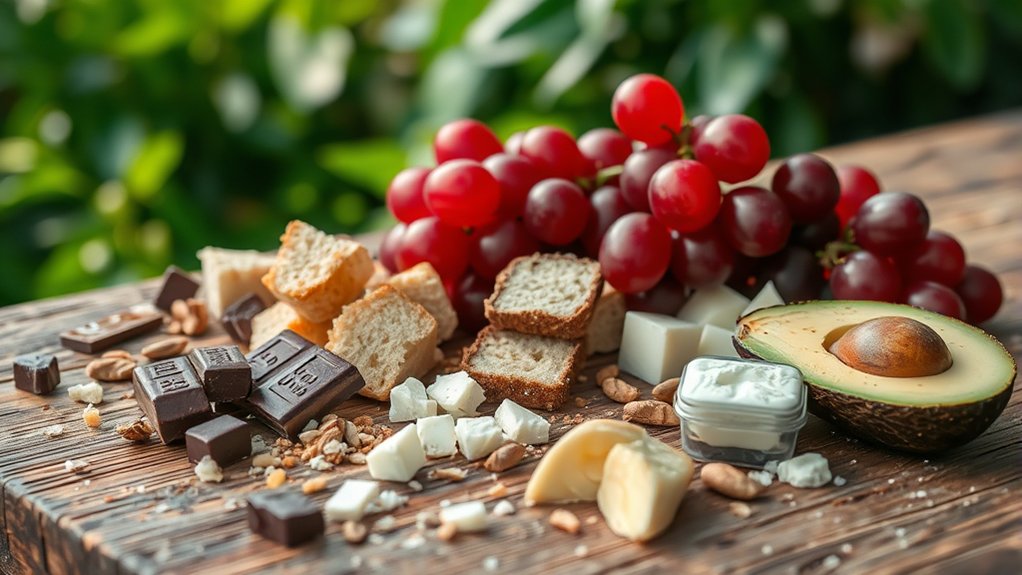
You shouldn’t feed wild birds bread, processed snacks, or salty treats because they disrupt natural diets and cause health problems. Avoid chocolate, caffeine, alcohol, and sugary foods—they’re toxic or harmful to their digestion and behavior.
Never give raw beans, peas, avocado, or dairy, as these can cause poisoning or illness. Also, skip moldy or spoiled food to prevent infections.
If you want to protect birds and boost their health, there’s more important info you’ll want to know.
Key Takeaways
- Avoid feeding wild birds bread, processed snacks, and salty foods. They lack nutrients and can cause digestive issues.
- Never offer chocolate, caffeine, or alcohol because they are toxic to birds’ nervous and cardiovascular systems.
- Do not feed moldy or spoiled foods since they contain harmful toxins and bacteria that weaken birds’ health.
- Stay clear of raw beans, uncooked peas, avocado, and dairy products as they contain toxins or cause digestive upset.
- Refrain from sugary, artificial, or seasoned treats. These disrupt bird metabolism and can lead to malnutrition.
Why Some Human Foods Are Harmful to Wild Birds
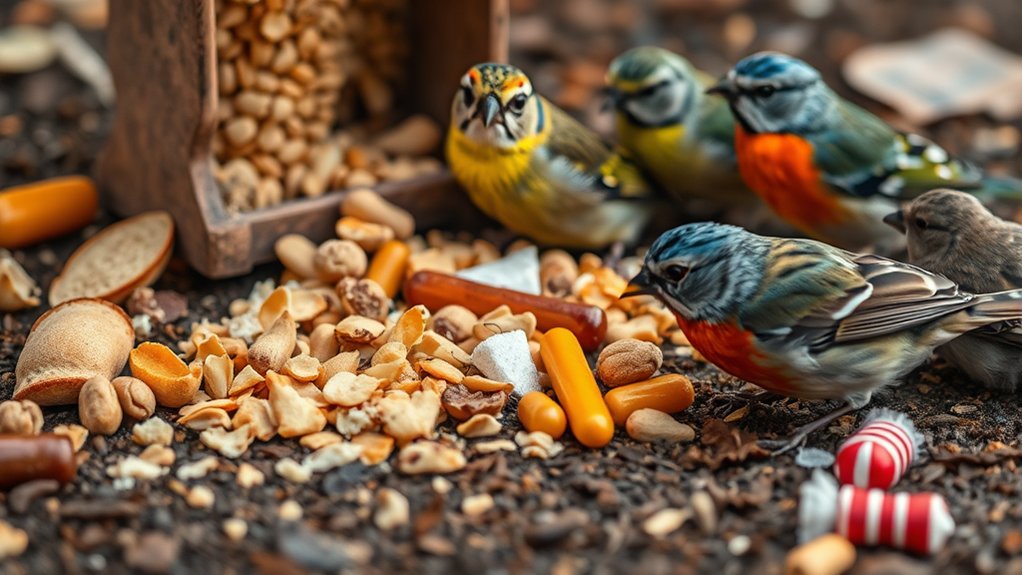
Although you might want to share your snacks with wild birds, many human foods can harm them because their digestive systems aren’t built to handle certain ingredients. When you practice good bird feeding etiquette, you understand that not all foods are safe or nutritious for urban bird diets.
Birds have evolved to thrive on natural seeds, insects, and fruits, so processed or seasoned human foods can cause digestive issues or nutrient imbalances. Feeding the wrong items can disrupt their health and behavior, making them vulnerable to illness.
To support urban birds properly, stick to appropriate foods like unsalted seeds or native fruits. By respecting bird feeding etiquette, you help maintain their natural diets and avoid unintentional harm.
Why Bread and Processed Snacks Are Bad for Wild Birds
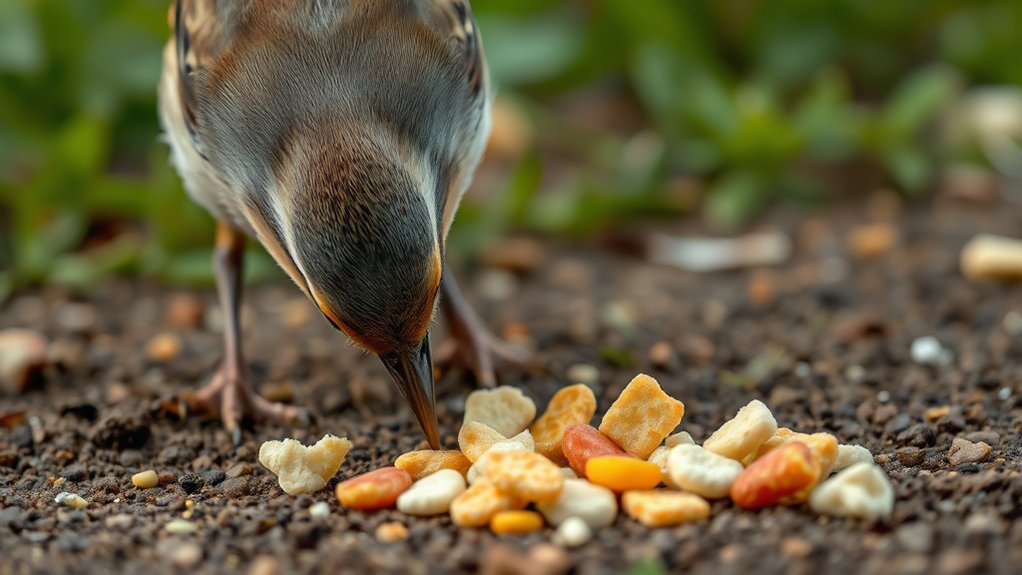
You might think feeding bread or processed snacks to wild birds is harmless, but actually, these foods don’t have the nutrients birds need to stay healthy. Plus, many snacks contain ingredients that can upset their digestion or even cause long-term health problems.
When you understand how these foods affect birds, it’s easier to make better choices for their well-being. So next time you want to feed them, think about what’s really good for them!
Nutritional Deficiencies In Bread
Since bread and processed snacks lack essential nutrients, they offer little to no real value to wild birds. When you feed birds these foods, you’re not supporting their health during vital times like bird migration or nesting habits.
Migrating birds need nutrient-rich fuel to sustain long flights, while nesting birds require protein and vitamins to raise their young successfully. Bread fills their stomachs but leaves them hungry for the nutrition they truly need.
If you want to help wild birds thrive, focus on providing seeds, nuts, and insects that supply essential fats, proteins, and minerals. Avoid turning to bread and snacks; they create nutritional gaps that can weaken birds, disrupt natural behaviors, and ultimately harm local bird populations during important life stages.
Harmful Ingredients In Snacks
Even if snacks like chips, crackers, and bread seem harmless, they often contain harmful ingredients that can damage wild birds’ health. When practicing proper bird feeding etiquette, it’s essential to avoid these processed foods. Here’s why:
- Excess salt and preservatives. These can cause dehydration and harm birds’ organs.
- High sugar and artificial additives. They disrupt birds’ natural diets and digestion.
- Unnatural fats and oils. These lead to unhealthy weight gain and energy imbalances.
Instead, focus on seasonal food choices like seeds, nuts, and fruits suited to local bird species. Feeding wild birds responsibly means respecting their natural dietary needs and the environment. This way, they thrive rather than suffer from human snacks disguised as treats.
Impact On Bird Health
Although it might seem harmless to toss bread or processed snacks to wild birds, these foods can seriously harm their health. Feeding birds poor-quality food disrupts their natural diet, leading to malnutrition.
This affects their bird song, making it weaker and less frequent, which is vital for communication and mating. Poor nutrition also impacts nesting habits, causing weaker eggs and lower hatch rates.
| Issue | Effect on Birds | Why It Matters |
|---|---|---|
| Malnutrition | Weak bird song | Reduces mating success |
| Poor egg quality | Fragile nests | Lowers chick survival |
| Digestive problems | Illness and death | Disrupts natural feeding habits |
| Dependency | Less foraging instinct | Affects wild population balance |
Why Chocolate and Sweets Harm Wild Birds
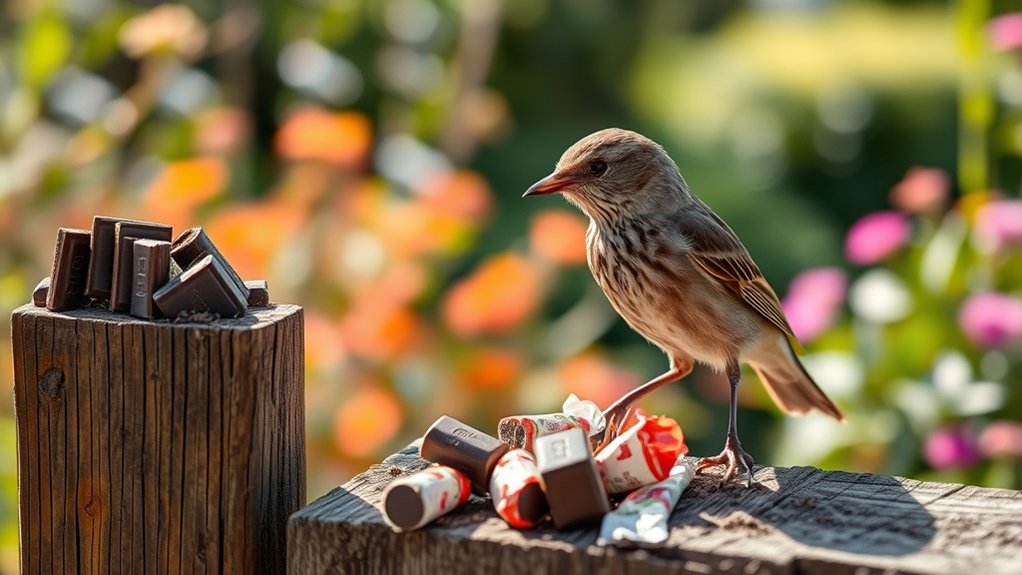
You might not realize it, but chocolate actually contains substances that are toxic to birds. These can cause some pretty serious health problems. And it’s not just chocolate—sweets are loaded with sugar, which can really throw off a bird’s natural diet and energy balance. So, it’s best to avoid giving these kinds of treats to wild birds if you want to keep them safe and healthy.
Toxic Ingredients in Chocolate
When you offer chocolate or sweets to wild birds, you unknowingly expose them to dangerous toxins like theobromine and caffeine. These substances cause serious health issues due to chocolate toxicity, which birds’ bodies simply can’t process. Understanding bird dietary restrictions helps you keep them safe.
Here’s why chocolate is harmful:
- Theobromine This compound overstimulates a bird’s nervous system and heart, potentially causing seizures or death.
- Caffeine Even small amounts can trigger rapid heartbeat and respiratory distress.
- Lack of Detoxifying Enzymes Birds don’t have the enzymes to break down these chemicals, making chocolate especially deadly.
Avoid feeding chocolate to protect wild birds from toxic poisoning and respect their natural dietary needs.
Sugar’s Impact on Birds
Beyond the dangers of chocolate’s toxins, the high sugar content in sweets also poses serious risks to wild birds. When you feed birds sugary treats, you expose them to sugar’s effects, which can disrupt their natural diet and metabolism.
Birds aren’t built to process large amounts of sweeteners. The sweeteners’ danger includes digestive issues, weakened immune systems, and even behavioral changes. Over time, excessive sugar intake can lead to malnutrition because birds may fill up on sweets instead of nutritious foods.
You might think offering sweets is harmless, but it can harm their health and survival chances. To keep wild birds healthy, stick to natural, bird-safe foods and avoid providing anything with added sugars or artificial sweeteners. Protect their wellbeing by saying no to sweets.
Why Raw Beans and Peas Should Never Be Fed to Wild Birds
Although raw beans and peas might seem like healthy treats, they contain natural toxins that can harm wild birds. Raw beans have a compound called lectin, which is highly toxic to birds. When birds consume these, they risk severe digestive issues and even death.
Pea poisoning occurs when birds eat uncooked peas, leading to symptoms like weakness and paralysis.
Here’s why you should avoid feeding wild birds raw beans and peas:
- Toxicity: Raw beans contain phytohemagglutinin, a lectin that disrupts bird cells.
- Digestive harm: Pea poisoning causes nausea, vomiting, and intestinal distress in birds.
- No safe preparation: Unlike humans, birds can’t safely consume raw or undercooked beans and peas.
To protect wild birds, never offer raw beans or peas. Instead, stick to bird-safe seeds and fruits that nourish without risk.
Why Dairy Products Are Unsafe for Wild Birds
Just as raw beans and peas pose serious risks to wild birds, offering them dairy products can also cause harm. You might think a bit of milk or cheese is harmless, but birds lack the necessary enzymes to properly break down lactose, the sugar found in dairy. This difference in bird digestion means dairy can lead to upset stomachs, diarrhea, or worse.
The dairy dangers come from lactose intolerance, which can quickly dehydrate birds or cause nutritional imbalances. Feeding wild birds dairy also increases the risk of attracting pests or creating unsanitary conditions. Instead, stick to seeds, nuts, and fruits that support their natural diet without risking their health.
Why Avocado Is Toxic to Wild Birds
If you’ve ever considered sharing avocado with wild birds, it’s important to know this fruit contains a toxin called persin that can be deadly to them. Avocado toxicity poses serious bird dietary risks because persin disrupts their heart and lung functions. Even small amounts can cause illness or death in many wild bird species.
Here’s why you should avoid feeding avocados to wild birds:
- Persin affects birds differently than mammals, making them highly sensitive to avocado toxicity.
- Symptoms of poisoning include difficulty breathing, weakness, and fluid accumulation around the heart.
- Since birds can’t metabolize persin, even leftover avocado scraps put them at risk.
Why Caffeinated Foods Are Dangerous for Wild Birds
You might not realize it, but caffeine is actually toxic to wild birds and can cause some serious health problems. Even small amounts can lead to symptoms like hyperactivity, rapid breathing, and heart arrhythmias. So, it’s really best to avoid offering caffeinated foods if you want to keep them safe and healthy.
Toxic Effects Of Caffeine
Because wild birds have a much lower tolerance for caffeine than humans, feeding them caffeinated foods can lead to serious health problems. Their bird metabolism processes caffeine far more slowly, increasing the risk of caffeine overdose. When you offer caffeinated items like coffee grounds or chocolate, you expose birds to toxic compounds that their bodies can’t handle.
Here’s why caffeine is so dangerous for wild birds:
- It overstimulates their nervous system, causing rapid heartbeat and agitation.
- It disrupts their natural metabolism, leading to energy imbalances.
- It can cause dehydration and increased stress, weakening their immune response.
To protect wild birds, avoid sharing any caffeinated foods or drinks. They simply aren’t built to handle them.
Symptoms In Birds
The harmful effects of caffeine on wild birds become clear when you recognize the symptoms they exhibit after consuming caffeinated foods. You might notice birds showing signs of hyperactivity, restlessness, or rapid breathing. These are early indicators of caffeine poisoning.
Such symptoms can seriously disrupt bird migration patterns, causing birds to expend energy they need for long flights. You could also observe impaired coordination and weakness, which interfere with essential activities like foraging and evading predators.
Furthermore, caffeine affects nesting behaviors by reducing the time and care birds dedicate to their nests. This ultimately threatens their reproductive success. If you see wild birds behaving unusually, especially near feeding areas, avoid offering caffeinated foods.
Protecting their natural behaviors ensures they stay healthy during critical periods like migration and nesting.
Why Alcohol Should Never Be Given to Wild Birds
Although it might seem harmless to share a sip of alcohol with wild birds, doing so can seriously harm their health. Alcohol interferes with essential functions that birds rely on, especially during critical periods like bird migration and nesting behaviors. When you offer alcohol to wild birds, you risk disrupting their natural instincts and survival mechanisms.
Sharing alcohol with wild birds may seem harmless but can severely harm their health and instincts.
Here’s why you should never give alcohol to wild birds:
- Alcohol impairs their coordination and judgment, making navigation during bird migration dangerous and less effective.
- It disrupts nesting behaviors by affecting hormonal balances, which can lead to abandoned nests or reduced care for chicks.
- Even small amounts can cause poisoning, leading to dehydration, organ damage, or death.
Why Moldy or Spoiled Foods Harm Wild Birds
Just as alcohol poses serious risks to wild birds, offering them moldy or spoiled foods can cause significant harm as well. Mold hazards in spoiled foods produce toxins that can affect birds’ digestive systems and overall health.
When you feed birds food with mold, you expose them to harmful mycotoxins that can lead to respiratory issues, weakened immunity, and even death. Spoiled foods also harbor bacteria that increase the risk of infections and illness in wild birds.
Unlike humans, birds can’t easily detect or avoid these dangers, so it’s up to you to protect them by avoiding moldy scraps. Feeding wild birds spoiled foods disrupts their natural diet and can cause malnutrition or poisoning.
To keep birds healthy and thriving, always offer fresh, clean food and steer clear of anything showing signs of spoilage or mold growth. Your careful choices directly impact their survival and well-being.
How to Safely Feed Wild Birds: What to Avoid
When feeding wild birds, you need to avoid certain foods and practices that can harm them rather than help. Practicing proper bird feeding etiquette is essential for their health and supports wildlife conservation efforts.
Here are three key things to avoid:
- Processed or salty foods: Foods like bread, chips, or anything salty can cause malnutrition and dehydration in birds.
- Moldy or spoiled food: Mold produces toxins harmful to birds’ digestive systems and immune health.
- Feeding inappropriate treats: Avoid offering foods like chocolate, avocado, or anything sugary, as these can be toxic or disrupt their natural diet.
Frequently Asked Questions
Can Feeding Wild Birds Affect Local Ecosystems?
Yes, feeding wild birds can affect local ecosystems, especially in urban habitats. When you provide food, you might unintentionally disrupt natural foraging behaviors and increase bird density. This can spread diseases and impact bird health.
This imbalance may also attract predators or invasive species, which can alter the ecosystem. To protect both birds and their environment, it’s important you feed them responsibly. Choose appropriate food that supports their natural diet and well-being.
Are There Specific Seasons to Avoid Feeding Wild Birds?
Yes, you should avoid seasonal feeding during certain times to respect migratory patterns. Feeding birds in spring or fall can disrupt their natural migration and make them reliant on your food.
In winter, feeding helps them survive harsh conditions, but in breeding seasons, it might attract predators or interfere with natural foraging. So, adjust your feeding habits based on the season to support birds without harming their natural behaviors and ecosystem balance.
How Can I Tell if a Bird Is Sick From Eating Harmful Foods?
About 30% of wild bird deaths link to poor diet. You can spot sick birds from harmful foods by watching for signs like lethargy, fluffed feathers, or trouble flying.
Seasonal illness often worsens bird health, especially in winter when their immune systems are weaker. If you notice these symptoms, it’s best to clean feeders and offer safe, nutritious options to help birds recover and thrive through the seasons.
What Are Safe Homemade Bird Food Recipes?
You can make safe homemade recipes by mixing ingredients rich in bird nutrition like unsalted peanuts, sunflower seeds, and oats. Try combining these with dried fruits like raisins or cranberries for extra energy.
You’ll want to avoid salt or sugar, keeping the mix natural and healthy. Simply blend the ingredients and offer them in a feeder. This way, you’ll support wild birds with nourishing food they’ll love.
Does Feeding Wild Birds Encourage Dependency on Humans?
Feeding wild birds can be a double-edged sword. You might think you’re filling their plates, but you could be weaving a web of human dependency. When you alter their natural feeding habits, birds might rely more on your offerings than their own foraging skills.
To keep their independence intact, it’s best to feed sparingly and provide natural foods that encourage them to seek food on their own, maintaining their wild instincts.
Conclusion
When feeding wild birds, you’ll want to wisely watch what you offer. Avoid harmful human handouts like bread, beans, and booze, which bring bad health and belly burdens.
Choose carefully, cherish clean, and consider natural nourishment instead. By being a bird’s best buddy, you’ll support strong, soaring songsters and help them thrive.
Remember, mindful meals make magical moments for both you and your feathered friends. Feeding wild birds the right way ensures their health and happiness every day!