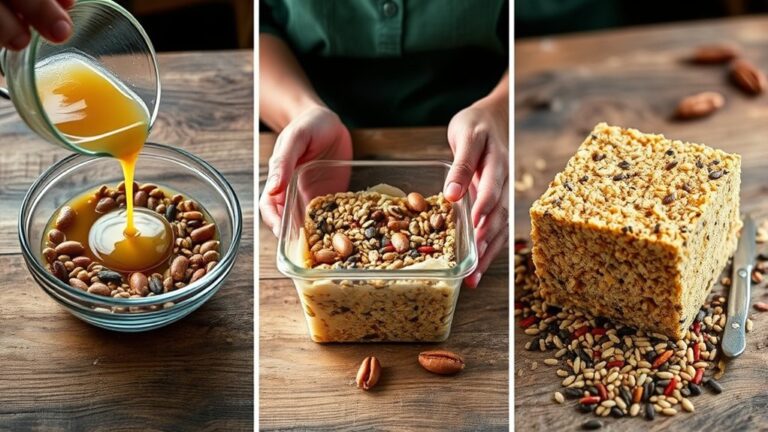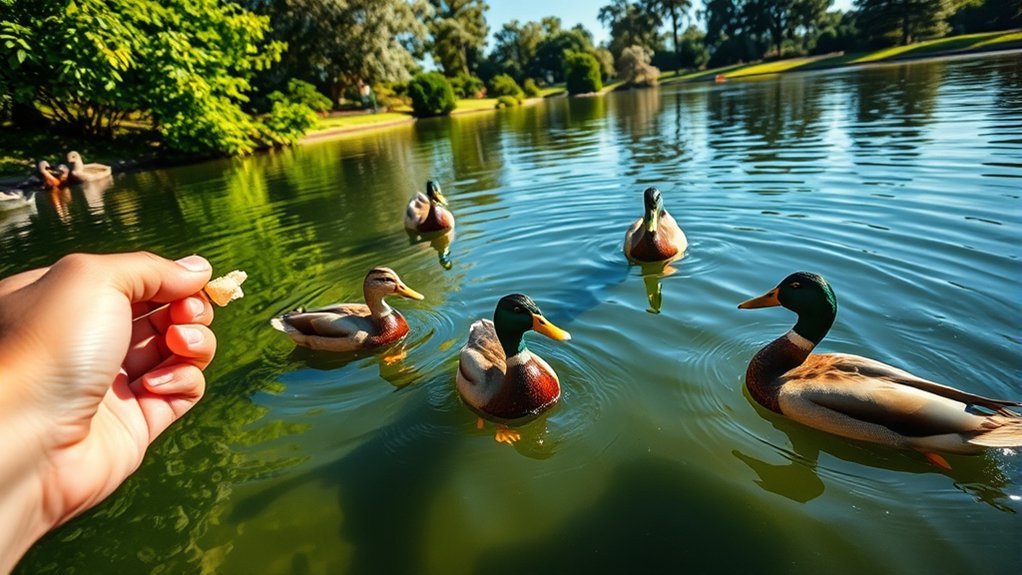
Is Bread Ok for Ducks?
If you love spending time by the water feeding ducks, you’re not alone. Many people enjoy this simple pleasure but often wonder, is bread really ok for ducks? It’s a common question because feeding ducks can feel rewarding, yet you want to make sure you’re doing what’s best for their health and the environment.
You shouldn’t feed bread to ducks because it lacks the nutrients they need and can cause health issues like malnutrition and growth problems. Feeding bread disrupts their natural diet and behaviors.
Leftover bread pollutes waterways and harms the environment.
Although it’s easy and common to offer bread, healthier alternatives exist that support duck wellbeing. If you want to help ducks safely and understand when and where feeding is appropriate, there’s more important information to examine.
Key Takeaways
- Bread lacks essential nutrients and can cause malnutrition, health issues, and deformities like “angel wing” in ducks.
- Feeding bread disrupts ducks’ natural foraging behaviors and contributes to overcrowding and aggressive interactions.
- Leftover bread pollutes waterways, promotes harmful algae growth, and degrades aquatic ecosystems.
- Healthier alternatives include peas, corn, fresh vegetables, and safe grains that support ducks’ nutrition without environmental harm.
- Avoid feeding bread near busy areas, during migration, or where prohibited to protect ducks and their habitats.
Is Feeding Bread Bad for Ducks?
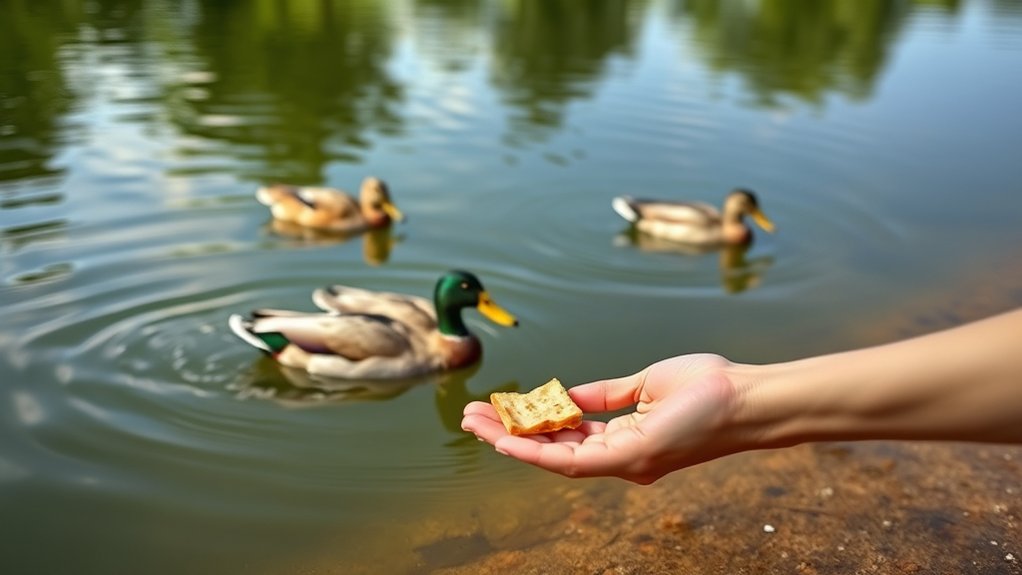
Although feeding bread to ducks might seem harmless, it can actually harm their health and the environment. You might have grown up believing in cultural myths that say bread is a treat for ducks, but in reality, it lacks the necessary nutrients they need. When you feed ducks bread, it fills them up without nourishing them, leading to malnutrition and related health problems. Plus, leftover bread pollutes waterways, encouraging harmful algae growth and attracting pests.
Understanding proper feeding etiquette is essential. Instead of bread, you should offer ducks healthier alternatives like birdseed, oats, or chopped vegetables. These options support their well-being and the ecosystem. Following feeding etiquette not only respects the animals but also helps maintain the natural balance of their habitat. So, next time you want to feed ducks, keep in mind that what you choose matters. Steer clear of bread and opt for more suitable options to keep ducks healthy and their environment safe.
Why Do People Feed Bread to Ducks?
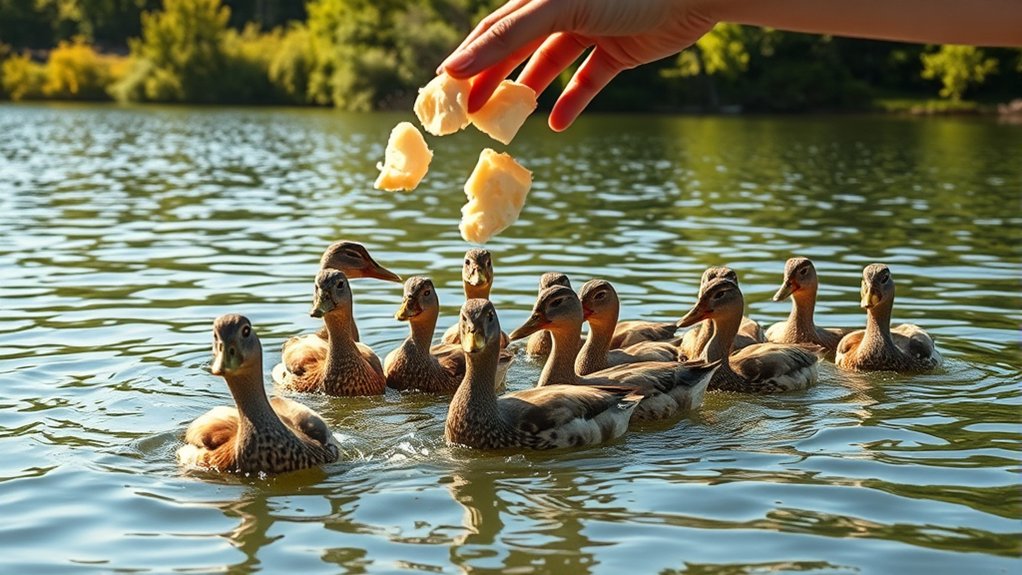
You probably feed bread to ducks out of habit or because it’s a tradition you grew up with. It’s easy to grab some bread, and you don’t need any special preparation. Plus, feeding ducks gives you a chance to enjoy time outdoors and connect with nature or friends.
Tradition And Habit
Since many people enjoy visiting parks and ponds, feeding ducks with bread has become a common activity that feels natural and rewarding. You might not realize it, but this habit is deeply rooted in cultural rituals passed down through generations.
People often feed ducks to connect with nature and continue family traditions. Here’s why you and others keep doing it:
- It’s a familiar way to interact with wildlife.
- Feeding ducks with bread is part of many cultural rituals.
- You may believe bread suits their dietary preferences.
- It creates a simple, enjoyable outdoor experience.
Understanding these reasons helps you see why bread feeding remains popular, even if it’s not the best choice for ducks’ health.
Easy And Accessible
When people visit parks or ponds, they often grab whatever food is on hand, and bread is usually the easiest option. You might not think twice about tossing leftover bread crumbs or slices to ducks because it’s convenient and familiar.
Bread’s accessibility comes from common cooking techniques that make it a staple in many households, whether it’s a simple loaf from a basic bread recipe or store-bought sandwich bread. You don’t need special preparation or tools to feed it to ducks, unlike other foods that require more effort or knowledge.
This ease encourages you and others to feed bread without considering alternatives, making it a go-to choice. However, just because bread is easy to access doesn’t mean it’s the best for ducks’ health or environment.
Social Interaction Opportunity
Many people find feeding bread to ducks a simple way to connect with nature and enjoy a moment of interaction. When you toss bread, you’re not just feeding birds; you’re engaging with urban ecology and observing bird migration patterns firsthand. This activity offers a unique social interaction opportunity that draws people outdoors.
Here’s why you might find it appealing:
- It creates a shared experience with family or friends.
- It sparks curiosity about local wildlife habits.
- It encourages mindfulness and relaxation in nature.
- It helps you appreciate the challenges ducks face in city environments.
How Bread Harms Ducks’ Health and Growth
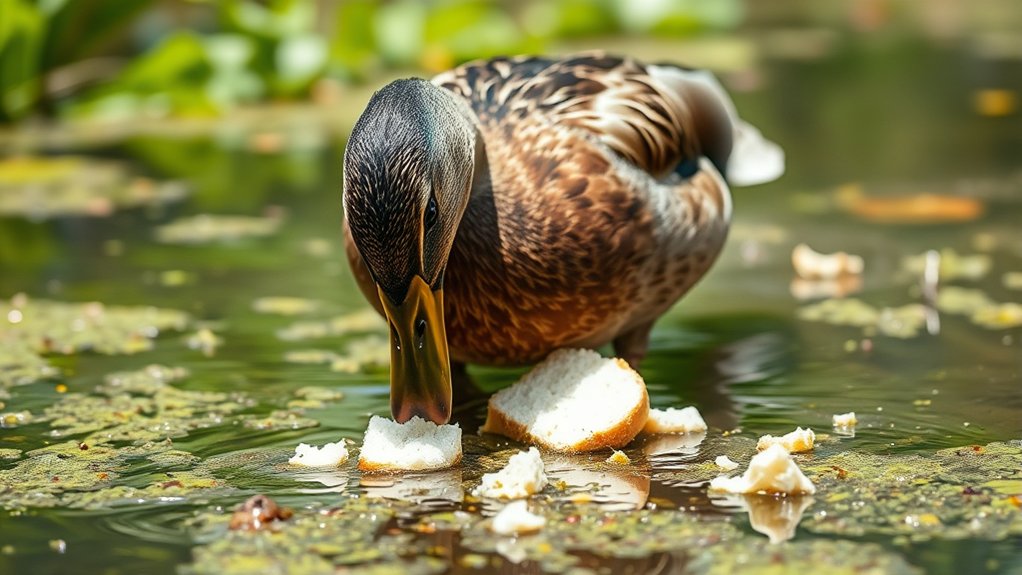
Although feeding bread to ducks might seem harmless, it can seriously damage their health and stunt their growth. Bread lacks the essential nutrients ducks need, leading to malnutrition when it replaces their natural diet.
When you feed bread, you disrupt ducks’ diet by filling them up with empty calories. This prevents them from consuming the nutritious plants, insects, and small fish they find through natural foraging. This imbalance can cause health issues like weakened immune systems and deformities, especially in ducklings.
You might not realize that bread can lead to a condition called “angel wing,” where ducks’ wings develop abnormally due to poor nutrition. Feeding bread also encourages ducks to rely less on natural foraging, which is vital for their development and survival skills.
Environmental Problems Caused by Feeding Bread to Ducks
When you feed bread to ducks, leftover crumbs can end up polluting the water. This pollution encourages harmful algae to grow. And when algae take over, it puts other wildlife in danger, messing up the natural balance of the ecosystem. So, knowing how this happens helps you understand why bread isn’t really the best food to give ducks.
Water Pollution Effects
How does feeding bread to ducks harm the water they live in? When you toss bread, uneaten pieces sink and rot, causing water contamination. This decay promotes algae growth, which steals oxygen from the water, leading to habitat degradation.
Here’s how it affects the environment:
- Bread leftovers increase nutrient levels, fueling harmful algal blooms.
- Algae reduce oxygen, suffocating aquatic plants and animals.
- Decomposing bread attracts pests and disrupts natural ecosystems.
- Excess nutrients alter water chemistry, harming native wildlife habitats.
Wildlife Health Risks
If you feed bread to ducks, you might unintentionally harm their health. Bread lacks essential nutrients ducks need, leading to malnutrition and weakened immune systems. This poor diet makes them more vulnerable to diseases and reduces their ability to survive in the wild.
When ducks gather in unnatural numbers around feeding spots, it disrupts habitat preservation efforts. Overcrowding damages vegetation and water quality. It also complicates predator management since large groups attract predators, increasing risks for the ducks.
Why “Duck Bread” Isn’t Safer for Ducks
Although products labeled as “duck bread” might seem like a safer option, they often contain the same unhealthy ingredients found in regular bread. You might think it’s a better choice, but it can still harm ducks and disrupt their natural diet. When you’re feeding ducks, it’s important to follow proper feeding etiquette and consider alternative treats that truly benefit them.
Duck bread isn’t safer; it can still harm ducks and disrupt their natural diet.
Here’s why “duck bread” isn’t safer:
- It usually contains white flour and additives that lack nutritional value.
- Overfeeding can cause malnutrition and water pollution.
- It encourages ducks to rely on human food instead of foraging naturally.
- It can lead to overcrowding and aggressive behavior among ducks.
Instead, focus on alternative treats and correct feeding etiquette to support their health without causing harm. Avoiding both regular and “duck bread” keeps ducks safe and thriving in their environment.
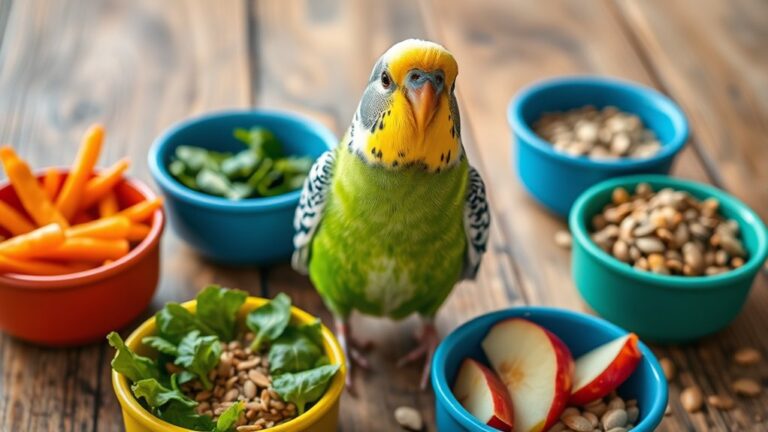
Healthy Foods You Can Feed Ducks Instead of Bread
If you want to feed ducks something better than bread, try nutrient-rich snacks like peas or corn. These are not only tasty but also packed with good nutrients. Fresh vegetables, like lettuce or cucumber, can be a great choice too. Ducks seem to enjoy the crunch and freshness. You can even offer safe grains and seeds to keep ducks healthy and happy. It’s an easy way to make sure they get what they need without harming them.
Nutrient-Rich Duck Snacks
While bread might seem like an easy choice, you can offer ducks far healthier snacks that boost their nutrition and well-being. Feeding ducks bread regularly can lead to nutritional deficiencies and overfeeding consequences, which can harm their health. Instead, try these nutrient-rich options:
- Cracked corn is high in fiber and energy.
- Oats provide essential nutrients and are easy to digest.
- Birdseed mix offers a variety of vitamins and minerals.
- Cooked rice or pasta are good sources of carbohydrates.
These snacks help maintain ducks’ natural diet balance and prevent health problems linked to poor nutrition. By choosing nutrient-rich snacks, you support wild ducks’ vitality and reduce the risks that bread can cause.
Fresh Vegetables For Ducks
Why choose fresh vegetables for ducks? Fresh veggies provide essential vitamins and minerals that support ducks’ health, especially during bird migration when energy demands increase. Offering chopped leafy greens like kale, lettuce, or spinach boosts their nutrient intake.
This helps them maintain strong feathers, which are vital for feather grooming and flight. These vegetables are easy to digest and won’t pollute waterways like bread often does. You can also provide peas, cucumbers, or zucchini as hydrating snacks that keep ducks hydrated and healthy.
Safe Grains And Seeds
Three types of safe grains and seeds are excellent alternatives to bread when feeding ducks. Choosing these options supports wildlife conservation and promotes nutritional education by providing ducks with healthier food. You can easily swap bread for:
- Cracked corn, rich in nutrients ducks love.
- Oats, a natural, fiber-filled grain.
- Barley, great for energy and digestion.
- Birdseed mixes, specially formulated for wild birds.
Feeding ducks these grains and seeds helps maintain their natural diet and prevents health problems caused by bread. By making this simple change, you contribute to healthier duck populations and a balanced ecosystem.
How to Feed Ducks Safely and Responsibly
If you want to feed ducks, it’s important to do so safely and responsibly to protect their health and the environment. First, choose foods that mimic their natural diet, like peas, corn, oats, or birdseed. Avoid bread, as it offers little nutrition and can harm duck behavior by encouraging dependency and disrupting bird migration patterns.
When feeding, scatter food on the water or ground to reduce overcrowding and aggressive behavior among ducks. Feed in small amounts to prevent leftover food from polluting the water, which can cause harmful algae blooms affecting other wildlife.
Also, be mindful of local regulations and avoid feeding during sensitive times, like migration seasons, to help maintain natural duck behavior and migration routes. By feeding ducks thoughtfully, you support their health and preserve the ecosystem they rely on.
When and Where to Avoid Feeding Ducks
Feeding ducks thoughtfully means knowing not just what to offer, but also when and where to do it. Timing and location matter a lot, especially during duck migration when birds are vulnerable. Practicing good feeding etiquette helps protect ducks and their habitats.
Here are four situations when and where you should avoid feeding ducks:
1. Near busy roads or crowded parks
Ducks can get stressed or injured.
2. During duck migration seasons
Feeding can disrupt their natural behaviors.
3. In areas with poor water quality
Leftover food worsens pollution.
4. Where feeding is prohibited or discouraged
Signs are there for a reason.
How to Enjoy Watching Ducks Without Feeding Them
While you might be tempted to toss bread to ducks, you can still enjoy their presence without feeding them. Instead, bring a pair of binoculars and watch how ducks behave naturally. Observe their bird migration patterns as they travel seasonally, which is fascinating to see up close.
Notice their nesting behaviors during spring; females carefully select spots and tend to their eggs, providing insight into their life cycle. You can also learn about different duck species by reading field guides or using apps designed for birdwatching.
Capture photos or sketch ducks to appreciate their details without disturbing them. Visiting local ponds or wetlands during various times of day lets you witness feeding and social interactions without interference. By respecting ducks’ natural habits and habitat, you help maintain their health and the ecosystem’s balance, making your duck-watching experience more rewarding and responsible.
What Parks and Communities Are Doing to Stop Bread Feeding
Although many people enjoy feeding ducks, parks and communities are taking active steps to stop this practice because of its harmful effects. You’ll notice efforts focused on urban conservation and community education aimed at protecting local wildlife and water quality.
Here’s what they’re doing:
- Installing informative signs that explain why bread harms ducks and suggest healthier feeding alternatives.
- Hosting workshops and events to raise awareness about urban conservation and responsible wildlife interaction.
- Providing designated feeding areas with appropriate food options like birdseed or cracked corn.
- Enforcing fines or regulations to discourage bread feeding and reduce environmental damage.
Frequently Asked Questions
What Types of Ducks Are Most Commonly Fed Bread?
You’ll most commonly see mallards and domestic ducks being fed bread by people. However, you should know bread has a poor nutritional impact on them, often leading to health problems.
Instead of bread, you can offer alternative foods like cracked corn, oats, or birdseed, which provide better nutrition. Feeding ducks these alternatives helps maintain their health and supports their natural diet, so they thrive better in their environment.
How Did Feeding Bread to Ducks Become a Popular Tradition?
Feeding bread to ducks became popular because it’s easy and feels like a fun way to connect with nature. You probably saw others doing it and joined in without thinking much about feeding etiquette.
However, you should know bread isn’t healthy for ducks. Instead, try offering alternative treats like seeds, peas, or chopped vegetables. These options respect feeding etiquette and help keep ducks healthy while you enjoy your time outdoors.
Can Feeding Bread to Ducks Spread Diseases Among Them?
Feeding bread to ducks can act like a slow poison, spreading diseases among them. When you toss bread, you unknowingly harm their nutritional impact, leaving them malnourished and weak.
This poor diet triggers behavior changes, making ducks overly dependent on humans and less likely to forage naturally. You might think you’re helping, but you’re actually disrupting their health and natural habits, turning a kind gesture into a harmful cycle.
Are There Any Legal Restrictions on Feeding Ducks Bread?
Yes, you might find legal restrictions on feeding ducks bread, especially in areas with strict wildlife conservation rules. Many places enforce bird diet regulations to protect local habitats and prevent harm to waterfowl.
Authorities want you to avoid disrupting natural diets and ecosystems. Before feeding ducks, check local laws to make certain you’re following guidelines that support their health and conservation efforts. It’s best to use approved foods instead of bread.
What Is the Historical Origin of “Duck Bread”?
You might be surprised to learn that “duck bread” originated in the early 1900s when feeding ducks bread became a popular pastime. Historically, people didn’t consider the nutritional impact and simply tossed bread by the handful.
Over time, awareness grew about its negative effects. This led to recommending alternative foods like cracked corn or oats.
Conclusion
Feeding bread to ducks might seem harmless, but it actually harms their health and the environment. Did you know that over 80% of ducks’ natural food is replaced by bread in popular feeding spots? This disrupts their diet and growth.
Instead, you can offer healthier options like seeds or greens. Remember, enjoying ducks doesn’t mean feeding them. Observe and appreciate their natural behavior for a safer, happier habitat where bread is not needed.