What Should Birds Eat: 3 Essential Foods
If you’re a bird lover, you know how tricky it can be to figure out what to feed your feathered friends. You want to keep them healthy and happy, but with so many options out there, it’s easy to feel overwhelmed. You’re not alone—many people struggle to find the perfect mix that meets all their birds’ nutritional needs.
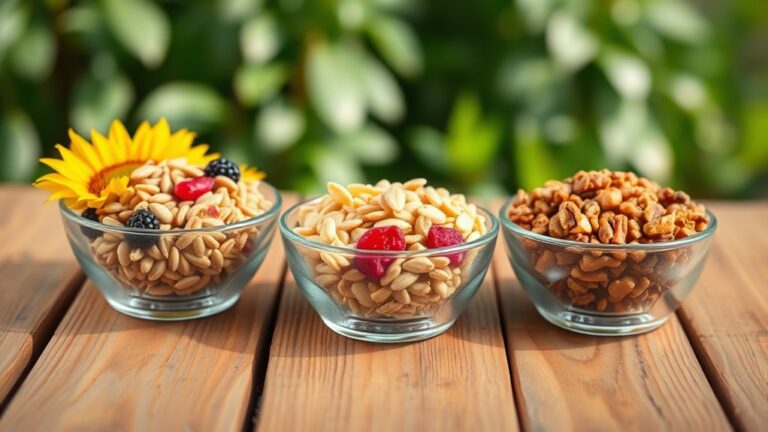
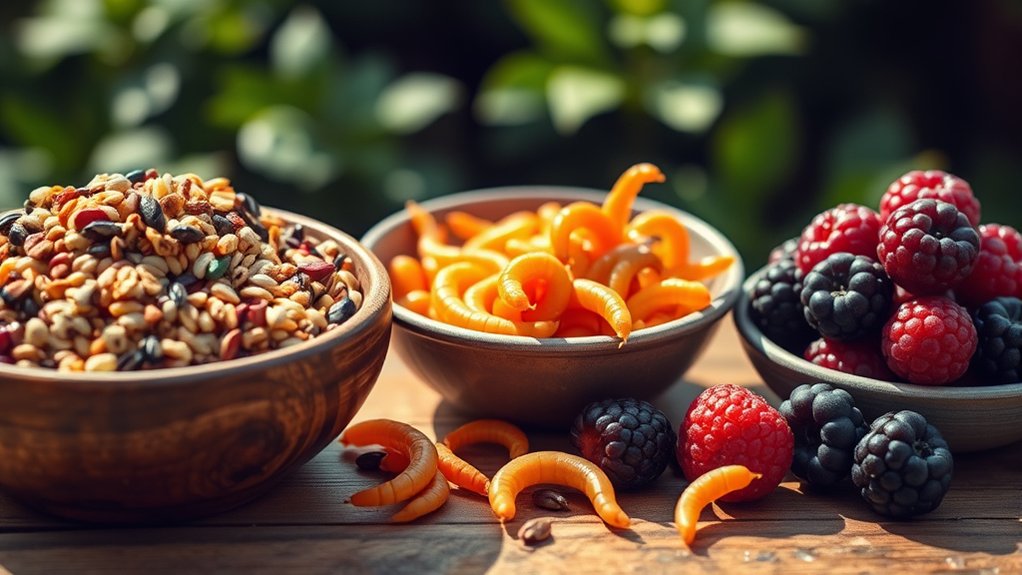
You should feed birds a mix of seeds and grains, fresh fruits and vegetables, and protein-rich supplements. Seeds provide the energy they need, while fruits and veggies deliver essential vitamins and minerals.
Protein helps with muscle and feather growth, and supplements like calcium support bone health.
Keep their diet balanced and varied for the best results. If you want to better understand how each food group benefits birds, keep exploring their dietary needs.
Key Takeaways
- Birds need seeds and grains as their primary energy source. It’s important to store them properly to maintain freshness and prevent spoilage.
- Fresh fruits and vegetables provide essential vitamins, minerals, antioxidants, and fiber. These help support the immune system and aid digestion.
- Protein from cooked eggs, lean meats, or legumes supports muscle growth, feather health, and immune function.
- Calcium and other supplements are crucial for bone strength and eggshell quality. However, they should be used under veterinary guidance.
- A balanced diet combining seeds, produce, and protein prevents nutritional deficiencies and promotes overall bird health.
Seeds and Grains: The Primary Energy Source for Birds
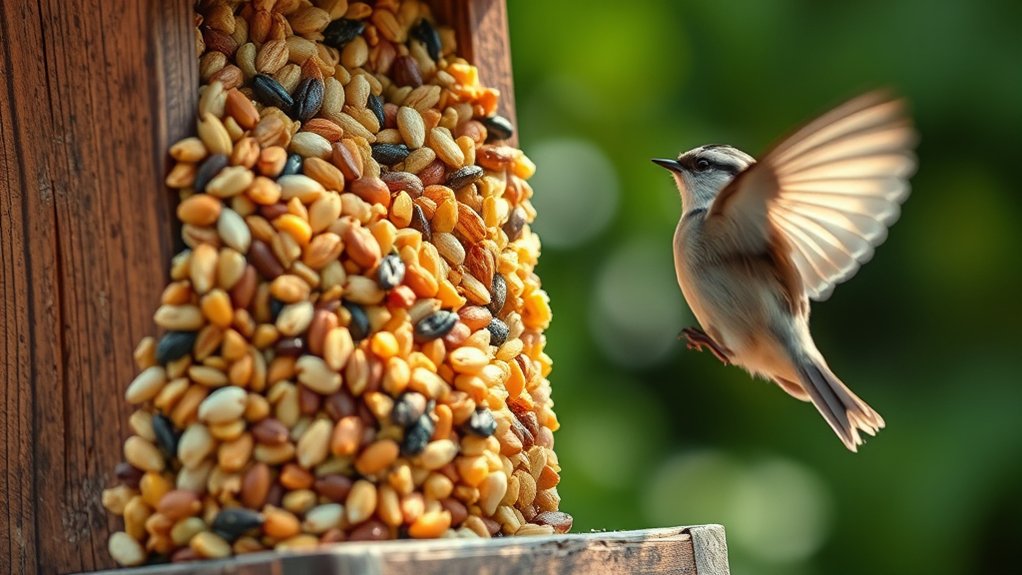
Although birds consume a variety of foods, seeds and grains remain their primary energy source. When feeding birds, you need to be mindful of bird dietary deficiencies, particularly a lack of essential nutrients like calcium and vitamins, which seeds alone might not provide. To prevent these issues, assure your birds have access to a balanced diet that complements their seed intake.
Proper seed storage tips are vital to maintaining seed quality and preventing spoilage. Store seeds in airtight containers in a cool, dry place away from direct sunlight to avoid mold and nutrient degradation. Regularly check your seed stock for freshness and discard any that look discolored or smell rancid.
Fruits and Vegetables: Essential Vitamins and Minerals for Bird Health
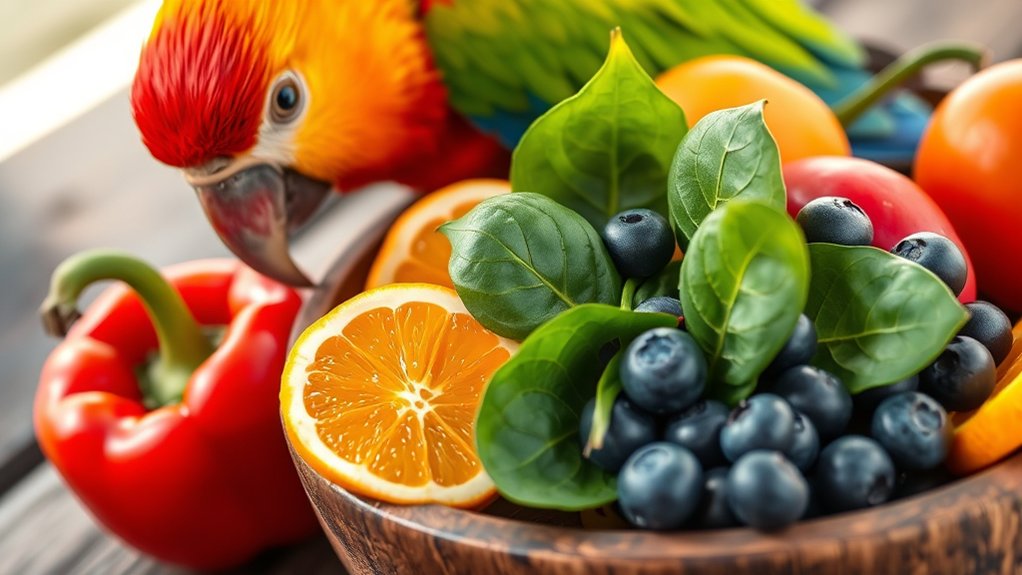
While seeds and grains provide essential energy, fruits and vegetables deliver the vitamins and minerals your birds need to thrive. Including a variety of fresh produce mimics the natural bird habitat, supporting healthy avian behavior like foraging and exploring. These foods supply antioxidants, fiber, and hydration, which are vital for your bird’s immune system and digestion.
Here’s a quick guide to some bird-friendly fruits and vegetables:
| Fruit/Vegetable | Key Vitamins & Minerals | Benefits for Birds |
|---|---|---|
| Apples | Vitamin C, Fiber | Boosts immunity, aids digestion |
| Carrots | Vitamin A, Potassium | Supports vision, muscle function |
| Blueberries | Antioxidants, Vitamin C | Enhances immune health |
| Spinach | Iron, Vitamin K | Promotes blood health |
| Sweet Potato | Vitamin A, Fiber | Supports skin and feathers |
Offering these fresh foods daily enriches your bird’s diet and encourages natural avian behavior, helping them stay active and healthy in their habitat.
Protein and Supplements: Completing a Balanced Bird Diet
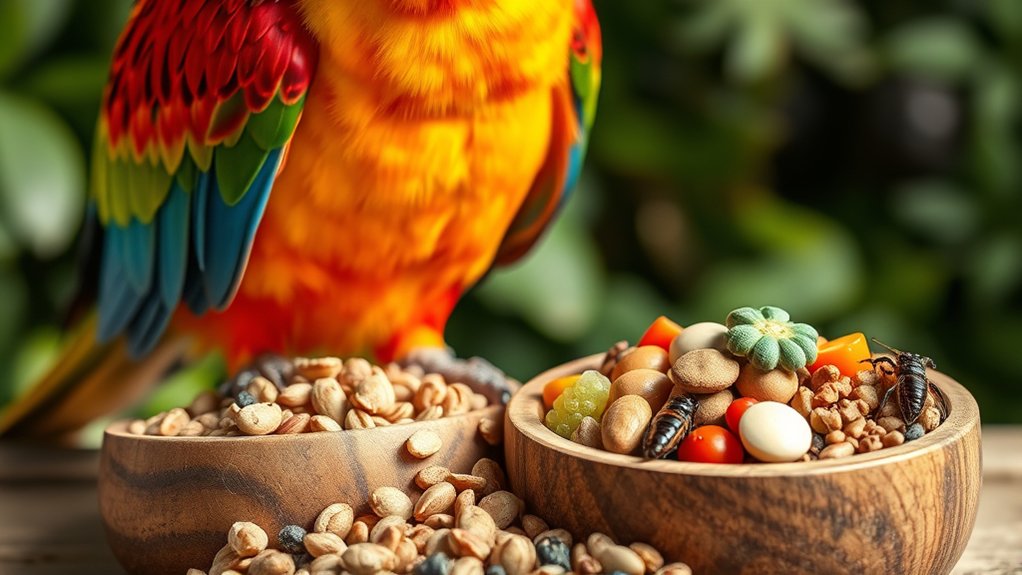
To keep your bird healthy and energized, you need to include adequate protein and supplements in their diet. Protein plays a vital role in bird nutrition, supporting muscle development, feather growth, and overall immune function. You can provide protein through sources like cooked eggs, lean meats, and legumes, tailored to your bird’s species and preferences.
Dietary supplements also help complete a balanced bird diet, especially if your bird’s food lacks certain vitamins or minerals. Calcium supplements, for instance, are essential for strong bones and eggshell production. Always consult with an avian veterinarian before adding supplements to make sure you’re meeting your bird’s specific needs without overdoing it.
Frequently Asked Questions
Can Birds Eat Chocolate or Caffeine Safely?
You shouldn’t let birds eat chocolate or caffeine because both are toxic to them. When it comes to bird diet and food safety, these substances can cause serious health problems like heart issues, seizures, or even death.
Always avoid giving birds anything with caffeine or chocolate. Instead, focus on safe, nutritious foods that support their health and well-being, ensuring their diet stays balanced and free from harmful ingredients.
How Often Should I Change My Bird’s Water?
Think of your bird’s water like a flowing river. It needs to stay fresh to keep your feathered friend thriving.
You should change your bird’s water at least once a day to guarantee ideal bird hydration. Stale water can harbor bacteria and discourage your bird from drinking enough.
If you spot any debris or droppings, refresh it immediately. Keeping water freshness at the forefront helps your bird stay healthy and happily hydrated.
Are Commercial Bird Pellets Necessary?
Yes, commercial bird pellets are important because they provide nutritional balance that’s hard to achieve with seeds alone. When you feed your bird pellets, you guarantee it gets essential vitamins, minerals, and proteins in the right amounts.
While fresh fruits and vegetables are great, pellets help prevent selective eating and nutrient deficiencies. So, including bird pellets in your pet’s diet supports its overall health and longevity.
Can Birds Drink Milk or Dairy Products?
You might think giving your bird milk is like offering a magical elixir, but don’t! Birds can’t digest dairy, and feeding them milk often leads to nasty dairy intolerance symptoms like upset stomach or diarrhea.
Instead, try bird milk alternatives like specially formulated calcium-rich supplements or soaked seeds. These keep your feathered friend healthy and happy without risking digestive distress.
How Do I Know if My Bird Is Allergic to Certain Foods?
You’ll know if your bird has food allergy symptoms if it shows itching, swelling, sneezing, or unusual feather loss after eating certain foods. Keep an eye on bird food sensitivities like diarrhea or vomiting too.
To be sure, introduce new foods slowly and watch for reactions. If you spot any signs, stop feeding that item and consult your vet to keep your feathered friend safe and healthy.
Conclusion
To keep your bird healthy and happy, provide seeds and grains for energy, offer fruits and vegetables for essential vitamins and minerals, and include protein and supplements to complete their diet. You’ll see the difference in their vibrant feathers, lively behavior, and overall well-being.
Remember, feeding your bird well means giving them the fuel to fly, the nutrients to thrive, and the care to flourish every day. A balanced diet is key to what should birds eat for a long, joyful life.