What Do You Feed Birds: 5 Best Foods to Try
If you love watching birds visit your yard but struggle to find the right foods to attract them, you’re not alone. Many bird enthusiasts want to provide nutritious, appealing options but feel overwhelmed by all the choices out there. Feeding birds well can be tricky, but with the right mix of ingredients, you can create a favorite spot for your feathered friends.
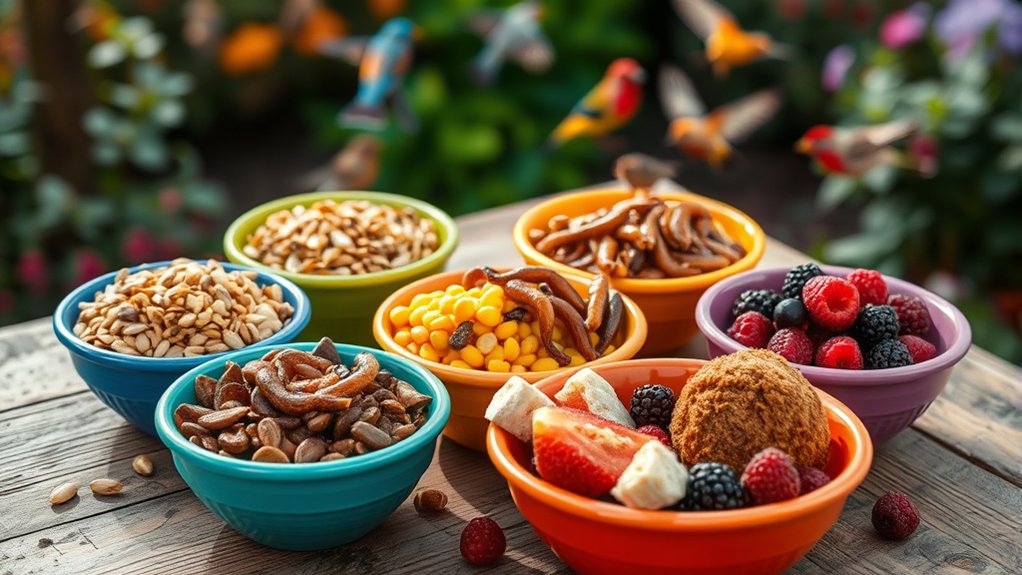
To feed birds well, offer a mix of high-protein mealworms in warm months and high-fat sunflower seeds during colder ones. Add fresh berries for natural sweetness, suet cakes to boost energy, and unsalted nuts like peanuts or almonds for healthy fats and protein.
These foods attract a variety of species while supporting their health through seasons. Want to create a thriving bird feeding station? There’s plenty more you can do to keep your feathered friends happy and safe.
Key Takeaways
- Offer a variety of seeds like sunflower, millet, and safflower to provide essential proteins, fats, and carbohydrates for diverse bird species.
- Include high-protein foods such as mealworms and suet, especially during spring and winter, to support energy and feather health.
- Provide fresh native fruits and vegetables like berries and chopped apples as seasonal nutritional supplements.
- Add unsalted nuts like peanuts and walnuts to attract insect-eating and seed-loving birds with healthy fats and proteins.
- Place feeders in sheltered, safe spots and regularly clean them to ensure bird health and minimize disease risk.
Best Foods to Feed Wild Birds Year-Round
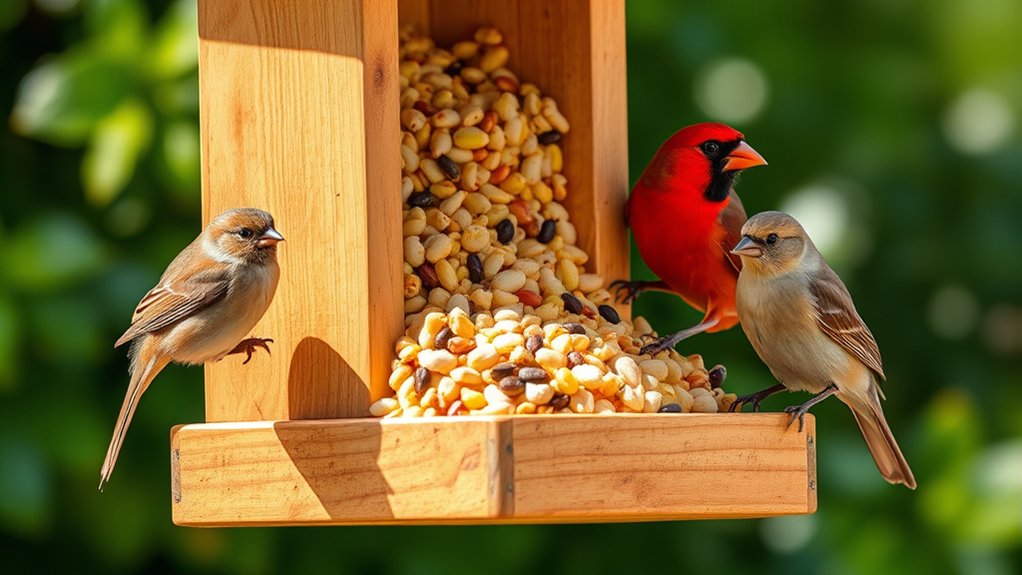
While the seasons change, you can keep wild birds coming to your yard by offering a variety of nutritious foods year-round. Start by considering bird feeder placement. Choose sheltered spots away from predators and harsh weather to make birds feel safe.
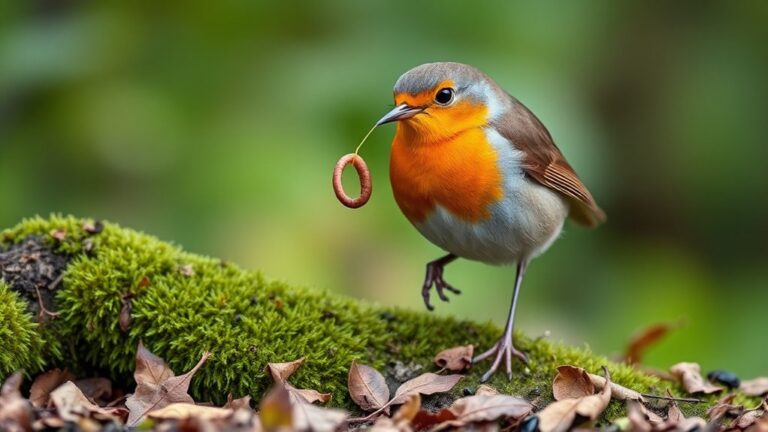
In spring and summer, focus on high-protein foods like mealworms and suet to support breeding and molting. During fall and winter, switch to high-fat seeds such as sunflower and safflower to help birds stay warm.
Seasonal feeding strategies also mean adjusting the amount and type of food as natural sources fluctuate. Don’t forget to provide fresh water, especially in freezing months.
What Makes Bird Food Healthy and Tasty
If you want to attract more birds and keep them healthy, you need to choose foods that provide essential nutrients and appeal to their tastes. The key lies in offering a variety of bird seed varieties that cater to different species’ preferences while ensuring nutritional balance.
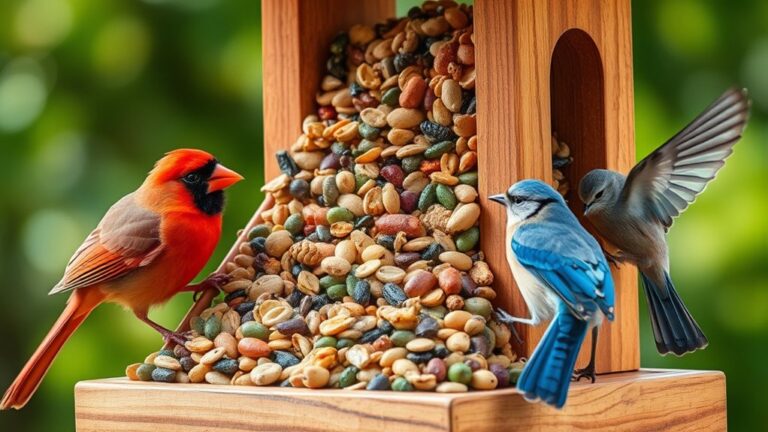
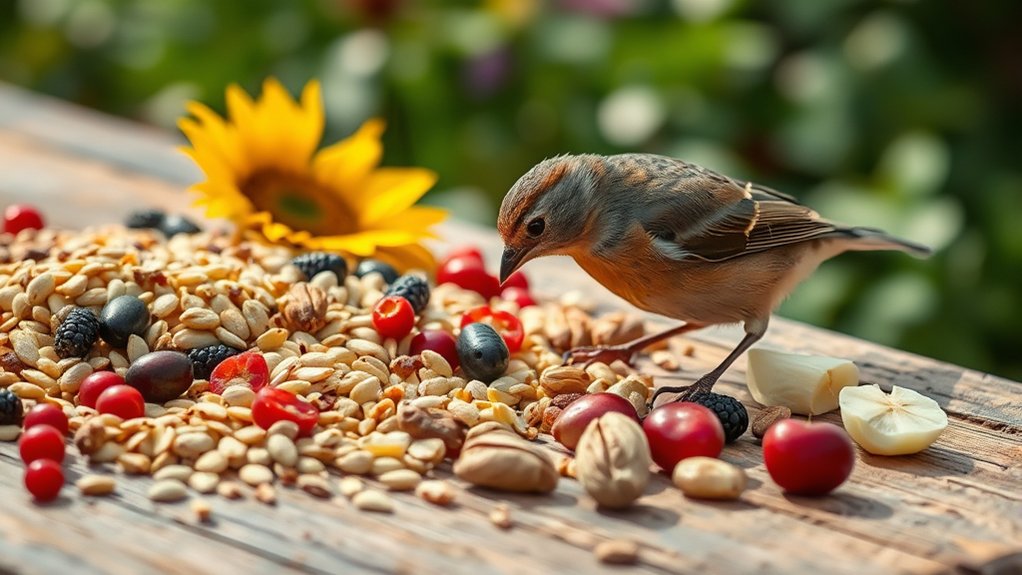
Mixing seeds like sunflower, millet, and safflower gives birds a rich source of protein, fats, and carbohydrates. This variety not only attracts more species but also supports their energy needs, especially during breeding or migration.
You should avoid fillers like cracked corn or cheap grains that offer little nutritional value. Instead, focus on high-quality, fresh seeds to keep birds coming back.
Also, consider seeds that provide essential vitamins and minerals, promoting feather health and immune strength. By selecting bird foods with both taste and nutrition in mind, you create a feeding station that benefits birds year-round, encouraging them to thrive in your backyard.
Fruits and Vegetables to Feed Wild Birds
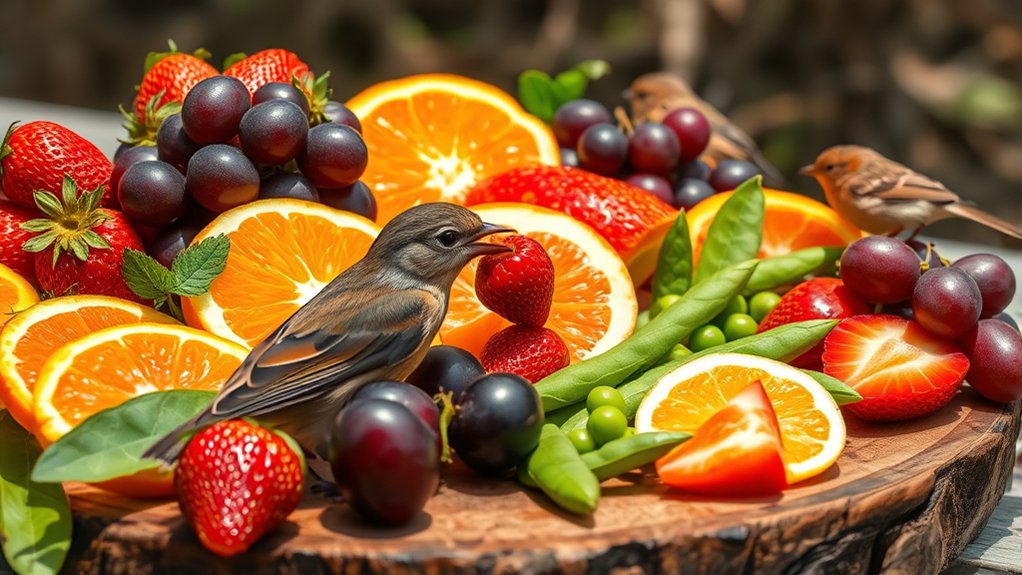
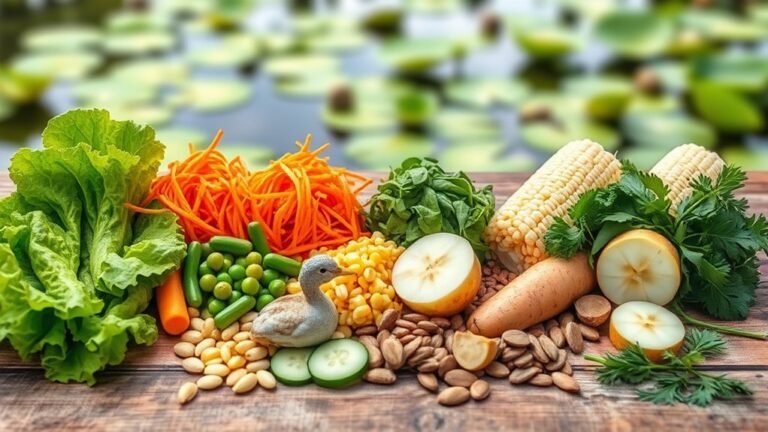
Because birds benefit from a varied diet, offering fruits and vegetables can be a great way to supplement their seed intake. You should focus on native plant varieties like berries, apples, and leafy greens, as these are naturally suited to the local birds’ nutritional needs.
Seasonal feeding strategies help you provide the right foods when birds need them most, like berries in fall or fresh greens in spring. Avoid feeding processed or sugary fruits, sticking instead to fresh, unsweetened options. Chop larger fruits and vegetables into bite-sized pieces to make them easier to eat.
Suet and Nuts to Feed Wild Birds
Although suet and nuts might seem like indulgent treats, they provide essential energy and nutrients that many wild birds need, especially during colder months. Suet, made from animal fat, is a high-calorie food that helps birds maintain their body heat.
You’ll find suet cakes mixed with insect attractants, which are perfect for drawing insect-eating species like woodpeckers and nuthatches.
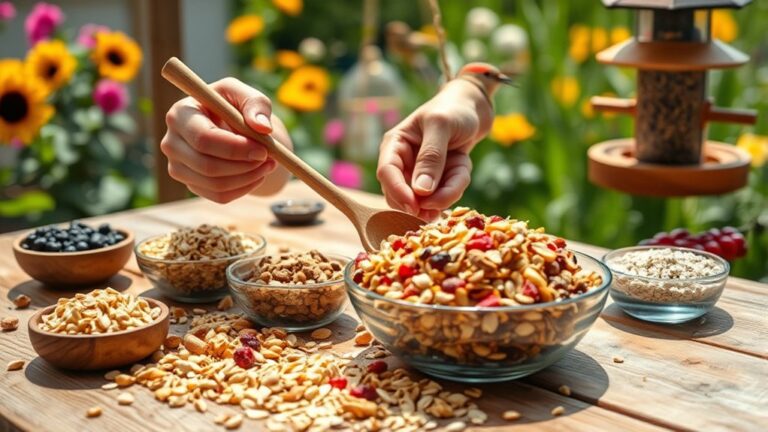
Nuts such as peanuts, walnuts, and almonds offer healthy fats and proteins that support birds’ energy levels. You can include chopped or whole nuts in your bird seed blends to appeal to a wider variety of species. Just make sure they’re unsalted and unseasoned.
Tips for Feeding Birds Safely and Keeping Them Healthy
When feeding birds, you need to prioritize their safety and health to guarantee they thrive while visiting your feeders. Proper bird feeder placement is key. Choose spots away from predators and harsh weather. Keep feeders clean to prevent disease. Adjust your feeding routine according to seasonal feeding considerations to meet birds’ changing nutritional needs.
Here are some essential tips:
- Place feeders at least 5 feet off the ground and near shrubs for quick shelter.
- Clean feeders every two weeks with a mild bleach solution to stop mold and bacteria buildup.
- Modify your feeding options seasonally, offering high-fat foods like suet in winter and fresh fruits in summer.
Frequently Asked Questions
Can Feeding Birds Affect Local Insect Populations?
Yes, feeding birds can affect local insect populations. When you provide diverse foods, you influence bird diet diversity, which may reduce their need to hunt insects. This can lead to a decrease in natural insect predation, potentially increasing insect populations.
On the other hand, if birds rely more on insects due to limited feeding options, their hunting may control insect numbers. So, your feeding choices directly impact insect population dynamics.
How Do Seasonal Changes Impact Bird Feeding Habits?
As leaves turn golden and fall, you’ll notice birds changing their habits. Seasonal diet shifts happen because their bodies prepare for colder months or migration patterns kick in. You’ll see them eating more high-energy seeds and berries to fuel long flights or survive winter.
In spring, they switch to protein-rich insects to raise chicks. Paying attention to these changes helps you provide the right food at the right time.
What Types of Bird Feeders Attract the Most Species?
You’ll attract the most species by using a variety of bird feeder styles, like tube feeders, platform feeders, and suet feeders. Each style appeals to different birds. Offering diverse seed types, such as black oil sunflower, nyjer, and millet, also draws a wider range.
Combining feeders and seeds guarantees you cater to finches, sparrows, and woodpeckers alike. Keep feeders clean and filled to keep those feathered visitors coming back regularly.
Is It Okay to Feed Birds Bread in Small Amounts?
Yes, you can feed birds bread in small amounts, but it’s not ideal for bird nutrition. Bread lacks essential nutrients birds need and can fill them up without providing real energy or vitamins.
Follow feeding guidelines by offering bread sparingly and only as an occasional treat. Instead, focus on seeds, nuts, fruits, and insects to support their health. Always avoid moldy bread, as it can harm birds.
How to Discourage Squirrels From Stealing Bird Food?
To discourage squirrels from stealing bird food, use squirrel-resistant feeders designed to block their access. You can also try natural deterrents like sprinkling cayenne pepper or placing spicy birdseed, which squirrels dislike but won’t harm birds.
Adding a baffle below your feeder or hanging it away from jump-off points helps too. Combining these methods makes it much harder for squirrels to get your bird food, so your feathered friends get their share.
Conclusion
Feeding birds can be as rewarding as watching a garden bloom in spring. By offering healthy, tasty options like fruits, vegetables, suet, and nuts, you’ll attract a vibrant variety of feathered friends year-round.
Just remember to keep their food fresh and clean to guarantee their safety. With these simple tips, you’ll create a welcoming haven where birds can thrive and brighten your days with their cheerful presence.
Incorporating what you feed birds into your routine makes a big difference in their health and happiness. So, choose the right foods and enjoy the lively company of your feathered visitors.