What Is Suet for Birds and How to Use It
If you love feeding birds but struggle to find the right food that keeps them coming back, you’re not alone. Many people want to provide nutritious, high-energy treats but aren’t sure what works best, especially during colder months. That’s where suet for birds comes in—a favorite among bird enthusiasts looking to support their feathered friends through fall and winter.
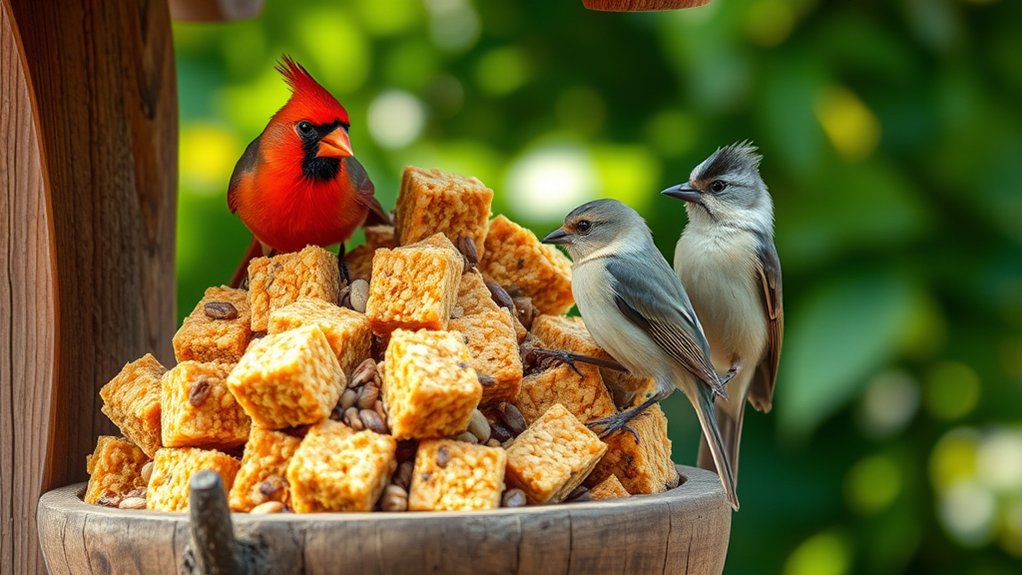
Suet for birds is a high-energy treat made from animal fat mixed with seeds, nuts, or fruits, perfect for fueling birds during cold months and migration. You’ll want to offer it in fall and winter, placing feeders near trees or shrubs for easy perch access.
Keep suet fresh by storing it cool and cleaning feeders regularly. Choosing the right type and feeder setup helps attract more species and keeps squirrels away. There’s plenty more to help you feed birds successfully.
Key Takeaways
- Suet is a high-energy bird food made from animal fat mixed with seeds, nuts, or fruits. It’s ideal for feeding birds in cold weather.
- It provides essential calories and nutrients that help support birds during winter and migration.
- Offer suet in fall and winter by using feeders placed near trees or shrubs. This makes it easier for birds to access the food.
- Choose suet blends that are tailored to attract specific bird species and meet their seasonal nutritional needs.
- Keep feeders clean by maintaining them regularly. Using squirrel-proof designs will help ensure safe and effective feeding.
What Is Suet and Why Do Birds Love It
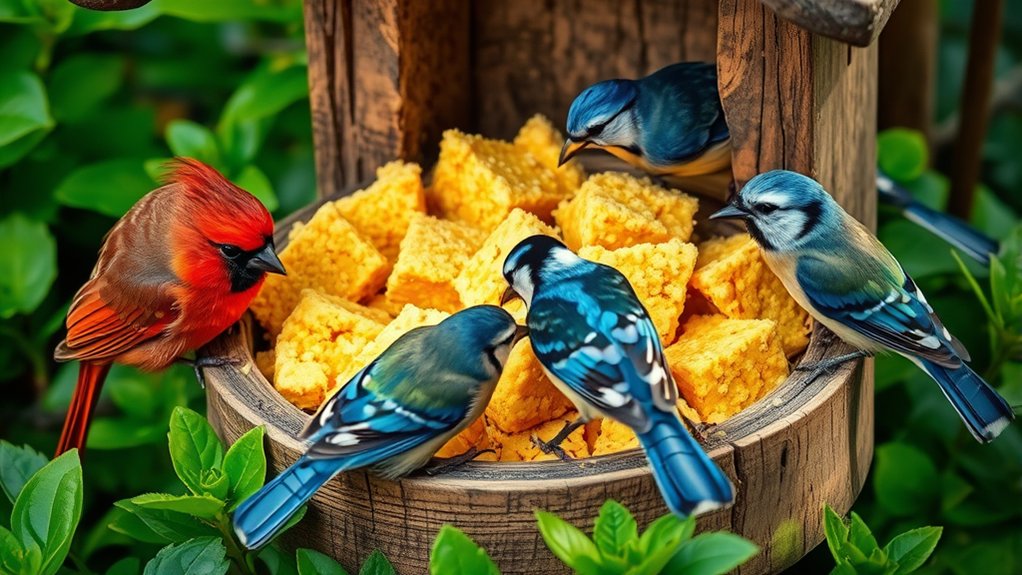
Although you might not have heard much about it, suet is a favorite treat for many birds, especially during colder months. Suet is a high-energy food made from animal fat, often mixed with seeds, nuts, or dried fruits.
Suet, a high-energy animal fat treat mixed with seeds, is beloved by birds in cold weather.
During bird migration, energy demands soar, and suet provides a quick, calorie-rich boost that helps birds fuel their long journeys. You’ll find suet in various flavorings, like peanut butter or berry blends, designed to attract different bird species.
These suet flavorings not only make the treat more appealing but also encourage birds to visit your feeders regularly. If you want to support local and migrating birds, offering suet is a smart choice.
It’s easy to use and especially valuable when natural food sources become scarce in winter. Suet’s high fat content keeps birds warm and energized, making it a crucial supplement during critical migration periods.
The Nutritional Benefits of Suet for Backyard Birds
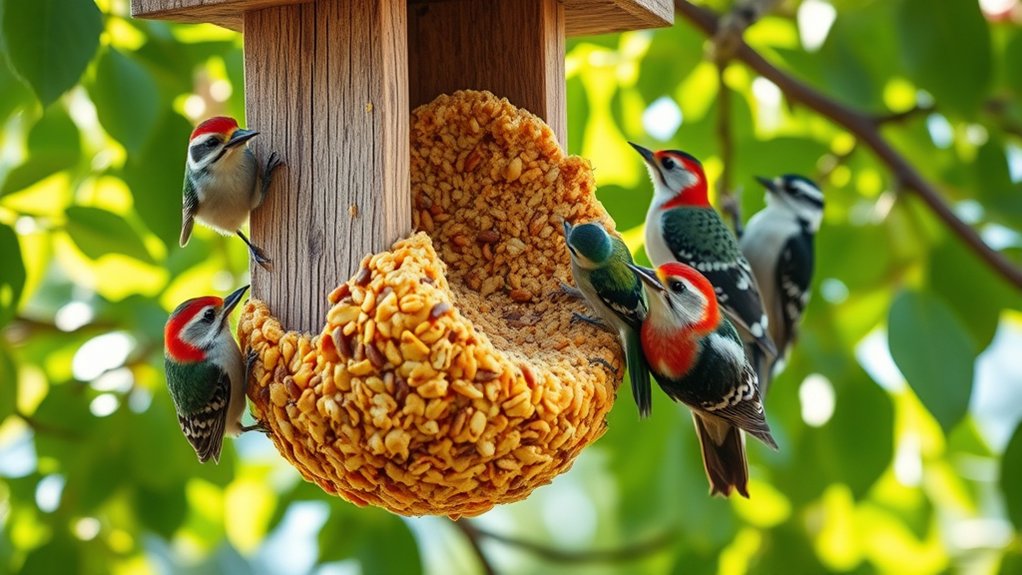
When you offer suet to backyard birds, you provide them with a concentrated source of energy essential for their survival, especially in colder weather. Suet’s high fat content fuels birds during chilly months and supports the intense energy demands of bird migration.
As these birds prepare for long journeys, they rely on calorie-dense foods like suet to build fat reserves. Beyond fat, suet often contains added seeds, nuts, and fruits, supplying vital proteins and nutrients that help maintain their health year-round.
To keep suet fresh and nutritious, proper storage is crucial. Store it in a cool, dry place or freeze it to preserve quality, preventing spoilage and loss of nutrients.
Birds That Are Attracted to Suet Feeders
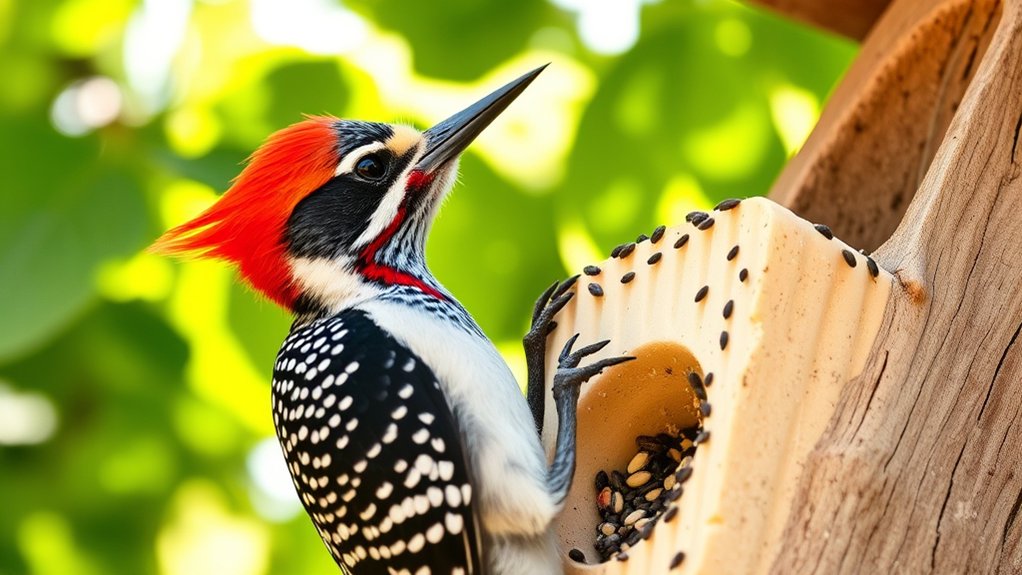
Which birds will flock to your suet feeder? Suet attracts a variety of birds, especially during colder months when they need extra energy for bird migration and nest building. You’ll often see woodpeckers, chickadees, and nuthatches taking advantage of suet’s high-fat content to fuel their activities.
Here’s a quick look at some common suet visitors:
| Bird Species | Reason for Attraction |
|---|---|
| Woodpeckers | High energy for migration |
| Chickadees | Supports nest building |
| Nuthatches | Provides essential winter calories |
Choosing the Best Suet for Your Backyard Birds
When you’re picking out suet for your backyard birds, it’s good to know there are different types to choose from. You’ve got plain suet cakes, but also ones mixed with seeds or fruits. Each kind brings its own special nutritional perks that can attract different bird species. So, by choosing the right suet, you’re helping keep your feathered visitors healthy and making sure they keep coming back for more.
Types Of Suet
Although suet might seem like a simple bird treat, choosing the right type can make a big difference in attracting and nourishing your backyard birds. You’ll find various suet flavors, from traditional beef fat to options mixed with seeds, nuts, or fruits that appeal to different bird species.
When selecting suet, pay attention to the suet packaging. It often indicates if the product is suitable for year-round use or just colder months. Some come in blocks, while others are pre-packaged in mesh bags or cakes, making feeding easier and less messy.
Nutritional Benefits
Selecting the right suet goes beyond flavor and packaging. It directly impacts the health and energy of your backyard birds. Suet provides high-fat content essential for birds, especially during migration when they need extra calories to fuel long journeys.
Choosing suet ingredient options that include seeds, nuts, and fruits can offer a balanced mix of proteins, fats, and vitamins. These nutrients help maintain body heat and support overall *vitality* in colder months. When you pick quality suet, you’re not just feeding birds—you’re helping them thrive.
Keep in mind that some suet blends cater to specific species. So, selecting the right formula *ensures* your feathered visitors get the nutrition they require during critical times like migration or harsh weather.
When Is the Best Time to Offer Suet to Birds?
You’ll find that offering suet during the colder months gives birds the extra energy they need to stay warm. It’s especially helpful on chilly, wet days when birds really benefit from this high-fat treat. So, paying attention to the weather can make a big difference. Timing your suet feeding just right can help your backyard birds thrive and stay healthy through the season.
Seasonal Feeding Benefits
Because birds need extra energy during colder months, offering suet is especially beneficial in fall and winter. During this time, many birds prepare for migration or adjust their nesting habits to survive the cold. Providing suet helps fuel their long journeys and supports their energy needs when natural food is scarce.
In early spring, as birds shift focus to nesting and raising young, suet continues to offer essential nutrients. You’ll notice increased activity at your feeder, as birds rely on high-fat suet to stay active and healthy.
Offering suet seasonally matches their natural cycles, ensuring you support local bird populations at critical times. This simple act improves their survival and encourages a vibrant, thriving bird community in your yard.
Weather Considerations
Although suet is beneficial year-round, weather plays a crucial role in determining the best time to offer it to birds. During colder months, suet provides essential energy to help birds stay warm, making late fall through early spring ideal for feeding.
You’ll notice that as bird migration patterns shift with changing climates, local species might rely on suet differently. In warmer seasons, many birds adapt their diets due to climate adaptation, reducing their need for high-fat foods like suet.
To support birds effectively, pay attention to local weather and migration timing. Offering suet when temperatures drop or during migration peaks ensures you meet their nutritional needs without attracting pests that thrive in warmer weather. This approach benefits both you and the birds you want to help.
Types of Suet Feeders and Tips for Using Them
When choosing suet feeders, it’s important to take into account the types of birds you want to attract and the feeder’s design. Cage-style feeders are popular because they hold suet cakes securely and allow birds like woodpeckers and nuthatches to cling easily. If you want to attract smaller birds, consider suet balls in mesh feeders.
You should also think about birdhouse placement. Position feeders near native plants to provide natural cover and food sources, enhancing the native plant benefits for your local ecosystem.
Hang feeders in shaded, sheltered spots to keep suet from melting quickly, and clean feeders regularly to prevent mold and disease. Using squirrel-proof designs or baffles can help keep critters away from your suet, ensuring birds get the treat.
How to Make Your Own Suet Cakes at Home
If you want to attract a variety of birds while controlling the ingredients, making your own suet cakes at home is a rewarding option. Start with melted suet or beef fat as the base, then mix in bird-friendly ingredients like oats, cornmeal, and seeds.
You can customize suet ingredient variations by adding dried fruits or nuts, which help provide energy during bird migration. Use a simple mold, such as a small loaf pan or silicone molds, to shape the cakes.
Pour the mixture in and refrigerate until firm. Homemade suet cakes allow you to avoid additives and tailor the recipe to local bird preferences. It’s a great way to feed birds naturally and keep them coming back.
Placing and Maintaining Suet Feeders for Success
To attract the most birds, you’ll want to place your suet feeders in safe, visible locations that offer easy access. Hang feeders near trees or shrubs where birds can quickly perch and retreat if threatened. Avoid spots with heavy human traffic or predators like cats.
Consider local bird nesting habits; placing feeders too close to nests may disturb breeding birds, so keep a respectful distance. Also, take migratory patterns into account. Adjust feeder placement seasonally to match where different species are likely to stop by.
Maintain your suet feeders by regularly cleaning them to prevent mold and bacteria buildup, which can harm birds. Replace suet cakes before they spoil, especially in warm weather. Check feeders often to ensure they’re secure and accessible.
Troubleshooting Common Suet Feeder Problems
You’ll want to keep your suet feeder clean and well-maintained to attract healthy birds and prevent mold buildup. It’s pretty important to make sure everything stays fresh. Now, if squirrels keep raiding your feeder, don’t worry—there are some smart ways to deter them without harming the birds. So, let’s take a look at how to tackle these common suet feeder issues effectively.
Suet Feeder Maintenance
Why does your suet feeder sometimes attract fewer birds or become a nuisance? It often comes down to cleanliness and maintenance. Just like birdhouse cleaning, you need to regularly clean your suet feeder to prevent old suet buildup, mold, or bacteria that can deter birds.
Remove any leftover suet and wash the feeder with warm, soapy water, then rinse well. Also, check for nesting materials like sticks or leaves stuck inside or nearby, which can block access or harbor pests. Make sure to replace suet before it spoils, especially in warmer weather.
Keeping the feeder clean and free from debris ensures healthy feeding and invites more birds to visit your yard consistently. Maintenance is key to enjoying a lively, feathered crowd.
Preventing Squirrel Intrusion
Although squirrels are clever and persistent, you can take effective steps to keep them from raiding your suet feeder. Start by choosing squirrel-proof feeders designed with cages or weight-activated mechanisms that close access when squirrels climb on.
Position your feeder away from trees or structures squirrels use to jump. Adjusting suet ingredient variations can also help; some blends with hot peppers deter squirrels while still attracting birds.
During bird migration seasons, when food is scarce, squirrels get bolder, so extra vigilance is needed. Regularly clean your feeder to remove spills that attract squirrels.
You might also install baffles below feeders to block climbing attempts. By combining these strategies, you protect your suet from squirrels and safeguard birds’ access to the nutritious treat they rely on.
Feeding Suet Year-Round: Tips for Supporting Local Birds
How can feeding suet throughout the year benefit your local bird population? Providing suet during all seasons supports birds during bird migration when they need extra energy and nest building when females require protein-rich food. Even in warmer months, suet attracts insect-eaters and helps fledglings grow strong.
To feed suet year-round effectively, change the type of suet depending on the season and keep feeders clean. Use suet cages designed to minimize squirrel intrusion so birds get the food they need safely.
| Season | Suet Type | Benefits |
|---|---|---|
| Winter | High-fat suet | Energy for cold survival |
| Spring | Suet with seeds | Supports nest building |
| Summer | Suet with insects | Nourishes growing fledglings |
| Fall | Nutty suet | Preps birds for migration |
| All year | Fresh, clean suet | Consistent energy source |
Frequently Asked Questions
Can Suet Attract Unwanted Wildlife Like Squirrels or Raccoons?
Yes, suet can attract unwanted wildlife like squirrels and raccoons. To keep them away, you’ll want to use squirrel deterrent techniques, such as installing baffles or using spicy suet varieties.
For raccoons, invest in raccoon-proof feeders that close securely or hang feeders in tricky spots they can’t reach. These methods help guarantee only birds enjoy the suet, keeping your feeding area clean and wildlife-friendly.
Is Suet Safe for Birds With Dietary Restrictions?
You might worry about bird diet compatibility, but suet is generally safe for most birds unless they have specific allergies. If you’re concerned about suet allergy concerns, choose suet blends without nuts or seeds that could trigger reactions.
Always observe your birds and switch foods if you notice any issues. By doing this, you can enjoy feeding birds without compromising their health or ignoring their dietary needs.
How Do Weather Conditions Affect Suet Quality?
Weather impact can quickly affect suet quality, especially in warm or wet conditions. When it’s hot, suet can melt and spoil, attracting unwanted bacteria or insects.
Rain and humidity also cause suet to become soggy, reducing its preservation and making it less appealing to birds.
To maintain suet preservation, you should place it in shaded, sheltered feeders and replace it regularly during extreme weather to keep it fresh and safe for your feathered friends.
Can Suet Cause Any Health Issues in Birds?
Back in the days of knights and castles, you’d want to be careful with suet because it can cause bird health issues if used improperly. You shouldn’t rely on it exclusively, as it might disrupt birds’ nutritional balance.
Too much suet can lead to obesity or attract pests carrying diseases. So, you need to offer it in moderation alongside a varied diet to keep your feathered friends healthy and thriving.
What Are Alternative Fats to Suet for Bird Feeding?
You can use alternative oils like coconut oil, peanut oil, or vegetable shortening as bird-friendly fats instead of suet. These oils provide essential energy and help keep birds warm.
For seed substitutes, try offering nuts, sunflower seeds, or mixed seed blends, which attract a variety of birds. Just make sure any fats or seeds you choose are fresh and free from additives to keep your feathered friends healthy and happy.
Conclusion
By offering suet, you’re giving birds a little gift that keeps on giving, nourishing their spirits and filling their bellies with warmth. Whether it’s the chill of winter or the quiet of summer, suet quietly supports your feathered friends when they need it most.
So, go ahead and make your backyard a cozy retreat. With suet, you’re not just feeding birds, you’re inviting a touch of nature’s kindness into your life. Suet for birds truly brings warmth and care to your outdoor space.