10 Foods Wild Birds Like to Eat
If you’ve ever tried to attract wild birds to your backyard but ended up feeling frustrated by empty feeders or just a few visitors, you’re not alone. Many people struggle with knowing what foods will really draw in a variety of feathered friends.
The good news is, understanding which foods wild birds like to eat can make all the difference in turning your outdoor space into a lively bird haven.
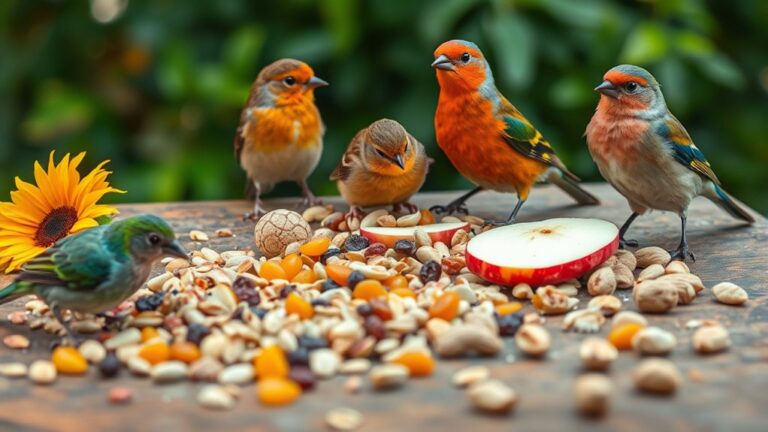
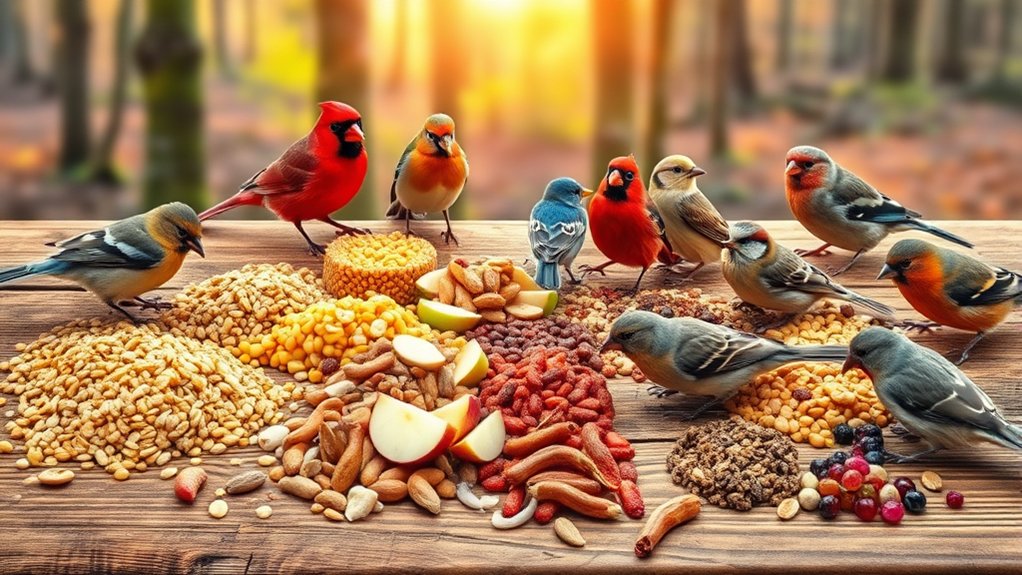
You’ll attract wild birds by offering sunflower seeds, nyjer, millet, suet, fruits like apples and berries, cracked corn, nectar for hummingbirds, peanuts, insects such as mealworms, and mixed seeds tailored to their needs.
These foods provide the energy and nutrients birds need year-round for migration, nesting, and survival.
By varying what you offer and placing feeders strategically, you’ll encourage diverse bird activity and support their natural behaviors.
Learn how each food plays a unique role in attracting different species.
Key Takeaways
- Sunflower seeds attract many wild birds and provide essential energy, especially during migration and winter.
- Nyjer seeds are favored by finches and sparrows and require specialized feeders for best results.
- Suet offers high-energy fats vital in winter. It attracts woodpeckers, chickadees, and nuthatches.
- Mealworms and other insects supply protein and support insectivorous birds and young during breeding seasons.
- Fruits like apples and berries attract various species and provide natural nutrients and energy boosts.
Sunflower Seeds for a Wide Variety of Wild Birds
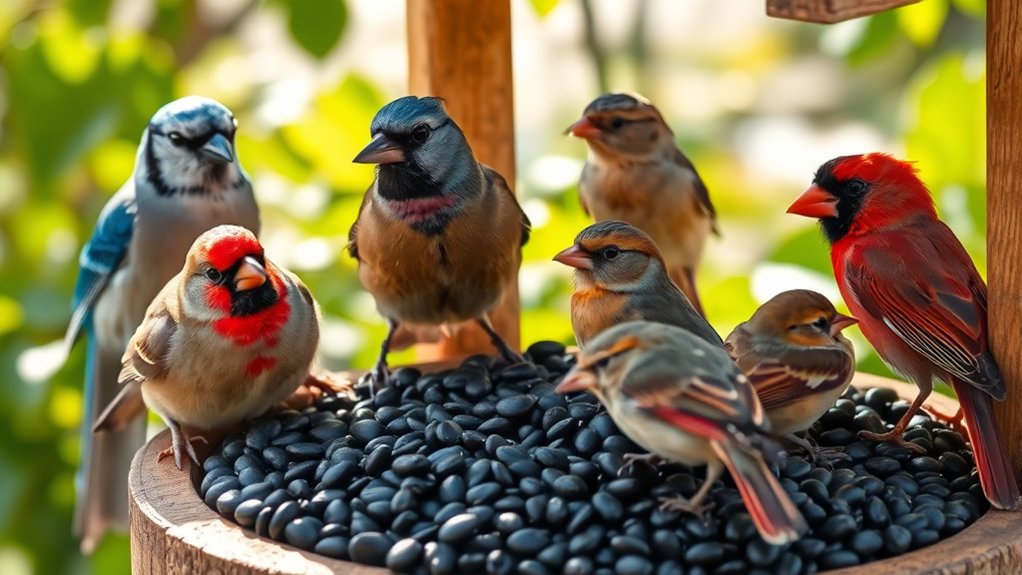
Although many bird foods are available, sunflower seeds stand out because they attract a wide variety of wild birds. When you scatter sunflower seeds, you’ll notice birds from different species visiting your yard, especially during bird migration seasons.
Sunflower seeds attract diverse wild birds, especially during migration, bringing vibrant activity to your yard.
These seeds provide essential energy needed for long journeys, making them a favorite stopover food. You’ll also find that sunflower seeds support local birds’ nesting habits.
During breeding season, birds rely on high-protein foods like these to build strength and nourish their young. Whether you’re watching cardinals, chickadees, or nuthatches, you’ll see them enthusiastically feeding on sunflower seeds.
Offering these seeds helps you support both migratory and resident birds by providing a reliable food source that fits their nutritional needs. By including sunflower seeds in your feeding routine, you create a welcoming environment that encourages diverse bird activity throughout the year.
It’s a simple way to connect with nature while aiding birds in critical life stages.
Nyjer Seeds to Attract Finches and Sparrows
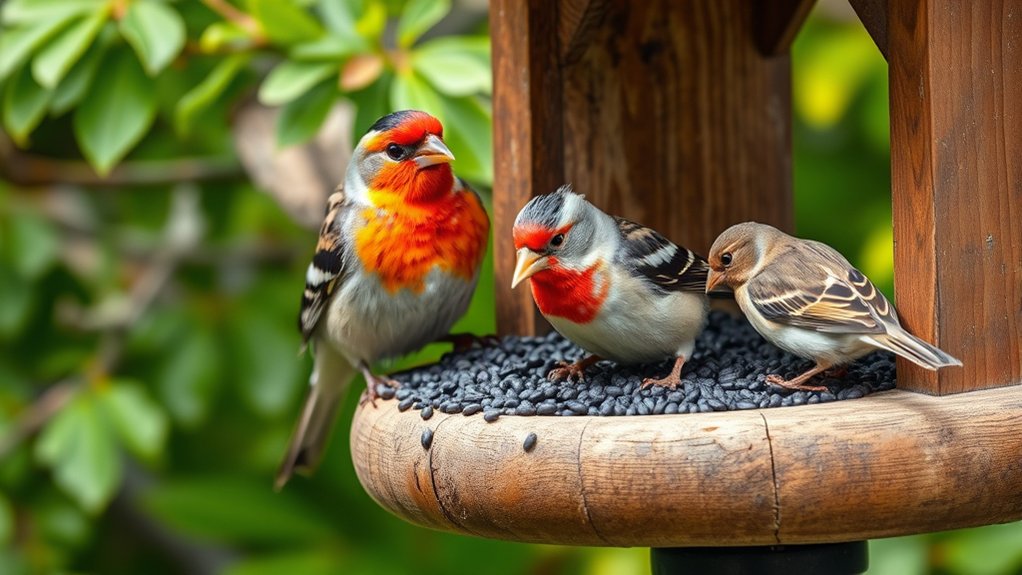
If you want to attract colorful finches and lively sparrows, offering nyjer seeds is a great choice. These tiny, oil-rich seeds are especially popular among goldfinches, siskins, and redpolls. Because nyjer seeds are small and require special feeders, they help create a focused wild bird habitat in your yard, attracting the species that thrive on them.
Nyjer seeds also align well with bird migration patterns. As finches move through different regions, providing these seeds offers a reliable food source that supports their energy needs during long flights. Sparrows, too, benefit from nyjer, especially in colder months when other food is scarce.
To attract these birds, use feeders designed to hold nyjer seeds, and place them in quiet, sheltered spots. By doing this, you’ll support local wild bird habitat and enjoy watching a vibrant mix of finches and sparrows visit your garden throughout the year.
How to Feed Peanuts Safely to Wild Birds
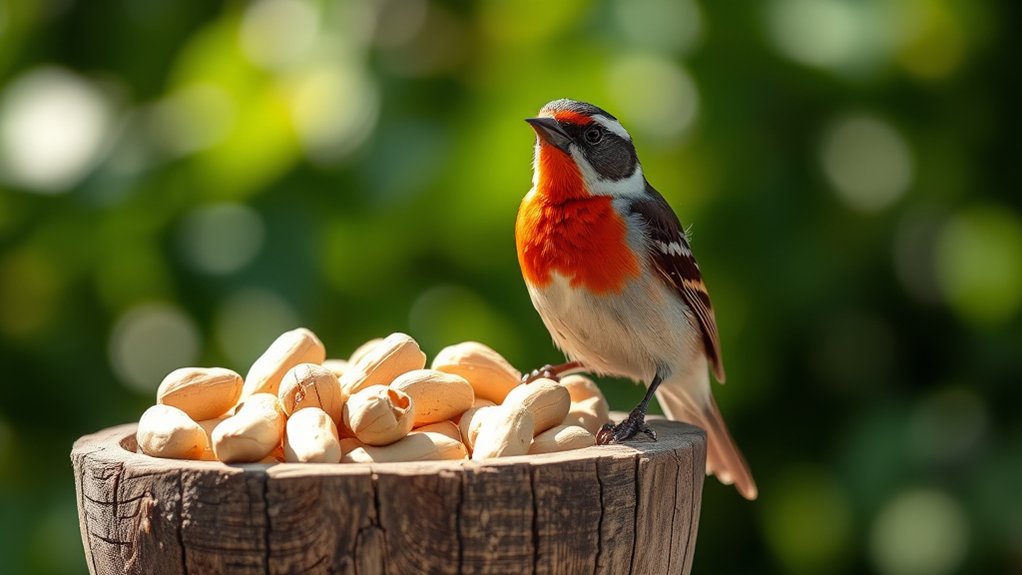
If you want to feed peanuts safely to wild birds, it’s important to prepare them the right way. Make sure the peanuts are unsalted and completely free of shells.
You should also put the peanuts in a clean feeder. This helps prevent mold and keeps the peanuts fresh, which is better for the birds.
Preparing Peanuts Properly
When feeding peanuts to wild birds, you’ll want to make sure they’re prepared safely to avoid harm. Start by evaluating whether to offer peanuts in the shell or shelled. If you choose shelled peanuts, proper peanut shell removal is essential to prevent birds from choking or ingesting harmful debris.
Always inspect the peanuts for mold, as moldy peanuts can be toxic. Once you’ve selected fresh peanuts, store them in a cool, dry place following peanut storage tips to maintain freshness and prevent mold growth. Avoid storing peanuts in humid or warm environments.
Safe Feeding Practices
Properly preparing peanuts sets the foundation, but feeding them safely guarantees wild birds can enjoy them without risk. Always offer unsalted, shelled peanuts to avoid harmful additives.
Keep your feeding area clean by regularly removing old peanuts and debris. This helps prevent the spread of disease and maintains a healthy bird habitat.
Limit feeding frequency to once or twice daily to avoid dependency and encourage natural foraging behaviors. Use feeders designed to minimize mold growth and moisture buildup, as damp peanuts can be toxic.
Place feeders away from high-traffic areas to reduce stress on birds and deter predators. By following these safe feeding practices, you’ll create a welcoming, safe environment that supports wild birds’ health and well-being while enhancing your enjoyment of their visits.
Suet: A High-Energy Winter Treat for Wild Birds
Although suet may seem unusual, you’ll find that wild birds flock to this high-energy treat, especially during cold winter months. Suet provides essential fats and calories that help birds survive harsh weather, especially when natural food becomes scarce.
It supports their energy needs during bird migration and helps maintain healthy nesting habitats as they prepare for spring.
You can offer suet in blocks or feeders, attracting woodpeckers, chickadees, nuthatches, and more. Here’s a quick guide to popular suet-eaters and why they love it:
| Bird Species | Why They Like Suet |
|---|---|
| Woodpecker | High energy for drumming and flight |
| Chickadee | Helps survive cold nights |
| Nuthatch | Supports active foraging |
| Titmouse | Provides fat for insulation |
Try offering suet in a safe spot, away from predators, and watch your backyard visitors thrive during winter.
Fruits That Attract Wild Birds: Apples and Berries
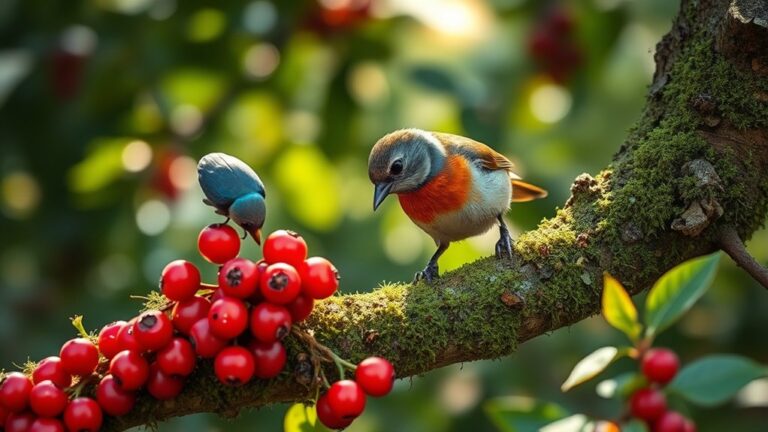
Since many wild birds rely on natural fruit sources, offering apples and berries in your yard can attract a variety of species. During bird migration, these fruits serve as crucial energy boosters, helping birds fuel their long journeys.
You’ll notice robins, cedar waxwings, and thrushes frequently visiting for juicy berries, while woodpeckers and titmice often peck at apples left out for them.
Providing fresh apples and a mix of berries like blueberries, blackberries, or elderberries supports the birds’ natural nesting habits by offering essential nutrients. These fruits help birds build strength and maintain health during breeding seasons.
You can simply slice apples or scatter berries on platforms or in feeders to entice them.
Mealworms and Insects: Protein-Rich Foods Wild Birds Love
If you want to give your backyard birds a healthy boost, mealworms and insects are fantastic protein-packed options. Different birds like different kinds of edible insects, so mixing things up can attract a wider variety of species.
Nutritional Benefits of Mealworms
When you offer mealworms to wild birds, you’re providing them with a nutrient-packed treat that supports their health and energy. Mealworms are rich in protein, essential fats, and vitamins that are *indispensable* during bird migration when energy demands soar. These nutrients help birds fuel their long flights and maintain muscle strength.
*Furthermore*, mealworms contribute to successful nest building by supplying the proteins and amino acids needed for feather growth and overall development. By including mealworms in their diet, you’re helping birds recover from the rigors of migration and prepare for breeding season.
This natural, protein-rich food supports their immune system and boosts vitality, making mealworms an excellent choice to attract and nourish a variety of wild birds throughout the year.
Types of Edible Insects
Although mealworms are among the most popular edible insects for wild birds, many other insects also provide essential protein and nutrients that birds crave. Thanks to insect farming, you can access a variety of nutritious options to feed your feathered friends.
Experimenting with edible insect recipes lets you offer a balanced diet that supports bird health and energy.
Here are some great edible insects to contemplate:
- Crickets: rich in protein and easy to find
- Waxworms: high-fat treats birds enjoy
- Black soldier fly larvae: nutrient-dense and sustainable
- Grasshoppers: natural and protein-packed
- Silkworm pupae: loved by many wild birds
Including these insects broadens your bird feeding and boosts their nutrition naturally.
Attracting Birds With Protein
Since wild birds need plenty of protein to stay healthy and energetic, offering mealworms and other insects is a great way to attract them to your yard. These protein-rich foods support birds during critical times like bird migration, when they require extra fuel for long journeys.
You’ll notice that many species also depend on insects to feed their young, as protein is essential for proper growth during nesting habits. By providing mealworms in a shallow dish or specialized feeder, you can draw a variety of birds, including wrens, bluebirds, and chickadees, who actively seek out these nutritious treats.
Including insects in your feeding routine not only helps birds thrive but also encourages natural behaviors tied to their survival and reproduction.
Why Ground-Feeding Birds Love Millet
Because millet is small, lightweight, and easy to handle, ground-feeding birds find it especially appealing. When you scatter millet on the ground, it creates an inviting ground cover that encourages birds to forage comfortably. This not only attracts more birds but helps with natural seed dispersal, supporting local plant growth.
Here’s why ground-feeding birds love millet:
- Easy to pick up: Its small size fits perfectly in their beaks.
- High energy: Millet provides quick fuel for active birds.
- Minimal waste: Birds can consume almost every seed.
- Safe feeding: Millet rarely attracts pests like rats.
- Encourages natural behavior: Birds enjoy searching through ground cover.
Cracked Corn to Bring in Larger Wild Birds
If you want to attract larger wild birds, cracked corn is a reliable choice that offers plenty of appeal. Birds like jays, doves, and wild turkeys are drawn to this hearty food, especially during migration seasons when energy demands soar. Offering cracked corn supports their bird migration patterns by providing a high-energy fuel source essential for long journeys.
Place cracked corn on the ground or in large feeders to accommodate these bigger visitors. You’ll notice more activity around your yard as they flock in. Plus, feeding cracked corn can indirectly aid nesting habitat preservation by reducing the need for birds to forage in less safe areas. This helps them conserve energy for breeding and raising young.
Just remember to provide fresh water nearby to encourage a healthy environment. By including cracked corn in your bird feeding routine, you’re helping sustain larger wild birds through critical periods while enjoying their presence up close.
Nectar for Hummingbirds and Orioles: A Sweet Wild Bird Treat
If you want to attract hummingbirds and orioles, offering the right nectar mix is key. Usually, a simple sugar-water solution without any additives works best.
Picking the best flowers, like trumpet vine or bee balm, can also help draw these beautiful birds in naturally.
Don’t forget to refill your feeders regularly. And it’s a good idea to time your offerings to when the birds are most active and feeding for the best results.
Nectar Composition Essentials
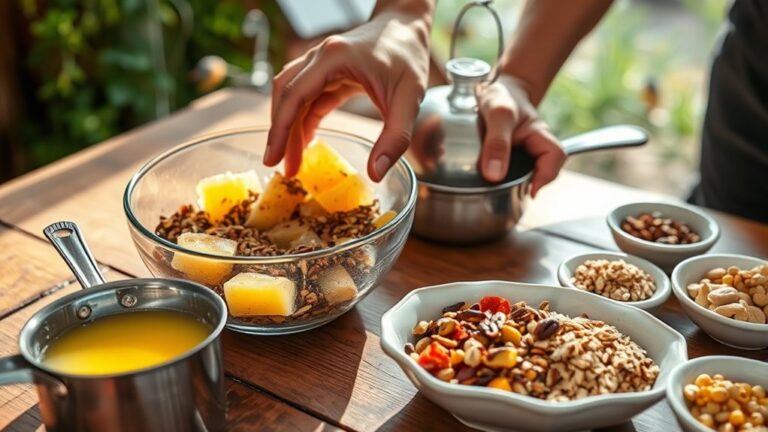
When you prepare nectar for hummingbirds and orioles, getting the sugar-to-water ratio right is essential to attract these delicate birds and keep them healthy. A simple 1:4 ratio of white granulated sugar to water mimics natural nectar, ensuring ideal energy without harm.
Avoid honey or artificial sweeteners, as they can be unsafe. Clean feeders regularly to prevent mold and bacteria growth. Incorporating nectar feeding into your pollinator gardening efforts supports native plant preservation and boosts local ecosystems.
Keep these tips in mind:
- Use only white granulated sugar.
- Boil water, then cool before mixing.
- Never add red dye; it’s harmful.
- Change nectar every 3-5 days.
- Keep feeders clean and dry.
This approach helps you provide a sweet, safe treat that wild birds truly enjoy.
Best Flower Sources
Since hummingbirds and orioles rely heavily on nectar, choosing the right flowers can make your garden a favorite stop for these vibrant birds. Native plants like trumpet vine, bee balm, and columbine thrive in wild bird habitats and produce nectar-rich blooms that attract them.
You’ll want to select flowers with tubular shapes, as they suit the birds’ feeding style perfectly. Considering migratory patterns helps too; planting species that bloom during migration seasons guarantees a steady food source as these birds travel.
Bright colors like red, orange, and yellow naturally draw hummingbirds and orioles in. By incorporating these flowers, you create a welcoming environment that supports their energy needs and encourages repeat visits throughout the year.
Feeding Tips and Timing
Although nectar is a vital energy source for hummingbirds and orioles, feeding them properly requires attention to timing and preparation. You’ll want to align feeding with their bird migration patterns and nesting habits to support their energy needs effectively.
Here are some tips to keep in mind:
- Start offering nectar when you notice the first local hummingbirds or orioles arriving in spring.
- Keep feeders clean and fresh; change nectar every 2-3 days to prevent mold.
- Avoid using red dye; natural sugar water works best.
- Reduce feeding once migration ends or nesting slows down.
- Place feeders near flowers to mimic natural feeding spots.
Mixing Seeds to Attract Different Wild Bird Species
To attract a variety of wild bird species, you’ll want to mix different types of seeds in your feeder. Different birds prefer different seeds depending on their dietary needs, which often change with bird migration patterns and nesting site selection. For example, sunflower seeds attract cardinals and chickadees, while millet appeals to ground feeders like sparrows and doves. By combining these seeds, you create a buffet that caters to a broad range of birds passing through or settling nearby.
Keep in mind the timing of bird migration. Adjust your seed mix seasonally to match the species likely to visit. In spring, include more protein-rich seeds to support nesting site selection and chick rearing. During fall and winter, high-fat seeds help birds build energy reserves. Mixing seeds thoughtfully not only invites diversity but supports birds’ survival and breeding success throughout the year.
Frequently Asked Questions
How Often Should I Clean My Bird Feeders?
You should clean your bird feeders at least once every two weeks to keep them safe and inviting. During wet seasons or heavy use, increase cleaning frequency to once a week.
Use warm, soapy water and a brush to remove mold, old seeds, and debris. Rinse thoroughly and dry completely before refilling. Following these bird feeder tips helps prevent disease and encourages healthy visits from your feathered friends.
Can Feeding Wild Birds Affect Local Ecosystems?
Yes, feeding wild birds can impact native species by attracting non-native birds that compete for resources. You might unintentionally cause an imbalance in the local ecosystem.
Also, feeding can disrupt natural behaviors, making birds rely on human-provided food instead of foraging. To minimize these effects, you should offer appropriate foods, keep feeders clean, and avoid overfeeding.
This way, you help support birds without harming their natural habits or the ecosystem.
What Time of Year Is Best to Feed Wild Birds?
The best time for seasonal feeding is during colder months when natural food is scarce. You’ll want to focus on late fall through early spring, as many birds struggle to find enough nourishment.
Pay attention to migration patterns too. Feeding during migration can help tired birds refuel. Just avoid overfeeding in warmer months to prevent dependency.
How Do I Prevent Squirrels From Stealing Bird Food?
You might notice squirrels often show up just as you fill your feeder. Coincidence? To stop them, use squirrel deterrents like baffles or weight-sensitive feeders that close under their weight.
Also, think about bird feeder placement. Hang feeders at least 10 feet from jump points like trees or roofs. These tactics work together, letting you enjoy watching birds without squirrels stealing the show or the food.
Are There Foods That Are Harmful to Wild Birds?
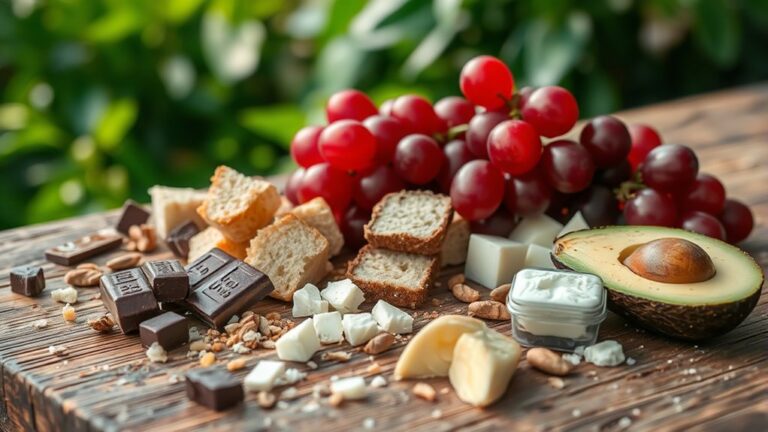
Yes, you should avoid feeding wild birds toxic seeds like raw kidney beans or avocado pits, as they can harm or even kill them. Also, stay away from bird food with harmful additives, such as salt or artificial colors, which can cause health problems.
Stick to natural, untreated seeds and grains to keep birds safe and healthy. Always double-check ingredients before offering food to make certain you’re not accidentally feeding them something dangerous.
Conclusion
You might think feeding wild birds is simple, but it turns out, the right mix of sunflower seeds, nyjer, peanuts, and even suet can bring an amazing variety right to your backyard. Funny enough, the same foods that attract finches also draw in larger birds like jays and doves.
So, by mixing seeds and treats, you’ll not only enjoy watching different species but also help them thrive. Making your feeder a wild bird hotspot is easier than you think when you know the best foods wild birds like to eat.