How to Maintain a Garden in 5 Steps
Maintaining a garden can feel overwhelming, especially when you’re not sure where to start or how to keep everything thriving. You’re not alone—many people struggle with keeping their gardens healthy and beautiful throughout the seasons.
But with a few simple steps, you can take control and enjoy the rewards of a flourishing garden.
Maintain a garden by following five simple steps.
First, walk it weekly, tidy edges, and check soil so you can spot problems early.
Second, water deeply and consistently at the root zone.
Third, pull weeds, mulch, and watch for pests.
Fourth, prune dead or crowded growth and deadhead flowers.
Fifth, feed the soil with compost or fertilizer and refresh mulch as needed.
Keep going, and you’ll pick up even more ways to help your garden thrive.
Key Takeaways
- Create a regular maintenance routine for weeding, pruning, cleaning, and seasonal garden checks. This helps keep your garden in top shape all year round.
- Water deeply and consistently, focusing on the root zone. Adjust the amount based on the weather to make sure your plants stay healthy.
- Remove weeds promptly and keep an eye out for pests. Using mulch and hand removal can be really effective when you need it.
- Prune dead, damaged, or crowded growth. Don’t forget to deadhead flowers to encourage healthier growth and more blooms.
- Mulch and feed the soil regularly with compost or fertilizer. This helps retain moisture and restores essential nutrients for your plants.
Create a Garden Maintenance Routine
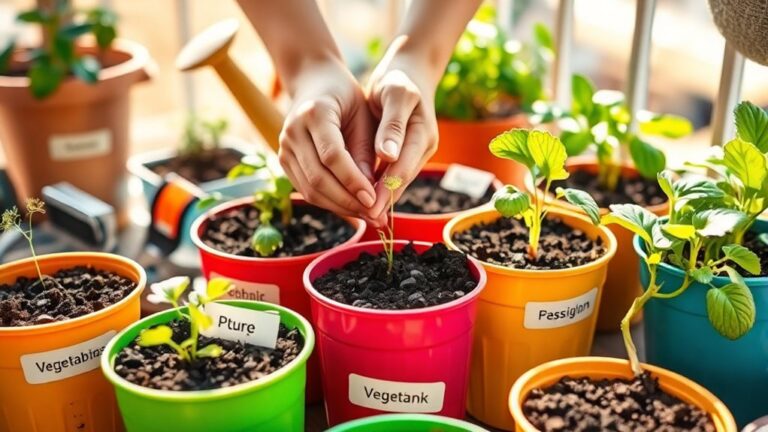
To keep your garden healthy, create a simple maintenance routine you can follow each week. Start by walking through your beds and noting weeds, pests, damaged leaves, and bare spots. Trim dead growth, tidy edges, and harvest ready produce so plants can focus on new growth.
Add soil testing to your schedule a few times a year so you know when to adjust nutrients or pH. Use those results to guide compost, mulch, or fertilizer choices.
Test your soil a few times a year to guide nutrients, compost, mulch, and fertilizer choices.
Keep a checklist for planting, pruning, and cleanup tasks, and update it as your garden changes. Make seasonal adjustments, too, because spring, summer, fall, and winter each demand different care. You’ll stay organized, prevent small problems from spreading, and give every plant the attention it needs.
When you work on a regular rhythm, you’ll spend less time fixing mistakes and more time enjoying healthy, thriving growth.
Water Plants Deeply and Consistently
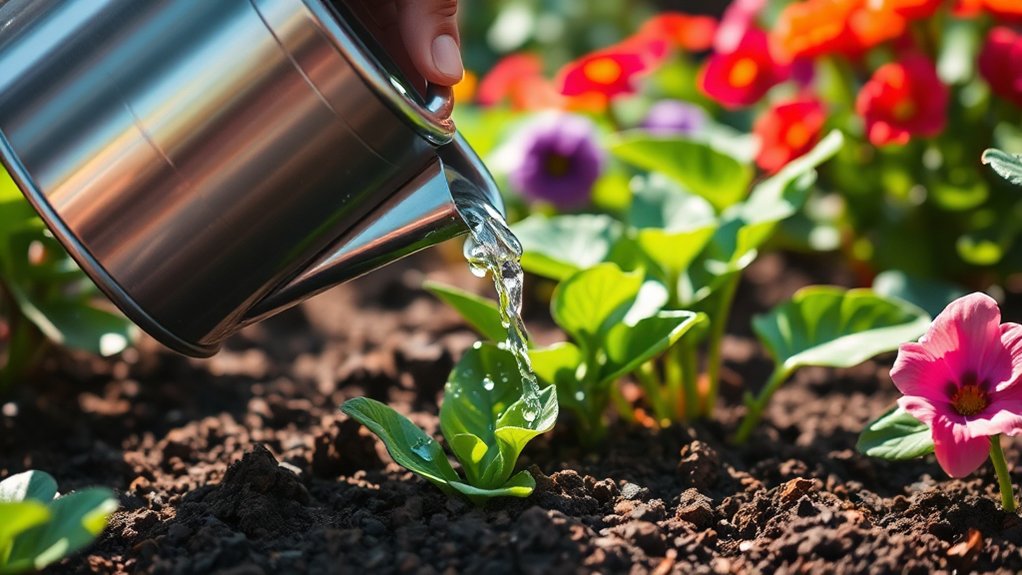
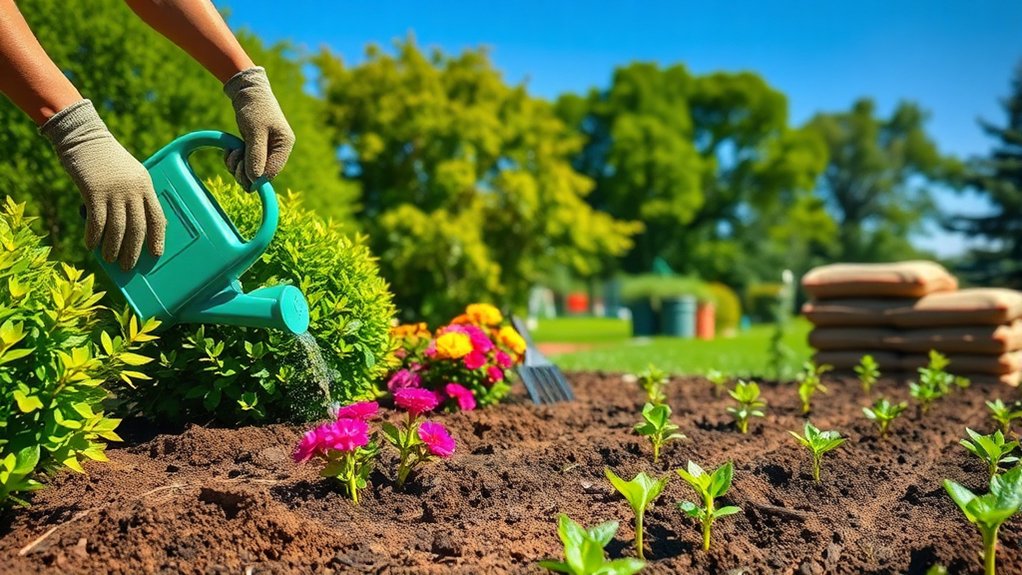
Watering deeply and consistently helps roots grow stronger and makes plants more resilient in hot, dry weather. You should soak the soil slowly so water reaches below the surface instead of evaporating quickly.
Aim for the root zone, not the leaves, and give each plant a thorough drink on a steady schedule. When you use drip irrigation, you can deliver water right where it’s needed and reduce waste.
Check soil moisture with your finger or a simple meter before watering again; if the top few inches feel dry, it’s time to water. Early morning works best because cooler air lets water sink in before the sun pulls it away.
Adjust your routine after rain, heat, or windy days, since conditions change fast. Consistent watering keeps plants from wilting and helps them grow with less stress throughout the season.
Remove Weeds and Watch for Pests
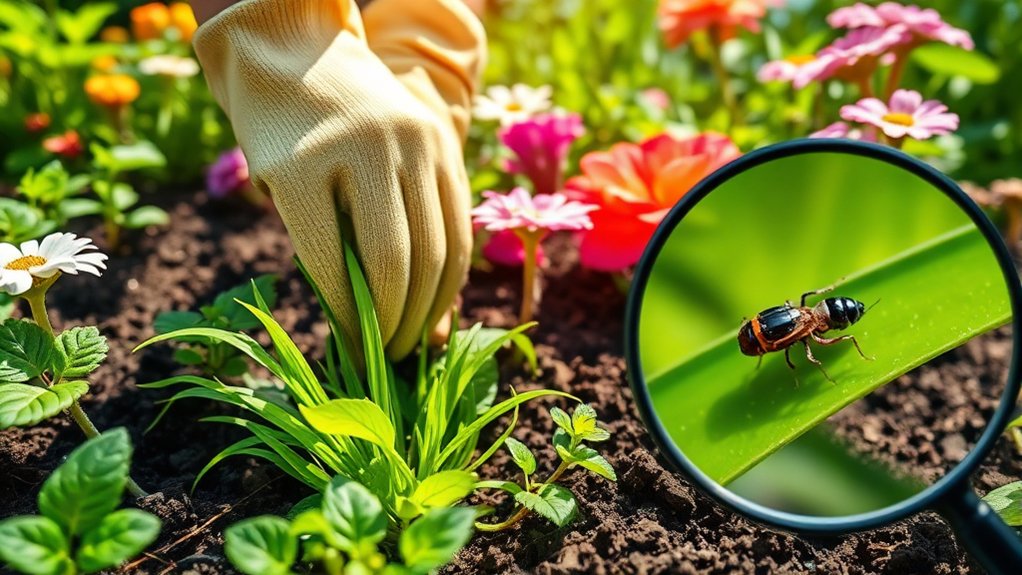
Once your watering routine is set, keep an eye on weeds and pests so they don’t steal water, nutrients, or sunlight from your plants. Pull weeds when the soil is damp, and grasp them at the base so roots come out cleanly.
Use mulching, shallow hoeing, and hand-pulling as part of your weeding techniques, and check beds often so small weeds don’t spread. Around vegetables and flowers, keep pathways clear and remove any volunteer plants that crowd your rows.
For pest prevention, inspect leaves, stems, and soil for holes, sticky residue, eggs, or chewed edges. You can knock off small insects with a strong spray of water or remove them by hand before they multiply.
Encourage beneficial insects by avoiding unnecessary chemicals, and rotate crops when you can to interrupt pest cycles. With regular attention, you’ll protect your garden and help every plant stay healthy.
Prune and Deadhead Spent Growth
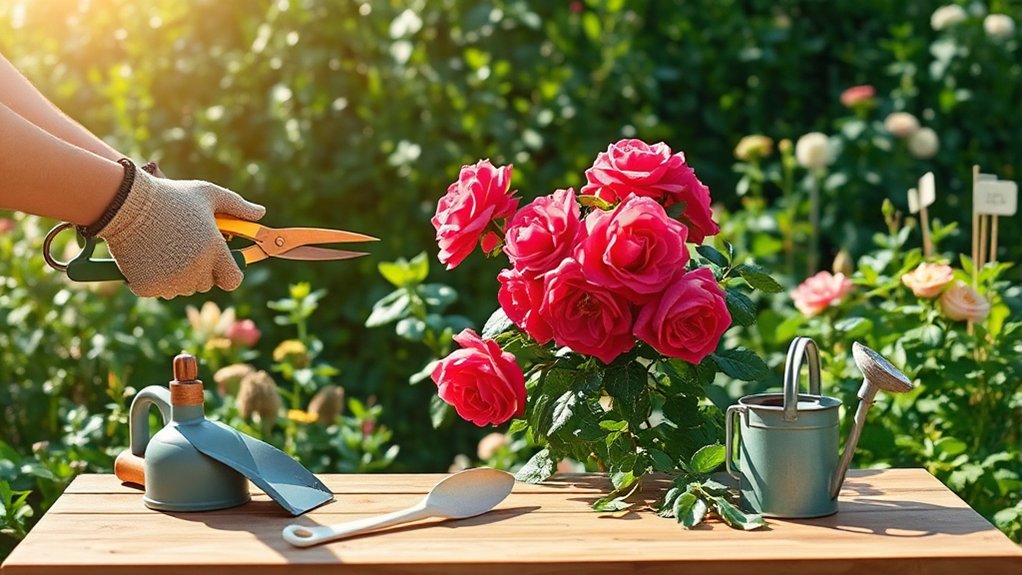
As plants grow, you’ll need to trim away dead, damaged, or overcrowded stems so they can put energy into healthy new growth. Use clean, sharp tools and make cuts just above a healthy leaf node or bud. Good pruning techniques help you shape plants, improve airflow, and reduce disease problems.
Trim dead or crowded stems to direct energy toward healthy growth and better airflow.
When you notice faded blooms, keep deadheading flowers to encourage more buds and a tidier look. Don’t wait until growth gets messy; a quick check each week keeps your garden in balance. Remove weak shoots, crossing branches, and any stems that rub together.
You’ll also prevent plants from wasting energy on dying parts, which supports stronger flowering and fuller foliage.
Snip spent blooms fast
Cut back crowded stems
Shape plants for light
Remove weak or broken growth
Keep tools clean and sharp
Mulch and Feed the Soil Regularly
Mulch your garden beds with a 2- to 3-inch layer of organic material like shredded bark, straw, or compost to lock in moisture, suppress weeds, and steady soil temperature. You’ll protect roots from heat swings and cut down on watering. Reapply mulch as it breaks down, but keep it a few inches from stems to prevent rot.
Then feed the soil with compost, aged manure, or a balanced organic fertilizer based on your soil types and plant needs. Test occasionally so you keep the nutrient balance right and avoid excess nitrogen or salt buildup.
In sandy beds, add more organic matter to hold nutrients. In clay, work amendments in lightly to improve drainage. Water after feeding so nutrients move into the root zone.
When you mulch and feed regularly, you build healthier soil, stronger growth, and a garden that stays productive with less effort all season long.
Frequently Asked Questions
When Is the Best Time to Start a Garden?
The best time to start a garden is in early spring, after the last frost. This is when you can work the soil and seeds will germinate well.
You should focus on spring planting and soil preparation first. Loosen the dirt, add compost, and choose crops suited to your climate.
If you start indoors earlier, you’ll get a head start. Then you can transplant stronger seedlings once conditions warm up enough.
Which Vegetables Grow Best in Partial Shade?
Leafy crops like lettuce, spinach, arugula, kale, and Swiss chard grow best in partial shade, so you’ll get solid harvests with less scorching. You can also try radishes, beets, carrots, peas, and broccoli.
These shade-loving vegetables thrive when you’re gardening in shade, especially where afternoon sun is limited. Keep the soil moist, feed lightly, and you’ll boost growth and flavor without stressing your plants too much.
How Do I Improve Clay Soil Drainage?
You improve clay soil drainage by refusing to let it stay a soggy brick. Work in plenty of compost, leaf mold, or aged manure using soil amendment techniques. Then add coarse sand only if you mix it deeply.
Build raised beds, create drainage solutions like French drains, and avoid compacting wet soil. Mulch lightly, plant deep-rooted cover crops, and you’ll turn stubborn clay into workable, better-draining ground.
What Tools Are Essential for Beginner Gardeners?
You’ll want a few basics: a hand trowel, pruners, gloves, a watering can or hose, and a garden fork. Add a spade for digging and a rake for leveling soil.
Soil testing kits help you understand nutrients and pH, while sharp pruners let you practice pruning techniques cleanly. A kneeling pad can save your knees, and a bucket helps you move weeds, compost, and tools around easily.
How Do I Choose Plants for My Climate?
Choose plants by matching your climate’s temperature, rainfall, and frost dates. You’ll do best with native plants because they’re adapted to local conditions.
Look for seasonal blooms that thrive in your region, and pick drought tolerant varieties if summers are dry. Check soil types before planting since some plants need sandier or richer ground.
Also favor pest resistance, and shape your garden design around sun, shade, and wind.
Conclusion
By following a simple routine, you’ll keep your garden healthy and thriving all season long. Water deeply, pull weeds early, and prune regularly so plants can focus their energy on strong growth.
Mulching and feeding the soil will also help protect roots and improve results over time. Did you know that healthy soil can store up to 20% more water? That means a little care today can make your garden more resilient tomorrow.
Maintaining a garden is all about consistent care, and with these steps, your garden will flourish beautifully.