5 Best Plants for Small Gardens
Struggling to make the most of limited outdoor space? You’re not alone. Many people with small gardens find it challenging to choose plants that fit well without overcrowding.
Finding the perfect balance between beauty, variety, and easy care can feel overwhelming. Best Plants for Small Gardens.
For a small garden, you can’t go wrong with dwarf boxwood or compact spirea for structure, marigolds or petunias for bright color, and lavender for scent.
Add sedum, ornamental grasses, or coreopsis if you want low-maintenance plants that keep going with little care.
Finish with evergreen shrubs or dwarf conifers to keep your space looking full year-round.
These choices save room, add texture, and make it easy to create a beautiful garden with more ideas ahead.
Key Takeaways
- Dwarf boxwood, compact spirea, and dwarf arborvitae give small gardens tidy structure with minimal pruning.
- Marigolds, petunias, and dwarf zinnias add bright, compact color in borders, pots, or hanging baskets.
- Lavender, thyme, and sweet alyssum bring fragrance and work well in clusters near paths or patios.
- Sedum, ornamental grasses, and coreopsis are low-maintenance choices that tolerate sun and need little care.
- Evergreen plants like compact conifers and trailing groundcovers provide year-round color and space-saving interest.
Best Compact Shrubs for Small Gardens
Compact shrubs can make a small garden feel fuller without crowding it out. You can use them to shape paths, soften fences, and frame focal points without sacrificing room to move.
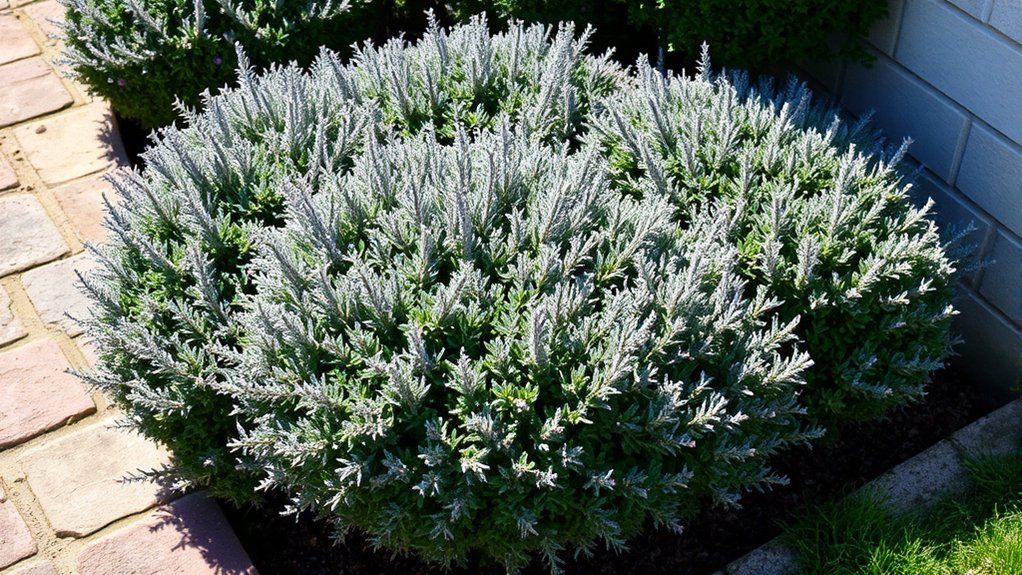
Choose dwarf boxwood, compact spirea, or dwarf arborvitae if you want structure that stays tidy with light pruning. If your site gets little rain, look for drought tolerant options like lavender cotton or dwarf juniper, which handle dry spells once established.
Choose dwarf boxwood, compact spirea, or dwarf arborvitae for tidy structure with only light pruning.
You’ll also want plants that offer seasonal interest, such as glossy evergreen leaves in winter or fresh new growth in spring. Plant in groups of three or five to create rhythm, and leave space for airflow so each shrub keeps its form.
With the right compact shrub, you’ll add texture, privacy, and balance while keeping your garden easy to care for year after year.
Flowering Plants That Add Color

When you want your small garden to feel lively, flowering plants can add bold color without taking up much room. You can tuck marigolds, petunias, and dwarf zinnias along borders or slip them into pots for instant impact. These choices give you dependable annual color, and you can refresh them each season for a new look.
If you want a longer bloom window, choose compact salvias or begonias that keep flowering with regular deadheading and light feeding. For narrow spaces, try vertical planters or hanging baskets so you use height instead of width.
Container flowers also let you move color where you need it most, whether that’s beside a path, near a patio, or by a doorway. Mix warm and cool tones to create balance, and group several plants together for a fuller display. With the right blooms, you’ll make your garden feel brighter and bigger.
Fragrant Plants for Small Gardens
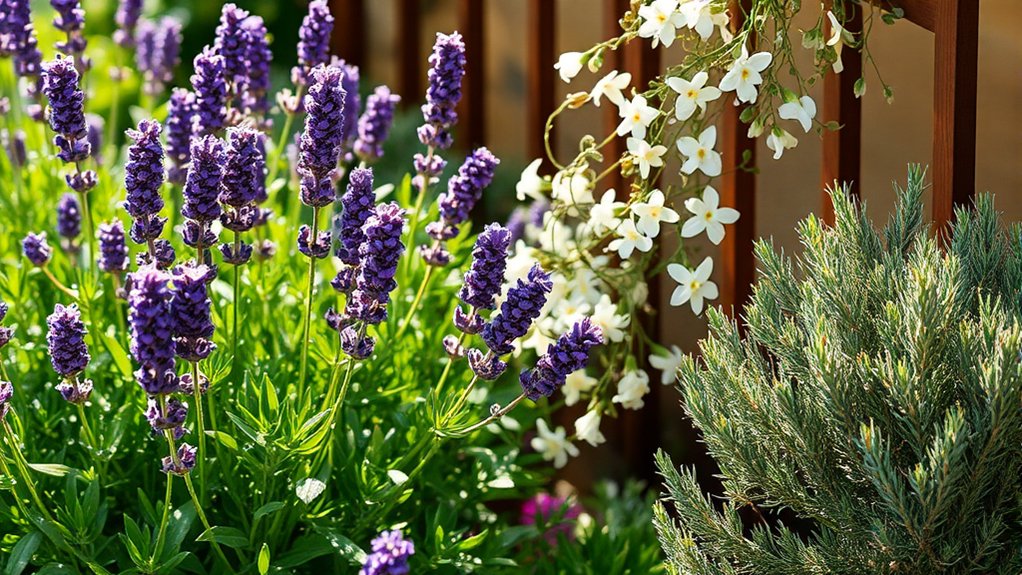
Fragrant plants can make a small garden feel more inviting by engaging your senses as well as your eyes. You can tuck them near a path, patio, or window, where every breeze carries their scent. Choose plants that offer perfume without taking up much room, and mix textures for interest. Try these options:
- Lavender for calm, silvery foliage and lasting scent.
- Scented herbs like thyme, basil, and mint for leaves you can brush and enjoy.
- Aromatic flowers such as sweet alyssum, jasmine, or dianthus for bursts of fragrance and color.
You’ll get the most impact by planting fragrant varieties in clusters, so the scent feels richer. Place stronger-smelling plants where you spend time, and pair them with smaller companions to keep the bed balanced. With the right mix, your garden can smell as good as it looks, even in a tight space.
Low-Maintenance Plants That Are Easy to Grow
If you want a garden that looks good without demanding constant attention, choose plants that stay tidy, tolerate a range of conditions, and bounce back with minimal care. You’ll save time by picking tough options like lavender, ornamental grasses, sedum, and coreopsis.
These plants don’t need frequent feeding, and they handle irregular watering better than fussier choices. For sunny spots, try succulent varieties, which store water in their leaves and stay compact in containers or borders.
If your space gets less light, rely on hostas or ferns, which ask for little beyond steady moisture and occasional cleanup. You can also grow herbs like thyme and chives, since they’re useful, attractive, and easy to trim.
In cramped spaces, choose dwarf forms or indoor options such as pothos and snake plant, which thrive with basic care and won’t overwhelm your layout. Focus on resilient plants, and you’ll enjoy a small garden that stays attractive with less effort year-round.
Evergreen Plants for Year-Round Interest
Evergreen plants keep your small garden looking full and polished through every season, even when flowers fade. You can rely on them for structure, color, and privacy without sacrificing space. Choose compact shrubs, tidy conifers, or trailing groundcovers that suit your light and soil.
Place shade tolerant evergreens along borders to brighten dim corners and soften fences. Use drought resistant varieties in sunny spots so you water less and still keep strong texture. Mix different leaf shapes and colors to create contrast without crowding beds.
You’ll get the best results when you prune lightly, mulch well, and give each plant room to mature. In a small garden, evergreens do more than survive winter. They anchor the design, frame seasonal blooms, and make every square foot feel intentional.
Frequently Asked Questions
How Do I Choose Plants for a Shady Small Garden?
Choose plants that match your garden’s light, soil, and space. You’ll do best with shade-loving varieties and low light options that stay compact, like ferns, hostas, heucheras, and impatiens.
Check how many hours of shade you get, then pick plants with similar moisture needs. Use layered heights, repeat colors, and avoid aggressive spreaders.
If your soil drains well, your shady garden will feel fuller and be easier to maintain year-round.
Which Plants Attract Pollinators to Compact Spaces?
You’ll draw bees and butterflies to a pocket-sized feast with compact blooms that shine like lanterns. Choose pollinator favorites such as lavender, salvia, catmint, thyme, and dwarf coneflowers; they’ll pack nectar into tight spaces and keep your garden buzzing.
Add single-flowered zinnias or cosmos for easy access. Group plants in clusters, and you’ll create a vivid landing pad that invites pollinators without crowding your small space.
What Containers Work Best for Small Garden Plants?
You’ll do best with lightweight pots, fabric grow bags, and glazed ceramic containers because they balance moisture and root room well. Choose sturdy container materials that suit your climate, then add drainage solutions like holes, gravel, or saucers.
If you’re tight on space, try vertical gardening with wall planters or stacked pots. Leave enough plant spacing so roots don’t crowd, and your small garden plants can thrive beautifully.
How Often Should I Water Plants in Small Gardens?
You should water your small garden when the soil moisture feels dry about an inch down, usually two to three times a week. You’ll need to adjust your watering schedule for heat, wind, and container size.
Tiny spaces can drink like a thirsty giant after noon sun. Check plants daily in hot weather, then water deeply so roots grow strong instead of staying near the surface.
Can I Grow Vegetables in a Small Garden?
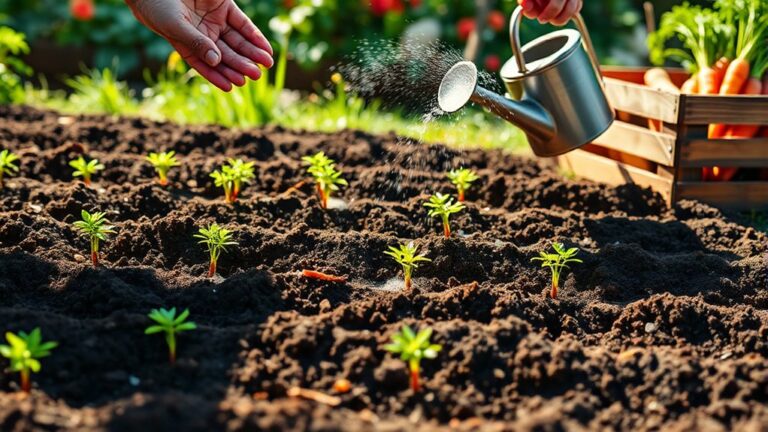
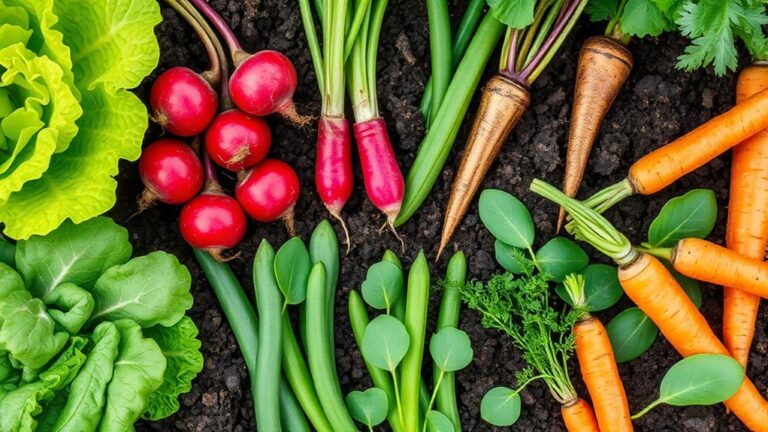
Yes, you can grow vegetables in a small garden. You’ll get great results with space optimization by choosing compact crops like lettuce, radishes, and bush beans.
Try vertical gardening with trellises, hanging planters, or stacked beds to boost your harvest. You can also mix edible greens with herbs for more variety.
Keep plants well-fed, watered, and sunny, and you’ll enjoy fresh vegetables even in a tiny space.
Conclusion
With the right plants, you can turn even a tiny garden into a lush retreat. Choose compact shrubs, bright bloomers, fragrant favorites, easy-care picks, and evergreens to keep your space lively all year.
You’ll enjoy color, texture, and scent without feeling crowded. A small garden can feel like a jewel box, each plant sparkling like a gem in the sun.
Start small, plant smart, and watch your garden thrive. These best plants for small gardens will help you make the most of your space.