How to Grow a Vegetable Garden in 3 Steps
If you’ve ever dreamed of growing your own fresh veggies but felt overwhelmed by where to start, you’re not alone. Many people struggle with finding the right spot, preparing soil, or choosing the best plants for beginners.
Luckily, growing a vegetable garden can be simple and rewarding once you know the basics.
You can grow a vegetable garden in three simple steps: first, pick a sunny spot with 6 to 8 hours of direct light, good drainage, and easy access to water.
Next, prepare the soil by loosening it, removing debris, and mixing in compost.
Then plant beginner-friendly crops like lettuce, radishes, beans, or zucchini, and water them at the base each morning.
With a little care, you’ll set yourself up for a thriving harvest and more tips ahead.
Key Takeaways
- Choose a sunny, level spot with easy access to water and good drainage.
- Prepare the soil by loosening it, removing debris, and mixing in compost.
- Start with beginner vegetables like lettuce, radishes, bush beans, zucchini, or cherry tomatoes.
- Plant seeds or transplants at the proper depth and spacing after frost has passed.
- Water consistently, mulch to hold moisture, and monitor plants for weeds or disease.
Choose the Best Spot for Your Vegetable Garden
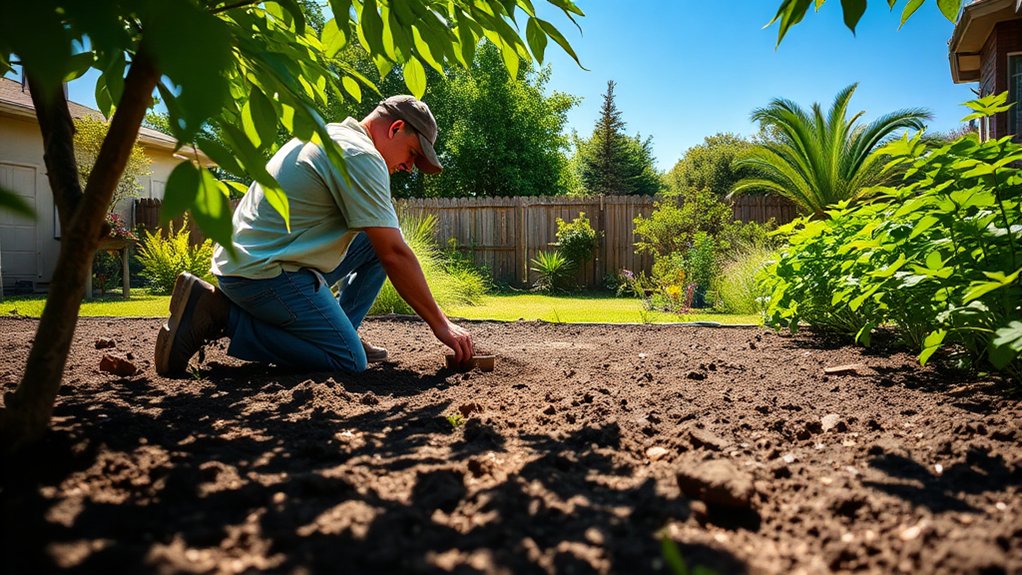
Pick a spot that gets at least six to eight hours of direct sunlight each day, because most vegetables need plenty of light to grow well. Watch how the sun moves across your yard, and choose an area with steady sunlight exposure from morning through afternoon.
Keep the garden close enough to a hose or water source so you can care for it easily. You should also look for level ground or a gentle slope, since drainage considerations matter when rain collects in low spots.
Avoid places where trees, fences, or buildings cast long shadows. If possible, pick a site with some shelter from strong winds without blocking light.
Stay away from areas with heavy foot traffic or where pets might dig or damage plants. When you choose the right location, you give your vegetables the best chance to thrive and make your gardening routine simpler from the start.
Prepare Soil for a Healthy Vegetable Garden

Once you’ve chosen the right spot, turn your attention to the soil, because healthy vegetables start underground. Begin with soil testing so you know the pH and nutrient levels before you add anything. A simple home kit or local extension service can tell you whether your garden needs lime, sulfur, or extra nutrients.
Next, loosen the top 8 to 12 inches with a fork or spade, breaking up clumps and removing rocks, roots, and debris. Then mix in 2 to 3 inches of finished compost and work it through the bed. The compost benefits are clear: it improves drainage, helps sandy soil hold moisture, and gives heavy soil better structure.
If your soil feels thin or lifeless, add more organic matter over time instead of relying on quick fixes. Level the surface lightly, but don’t pack it down. Your vegetables will root more easily in rich, crumbly soil that feeds them from the start.
Plant Beginner-Friendly Vegetables and Water Them Right

Start with a few easy crops that forgive beginner mistakes, like lettuce, radishes, bush beans, zucchini, and cherry tomatoes. You can direct sow most of them after frost, while tomatoes need transplants and support. Space seeds and seedlings according to the packet, then thin crowded sprouts so each plant gets light and airflow.
Use simple planting techniques: make shallow rows for tiny seeds, plant beans about an inch deep, and set tomato starts a bit deeper for stronger roots. Mulch lightly to keep soil moist and reduce weeds.
Follow a steady watering schedule instead of soaking randomly. Water at the base in the morning so leaves dry fast and disease stays low. Give young plants about an inch of water each week, more during hot spells or container growing.
Check soil with your finger; if the top inch feels dry, water again. Consistent moisture helps seeds sprout, roots grow, and vegetables taste better.
Frequently Asked Questions
How Often Should I Fertilize My Vegetable Garden?
You should fertilize your vegetable garden about every 3 to 6 weeks during the growing season, but you’ll need to adjust based on your soil and crops. Use organic fertilizers to feed plants steadily, and test your soil so you know which soil nutrients are lacking.
Heavy feeders like tomatoes may need more, while leafy greens often need less. Always follow label directions and avoid overfertilizing, which can harm plants and reduce yields.
What Pests Commonly Attack Beginner Vegetable Gardens?
Aye, you’ll often spot aphids, slugs, caterpillars, cutworms, and whiteflies in beginner vegetable gardens. For quick pest identification, inspect leaves for holes, sticky residue, or curled growth.
You can often manage them with natural remedies, like handpicking, insecticidal soap, neem oil, or row covers. Check plants early and often, because you’ll catch trouble before it spreads and wrecks your harvest.
When Is the Best Time to Harvest Vegetables?
You’ll get the best harvest when vegetables reach full color, size, and flavor but before they overripe. Check each crop daily because harvest timing varies by type and weather.
Pick leafy greens early for peak freshness, harvest beans when pods snap cleanly, and gather tomatoes when they’re firm and richly colored. Use a sharp tool, handle produce gently, and enjoy it soon after picking for the best taste.
How Do I Protect Plants From Frost?
You can protect plants from frost by covering them before temperatures drop. Use frost blankets or plant covers to trap warmth overnight, and secure the edges so cold air can’t sneak in.
Water the soil earlier in the day since damp ground holds heat better. Move potted plants indoors or against a wall for extra shelter.
Remove covers in the morning so your plants don’t overheat once the sun comes up.
Can I Grow Vegetables in Containers Instead?
Yes, you can, and containers can be your garden’s shining stage. You’ll enjoy container gardening for space efficiency, especially on patios, balconies, or sunny doorsteps.
Choose pots with drainage, match soil types to each vegetable, and use rich potting mix rather than garden soil. You’ll need smart watering techniques since containers dry out faster.
Start with tomatoes, lettuce, herbs, or peppers, and you’ll harvest fresh food from small spaces.
Conclusion
With the right spot, rich soil, and a few easy crops, you’re ready to grow a garden that could make even a modern-day Eden jealous. You’ve done the hard work, and now your seeds have the best chance to thrive.
Keep watering consistently, watch for new growth, and enjoy the simple magic of tending your own food. In time, you won’t just harvest vegetables, you’ll harvest confidence, flavor, and the joy of growing it yourself in your vegetable garden.