How to Care for a Garden in 10 Steps
If you’ve ever felt overwhelmed trying to keep your garden thriving, you’re not alone. Many people struggle with knowing where to start or how to maintain their plants without feeling like it’s a full-time job.
Finding the right balance of care can make all the difference, and that’s why we’ve put together some helpful tips to make gardening feel less like a chore and more like a joy.
To care for a garden in 10 steps, choose a sunny spot with good drainage, then test and improve your soil with compost. Water deeply in the morning, and add 2-4 inches of mulch to hold moisture and block weeds.
Feed plants with the right fertilizer, prune for health and airflow, and inspect often for pests and diseases.
Keep up with seasonal tasks, and build a simple routine that makes each part easier as your garden grows. With a little consistency, your garden will flourish and caring for it will become second nature.
Key Takeaways
- Choose a sunny, well-drained garden spot with easy access for watering and maintenance.
- Test soil regularly, then improve it with compost and appropriate fertilizer.
- Water deeply in the morning and mulch to retain moisture and suppress weeds.
- Remove weeds early and monitor plants for pests and diseases.
- Prune dead growth, improve airflow, and adjust care for each season.
Choose the Right Garden Spot

Before you plant anything, choose a spot that gets plenty of sunlight, drains well, and is easy for you to reach and water. You should watch the area throughout the day so you understand its sunlight exposure.
Most vegetables and flowers need six to eight hours of direct light, while some plants handle partial shade better. Notice how nearby structures, trees, and fences affect the light and wind.
A wall can warm the space, but it can also cast shade or block airflow. Pick a location with room to walk, carry tools, and move a hose without difficulty. Avoid low spots where water pools after rain since wet roots can struggle.
If you’re using containers or raised beds, make sure the site stays convenient for daily care. When you choose well, you give your garden a stronger start and make every later task easier.
Test and Improve Your Soil
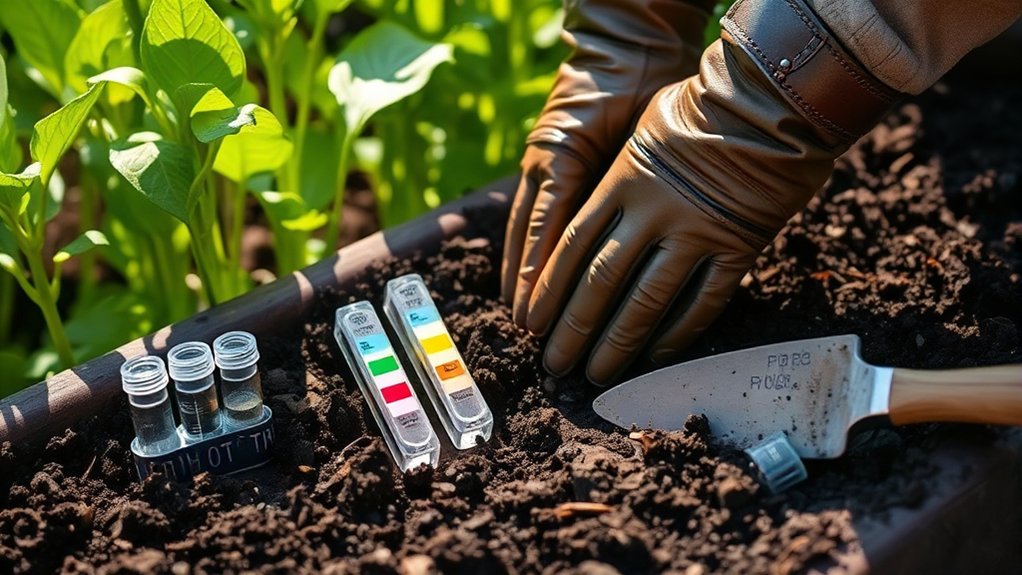
Good soil gives your garden the nutrients, structure, and drainage it needs to thrive, so test it before you plant. Use soil testing to check nutrient balance and pH, then make pH adjustments with organic amendments that fit your results. Mix in compost to build soil structure, boost microbial activity, and support earthworm benefits.
If the sample feels dense or sticky, add coarse organic matter to improve drainage and moisture retention.
| Need | Fix |
|---|---|
| Pale leaves | Add nutrients |
| Clumpy ground | Improve structure |
| Slow drainage | Blend in compost |
| Off pH | Adjust carefully |
| Fewer worms | Feed the soil |
Watch how your bed changes after each adjustment; you’ll feel more confident when roots can spread easily. Keep testing every season because small corrections now prevent bigger problems later, and your garden will reward you with healthier growth.
Water Plants the Right Way

You should water your plants early in the morning or later in the evening because less moisture will evaporate then. Try to aim the water at the soil instead of the leaves—that way, the roots get exactly what they need. It’s better to give each plant a deep soak less often rather than just a light sprinkle every day. This helps the roots grow stronger and keeps your plants healthier overall.
Proper Watering Timing
Watering at the right time helps your plants absorb moisture before the sun gets too strong. You should prefer morning watering because it reduces evaporation and gives leaves time to dry.
If you miss that window, evening hydration can work, but check soil moisture first so you don’t invite fungus. Track watering frequency by watching weather patterns, and make seasonal adjustments when heat rises or rain returns.
A rain gauge helps you decide whether your garden needs extra water or can rest after a storm. Smart irrigation systems can save time, but you still need to watch for plant drought and respond quickly.
Consistent timing supports root health, keeps growth steady, and helps every bed stay resilient through changing conditions.
Deep Root Hydration
To help roots grow strong, soak the soil deeply instead of giving plants a light sprinkle. You’ll encourage greater root depth, better moisture retention, and stronger drought resistance when water reaches lower layers.
Deep watering also supports soil aeration since the surface stays less soggy. It improves nutrient absorption by guiding moisture where roots feed. Use this simple guide:
| Method | Benefit | Result |
|---|---|---|
| Slow hose | Even soak | Deeper roots |
| Drip line | Less waste | Better moisture retention |
| Mulch cover | Protects soil | Stronger plant resilience |
Check soil with your finger before watering again. If the top feels dry but below stays cool, wait. This habit builds plant resilience and keeps your garden healthier through heat.
Add Mulch to Save Moisture
You can help your garden hold moisture by adding mulch around your plants. You can choose from materials like wood chips, straw, or shredded leaves. Just spread it evenly after watering.
But make sure to keep the mulch a few inches away from the stems. That way, you won’t trap too much moisture right against the plant. Aim for a layer about 2 to 4 inches deep. This will cover the soil well and slow down evaporation.
Mulch Types and Benefits
Mulch does more than make a garden look neat. It helps lock in soil moisture, suppress weeds, and keep roots cooler during hot weather. You can choose organic mulch for weed prevention, moisture retention, and soil improvement, while decorative mulch boosts aesthetic appeal around borders and paths.
Biodegradable options also break down over time, feeding the soil with nutrient enrichment. Some mulches even support pest control by discouraging splash and habitat buildup.
- Bark or wood chips last long and regulate temperature.
- Straw or leaves decompose quickly and enrich beds.
- Compost adds nutrients while improving texture.
Pick the mulch that fits your plants, climate, and style. You’ll help your garden stay healthier with less watering.
Applying Mulch Correctly
Spread mulch in a layer about 2 to 4 inches deep, keeping it a few inches away from plant stems and tree trunks. This way, moisture stays in the soil without causing rot. You’ll see mulch benefits fast: the bed holds water longer, weeds struggle, and roots stay steadier.
Use these mulch techniques to finish the job well.
| Step | What you do | Why it helps |
|---|---|---|
| 1 | Clear weeds | Reduces competition |
| 2 | Water first | Locks in moisture |
| 3 | Lay mulch evenly | Protects soil |
| 4 | Keep gaps near stems | Prevents rot |
| 5 | Check after rain | Maintains coverage |
When you refresh mulch as needed, you help your garden stay healthier with less effort and fewer dry spells.
Mulch Depth and Coverage
A proper mulch layer is one of the easiest ways to save water in your garden. You should spread mulch 2 to 4 inches deep, keeping it even so it blocks evaporation without smothering roots. Leave a few inches of space around stems and trunks to prevent rot and pests.
Good coverage helps you get the full mulch benefits by cooling soil, reducing weeds, and holding moisture longer. For smart mulch application, follow these steps:
- Clear weeds and water the soil first.
- Add mulch in a loose, even blanket.
- Check depth after settling and refresh thin spots.
When you maintain the right depth and coverage, you’ll water less often and keep plants healthier through hot, dry spells.
Feed Plants With the Right Fertilizer
Choose a fertilizer that matches your plants’ needs, because the right nutrients help them grow strong, bloom well, and resist stress. Check plant preferences and soil pH first, then compare fertilizer types for a good nutrient balance.
Organic options like compost or fish emulsion improve soil gently, while slow release formulas feed steadily. Use liquid fertilizers when you want a quick boost after transplanting or during active growth.
| Fertilizer type | Best use | Tip |
|---|---|---|
| Compost | General feeding | Mix lightly into soil |
| Slow release formulas | Long season support | Follow label rates |
| Liquid fertilizers | Fast correction | Apply after watering |
Use careful application techniques so roots don’t get burned, and match timing strategies to your garden’s growth stage. During seasonal feeding, give heavy feeders more support and ease off when growth slows.
Watch leaves and stems, then adjust your routine before problems build.
Pull Weeds Before They Spread
Even with the right fertilizer, weeds can still move in and compete with your plants for water, light, and nutrients. You should inspect beds often so you can catch them while roots stay shallow.
Weeds compete for water, light, and nutrients, so inspect beds often and catch them while roots stay shallow.
Use weed identification techniques to spot seedlings fast, then pull them by hand when the soil is moist. That makes removal easier and helps you get the whole root. For stubborn patches, try organic weed control, such as mulching or hoeing, before the weeds set seed.
- Walk your garden every few days.
- Pull small weeds right away.
- Dispose of seed heads before they drop.
If you wait, one weed can spread and crowd out nearby plants. Stay consistent, because quick action saves time later and keeps your garden cleaner.
Prune Plants for Health and Shape
Make sure to use clean, sharp pruners or shears—that way, you can make precise cuts without hurting your plants. Start by snipping away any dead or damaged growth. After that, trim back the crowded stems to help shape your plant. Plus, good pruning opens up airflow, which keeps your garden healthier overall.
Choose the Right Tools
A few essential tools make pruning safer and more effective, especially when you want to keep your plants healthy and well-shaped. You should match garden tool types to the job so you don’t strain your hands or damage stems. Good essential gardening equipment helps you cut cleanly and guide growth with control.
- Use hand pruners for small stems and tidy cuts.
- Choose loppers for thicker branches that need extra support.
- Keep pruning shears sharp and clean for precise shaping.
You’ll also want gloves for grip and protection, plus a small saw for woody stems. When you pick the right tool, you work faster, make neater cuts, and help your plants recover well.
Remove Dead Growth
Snip away dead, damaged, or diseased growth to keep your garden healthy and encourage new growth. You’ll protect your plants and make room for fresh shoots when you do regular dead plant removal during seasonal cleanup. Use clean, sharp pruners and cut back to healthy tissue, making smooth cuts just above a bud or branch junction.
| Step | What to do | Why it helps |
|---|---|---|
| Inspect | Look for brown, brittle, or spotted stems | You catch problems early |
| Cut | Remove dead sections at the base or tip | You stop decay from spreading |
| Dispose | Bag clippings or compost only healthy material | You keep pests down |
| Check | Revisit plants after storms or frost | You stay ahead of damage |
| Repeat | Prune as needed through the season | You support steady growth |
Shape for Better Airflow
When your plants get crowded, prune them to improve airflow and shape them for healthier growth. You’ll reduce disease risk and help each stem get more light. Use clean, sharp tools, and make cuts just above a node or outward-facing bud.
Follow your garden layout so you don’t remove the branches that support balance or shade sensitive neighbors.
- Thin dense centers to open space for air circulation techniques.
- Shorten overgrown shoots to keep plants compact and upright.
- Remove crossing branches to prevent rubbing and weak growth.
Step back often and check the plant’s silhouette as you work. Aim for an open, natural form that matches the species. With regular shaping, you’ll encourage stronger growth, better blooming, and a tidier garden overall.
Spot Pests and Plant Diseases Early
Keep a close eye on your plants so you can catch pests and diseases before they spread. During regular plant inspection, look under leaves, along stems, and near new growth for holes, sticky residue, spots, wilting, or chewed edges.
Good pest identification helps you choose the right response fast. Use monitoring techniques like weekly walkthroughs and note any early symptoms, since tiny changes often signal trouble.
Good pest identification helps you respond quickly, and weekly monitoring reveals early symptoms before tiny problems spread.
Watch environmental factors such as excess moisture, poor airflow, or heat stress because they can encourage outbreaks. Support disease prevention by removing damaged tissue and cleaning tools between plants.
If you spot pests, try organic treatments first, such as insecticidal soap or neem, and encourage beneficial insects that feed on them. Integrated pest management works best when you combine observation, prevention, and targeted action.
Learn pest life cycles, too, so you can interrupt them before numbers rise.
Prepare Your Garden for Each Season
Each season asks for different garden tasks, so adjust your routine to match the weather and your plants’ needs. In spring, clear debris, refresh compost, and plan seasonal planting with your local climate considerations in mind.
Summer calls for deeper watering, mulching, and shading tender plants during heat waves. In fall, harvest fully, remove spent growth, and plant cool-season crops before frost.
Winter usually means protecting beds, storing tools, and checking drainage after storms.
- Match crops to the season.
- Watch weather shifts closely.
- Protect soil and roots early.
You’ll keep your garden healthier when you prepare for each change instead of reacting late. Choose varieties that fit your zone, and move containers or covers when temperatures swing.
Build a Simple Garden Care Routine
A simple garden care routine helps you stay consistent without feeling overwhelmed. Start by checking your plants each morning or evening so you can spot wilting, pests, or dry soil early. Water deeply when needed, then remove weeds before they spread.
Spend a few minutes on garden maintenance like deadheading flowers, pruning damaged growth, and loosening compacted soil. Keep tools nearby so you can move quickly through each task.
Plan weekly checks for soil moisture, mulch coverage, and plant health. Then add seasonal tasks such as fertilizing in spring, revitalizing mulch in summer, and cleaning beds in fall.
You don’t need a perfect schedule; you just need one you can follow. Write your routine down, set reminders, and adjust it as your garden changes. When you stay steady, your plants get the care they need, and you’ll spend less time fixing avoidable problems.
Frequently Asked Questions
How Do I Choose Plants for My Climate Zone?
Check your USDA plant hardiness zone first, then pick plants that match your average winter lows. You’ll do better with native species since they’re adapted to your region’s weather and soil.
Notice microclimates in your yard, like sunny walls or shady corners, because they can expand your options. Mix in seasonal blooms so you get color across the year, and read plant tags before buying.
What Garden Tools Are Essential for Beginners?
You’ll want a hand trowel, pruning shears, gloves, a watering can or hose, and a sturdy spade. What’s a garden without the tools to shape it? These basics help you plant, trim, water, and dig with ease.
Add a rake for soil preparation and a bucket for hauling debris. Keep up with tool maintenance by cleaning, drying, and sharpening them so they’ll last longer and work better every season.
How Often Should I Rotate Crops in a Vegetable Garden?
You should rotate your crops every season, or at least each year, so you don’t grow the same plant family in the same spot twice in a row. This practice boosts crop rotation benefits by reducing pests, limiting soil-borne diseases, and balancing nutrients.
Plan seasonal planting around crop groups like legumes, roots, and leafy greens, and you’ll keep your vegetable garden healthier, more productive, and easier to manage over time.
When Is the Best Time to Plant Seeds Outdoors?
You’ll get the best results when you plant seeds outdoors after your last frost date, once soil warms enough for germination. About 80% of gardening failures come from planting too early, so watch your local forecast closely.
Use seed germination techniques like pre-soaking and shallow planting, and follow outdoor planting tips such as watering gently and spacing seeds well. When conditions stay mild and moist, your seeds’ll sprout faster and stronger.
How Can I Attract Beneficial Insects to My Garden?
You can attract beneficial insects by planting pollinator plants like alyssum, dill, and coneflowers, which offer nectar and pollen. Add insect hotels near sunny, sheltered spots so bees and ladybugs have places to nest and overwinter.
Avoid broad-spectrum pesticides, and leave some leaf litter or mulch for cover. If you provide water in a shallow dish, you’ll make your garden even more welcoming and help natural pest control thrive.
Conclusion
With a little steady care, your garden can become a living patch of color and calm. As you water, mulch, feed, and prune, you’ll watch seedlings rise and blossoms open like tiny promises.
Keep an eye out for pests, adjust with the seasons, and stick to a simple routine. Soon, you’ll step outside to soft leaves, rich soil, and the quiet joy of a garden that thrives because you’ve tended it well.
By following these tips on how to care for a garden, you’ll enjoy a vibrant space that grows and flourishes with your attention.