5 Best Perennial Flowers for Beginners
If you’re new to gardening, choosing the right flowers to plant can feel overwhelming. You want something beautiful but easy to care for, so you don’t get discouraged. You’re not alone—many people struggle to find low-maintenance plants that still brighten up their garden.
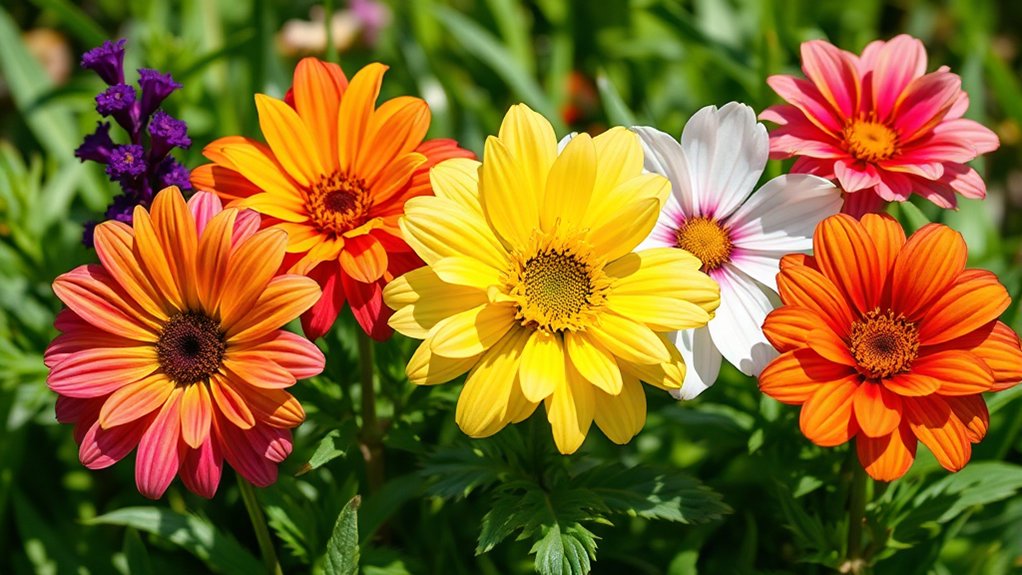
The 5 best perennial flowers for beginners are daylilies, coneflowers, black-eyed Susans, peonies, and other easy-care favorites. You’ll love daylilies for their bright color and simple care, while coneflowers and black-eyed Susans handle sun and dry spells with ease.
Peonies reward you with big blooms for years.
Since perennials come back every season, you can enjoy a colorful garden with less work and build confidence fast as you find out which one fits your space best.
Key Takeaways
- Perennials come back yearly, making gardening easier with one-time planting and simple care.
- Daylilies offer colorful blooms and thrive in sun or light shade with minimal maintenance.
- Coneflowers are tough, sun-loving perennials that handle heat and drought well.
- Black-eyed Susans are cheerful, low-care flowers that spread quickly in full sun.
- Peonies provide large, long-lasting blooms and can thrive for decades with basic care.
Why Perennials Are Easy for Beginners
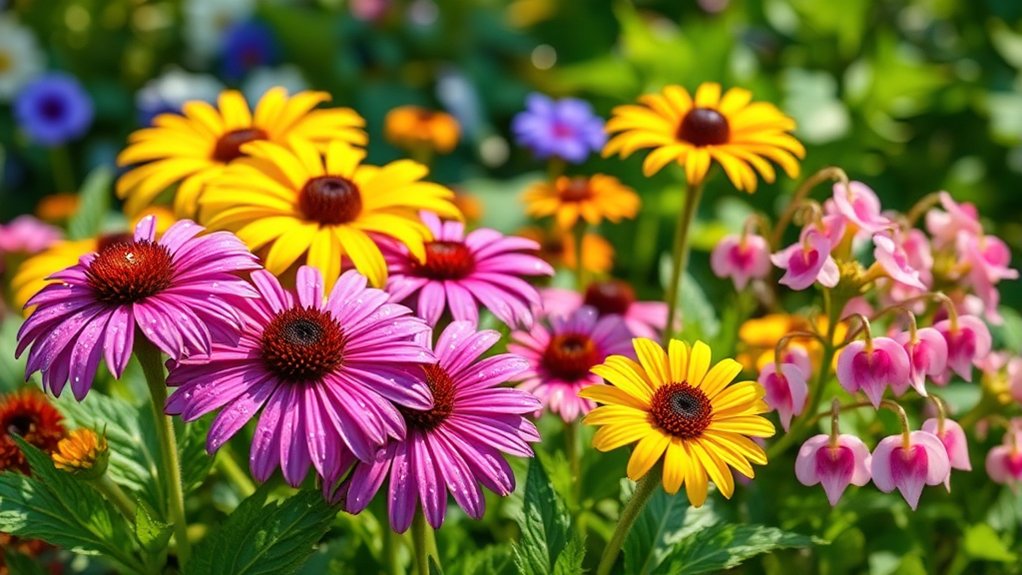
Perennials are a smart choice for beginners because they come back year after year with very little effort. You only need to plant them once, then you can enjoy steady growth as they settle into your garden. With simple planting techniques, you give roots enough space, moisture, and sunlight to establish quickly.
Perennials make gardening easy—plant once, then enjoy reliable growth year after year.
After that, most perennials need only basic care, so you won’t spend hours tending them. You can choose plants that match your local climate, which helps them handle seasonal changes with less stress.
Good maintenance tips include watering deeply, mulching to hold moisture, and removing faded blooms when needed. These small steps support healthy growth without demanding much experience.
Because perennials return on their own, you’ll build confidence as you learn what works in your space. That makes them one of the easiest ways to start gardening successfully.
Daylilies: Colorful Perennial Flowers That Thrive

Daylilies are one of the easiest perennial flowers to grow, and they reward you with bright blooms in a wide range of colors. You can choose from countless daylily varieties, from sunny yellow to rich red and soft peach, so it’s easy to match your garden style.
These hardy plants thrive in full sun or light shade, and they usually adapt well to different soils. When you’re ready to plant, give them enough space to spread, because clumps grow larger each year.
For simple planting tips, work compost into the soil, water deeply after planting, and mulch lightly to hold moisture. Once established, daylilies need little care beyond occasional watering and deadheading.
Their flowers open for a day, but new buds keep coming, so you get weeks of color. If you want reliable beauty with minimal effort, daylilies are a smart choice for your garden.
Coneflowers: Tough Flowers That Come Back Every Year

Coneflowers bring sturdy color to the garden with daisy-like blooms that bloom for weeks and keep coming back year after year. You’ll like how easily they settle in and reward you with bold purple, pink, or white flowers. Their strong stems handle heat and dry spells, so you won’t need to fuss over them much.
- Give them full sun for the best bloom show.
- Plant them in well-drained soil and skip rich fertilizer.
- Deadhead spent flowers, or leave seed heads for winter interest.
These simple planting tips help you grow healthy plants with less effort. Coneflowers also offer great pollinator benefits, drawing bees and butterflies to your beds all season. If you want a perennial that looks good, supports wildlife, and returns reliably, coneflowers fit beautifully. With a little attention at planting, they’ll keep your garden lively for years.
Black-Eyed Susans: Low-Care Perennial Flowers
Black-eyed Susans light up the garden with cheerful golden petals and dark centers, and they’re one of the easiest perennials you can grow. You can plant them in full sun and well-drained soil, and they’ll quickly settle in.
Give them space to spread, because healthy clumps fill out fast and create a bright summer display. For simple planting tips, set young plants at the same depth they grew in their pots and water them well until roots establish. After that, they handle dry spells better than many flowers.
Their seasonal care is easy, too: deadhead spent blooms to encourage more flowers, then cut stems back in late fall or early spring. You’ll also find they attract pollinators and bring a lively, natural look to borders, cottage beds, and mixed plantings without demanding much attention from you.
Peonies: Long-Lasting Blooms for Beginner Gardens
Peonies give you big, romantic blooms year after year, and once they settle in, they’re surprisingly low-maintenance for a beginner garden. You’ll enjoy sturdy stems, lush foliage, and flowers that can last for decades with basic peony care. Plant them where they’ll get full sun and well-drained soil, then give them room to breathe.
- Choose the right spot: Good drainage prevents root rot and helps your plants thrive.
- Water wisely: Keep soil evenly moist during the first season, then water only during dry spells.
- Trim for health: Seasonal pruning means cutting back stems after frost and removing spent blooms to keep disease away.
You won’t need to fuss much once peonies are established. Just avoid burying the crown too deeply and don’t overfeed them. With a little patience, you’ll get dependable, showy blooms that make your garden feel classic and easy.
Frequently Asked Questions
Which Perennial Flowers Attract Pollinators Best?
Bee balm, coneflowers, black-eyed Susans, and lavender attract pollinators best. You’ll get strong pollinator benefits from their nectar-rich blooms, long flowering periods, and easy access for bees, butterflies, and hummingbirds.
Choose bright flower colors like purple, yellow, pink, and red, since pollinators notice those shades fast. Plant them in sunny spots, and you’ll keep your garden buzzing with life from spring through fall.
How Often Should Beginners Divide Perennial Plants?
You should divide most perennial plants every 3 to 5 years, and sometimes sooner if clumps look crowded or bloom less.
On a cool spring morning, you might notice the same spade and the same tired patch waiting together by chance, ready for plant care. Good garden maintenance means lifting, splitting, and replanting before roots tangle.
Watch each plant’s growth, because healthy divisions come back stronger and spread beautifully.
What Soil Type Do Most Perennials Prefer?
Most perennials prefer well-draining, loamy soil that holds some moisture but never stays soggy. You’ll get the best results when you match soil drainage to each plant’s needs and keep pH levels slightly acidic to neutral, usually around 6.0 to 7.0.
You can improve poor soil by mixing in compost, which boosts fertility and structure. Avoid heavy clay unless you amend it well, or your plants may struggle.
Can Perennials Grow Well in Containers?
Yes, you can grow perennials well in containers if you choose the right pot and care. Isn’t it great when container gardening lets you enjoy perennial varieties on a patio or balcony?
You’ll need drainage holes, quality potting mix, regular watering, and enough room for roots. Pick compact types, protect pots from extreme cold, and feed them lightly.
With attention, your container perennials can thrive and return year after year.
When Is the Best Time to Plant Perennials?
You’ll get the best results by planting perennials in early spring or early fall, when temperatures are mild and roots can establish easily. Spring planting gives you a full season to grow, while fall planting lets roots settle before winter.
Avoid extreme heat or frozen ground, and water regularly after planting. If you choose the right timing, your perennials will adapt faster and bloom stronger in the seasons ahead.
Conclusion
With just a little care, you can fill your garden with blooms that return like old friends each year. Picture bright daylilies, bold coneflowers, sunny black-eyed Susans, and lush peonies swaying in the breeze.
These perennial flowers do the hard work for you, bringing color, texture, and life back season after season. Start with these easy favorites, and you’ll enjoy a garden that feels fuller, brighter, and more rewarding every spring.
By choosing these best perennial flowers for beginners, you’ll create a vibrant outdoor space that keeps giving year after year.