What Do Domestic Ducks Eat for a Healthy Diet?
Many people struggle to figure out exactly what to feed their ducks for a healthy diet. If you’ve ever felt overwhelmed by all the options and conflicting advice, you’re not alone. Finding the right balance can be tricky, but it’s essential for keeping your ducks happy and thriving.
You should feed your domestic ducks a balanced mix of grains like corn and barley, fresh vegetables such as kale and peas, and occasional protein from insects or commercial feed. What Do Domestic Ducks Eat.
Offering fresh water with every feeding helps them stay hydrated and digest food properly.
Avoid harmful snacks like bread or processed foods to keep them healthy.
Stick to a regular feeding routine and adjust their diet as they grow.
Learn how to fine-tune their nutrition for every stage of life.
Key Takeaways
- Domestic ducks eat a balanced diet of grains, leafy greens, vegetables, fruits, and protein sources like insects or commercial feed.
- Fresh, clean water must be available at all times to aid digestion and hydration.
- Feed ducks 2-3 times daily, allowing natural foraging for grasses, insects, and aquatic plants.
- Avoid bread, processed foods, and toxic items like raw potato peels and chocolate to prevent health issues.
- Adjust diets by life stage, increasing protein and calcium during growth and breeding, and moderating intake post-breeding.
What Should You Feed Domestic Ducks Daily?
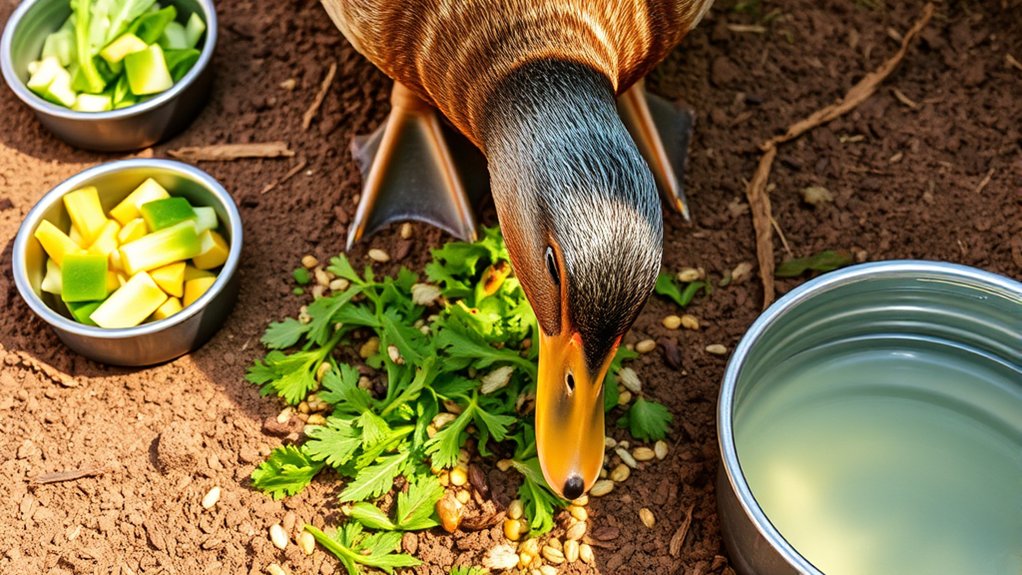
Although domestic ducks can eat a variety of foods, you should provide them with a balanced daily diet to keep them healthy and active. Pay attention to feeding frequency by offering meals two to three times a day. This schedule supports their natural foraging behavior, allowing ducks to eat small amounts throughout the day, just like they would in the wild.
Alongside their regular feed, you can let them forage in safe outdoor areas where they can nibble on grasses, insects, and aquatic plants. This enriches their diet and keeps them engaged. Providing fresh water during feeding is essential since ducks need it to swallow their food properly.
Avoid overfeeding, as it can lead to obesity and health problems. By sticking to a consistent feeding routine and encouraging natural foraging, you’ll guarantee your ducks stay energetic and well-nourished every day.
Essential Nutrients for Domestic Ducks

To keep your ducks healthy, you need to provide key vitamins and minerals like vitamin A, calcium, and phosphorus. These nutrients play a big role in their overall well-being. You’ll also want to include balanced protein sources because they support growth and help maintain good feather quality. When you understand these essential nutrients, it becomes easier to create a diet that meets all your ducks’ needs. That way, you’re giving them the best chance to thrive.
Key Vitamins And Minerals
When you provide domestic ducks with a balanced diet, you guarantee they get the key vitamins and minerals essential for their growth, immunity, and overall health. Paying attention to vitamin supplementation helps prevent common issues like weak bones, poor feather quality, and reduced disease resistance.
Ducks especially need vitamins A, D, and E, which support vision, calcium absorption, and antioxidant protection. At the same time, you should watch for mineral deficiencies, such as calcium and phosphorus shortages, which can lead to eggshell problems and skeletal disorders.
Including natural sources like leafy greens, grains, and occasional supplements ensures your ducks meet these nutritional needs. By managing vitamin and mineral intake properly, you promote their well-being and prevent health complications before they start.
Balanced Protein Sources
Since protein plays a critical role in your ducks’ growth, feather development, and overall health, providing balanced protein sources is vital. You should include a mix of plant-based proteins like peas and legumes, along with animal-based options such as mealworms or fish.
This variety supports ideal duck feathering by supplying the amino acids needed for strong, healthy feathers. Understanding waterfowl behavior helps you offer protein in ways they naturally forage, encouraging natural feeding habits and reducing stress.
For instance, scattering protein-rich treats in water or on the ground mimics their natural environment, promoting activity and well-being. By balancing protein sources carefully, you guarantee your ducks get the nutrients they need to thrive throughout their life stages.
Which Grains and Seeds Are Best for Domestic Ducks?

Although ducks can eat a variety of grains and seeds, choosing the right ones guarantees they get essential nutrients for strong growth and energy. When planning feeding schedules, consider seasonal dietary needs to adjust grain types and amounts accordingly. For example, in colder months, ducks benefit from higher-energy grains to maintain warmth and activity.
Here’s a quick guide to some of the best grains and seeds for domestic ducks:
| Grain/Seed | Benefit |
|---|---|
| Corn | High energy, supports growth |
| Barley | Good fiber, aids digestion |
| Millet | Rich in minerals and protein |
Incorporate these grains into your ducks’ diet consistently, but avoid overfeeding any single type. By rotating grains and adjusting for seasonal needs, you’ll keep your ducks healthy and thriving all year round.
Which Vegetables and Fruits Are Best for Domestic Ducks?
You’ll want to offer your ducks vegetables that are packed with nutrients, like leafy greens and carrots. These help keep them healthy and happy. Safe fruits, such as berries and apples, are great too because they provide essential vitamins and antioxidants. So, let’s take a closer look at which veggies and fruits make the best additions to their diet.
Nutrient-Rich Vegetables
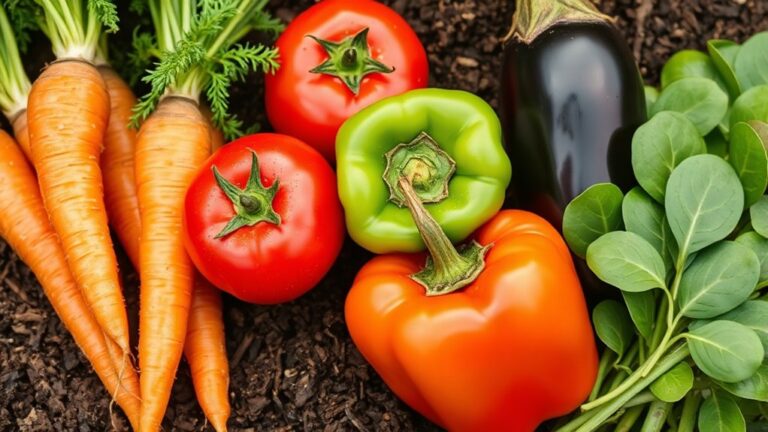
When choosing vegetables and fruits for your domestic ducks, focus on those packed with vitamins and minerals to support their overall health. Nutrient-rich vegetables like kale, spinach, and peas provide essential vitamins A, C, and K that boost immunity and aid digestion.
Carrots and cucumbers offer hydration and fiber, promoting a healthy digestive system. You might notice that feeding wild ducks often involves natural foraging of similar greens and aquatic plants, which mimics a balanced diet.
Encouraging domestic duck foraging by offering fresh, leafy vegetables helps maintain their natural instincts and nutritional needs. Avoid starchy or overly processed veggies, and always introduce new foods gradually to monitor tolerance.
Safe Fruits for Ducks
Since fruits provide essential vitamins and natural sugars, including safe options in your ducks’ diet can improve their energy and overall health. Fruits for ducks like apples (without seeds), berries, melons, and grapes make excellent, nutritious treats. These fruits supply antioxidants and hydration, supporting your ducks’ immune system and digestion.
However, you need to avoid harmful treats such as citrus fruits, avocado, and fruit pits, which can be toxic or cause digestive issues. Always wash fruits thoroughly and cut them into small, manageable pieces to prevent choking. Offering a variety of safe fruits alongside vegetables and grains ensures a balanced diet and keeps your ducks interested in their meals.
Why Protein Matters for Domestic Ducks
Although ducks can eat a variety of foods, protein plays an essential role in keeping them healthy and active. You’ll notice that ducks’ behavioral habits, like foraging and dabbling, naturally lead them to consume protein-rich insects and small aquatic creatures.
Providing adequate protein supports muscle development, feather growth, and overall vitality. Without enough protein, ducks may become lethargic or develop weak immune systems.
When you manage their diet, consider the environmental impact of protein sources. Opting for sustainably sourced insects or plant-based proteins reduces harm to ecosystems.
Avoid overfeeding protein-heavy foods, as it can lead to water pollution from excess waste. Balancing protein intake with other nutrients ensures your ducks thrive while promoting a healthier environment around their habitat.
Is Commercial Feed Safe for Domestic Ducks?
You might be wondering if commercial feed really gives your ducks all the nutrients they need to stay healthy. Well, it does offer balanced nutrition, which is great. But, some ingredients in commercial feed could actually cause problems if you’re not careful about what you choose. So, let’s take a closer look at how safe and helpful commercial feed can be for your ducks.
Nutritional Value Overview
When choosing feed for your domestic ducks, understanding the nutritional value is key to ensuring their health and well-being. Ducks need a balanced diet rich in protein, vitamins, and minerals.
Feeding aquatic insects provides a natural protein source that supports growth and feather development. Including dietary fiber sources like leafy greens aids digestion and keeps their gut healthy.
Commercial feeds often combine these essentials in appropriate ratios, but you can also supplement with natural options to mimic their varied diet. Proper nutrition boosts immunity and energy levels, helping your ducks thrive.
Potential Risks Considered
Since commercial feeds are formulated to meet the basic nutritional needs of domestic ducks, many people assume they’re completely safe. However, you should consider potential risks like contamination or imbalanced nutrients.
Poor-quality feeds can contain mold or mycotoxins harmful to ducks and gardening efforts if you use duck manure as fertilizer. Also, relying solely on commercial feed might reduce your ducks’ natural foraging, which helps keep pests down in your garden.
Be mindful that domestic ducks and predators interact differently depending on their diet; undernourished ducks may be more vulnerable to predators. To keep your ducks healthy, supplement commercial feed with natural foods and maintain proper storage to prevent spoilage.
This balanced approach supports their wellbeing and protects your garden ecosystem.
Safe and Healthy Treats for Domestic Ducks
How can you add variety to your domestic duck’s diet without risking their health? Offering safe and healthy treats is a great way to enrich their meals while supporting duck breeding efforts that prioritize well-being. Treats like leafy greens, peas, corn, and small amounts of fruit mimic natural foraging found in waterfowl habitats, providing essential nutrients without harmful additives.
Avoid processed human snacks, as these can upset their digestion or introduce toxins. You can also provide occasional protein-rich treats like mealworms or boiled eggs to support growth and feather health. Remember, treats should complement, not replace, their staple diet, ensuring balanced nutrition.
Providing Fresh Water for Domestic Ducks
Why does fresh water matter so much for your domestic ducks? Ducks rely on clean, fresh water not only to stay hydrated but also to aid digestion and maintain overall health.
Ensuring good water quality helps prevent illnesses and encourages regular feeding frequency, as ducks are more likely to eat well when they have access to fresh water.
Here’s a quick look at what to keep in mind for providing fresh water:
| Water Quality | Feeding Frequency | Water Access |
|---|---|---|
| Change daily | Feed 2-3 times/day | Provide constant access |
| Remove debris | Adjust with age | Use shallow containers |
| Avoid stagnant water | Consistent timing | Clean containers regularly |
Foods to Avoid Feeding Domestic Ducks
Although domestic ducks can eat a variety of foods, you need to avoid feeding them certain items that can harm their health. Avoid giving ducks bread, especially when feeding wild ducks, since it lacks nutrition and can cause malnutrition or obesity.
Also, stay away from salty, sugary, or processed foods. These can upset their digestion and lead to serious health issues. Don’t feed them raw potato peels, chocolate, or anything moldy, as these are toxic to ducks.
When making homemade duck treats, choose safe ingredients like oats, corn, or chopped vegetables instead of risky human snacks. It’s easy to spoil your ducks with treats, but always prioritize their well-being by sticking to healthy, duck-friendly options.
Adjusting Diets for Different Life Stages of Domestic Ducks
Keeping your ducks away from harmful foods sets a strong foundation for their health, but their nutritional needs shift as they grow. Ducklings require high-protein starter feeds to support rapid growth, while adult ducks benefit from balanced diets rich in grains, greens, and occasional protein treats.
When ducks reach breeding age, adjusting their diet is essential to support mating behavior and overall vitality. Increasing protein and calcium helps boost fertility and prepares females for egg production.
During nesting, you’ll notice females gathering nesting materials. Providing extra calcium and vitamins supports egg health and shell strength. After the breeding season, scale back protein slightly and focus on maintenance nutrition to keep your ducks healthy without excess weight gain.
Frequently Asked Questions
How Do Feeding Habits Differ Between Wild and Domestic Ducks?
You’ll notice wild ducks rely heavily on wild foraging, which gives them a diet diversity you won’t see in domestic ducks. While wild ducks search for aquatic plants, insects, and small fish, domestic ducks usually eat formulated feed and kitchen scraps.
Because you control domestic ducks’ meals, their diet is less varied but balanced. So, your feeding habits should mimic natural diversity to keep domestic ducks healthy and happy.
Can Domestic Ducks Eat Human Leftovers Safely?
Feeding safety should steer your servings since leftover risks really matter. You shouldn’t simply serve scraps to your ducks, as many human foods can harm them.
Avoid anything salty, sugary, or seasoned heavily because these can upset their digestion or cause illness. Instead, focus on fresh, duck-friendly foods and only offer leftovers that are plain, healthy, and safe in small amounts.
Always prioritize their well-being over convenience.
How Often Should I Clean Feeding and Watering Containers?
You should clean your ducks’ feeding and watering containers daily to maintain proper container hygiene. Even if you feed them multiple times a day, cleaning once a day prevents bacteria buildup and keeps water fresh.
If you notice leftover food or dirty water, clean the containers immediately. Regular cleaning supports your ducks’ health and reduces the risk of illness, so don’t skip this step regardless of your feeding frequency.
What Signs Indicate a Domestic Duck Is Malnourished?
You know what they say, “You are what you eat.” In terms of duck nutrition, malnutrition signs include lethargy, weight loss, dull feathers, and poor growth.
If your duck seems listless or has a lackluster coat, it’s a red flag. Also, watch for abnormal droppings or weakened immune response.
Catch these signs early to guarantee your duck stays healthy and thrives on a balanced diet.
Are Supplements Necessary for Indoor-Only Domestic Ducks?
Yes, supplements can be necessary for indoor-only domestic ducks because their nutritional requirements might not be fully met through limited indoor diets. You’ll find supplement benefits include ensuring they get essential vitamins and minerals missing from their regular food.
Without access to natural foraging, adding supplements supports their immune system, feather health, and overall well-being. This helps you keep your ducks healthy and thriving even when they don’t roam outside.
Conclusion
Feeding your domestic ducks a balanced diet is like tending a vibrant garden. Each grain, vegetable, and protein acts as a colorful bloom, nurturing their health and happiness.
By providing fresh water and avoiding harmful foods, you cultivate a thriving life for them. Remember, just as a garden changes with the seasons, their diet should adapt through life’s stages.
This approach ensures your ducks flourish with every quack and flap, full of energy and joy. A healthy diet is key to keeping your domestic ducks happy and thriving.