Are You Supposed to Feed Ducks Bread?
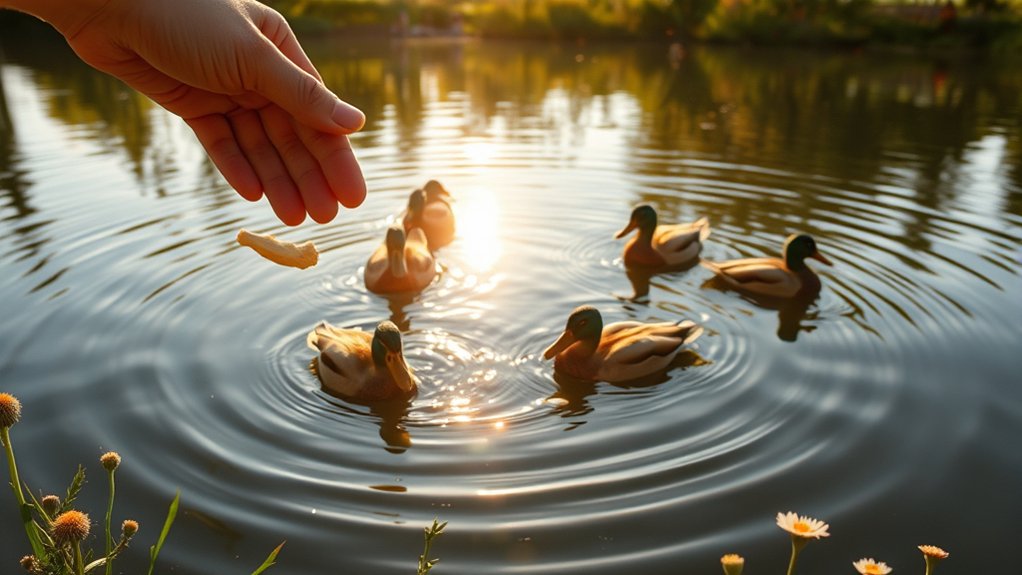
Feeding ducks can feel like a simple, joyful way to connect with nature, but if you’ve ever wondered whether bread is a good choice, you’re not alone. Many people struggle with knowing what to feed ducks without harming them or their environment.
Finding the right food that’s both safe and healthy can be tricky, but it’s worth it to keep these charming birds happy and thriving.
You shouldn’t feed ducks bread because it lacks nutrients and can harm their health, causing growth problems and the “angel wing” condition. Bread also pollutes ponds when uneaten, leading to algae blooms and harming aquatic life.
Instead, offer healthy foods like cracked corn, oats, or chopped vegetables. Feed ducks sparingly and clean up leftovers to protect their environment.
If you want to know how to enjoy ducks safely and responsibly, there’s more helpful advice ahead.
Key Takeaways
- Feeding ducks bread is harmful and can cause malnutrition and wing deformities like “angel wing.”
- Bread lacks essential nutrients and disrupts ducks’ natural growth and health.
- Bread feeding leads to water pollution, algae blooms, and ecosystem damage from uneaten food and duck waste.
- Instead of bread, feed ducks natural foods like cracked corn, oats, birdseed, and chopped vegetables in moderation.
- Observing ducks without feeding bread supports their natural behavior and protects the environment.
Why You Should Think Twice About Feeding Ducks Bread
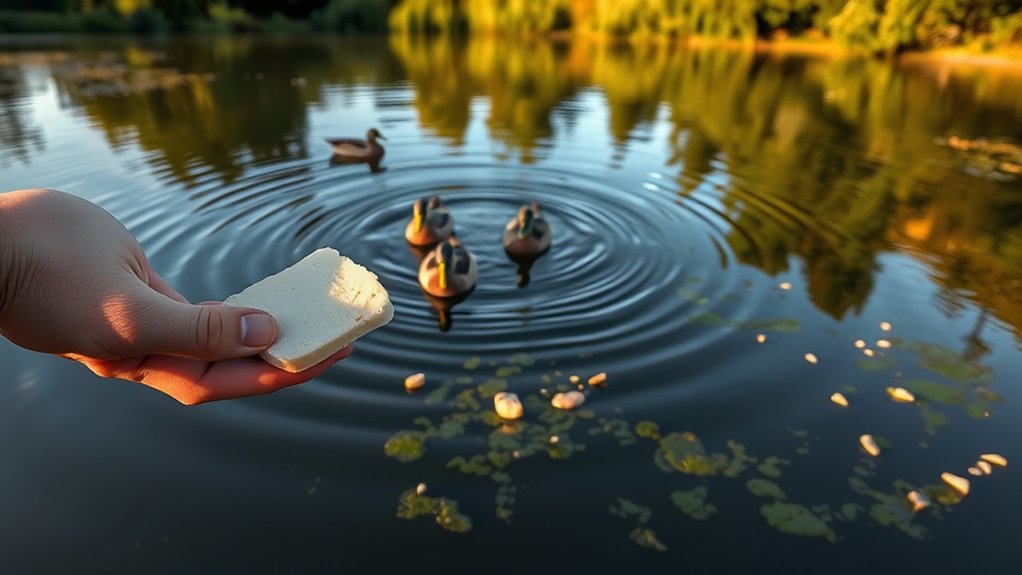
Although feeding ducks bread might seem harmless, it can actually harm their health and the environment. When you toss bread into the water, it often goes uneaten and starts to decay, leading to water pollution.
This pollution creates an unhealthy habitat for ducks and other wildlife by promoting algae growth that depletes oxygen in the water. You might not realize it, but this degraded environment can disrupt bird migration patterns.
Ducks rely on clean water sources along their migration routes, and polluted ponds force them to seek other stops, which affects their survival. By feeding ducks bread, you’re unintentionally contributing to these ecological issues.
Instead, consider natural foods that support their nutritional needs without damaging their habitat. Taking a moment to think before you feed can help protect the delicate balance of ecosystems ducks depend on, especially during their long migrations.
Your actions can make a real difference in preserving healthy environments for migrating birds.
How Bread Affects Ducks’ Health
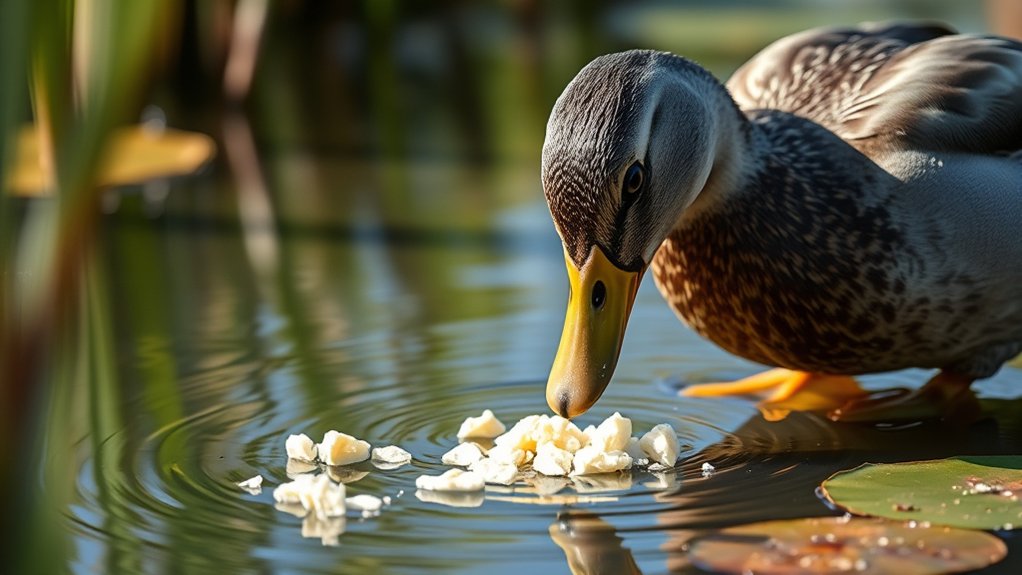
When you feed ducks bread, you might not realize how much it can harm their health. Bread lacks the essential nutrients ducks need, leading to malnutrition and poor growth. Over time, ducks can develop a condition called “angel wing,” where their wings twist unnaturally, affecting their ability to fly.
This happens because bread’s high carbohydrate content disrupts normal duck behavior and development. Feeding bread also encourages ducks to gather in large groups, increasing stress and the spread of disease.
Instead of bread, choose bread alternatives that support their health. Offer cracked corn, oats, birdseed, or chopped vegetables. These options provide better nutrition and promote natural foraging behavior, keeping ducks active and healthy.
How Feeding Bread Impacts Pond Ecosystems
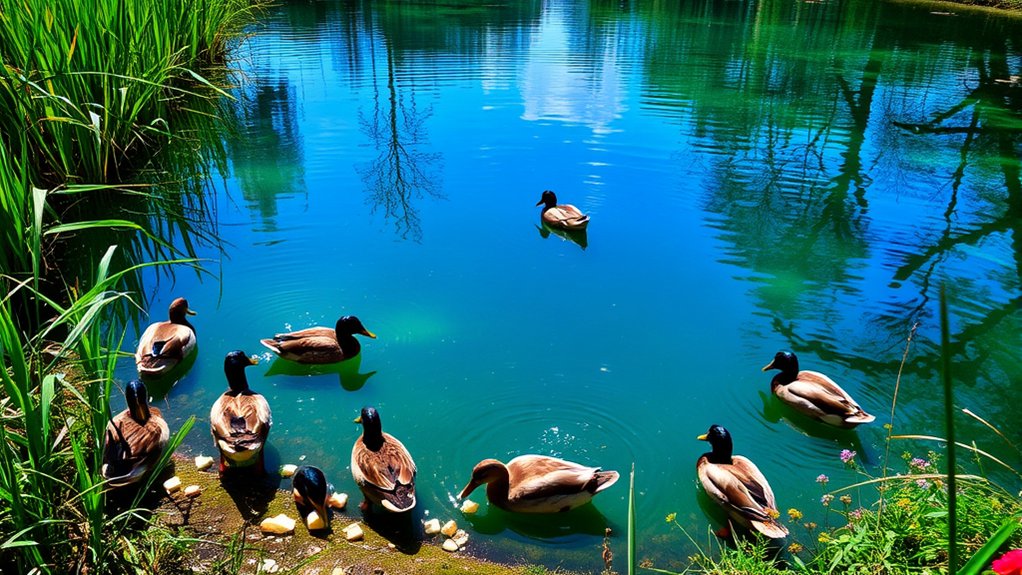
Feeding bread to ducks can disrupt the delicate balance of pond ecosystems by introducing excess nutrients and waste. When you toss bread into the water, it often doesn’t get eaten entirely, leading to leftover food that decomposes and releases harmful nutrients like nitrogen and phosphorus.
This nutrient overload can cause algae blooms, which reduce oxygen levels and harm aquatic life. Many people fall into common feeding misconceptions, thinking bread is harmless or even beneficial because of historical bread feeding traditions passed down through generations. But these traditions don’t reflect the ecological consequences that bread can trigger.
By encouraging ducks to gather in unnatural numbers and overfeed, bread also increases waste accumulation, further polluting the water. If you want to protect pond ecosystems, it’s important to understand how bread impacts the environment beyond just the ducks’ health.
Avoiding bread helps maintain cleaner, healthier water that supports diverse plant and animal life.
When and Where Is It Okay to Feed Ducks?
Understanding the effects of bread on pond ecosystems helps you make better choices about feeding ducks. To feed ducks responsibly, you need to weigh when and where it’s appropriate.
In urban parks, where ducks are accustomed to human interaction, you can feed them, but always with care and respect for their environment. Follow proper feeding etiquette to minimize harm and keep the area clean.
Here are some guidelines to follow:
- Feed ducks only in designated areas where it’s allowed and safe.
- Offer food sparingly to avoid overfeeding and disrupting natural foraging.
- Avoid feeding near fragile habitats or crowded spots to prevent stress on the ducks and pollution.
Best Healthy Foods to Feed Ducks Instead of Bread
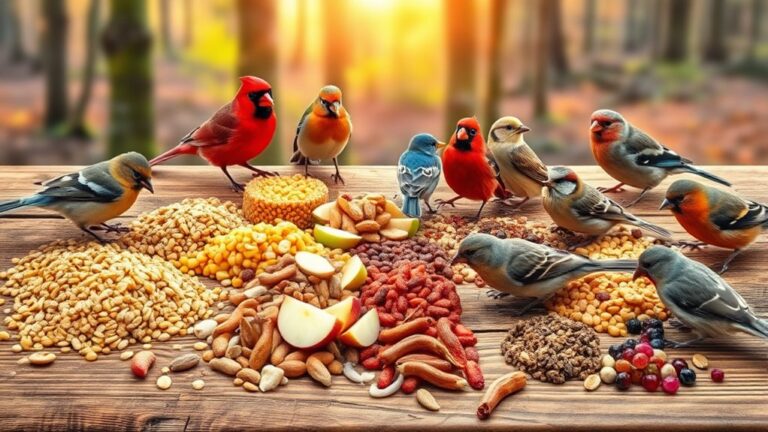
If you want to keep ducks healthy, it’s best to choose nutrient-rich foods instead of bread. Bread doesn’t really provide the vitamins and energy ducks need. Instead, safe fruits, vegetables, grains, and seeds are much better options. So, let’s take a look at some of the best foods you can offer them.
Nutrient-Rich Duck Foods
Although bread seems like an easy option, it lacks the essential nutrients ducks need to stay healthy. Feeding ducks nutrient-rich foods supports their energy during migration and improves feather coloration. This is crucial for attracting mates and insulation. When you want to offer ducks a better alternative, consider these options:
- Oats (uncooked): Provide fiber and carbohydrates for sustained energy during long migrations.
- Birdseed mix: A blend of seeds offers proteins and fats, supporting strong feathers.
- Chopped greens: Nutrient-dense and rich in vitamins that promote healthy feather growth.
Safe Fruits And Vegetables
When you want to offer ducks a healthy alternative to bread, safe fruits and vegetables provide essential vitamins and hydration that support their overall well-being. You can feed them chopped lettuce, peas, corn, or diced apples, all of which are gentle on their digestive systems and mimic natural foods found in waterfowl habitats.
These options help maintain energy levels vital for duck migration, ensuring they stay strong during long flights. Avoid giving ducks anything processed or seasoned, as it can harm their health.
Grains And Seeds Options
While bread might seem like an easy choice, feeding ducks grains and seeds offers them much better nutrition and supports their natural diets. When choosing what to feed, focus on grain varieties and seed selection that closely match what ducks find in the wild. You can provide healthy alternatives that nourish them without harming their health.
Here are some great grains and seeds to think about:
- Cracked corn: easy to digest and rich in carbohydrates
- Oats: provide fiber and energy, mimicking natural foraging
- Birdseed mixes: contain a variety of seeds like millet and sunflower, offering balanced nutrients
Sticking to these options helps keep ducks healthy and supports their natural feeding behavior. Avoid processed or salted seeds to make sure their well-being.
How to Prepare Healthy Snacks for Ducks Instead of Bread
To keep ducks healthy and happy, you should offer them nutritious snacks instead of bread. When preparing these treats, follow proper feeding etiquette by giving small, manageable portions.
Ducks have specific eating habits. They prefer food that’s easy to pick up and digest. Chop vegetables like lettuce, peas, or corn into bite-sized pieces to match their natural foraging behavior.
You can also toss in grains like oats or birdseed, which are closer to their natural diet. Avoid processed or salty foods, as these can harm ducks.
Remember to feed ducks in moderation and scatter food on the water or ground to encourage natural foraging, reflecting their instinctive behavior. This approach not only supports their health but also prevents overfeeding and littering.
If You’ve Been Feeding Ducks Bread, Here’s What to Do
If you’ve been feeding ducks bread, it’s important to change your habits to protect their health. Bread lacks nutrients and can disrupt their natural diet, affecting bird migration patterns and overall well-being. Plus, leftover bread pollutes water, harming aquatic life and the ecosystem.
Here’s what you can do:
Stop feeding bread immediately to prevent further harm to ducks and water quality.
Clean up leftover bread pieces to reduce water pollution and discourage dependency.
Observe ducks without feeding to enjoy their natural behaviors and support healthy bird migration.
How to Feed Ducks Responsibly Without Harming the Environment
Changing how you feed ducks can make a big difference in their health and the environment. To feed ducks responsibly, start by understanding duck behaviors. Ducks naturally forage for aquatic plants, insects, and small fish, so offering foods that mimic their natural diet is key.
Feeding ducks responsibly means offering natural foods that align with their foraging behaviors.
Avoid bread and instead choose cracked corn, oats, birdseed, or chopped vegetables. These options support their nutrition without causing harm.
Feeding etiquette also matters. Feed in moderation to prevent overfeeding, which can lead to water pollution and disrupt local ecosystems. Scatter food on the water’s surface rather than the shore to encourage natural foraging and reduce the risk of attracting pests.
Always clean up leftover food to keep the environment healthy.
How to Enjoy Watching Ducks Without Feeding Bread
While feeding ducks bread has been a common pastime, you can still enjoy watching these charming birds without offering them food. Observing ducks’ natural behavior offers a richer experience and respects proper feeding etiquette. Instead of feeding bread, focus on appreciating their movements, social interactions, and habitat.
To enjoy watching ducks without feeding bread, try these simple approaches:
- Observe quietly: Stay still and watch how ducks swim, preen, and communicate without disturbing them.
- Bring binoculars: Get a closer look at their behavior from a distance, avoiding disruption.
- Learn about their habits: Understanding ducks’ behavior helps you appreciate their natural lifestyle and respect feeding etiquette.
Tips for Feeding Ducks Safely and Enjoying Wildlife
When you choose to feed ducks, it’s important to do so responsibly to protect their health and the environment. Stick to feeding etiquette by offering natural, nutritious foods like cracked corn, oats, or birdseed instead of bread. These options support bird conservation by providing essential nutrients without polluting waterways or encouraging harmful behaviors.
Always feed ducks in small amounts to avoid overfeeding and keep the area clean by picking up leftover food and trash. Avoid feeding ducks in crowded or sensitive habitats to prevent stress and disease spread. Enjoy wildlife from a respectful distance, observing their natural behaviors without disrupting their routines.
Frequently Asked Questions
Can Feeding Ducks Bread Cause Them to Become Aggressive?
Yes, feeding ducks bread can cause aggressive behavior because they start expecting food from you and others. When ducks become dependent on bread, they lose their natural foraging skills and may compete aggressively for handouts.
This food dependency disrupts their natural diet and social habits, making them more territorial and pushy. To avoid encouraging aggressive behavior, you should offer healthier, natural foods instead of bread.
How Often Do Ducks Need to Eat in the Wild?
You might think ducks eat nonstop like they’re training for an all-you-can-eat contest, but they actually eat several times a day to fuel their incredible duck migration journeys. Their feeding habits vary with the seasons, focusing on high-energy foods before flying long distances.
In the wild, ducks graze on plants, insects, and small fish multiple times daily to stay strong and healthy during migration and daily life.
Are All Types of Bread Equally Harmful to Ducks?
Not all types of bread are similarly harmful to ducks, but most can cause nutritional deficiencies due to their lack of essential nutrients and high calories. You should know that feeding ducks bread often ignores their dietary restrictions, leading to poor health and environmental issues.
Instead, consider healthier alternatives like cracked corn or oats to respect their dietary needs and keep them thriving without causing harm.
Can Feeding Ducks Bread Affect Local Bird Populations?
Imagine a garden where you keep watering just one type of flower. It crowds out the rest. Feeding ducks bread disrupts their wild diet, causing imbalances in local bird populations.
When bread replaces natural food, ducks may lose essential nutrients. This weakens their health and affects the ecosystem impact. This shift can encourage overpopulation of certain species while others decline.
Ultimately, it harms the delicate balance of your local wildlife community.
What Time of Year Is Best to Observe Ducks Without Feeding Them?
The best time to observe ducks without feeding them is during their seasonal migration in spring and fall. You’ll see them naturally foraging as they stop to rest and refuel. Watching ducks during these periods lets you appreciate their natural behaviors without disrupting their diet.
Early morning or late afternoon are ideal times, too, since ducks are most active then. This way, you enjoy the experience and support their health.
Conclusion
So, next time you think about tossing bread to ducks, remember you’re actually handing them a fast food disaster. Sure, it feels good to share a snack, but you might be doing more harm than good, turning their pond into a bread buffet nobody asked for.
Instead, choose healthier treats or just enjoy watching these graceful creatures in their natural habitat. Sometimes, the best way to feed ducks is not to feed them at all. When it comes to feeding ducks bread, it’s better to think twice and opt for safer options.